

Bird and pigeon control in Al Nahdah Jeddah
Al Nahdah runs between King Abdulaziz Road and Prince Sultan Road along Hira Street in northern Jeddah, a short distance from the sea. It is residential in its inner blocks but the main streets carry dense trade in shops, restaurants, clinics and cafes. Irrigated lawns around the corniche and Al Nahdah Park keep standing water feeding birds and insects year round, and high sea humidity keeps timber and walls damp, making the neighbourhood an ideal environment for birds and insects to find water, food and nesting shelter on roofs and balconies.
-
Targeted, not broadcast
Product goes into cracks and runways, never sprayed across open surfaces.
-
Told before we start
What we will use, where it goes, and what to cover or move before we arrive.
-
A follow-up visit
We return after the first treatment, because what survives it does not show on the day.
-
Homes and businesses
Apartments and villas, and kitchens and stores that need a record of each visit.
Why they keep coming back in Al Nahdah
High sea humidity and abundant irrigated green spaces around the corniche and park create conditions suited to cockroaches, mosquitoes and insects, and large pigeon populations thrive in this mixed environment. The method is set out in full on what Bird and pigeon control involves.
Main street food sources and dense commercial activity
Hira Street and the main spines of Al Nahdah are lined with shops, restaurants, cafes and clinics where scattered food and open waste bins attract pigeons in large numbers. Birds move directly from these main streets to the flats and roofs of adjacent residential buildings immediately beside them.
Green spaces and standing water around the corniche
Al Nahdah Park and irrigated green spaces daily maintained around the corniche provide water and food for birds and insects in abundance. Stagnant water and small marshes attract mosquitoes and flies, and pigeons arrive in large flocks to nest on high roofs and balconies overlooking these water sources.
High sea humidity and damp timber year-round
Al Nahdah is close to the seafront which keeps humidity high all year, leaving timber and render damp throughout. Gaps and cracks in damp wooden ledges provide ideal nesting sites for birds and insects seeking shelter from the sea breeze.
Landmarks of Al Nahdah
In Al Nahdah, flats and villas are located by Hira Street, Al Nahdah Park and the adjacent corniche. High humidity, abundant green spaces, and dense commercial activity along Hira Street and King Abdulaziz Road create a complex environment that requires comprehensive protection across all building surfaces and openings.
- Hira Street
- King Abdulaziz Road
- Prince Sultan Road
- Hira Plaza
- Al Nahdah Park
- Umar ibn Al Khattab Mosque
The building decides which deterrent works
Al Nahdah lies between King Abdulaziz Road and Prince Sultan Road along Hira Street in northern Jeddah, close to the seafront. It has apartment buildings and villas in residential blocks whilst the main streets have dense commercial activity with shops, restaurants, clinics and schools.
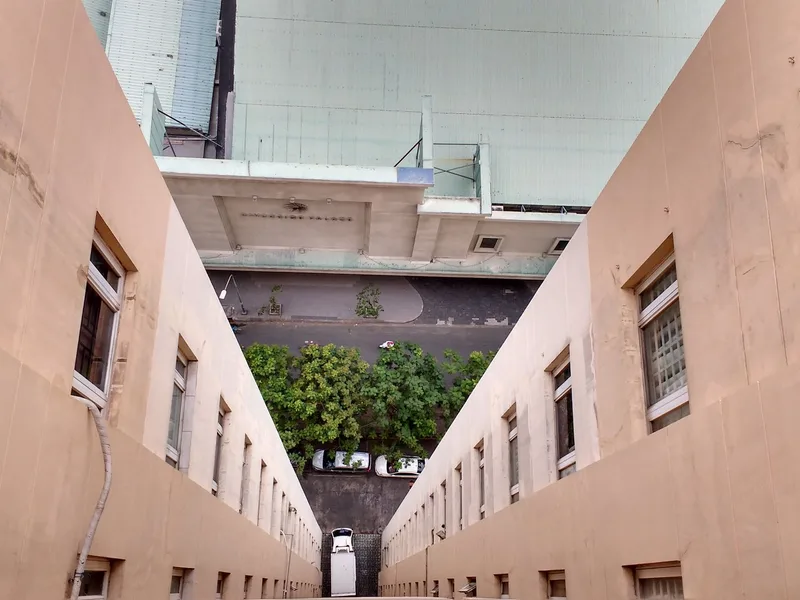
Ledge width
Building ledges in Al Nahdah vary in height and material, some are timber and damp, so the deterrent needs flexible design that fits each ledge height and type without assuming a standard specification.

Air conditioning platforms
Air conditioning units are numerous on balconies and roofs, the gaps around them stay very damp from sea spray, so the deterrent must seal these spaces completely to be effective.
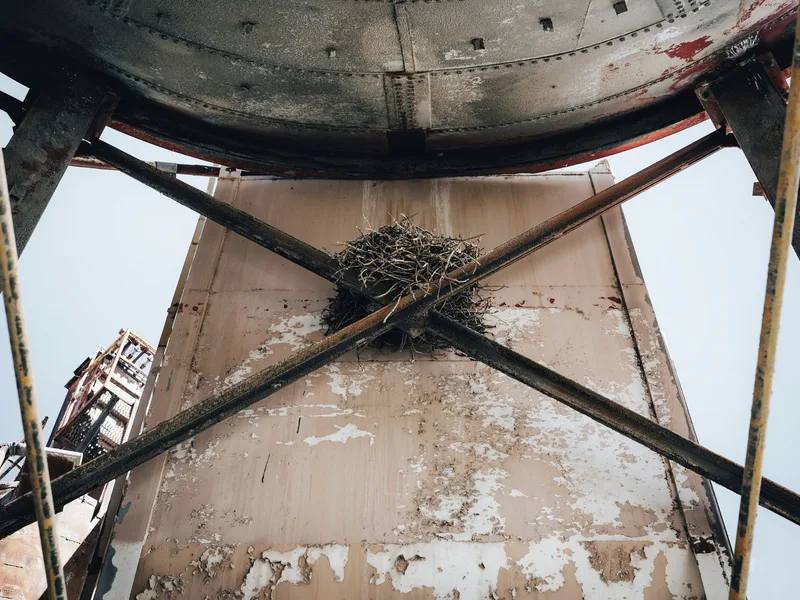
The nest itself
Nests in Al Nahdah are large and numerous because bird populations are large and food is constantly available, so cleaning requires extra effort and complete treatment.
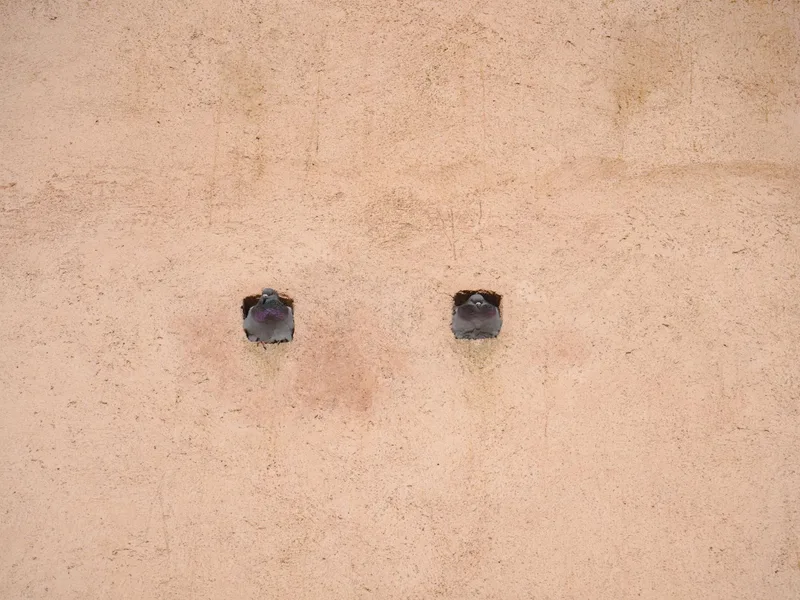
The droppings pattern
Droppings fall onto the main street and lower flats, cleanup is quick because streets are busy but moisture keeps odours lingering.
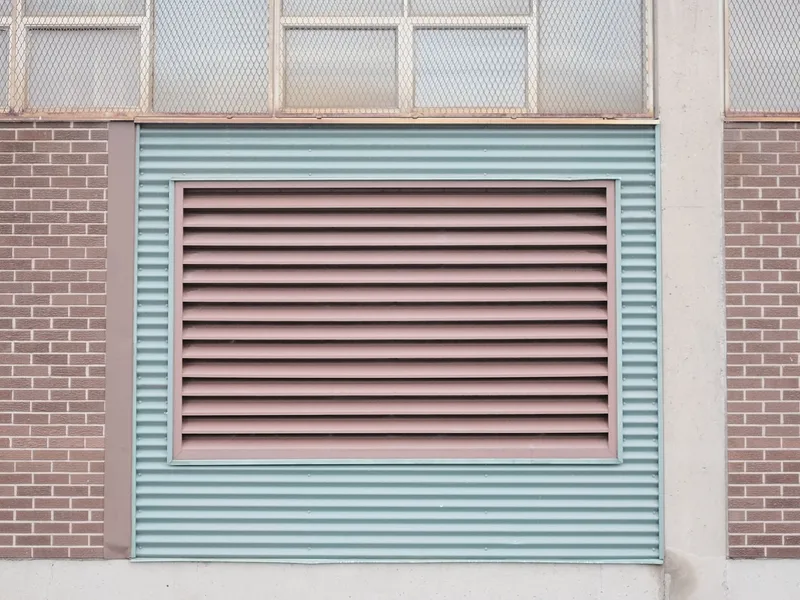
Openings and shafts
Openings and windows facing the main street may stand open for ventilation, and birds can enter through them, so protective netting is essential for complete protection.
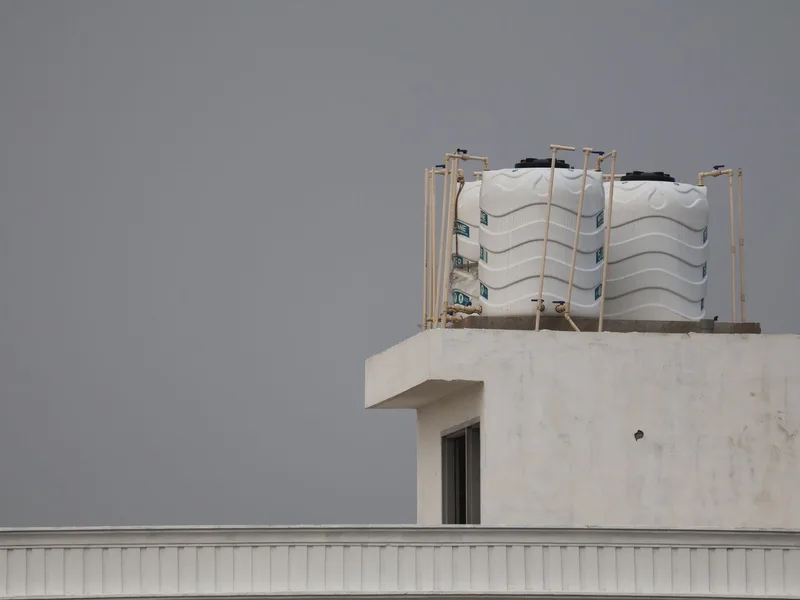
Around the roof tank
Multiple water sources including tanks and irrigation systems provide birds several drinking points, so sealing all these sources or reducing watering frequency is necessary to discourage birds settling in the neighbourhood.
How we work
-
1
Survey the roof and the facade
We walk the roof, the projections, the condenser platforms and the shafts, separate the nesting positions from the perching ones, and measure and photograph every ledge.
-
2
Strip the nests and treat the parasites
Droppings are wetted before they are lifted so nothing goes airborne dry, bagged closed, and the nest position is treated for ticks and mites before the surface is sanitised.
-
3
Close and fit
Netting tensioned on a perimeter wire with no gap at the corners, spikes or wire on the narrow projections, metal mesh across vents and shafts, and the roof drains freed of the nest material packing them.
-
4
The follow-up visit
We come back to check the tension, the corners and any position the flock has moved to, and correct what has slackened before a bird finds it.
What bird and pigeon control includes
-

A recorded survey
Every ledge, condenser platform and shaft, photographed, with nesting separated from perching before anything is chosen.
-

Nest removal and drain clearing
Lifted wet rather than swept dry, bagged closed, and the roof drains freed of the nest material packing them.
-

Parasite treatment and sanitising
The nest position treated for ticks and mites, then the surface the droppings sat on sanitised.
-

Sealing and fitting the deterrents
Netting tensioned on a perimeter wire, spikes or wire on narrow projections, and metal mesh across ventilation openings.
-

Aftercare instructions
The condensate water, food left on the roof, and what should not sit beside a ledge if the attraction is to stay gone.
-

A follow-up on tension and corners
Netting slackens and corners open over time; the visit corrects that and closes any new position.
What is different about Obhur Sub-Municipality
Obhur sub-municipality runs along Jeddah's northern shoreline from Al Shati up to Obhur Creek. It mixes large villas and gated compounds with busy commercial spines of restaurants, cafes, markets and hotels. Sea humidity is high for most of the year and salt laden breezes keep timber and render damp, while irrigated gardens and lawns surround the corniche and the villa plots. Standing irrigation water, dense planting and food waste from the hospitality strip suit cockroaches, mosquitoes and ants, and the chalets and rest houses scattered along the creek stand empty for long spells, which lets insects and rodents settle undisturbed.
Questions about this district
The neighbourhood is mixed use and restaurants are everywhere. Do pigeons come up from the main street?
Yes, food waste and scraps from restaurants on Hira Street attract pigeons in large numbers, and birds move directly from the street into lower flats and onto roofs of adjacent buildings. We fit deterrents to all flats and gaps bordering the main commercial spines.
There is a public park beside our flat. Does it draw large flocks of birds?
Yes, Al Nahdah Park and the irrigated green spaces draw large flocks, and pigeons move directly from the park to neighbouring roofs and balconies. We recommend fitting deterrents and ensuring no standing water is left uncovered on your roof.
Our flat is on the first floor facing the main street. Can pigeons enter from the balcony?
Yes, lower flats facing the main streets are exposed to pigeons coming directly from the commercial strip below. We screen balconies and windows with fine netting, and we recommend keeping windows closed and no food left exposed on the balcony.
The humidity is very high and walls stay damp. Does this attract pigeons?
Yes, high humidity attracts insects and birds, and damp timber and walls provide ideal conditions for nesting. The deterrent stops birds from landing and nesting on the ledge and balcony despite the favourable moisture conditions.
Our neighbourhood is close to the seafront. Do seabirds and gulls nest here?
Yes, seabirds and gulls may move inland from the shore to nest on high roofs and balconies. The deterrent stops them landing, but we recommend not leaving food uncovered on your roof or balcony as an extra precaution.
Our chalet or rest house is closed temporarily. Do pigeons nest in it then?
Yes, unoccupied chalets and rest houses offer birds and insects safe shelter. Before closing we recommend fitting deterrents to all openings and balconies, and a full inspection when reopening to clear any nests and debris.
How much does bird and pigeon control in Al Nahdah cost?
It is set after the inspection, because the price follows the type of infestation, the size of the space, how far it has spread and the number of visits it needs. Send a photo and a description on WhatsApp and we will give you an estimate before we reach Al Nahdah.
Nearby districts we cover
Other services in Al Nahdah
Other services we provide to residents of Al Nahdah.
-
 Residential
Cockroach control
Residential
Cockroach control
-
 Residential
Bed bug control
Residential
Bed bug control
-
 Residential
Termite control
Residential
Termite control
-
 Residential
Rodents and mice
Residential
Rodents and mice
-
 Residential
Mosquito control
Residential
Mosquito control
-
 Residential
Fly control
Residential
Fly control
-
 Residential
Ant control
Residential
Ant control
-
 Residential
Gecko control
Residential
Gecko control
-
 Residential
Scorpion control
Residential
Scorpion control
-
 Residential
Snake control
Residential
Snake control
-
 Residential
Flea control
Residential
Flea control
-
 Residential
Preventive treatment
Residential
Preventive treatment
-
 Residential
Disinfection
Residential
Disinfection
-
 Commercial
Annual contracts
Commercial
Annual contracts
-
 Commercial
Restaurants and cafes
Commercial
Restaurants and cafes
-
 Commercial
Hotels and apartments
Commercial
Hotels and apartments
-
 Commercial
Warehouses and factories
Commercial
Warehouses and factories
-
 Commercial
Schools and nurseries
Commercial
Schools and nurseries
-
 Commercial
Retail and malls
Commercial
Retail and malls
-
 Commercial
Rest houses and farms
Commercial
Rest houses and farms
-
 Commercial
Fumigation
Commercial
Fumigation
-
 Water tanks
Water tank cleaning
Water tanks
Water tank cleaning
-
 Water tanks
Water tank sterilization
Water tanks
Water tank sterilization
-
 Water tanks
Water tank sealing
Water tanks
Water tank sealing
-
 Water tanks
Tank leak repair
Water tanks
Tank leak repair
Need bird and pigeon control in Al Nahdah? Tell us what you saw and we will tell you what it needs
We reach Al Nahdah at a time we agree, and you get the full cost before we start.