
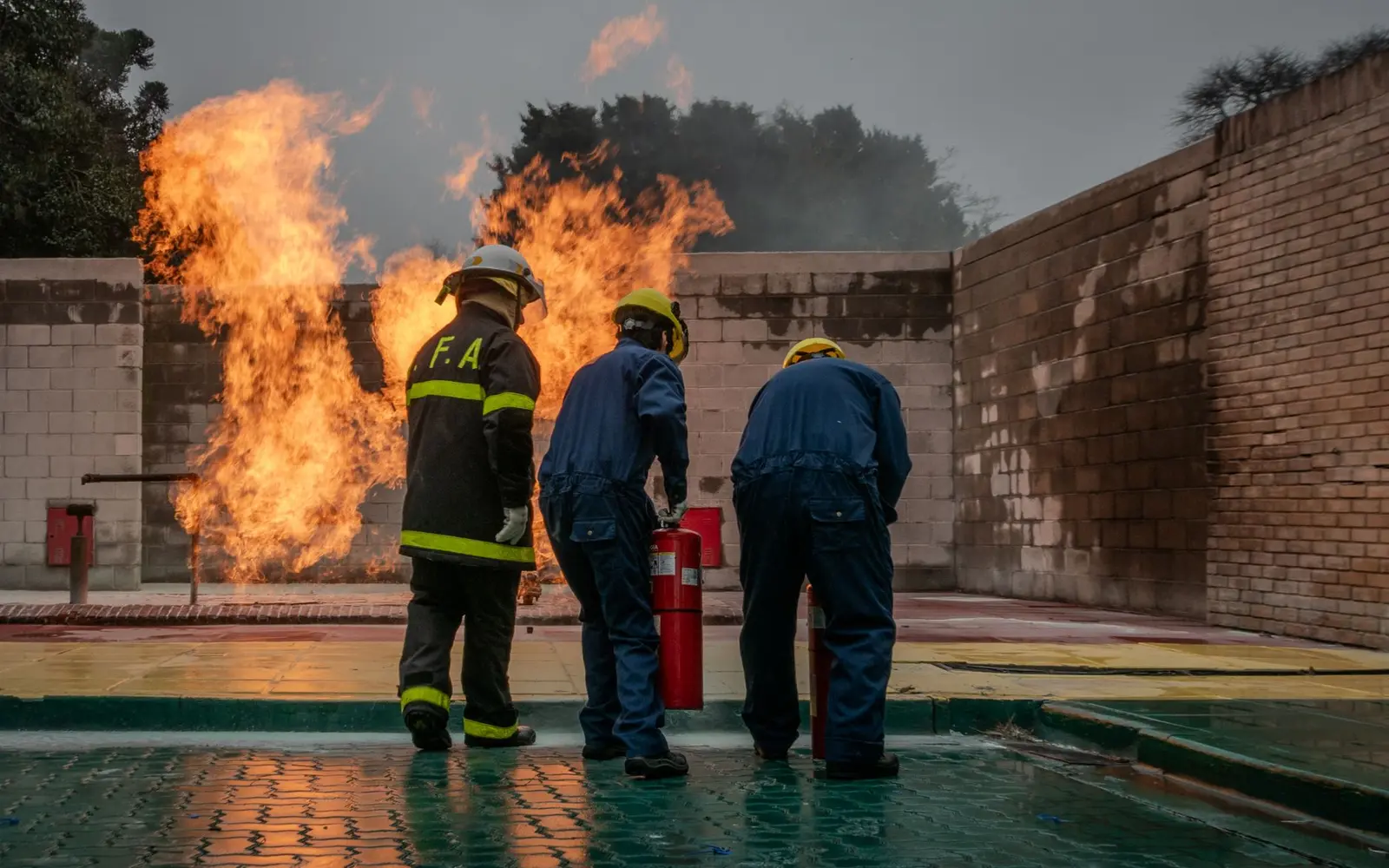
Bird and pigeon control in Al Shuhada Makkah
Al Shuhada is an unplanned historic district in north Makkah at the Thaniyat Al Bayda pass, with Al Shuhada Square at its heart, and industrial workshops on Hajj Street that shed food scraps daily. Buildings are haphazardly placed on rocky hillsides without any planning grid, creating countless gaps and fissures that pigeons exploit, with roofs at different levels and disconnected entirely.
-
Targeted, not broadcast
Product goes into cracks and runways, never sprayed across open surfaces.
-
Told before we start
What we will use, where it goes, and what to cover or move before we arrive.
-
A follow-up visit
We return after the first treatment, because what survives it does not show on the day.
-
Homes and businesses
Apartments and villas, and kitchens and stores that need a record of each visit.
Why they keep coming back in Al Shuhada
Pigeons in Al Shuhada exploit the chaotic building layout and abundant gaps between old structures, and scavenge from restaurant waste and shop debris along Hajj Street. The method is set out in full on Bird and pigeon control in detail.
Unplanned construction and irregular gaps
Buildings in Al Shuhada were not built to a unified plan but scattered across the hillside, roofs are disconnected and heights vary widely, creating gaps and natural bridges that let pigeons hop between buildings without descending to street level.
Industrial workshops and daily food waste
Hajj Street running alongside holds workshops and markets that shed food waste daily, and pigeons know exactly where these are. They cover the short distance from the waste to the rooftops repeatedly, making food the constant pull that keeps them in the district.
Rock fissures and natural ledges
Exposed rocky hillsides offer deep natural cavities and cracks ideal for nesting, and pigeons use these as refuges that control teams cannot easily reach or block.
Landmarks of Al Shuhada
Access to sites is coordinated from Al Shuhada Square at the heart of the neighbourhood, where we start from Hajj Street near the workshops, then work upward through the historic district toward Thaniyat Al Bayda according to nest distribution.
- Hajj Street
- Madinah Road
- Al Shuhada Square
- Thaniyat Al Bayda
- Jabal Al Shahid
- Asad ibn Zurarah Mosque
The building decides which deterrent works
An old-built district on rough rocky ground between Jabal Al Barud and Jabal Al Shahid, with unplanned uncontrolled building, and workshops and busy markets on Hajj Street providing constant food scraps.
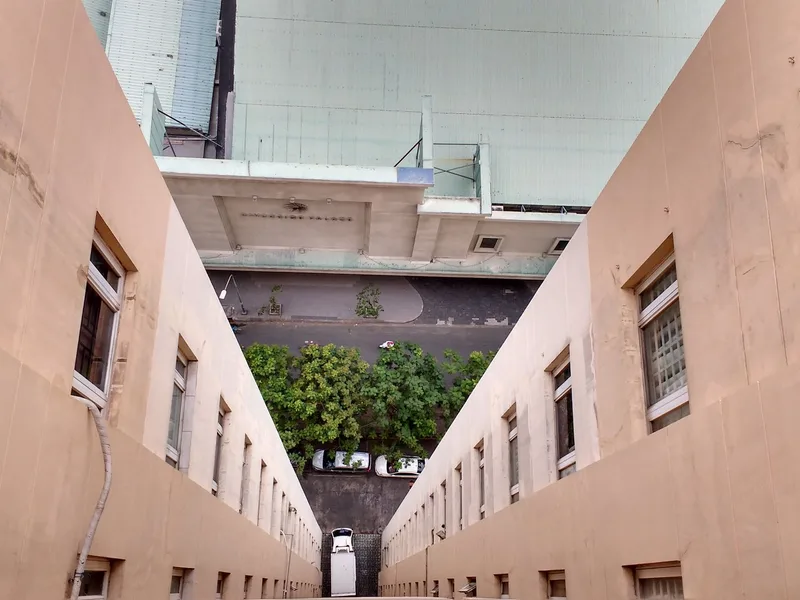
Ledge width
Irregular ledges and roofs at different heights offer varied roosting points with no unified pattern.
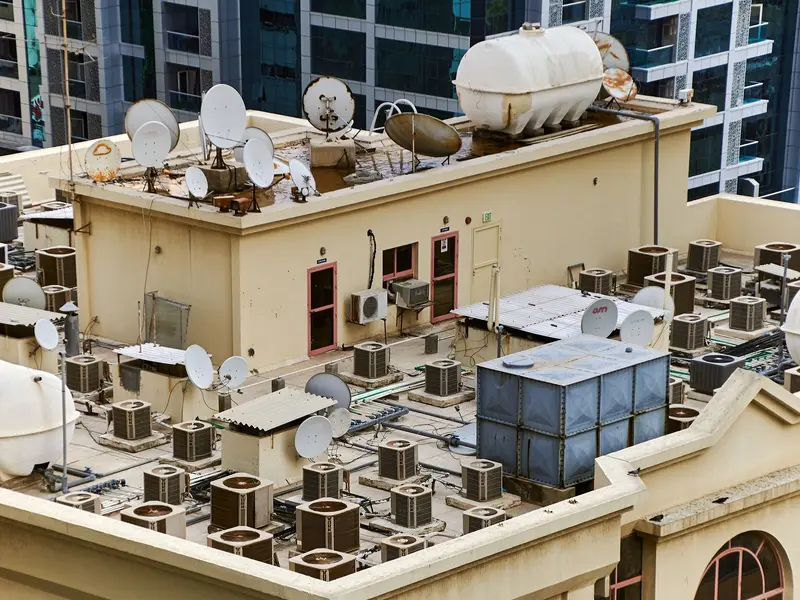
Air conditioning platforms
Air conditioning units are rare in the old district, but gaps between stones and electrical lines provide nesting sites.
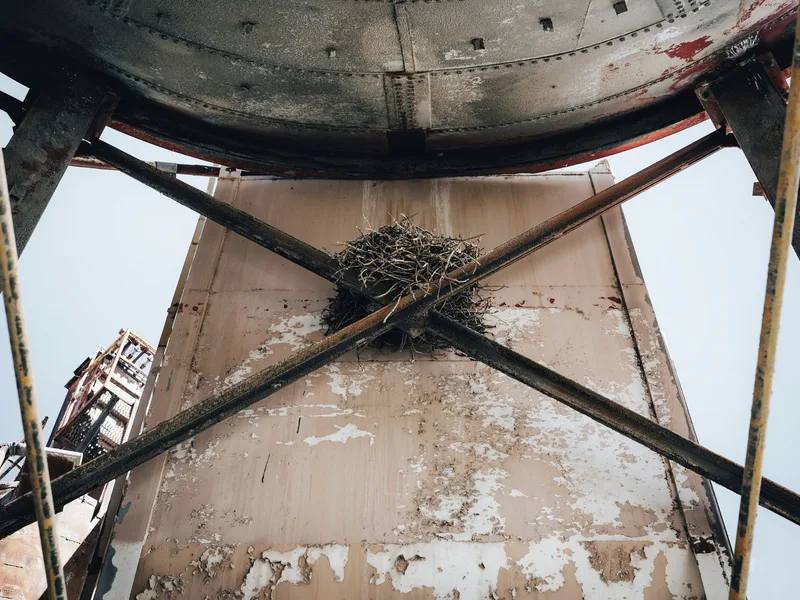
The nest itself
Nests are mixed with dust, debris and industrial fallout from Hajj Street, making cleaning a difficult process.
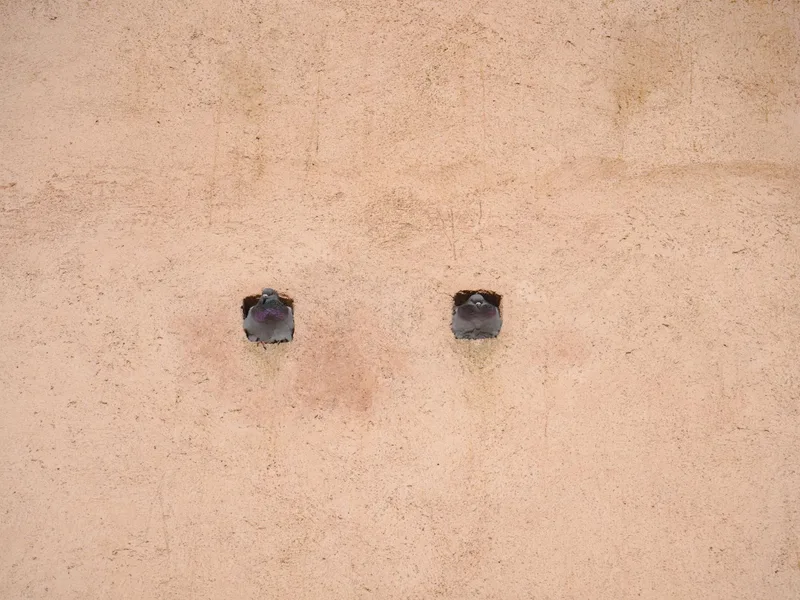
The droppings pattern
Standing water in rock fissures and uneven roof surfaces provides drinking and a damp environment that insects favour.
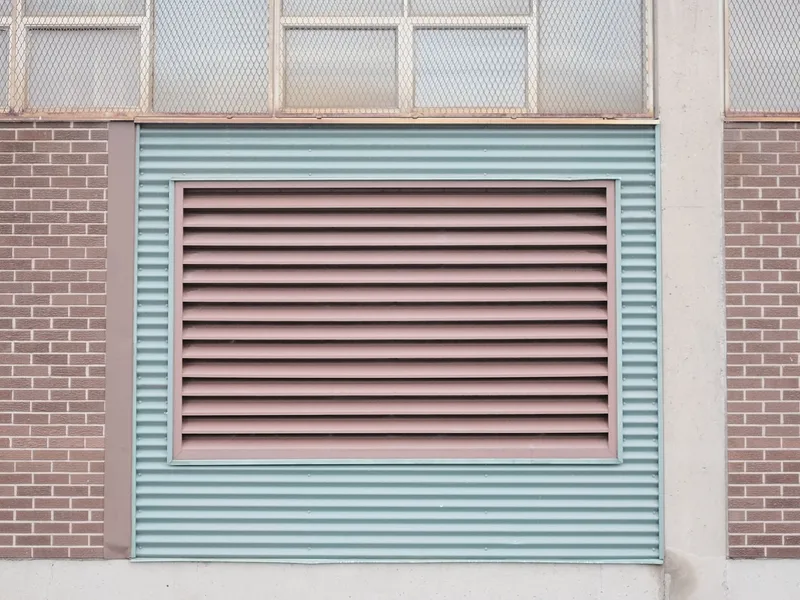
Openings and shafts
Simple old windows and unprotected openings offer direct routes into flats.
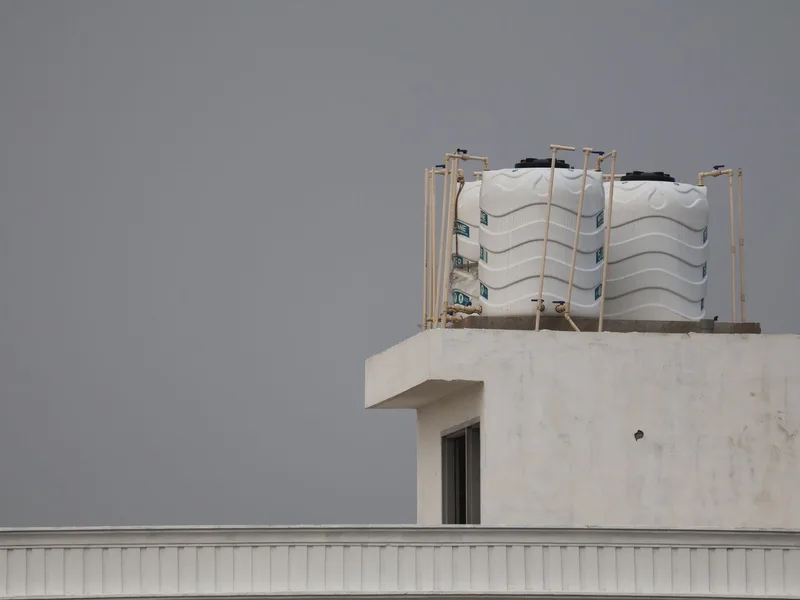
Around the roof tank
Persistent moisture in rock fissures and gaps between buildings supports year-round insect breeding.
How we work
-
1
Survey the roof and the facade
We walk the roof, the projections, the condenser platforms and the shafts, separate the nesting positions from the perching ones, and measure and photograph every ledge.
-
2
Strip the nests and treat the parasites
Droppings are wetted before they are lifted so nothing goes airborne dry, bagged closed, and the nest position is treated for ticks and mites before the surface is sanitised.
-
3
Close and fit
Netting tensioned on a perimeter wire with no gap at the corners, spikes or wire on the narrow projections, metal mesh across vents and shafts, and the roof drains freed of the nest material packing them.
-
4
The follow-up visit
We come back to check the tension, the corners and any position the flock has moved to, and correct what has slackened before a bird finds it.
What bird and pigeon control includes
-

A recorded survey
Every ledge, condenser platform and shaft, photographed, with nesting separated from perching before anything is chosen.
-

Nest removal and drain clearing
Lifted wet rather than swept dry, bagged closed, and the roof drains freed of the nest material packing them.
-

Parasite treatment and sanitising
The nest position treated for ticks and mites, then the surface the droppings sat on sanitised.
-

Sealing and fitting the deterrents
Netting tensioned on a perimeter wire, spikes or wire on narrow projections, and metal mesh across ventilation openings.
-

Aftercare instructions
The condensate water, food left on the roof, and what should not sit beside a ledge if the attraction is to stay gone.
-

A follow-up on tension and corners
Netting slackens and corners open over time; the visit corrects that and closes any new position.
What is different about Al Utaybiyah Sub-Municipality
Al Utaybiyah sub municipality covers the old districts north of the Grand Mosque: the hillside quarters of Al Hajun, Al Utaybiyah and Al Bayban, Al Zahir and Al Shuhada at the northern entrance, and the newer Al Zahra, Al Diyafah and An Nuzhah westward. Its building stock is among the oldest in Makkah, stone houses on the hills, packed apartment blocks and sewers decades old, threaded with crowded markets like the Utaybiyah souq and furnished flats that fill in the pilgrim seasons. Wadi Al Zahir and Wadi Al Tanim carry storm water through it, and industrial workshops line Hajj Street.
Questions about this district
How do we treat nests if buildings are disconnected and at wildly different heights?
We schedule separate visits to each building or tight cluster, removing nests from roofs, ledges and gaps between structures individually, then fit deterrents on the strategic points pigeons use to travel between them.
Will pigeons keep coming back from Hajj Street and the workshops?
Yes, as long as the workshops and markets exist and leave food, pigeons will continue to arrive to scavenge then return to roost. We recommend follow-up checks every three months to catch new nests early.
Can we treat the natural cavities in the rock itself?
Yes, we fit metal barriers over large cavity openings, but some small gaps may be hard to reach. We focus on the main sites where nesting is heaviest.
Do we need permission from multiple property owners across the neighbourhood?
Yes, if treatment spans several buildings and roofs, we coordinate with all owners. In some cases we may ask Al Utaybiyah municipality to facilitate access to abandoned or disputed properties.
What is the cost of routine follow-up checks and repeated treatment over time?
We design a maintenance plan based on problem severity, and regular visits cost far less than waiting until huge flocks build up again.
Can we fit deterrents on buildings that may be structurally unsafe?
We assess site safety before any installation and may recommend structural repairs first. We do not fit deterrents on buildings that pose a risk to our team.
How much does bird and pigeon control in Al Shuhada cost?
It is set after the inspection, because the price follows the type of infestation, the size of the space, how far it has spread and the number of visits it needs. Send a photo and a description on WhatsApp and we will give you an estimate before we reach Al Shuhada.
Nearby districts we cover
Other services in Al Shuhada
Other services we provide to residents of Al Shuhada.
-
 Residential
Cockroach control
Residential
Cockroach control
-
 Residential
Bed bug control
Residential
Bed bug control
-
 Residential
Termite control
Residential
Termite control
-
 Residential
Rodents and mice
Residential
Rodents and mice
-
 Residential
Mosquito control
Residential
Mosquito control
-
 Residential
Fly control
Residential
Fly control
-
 Residential
Ant control
Residential
Ant control
-
 Residential
Gecko control
Residential
Gecko control
-
 Residential
Scorpion control
Residential
Scorpion control
-
 Residential
Snake control
Residential
Snake control
-
 Residential
Flea control
Residential
Flea control
-
 Residential
Preventive treatment
Residential
Preventive treatment
-
 Residential
Disinfection
Residential
Disinfection
-
 Commercial
Annual contracts
Commercial
Annual contracts
-
 Commercial
Restaurants and cafes
Commercial
Restaurants and cafes
-
 Commercial
Hotels and apartments
Commercial
Hotels and apartments
-
 Commercial
Warehouses and factories
Commercial
Warehouses and factories
-
 Commercial
Schools and nurseries
Commercial
Schools and nurseries
-
 Commercial
Retail and malls
Commercial
Retail and malls
-
 Commercial
Rest houses and farms
Commercial
Rest houses and farms
-
 Commercial
Fumigation
Commercial
Fumigation
-
 Water tanks
Water tank cleaning
Water tanks
Water tank cleaning
-
 Water tanks
Water tank sterilization
Water tanks
Water tank sterilization
-
 Water tanks
Water tank sealing
Water tanks
Water tank sealing
-
 Water tanks
Tank leak repair
Water tanks
Tank leak repair
Need bird and pigeon control in Al Shuhada? Tell us what you saw and we will tell you what it needs
We reach Al Shuhada at a time we agree, and you get the full cost before we start.