
Bird and pigeon control in Al Tandabawi Makkah
Al Tandabawi is an old Makkan suburb within walking distance of the central zone and the Grand Mosque, with closely packed lanes and very narrow streets on an ancient street pattern. Building stock is mixed, from very old stone structures to recent additions, cafes and small hotels. Pigeons find shelter in the natural cracks and stone ledges, and restaurants and hotel kitchens provide regular food. Pilgrimage and Umrah seasons bring dense foot traffic and abundant waste.
-
Targeted, not broadcast
Product goes into cracks and runways, never sprayed across open surfaces.
-
Told before we start
What we will use, where it goes, and what to cover or move before we arrive.
-
A follow-up visit
We return after the first treatment, because what survives it does not show on the day.
-
Homes and businesses
Apartments and villas, and kitchens and stores that need a record of each visit.
Why they keep coming back in Al Tandabawi
The tightly compressed lanes, seasonal hotels and constantly changing residents create a mixed, unstable environment where pigeons find both shelter in old cracks and continuous food sources. The method is set out in full on what Bird and pigeon control involves.
Ancient lanes and natural stone fissures
The tightly packed lanes contain very old buildings with stone walls that have cracked and weathered over centuries. Every natural fissure in the masonry offers a safe nest site. The pigeon needs no modern air conditioning cavity; any ancient crack is sufficient.
Seasonal hotels and restaurants open day and night
Small hotels and restaurants operate continuously, especially during the Umrah and pilgrimage seasons. Dropped food and waste supply daily nutrition. Pigeons feed in the lanes and return to nests built into the old buildings above.
Proximity to the Grand Mosque and constant foot traffic
Closeness to the Grand Mosque means continuous movement throughout the year, peaking in pilgrimage season. Food and water sources are always available. Pigeons benefit from the crowding and the distraction it creates.
The character of Al Tandabawi
Historic district: close-set buildings, narrow lanes and ageing services
The old district and proximity to the Grand Mosque mean that pigeons find perpetually renewed food sources year-round. Seasonal hotels and restaurants provide constant waste, and ancient stone cracks offer natural shelter.
The building decides which deterrent works
An old Makkan suburb near the Grand Mosque between Al Shubaikah and the Al Hindawiyah shopping streets, with tightly packed lanes like Al Makwar and Harat Al Yaman keeping medieval street patterns, threaded with newer buildings, cafes and small hotels.
Ledge width
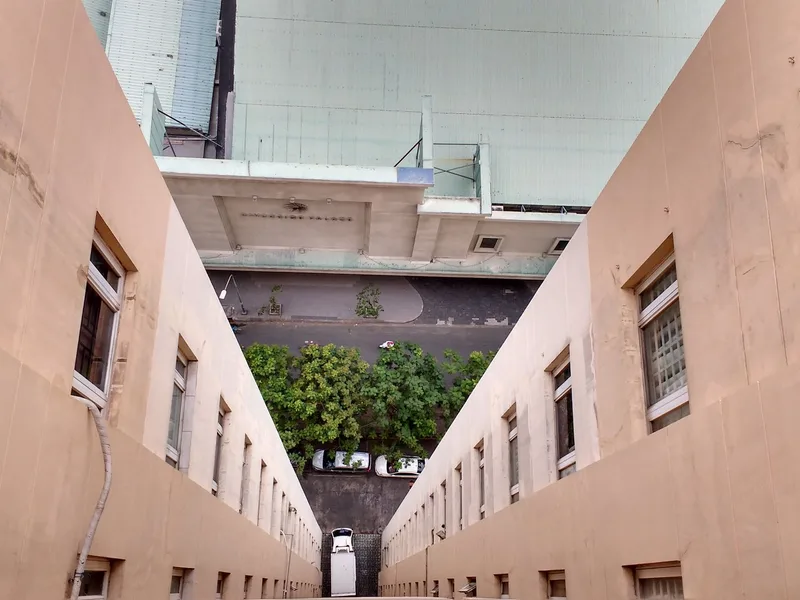
The ancient stone ledge contains natural gaps between weathered blocks, irregular and unpredictable.

Air conditioning platforms
Air conditioning units may not exist in the oldest lanes; only natural cavities in ancient stonework are present.
The nest itself
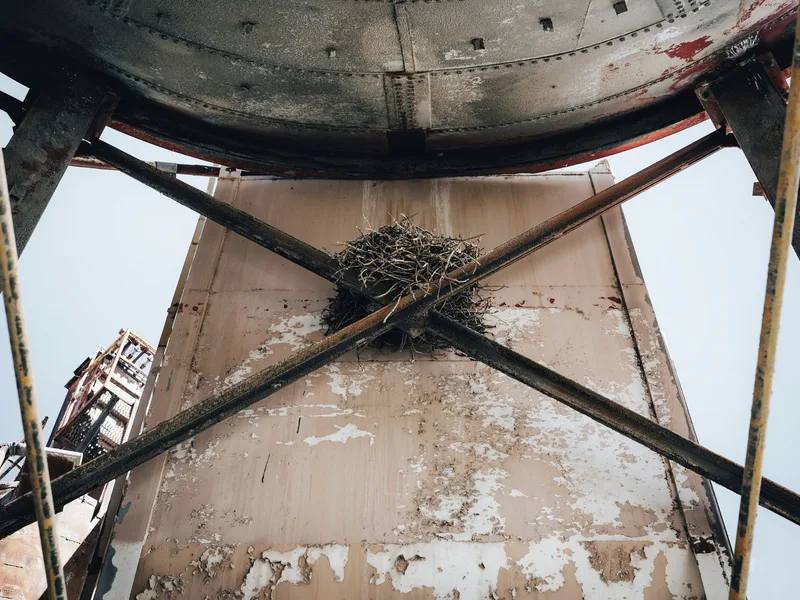
Pigeons build nests from broken stone fragments, mud and organic material available in the crevices.
The droppings pattern
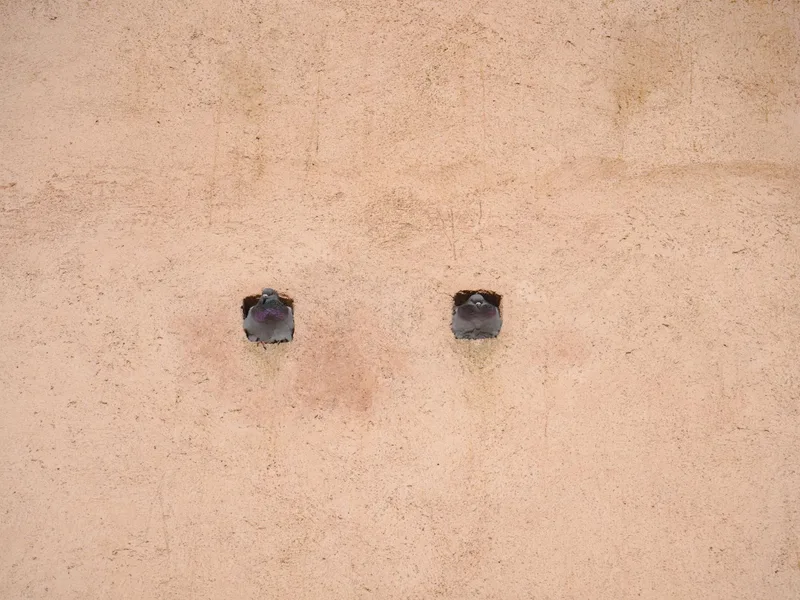
Waste from hotels and restaurants spills into the narrow lanes, creating mess and attracting parasites.
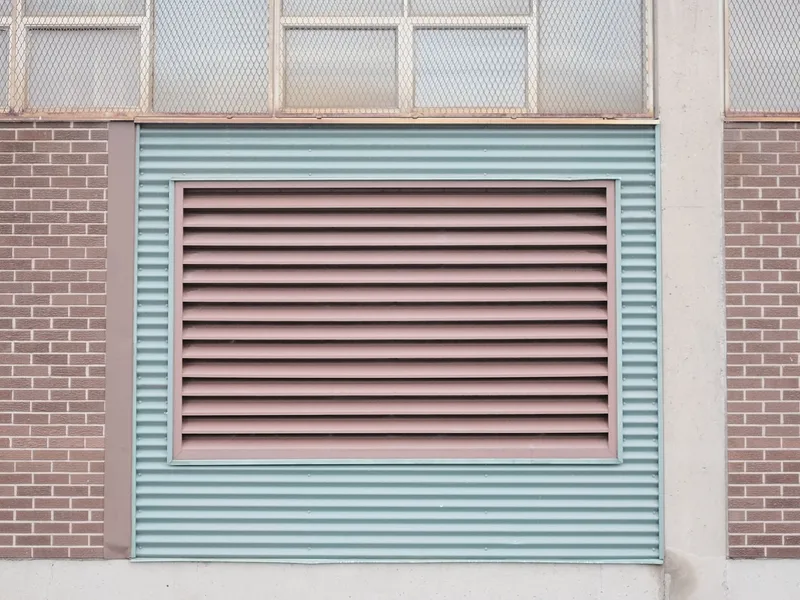
Openings and shafts
Old openings, broken window frames and natural stone fissures provide hidden access for birds entering buildings.
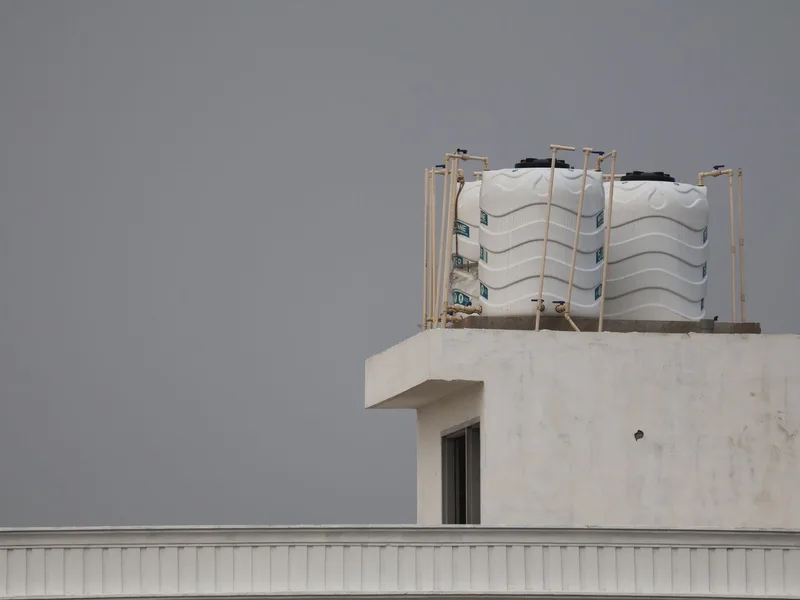
Around the roof tank
Low-lying roofs close together create bridges that allow the bird to move safely across many houses at once.
How we work
-
1
Survey the roof and the facade
We walk the roof, the projections, the condenser platforms and the shafts, separate the nesting positions from the perching ones, and measure and photograph every ledge.
-
2
Strip the nests and treat the parasites
Droppings are wetted before they are lifted so nothing goes airborne dry, bagged closed, and the nest position is treated for ticks and mites before the surface is sanitised.
-
3
Close and fit
Netting tensioned on a perimeter wire with no gap at the corners, spikes or wire on the narrow projections, metal mesh across vents and shafts, and the roof drains freed of the nest material packing them.
-
4
The follow-up visit
We come back to check the tension, the corners and any position the flock has moved to, and correct what has slackened before a bird finds it.
What bird and pigeon control includes
-

A recorded survey
Every ledge, condenser platform and shaft, photographed, with nesting separated from perching before anything is chosen.
-

Nest removal and drain clearing
Lifted wet rather than swept dry, bagged closed, and the roof drains freed of the nest material packing them.
-

Parasite treatment and sanitising
The nest position treated for ticks and mites, then the surface the droppings sat on sanitised.
-

Sealing and fitting the deterrents
Netting tensioned on a perimeter wire, spikes or wire on narrow projections, and metal mesh across ventilation openings.
-

Aftercare instructions
The condensate water, food left on the roof, and what should not sit beside a ledge if the attraction is to stay gone.
-

A follow-up on tension and corners
Netting slackens and corners open over time; the visit corrects that and closes any new position.
What is different about Ajyad Sub-Municipality
Ajyad sub municipality takes in the districts that press against the Grand Mosque from the south and west: Ajyad, Al Hajlah, Al Shubaikah, Al Tandabawi and Al Mansour. Hotels and rented apartment blocks for Umrah visitors stack up along Ajyad Street and Ibrahim Al Khalil Street, with kitchens and restaurants running aday and night in season. Behind them, Al Shubaikah and Al Tandabawi keep narrow old lanes on hillside ground where buildings and drains are ageing, and demolition and construction sites are a constant presence around Jabal Omar and the central zone.
Questions about this district
Does the Hajj and Umrah season make the pigeon problem much worse or is it constant throughout the year?
Pilgrimage seasons significantly worsen the problem. Restaurants and hotels provide far more food waste and the heavy foot traffic creates chaos and cover for the birds.
The small hotel beneath our flat throws food and scraps into the narrow lane. Does this really affect us?
Yes, absolutely. The hotel supplies daily food. The pigeon sleeps in the flat above the hotel and eats below it. Co-ordination with the hotel management on waste handling is essential.
There is a very old house in the lane with no air conditioning. Does the pigeon nest there more readily than in newer buildings?
Yes. The old house without modern cooling and full of natural cracks provides ideal nesting conditions. Weathered stone offers better shelter than any modern building.
Can we seal the cracks in old stone without damaging the historic building?
Cracks are too numerous and sealing them all could damage the ancient structure. Focus instead on the major ledges and primary roosting sites rather than every fissure.
Tourists feed pigeons on Al Mansour Street. Does this draw birds into the lanes?
Yes. Tourists feeding the birds establishes and maintains the pigeon population. Food from both tourists and hotel kitchens means the birds remain in the district.
Does the constant seasonal turnover of hotel residents affect how the pigeon problem develops?
Yes, significantly. Constant movement creates disorder and irregular maintenance. The pigeon benefits from gaps and cavities that no one monitors.
How much does bird and pigeon control in Al Tandabawi cost?
It is set after the inspection, because the price follows the type of infestation, the size of the space, how far it has spread and the number of visits it needs. Send a photo and a description on WhatsApp and we will give you an estimate before we reach Al Tandabawi.
Nearby districts we cover
Other services in Al Tandabawi
Other services we provide to residents of Al Tandabawi.
-
 Residential
Cockroach control
Residential
Cockroach control
-
 Residential
Bed bug control
Residential
Bed bug control
-
 Residential
Termite control
Residential
Termite control
-
 Residential
Rodents and mice
Residential
Rodents and mice
-
 Residential
Mosquito control
Residential
Mosquito control
-
 Residential
Fly control
Residential
Fly control
-
 Residential
Ant control
Residential
Ant control
-
 Residential
Gecko control
Residential
Gecko control
-
 Residential
Scorpion control
Residential
Scorpion control
-
 Residential
Snake control
Residential
Snake control
-
 Residential
Flea control
Residential
Flea control
-
 Residential
Preventive treatment
Residential
Preventive treatment
-
 Residential
Disinfection
Residential
Disinfection
-
 Commercial
Annual contracts
Commercial
Annual contracts
-
 Commercial
Restaurants and cafes
Commercial
Restaurants and cafes
-
 Commercial
Hotels and apartments
Commercial
Hotels and apartments
-
 Commercial
Warehouses and factories
Commercial
Warehouses and factories
-
 Commercial
Schools and nurseries
Commercial
Schools and nurseries
-
 Commercial
Retail and malls
Commercial
Retail and malls
-
 Commercial
Rest houses and farms
Commercial
Rest houses and farms
-
 Commercial
Fumigation
Commercial
Fumigation
-
 Water tanks
Water tank cleaning
Water tanks
Water tank cleaning
-
 Water tanks
Water tank sterilization
Water tanks
Water tank sterilization
-
 Water tanks
Water tank sealing
Water tanks
Water tank sealing
-
 Water tanks
Tank leak repair
Water tanks
Tank leak repair
Need bird and pigeon control in Al Tandabawi? Tell us what you saw and we will tell you what it needs
We reach Al Tandabawi at a time we agree, and you get the full cost before we start.