
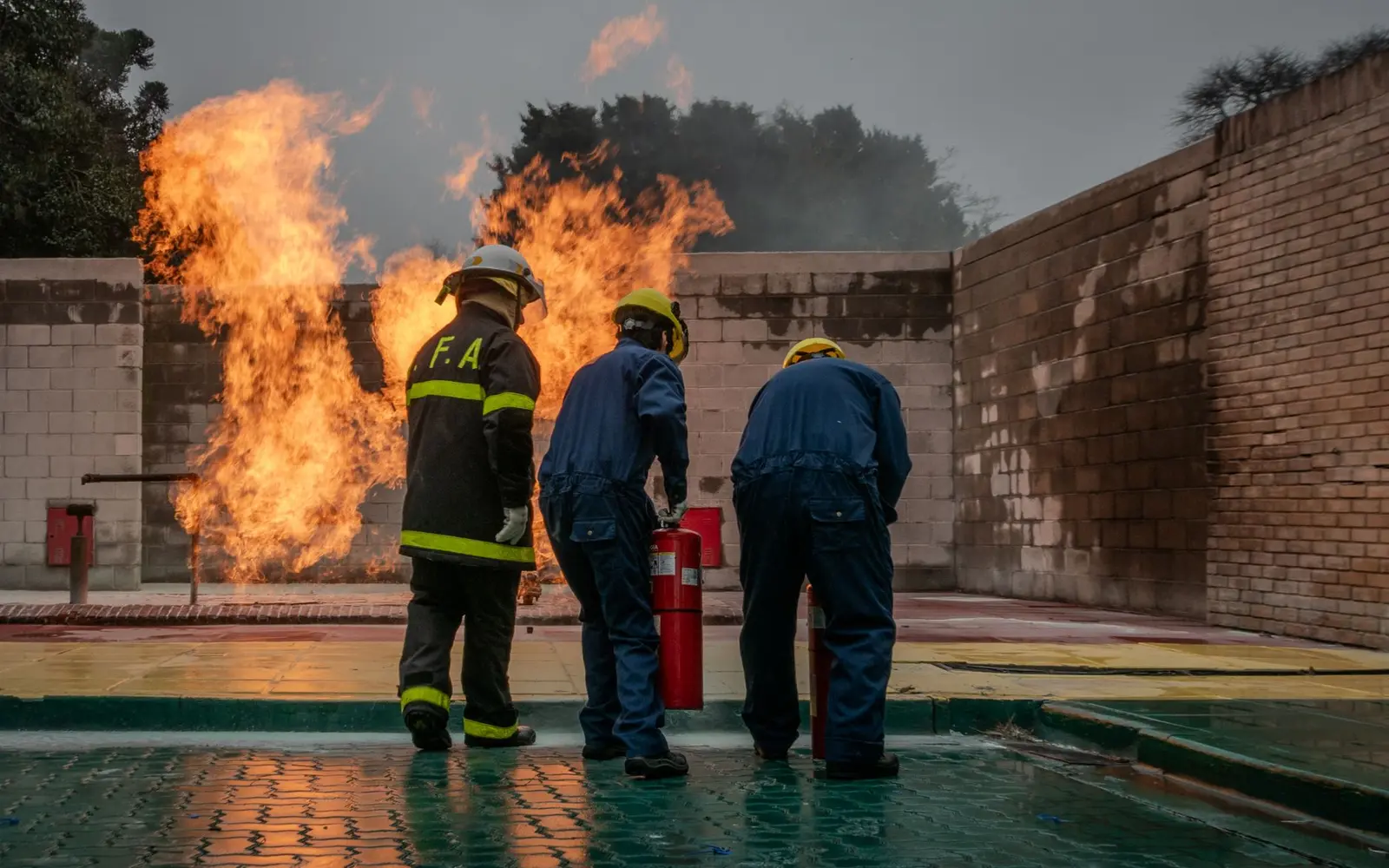
Bird and pigeon control in Harat Al Zanabiqah Jeddah
Harat Al Zanabiqah is a coastal quarter on Thuwal's northern edge where houses meet the King Abdullah University campus fence and the beach directly. Year-round high humidity and salt air draw pigeons to the homes in search of fresh water, and exposed roofs and windows close to the sea make the solution harder because materials corrode much faster than inland.
-
Targeted, not broadcast
Product goes into cracks and runways, never sprayed across open surfaces.
-
Told before we start
What we will use, where it goes, and what to cover or move before we arrive.
-
A follow-up visit
We return after the first treatment, because what survives it does not show on the day.
-
Homes and businesses
Apartments and villas, and kitchens and stores that need a record of each visit.
Why they keep coming back in Harat Al Zanabiqah
Metal deterrents in Al Zanabiqah corrode faster than anywhere else in Jeddah, and maintenance often requires repainting or replacement almost every season rather than lasting several years. The method is set out in full on Bird and pigeon control in detail.
Salt air and humidity accelerate barrier corrosion
Salt air in Al Zanabiqah rusts metal extraordinarily quickly, and iron or ordinary steel barriers need specialist salt-resistant paint and maintenance every few months. Solutions require more expensive imported materials and continuous upkeep rather than a single treatment.
Winter rains and flash floods scour nests and barriers alike
Thuwal sits on a winter water run-off route, and heavy rain flows forcefully down narrow streets and across roofs. Nests wash away rapidly but deterrents can also be damaged by flood pressure if not anchored powerfully enough.
Pigeons are drawn to fresh water from rain and irrigation
Harat Al Zanabiqah has no permanent water source, so pigeons arrive at homes seeking water after rain and irrigation cycles. This means new flocks migrate from nearby quarters and from Gulf islands every rainy season.
The character of Harat Al Zanabiqah
Coastal area: high humidity and salt air through the year
Coastal location means pigeons arrive from the sea and nearby islands searching for fresh water and shelter from wind. These homes are not a passing target but a permanent station for sea pigeons, so the solution must be robust and maintained continuously throughout the year.
The building decides which deterrent works
Homes in Harat Al Zanabiqah stand very close to the beach and the university, with salt air and high humidity persisting throughout the year. Winter rains drain down narrow streets directly towards the sea.
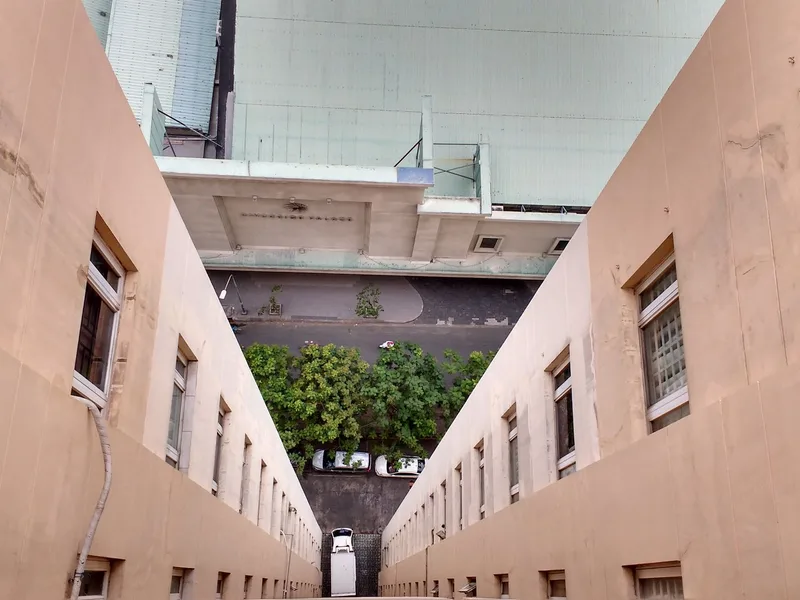
Ledge width
Ledges in Harat Al Zanabiqah face the sea and endure salt air and moisture continuously, so barriers require specialist salt-resistant paint and surface treatment applied regularly to resist corrosion and rust.

Air conditioning platforms
Air conditioning units on roofs are also exposed to salt and humidity, their pipework corrodes fast, and pigeons shelter behind damaged units and corroded pipes that no longer hold their shape.
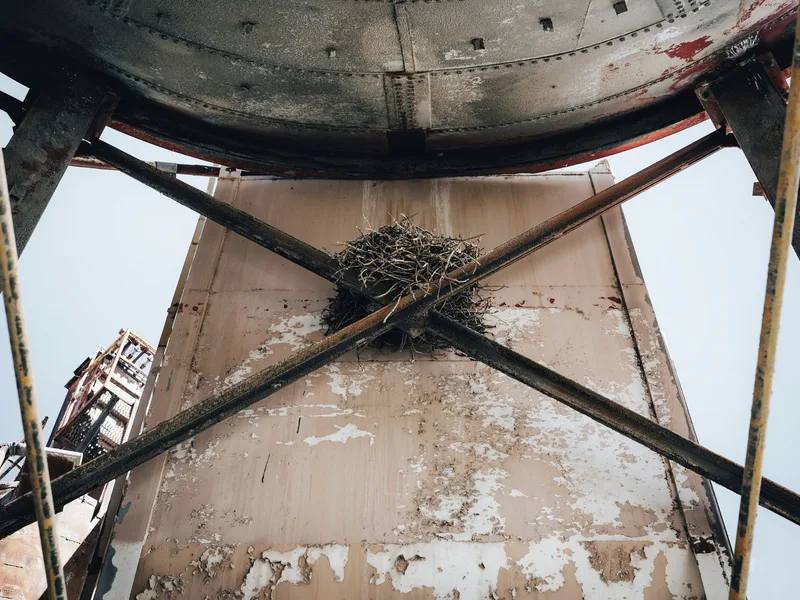
The nest itself
Nests in Al Zanabiqah face winter rains and flash floods, and organic nest material decays rapidly, but pigeons rebuild in the same spot immediately afterwards despite exposure.
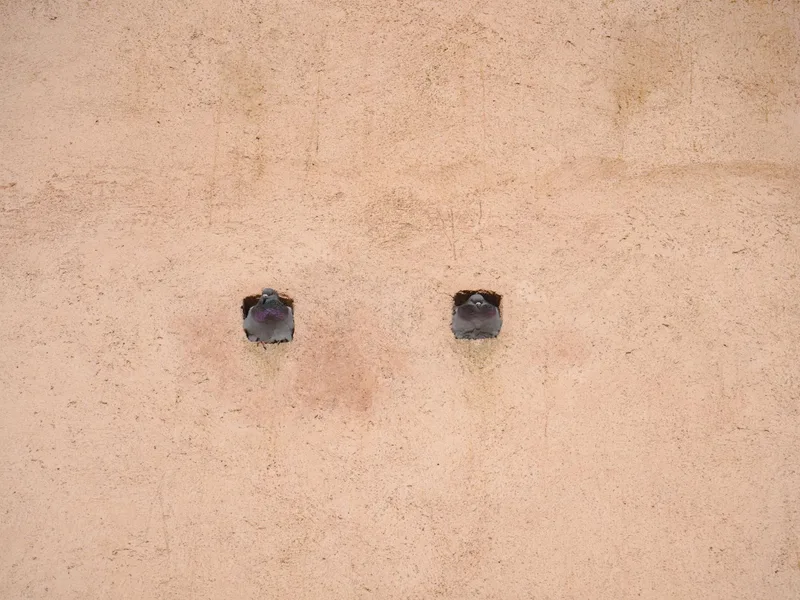
The droppings pattern
Droppings wash towards the sea during winter floods but accumulate on ledges and windows first, and high humidity makes the smell worse and attracts more insects before drainage clears them.
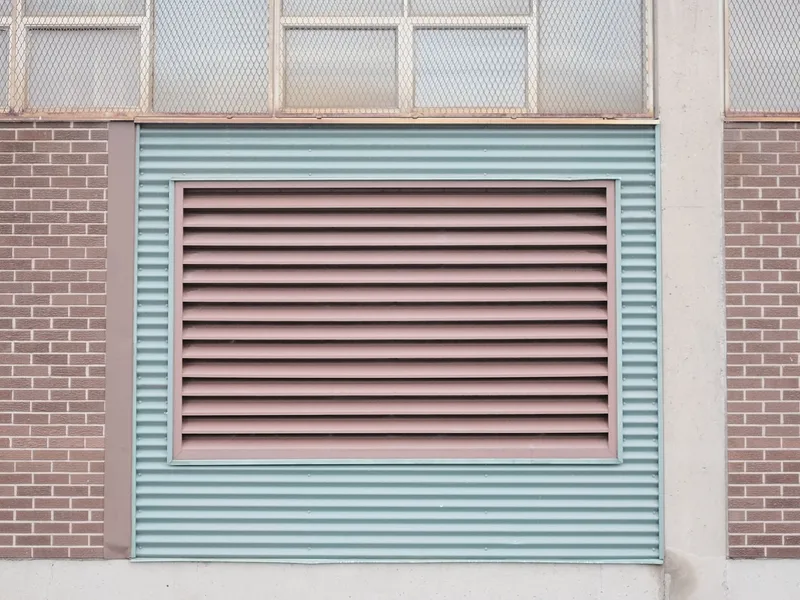
Openings and shafts
Openings and roof vents in older houses are numerous and large, sea winds drive pigeons towards them, and windows often stand open to draw fresh air and reduce indoor humidity.
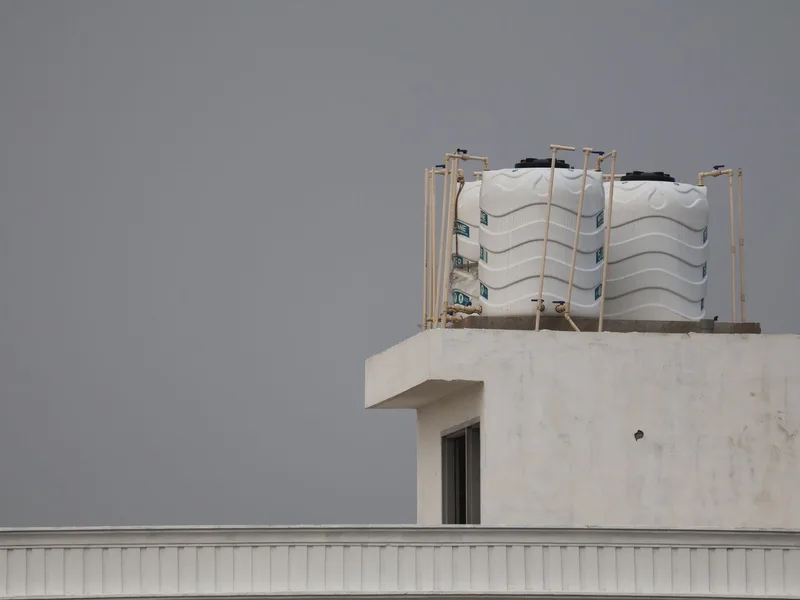
Around the roof tank
The water tank on the roof sits ringed by low ledges that suffer salt corrosion, and pigeons perch around the tank throughout the year seeking fresh water.
How we work
-
1
Survey the roof and the facade
We walk the roof, the projections, the condenser platforms and the shafts, separate the nesting positions from the perching ones, and measure and photograph every ledge.
-
2
Strip the nests and treat the parasites
Droppings are wetted before they are lifted so nothing goes airborne dry, bagged closed, and the nest position is treated for ticks and mites before the surface is sanitised.
-
3
Close and fit
Netting tensioned on a perimeter wire with no gap at the corners, spikes or wire on the narrow projections, metal mesh across vents and shafts, and the roof drains freed of the nest material packing them.
-
4
The follow-up visit
We come back to check the tension, the corners and any position the flock has moved to, and correct what has slackened before a bird finds it.
What bird and pigeon control includes
-

A recorded survey
Every ledge, condenser platform and shaft, photographed, with nesting separated from perching before anything is chosen.
-

Nest removal and drain clearing
Lifted wet rather than swept dry, bagged closed, and the roof drains freed of the nest material packing them.
-

Parasite treatment and sanitising
The nest position treated for ticks and mites, then the surface the droppings sat on sanitised.
-

Sealing and fitting the deterrents
Netting tensioned on a perimeter wire, spikes or wire on narrow projections, and metal mesh across ventilation openings.
-

Aftercare instructions
The condensate water, food left on the roof, and what should not sit beside a ledge if the attraction is to stay gone.
-

A follow-up on tension and corners
Netting slackens and corners open over time; the visit corrects that and closes any new position.
Landmarks of Harat Al Zanabiqah
Work in Harat Al Zanabiqah is coordinated with the quarter's position between King Abdullah University of Science and Technology and Thuwal Corniche. We begin with homes closest to the university campus and work towards the shoreline and corniche where pigeon pressure is greatest.
- King Abdullah University of Science and Technology
- Thuwal Corniche
- Al Shati Mosque
Questions about this district
Does salt and humidity corrode mesh and spikes much faster here than elsewhere?
Yes, salt and humidity in Al Zanabiqah rust metal at exceptional speed, so ordinary materials need repainting every three months. We use materials specifically formulated for salt and moisture resistance, with specialist surface treatments.
Winter rain runs powerfully down the street; will it damage fitted barriers?
Flood pressure damages weak barriers, but we anchor mesh and deterrents to withstand water force. We test anchoring rigorously and use fasteners and rings of brass or stainless steel rather than iron.
The King Abdullah University campus is next door; does it attract or repel pigeons?
The campus has landscaping, pathways and water features, but pigeons living there rarely move to Harat Al Zanabiqah. The problem arrives from flocks on the shoreline and offshore islands, not from the university.
Thuwal Corniche has many pigeons; will they return to the homes after treatment?
Yes, the corniche and beach edge hold substantial pigeon populations. After treating the homes, pigeons may return from the corniche, but your house will be protected and the birds will find no safe nesting place.
Pigeons perch on the ledge and the window is very close; can they enter the flat?
Yes, if the window stands open or its vents are large, pigeons may enter seeking fresh water from a tap or toilet. We prioritise securing windows near ledges and all large openings.
The house is old and stone may not hold heavy fasteners; is there a lightweight option?
We test the masonry first. If weak, we use lightweight suspended mesh on cables or covers rather than heavy bolts, or we fasten to existing frames instead of drilling into the wall itself.
How much does bird and pigeon control in Harat Al Zanabiqah cost?
It is set after the inspection, because the price follows the type of infestation, the size of the space, how far it has spread and the number of visits it needs. Send a photo and a description on WhatsApp and we will give you an estimate before we reach Harat Al Zanabiqah.
Nearby districts we cover
Other services in Harat Al Zanabiqah
Other services we provide to residents of Harat Al Zanabiqah.
-
 Residential
Cockroach control
Residential
Cockroach control
-
 Residential
Bed bug control
Residential
Bed bug control
-
 Residential
Termite control
Residential
Termite control
-
 Residential
Rodents and mice
Residential
Rodents and mice
-
 Residential
Mosquito control
Residential
Mosquito control
-
 Residential
Fly control
Residential
Fly control
-
 Residential
Ant control
Residential
Ant control
-
 Residential
Gecko control
Residential
Gecko control
-
 Residential
Scorpion control
Residential
Scorpion control
-
 Residential
Snake control
Residential
Snake control
-
 Residential
Flea control
Residential
Flea control
-
 Residential
Preventive treatment
Residential
Preventive treatment
-
 Residential
Disinfection
Residential
Disinfection
-
 Commercial
Annual contracts
Commercial
Annual contracts
-
 Commercial
Restaurants and cafes
Commercial
Restaurants and cafes
-
 Commercial
Hotels and apartments
Commercial
Hotels and apartments
-
 Commercial
Warehouses and factories
Commercial
Warehouses and factories
-
 Commercial
Schools and nurseries
Commercial
Schools and nurseries
-
 Commercial
Retail and malls
Commercial
Retail and malls
-
 Commercial
Rest houses and farms
Commercial
Rest houses and farms
-
 Commercial
Fumigation
Commercial
Fumigation
-
 Water tanks
Water tank cleaning
Water tanks
Water tank cleaning
-
 Water tanks
Water tank sterilization
Water tanks
Water tank sterilization
-
 Water tanks
Water tank sealing
Water tanks
Water tank sealing
-
 Water tanks
Tank leak repair
Water tanks
Tank leak repair
Need bird and pigeon control in Harat Al Zanabiqah? Tell us what you saw and we will tell you what it needs
We reach Harat Al Zanabiqah at a time we agree, and you get the full cost before we start.