
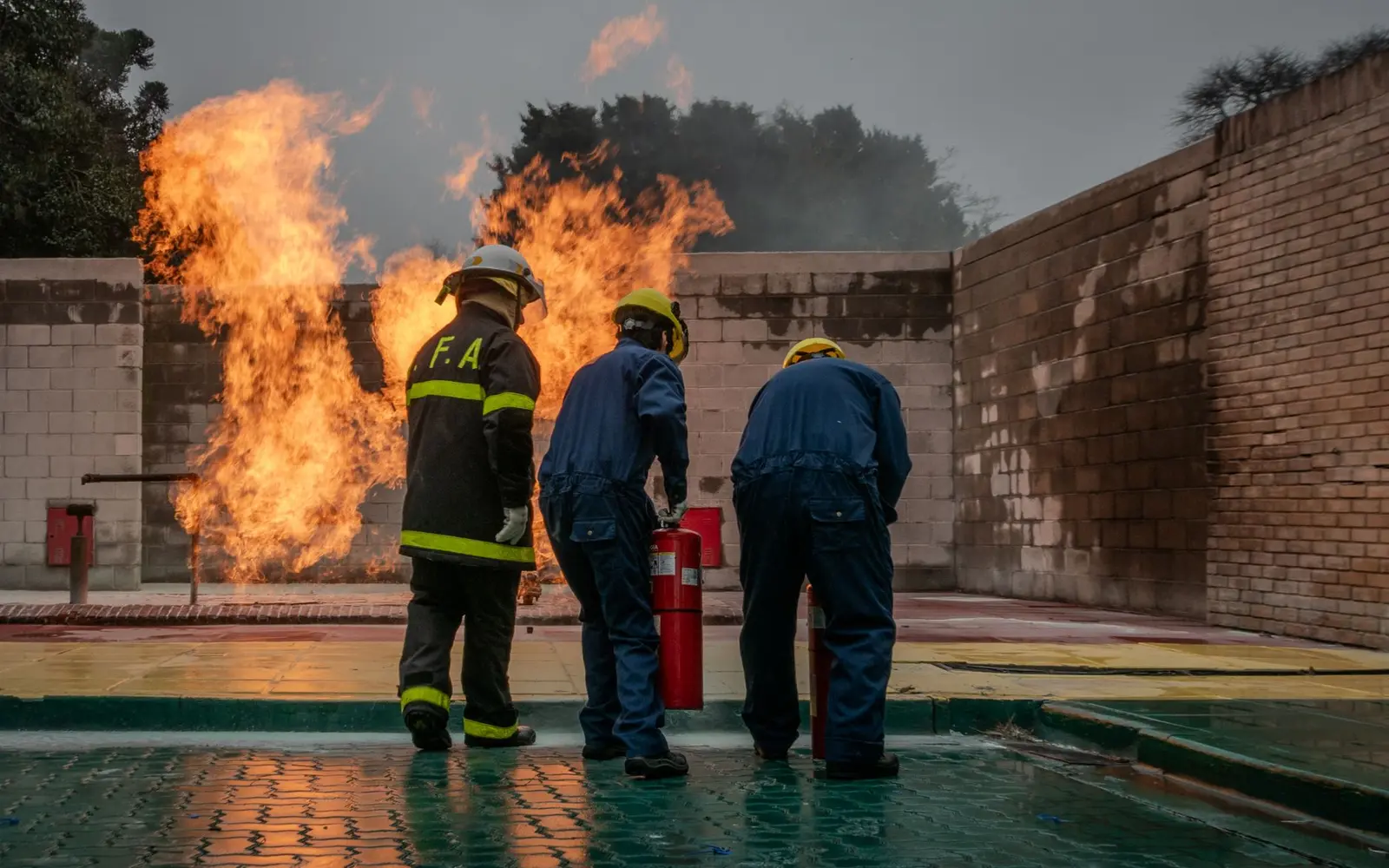
Bird and pigeon control in Maqam Makkah
Maqam is a recent northern extension of Al Sharai between the Al Shifa hills and Al Usaylah, with new residential schemes, apartment buildings and villas. The Haram boundary marker on King Faisal Road marks its southern edge. Pigeons arrive from the surrounding hills and wadis and move to the new ledges, seeking high vantage points from which to scout for food sources and nesting sites.
-
Targeted, not broadcast
Product goes into cracks and runways, never sprayed across open surfaces.
-
Told before we start
What we will use, where it goes, and what to cover or move before we arrive.
-
A follow-up visit
We return after the first treatment, because what survives it does not show on the day.
-
Homes and businesses
Apartments and villas, and kitchens and stores that need a record of each visit.
Why they keep coming back in Maqam
Pigeons in Maqam arrive more from the hills and surrounding wadis than from densely occupied areas. Birds use the elevated new buildings as observation and staging points. The method is set out in full on how we approach Bird and pigeon control.
Elevated Al Shifa hills and surrounding wadis
The Al Shifa hills provide natural shelter and food, and pigeons may descend from the hills to the new ledges in Maqam seeking higher vantage points for surveillance and territory surveying.
Maqam newly elevated and high ledges
Maqam's ledges sit relatively high and distances to surrounding buildings are wide, making them attractive surveillance points for pigeons arriving from the hills to assess the wider area.
The Haram marker and busy King Faisal Road
King Faisal Road is congested and pigeons may arrive from vacant ground beside the road. Pigeons move freely between Maqam and Al Sharai, using the road corridor as a transit zone.
Maqam on the map
Maqam sits about 3 km from Yamamah and about 3.5 km from Badr.
Open in Google MapsThe building decides which deterrent works
A new residential district on higher ground near the Al Shifa hills, recently renamed schemes, emerging mosques and services, with vacant plots climbing towards the hills.
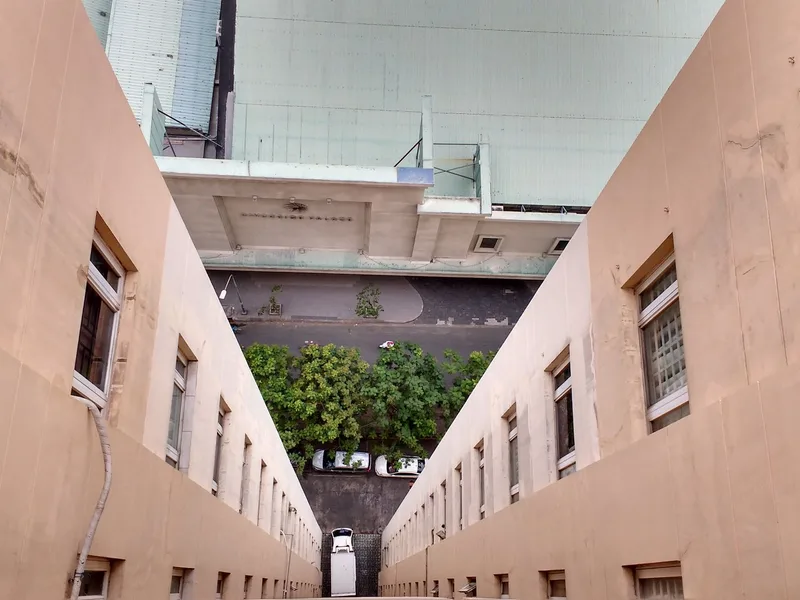
Ledge width
Maqam ledges are new metal at height, straight edged, and deterrent fitting is straightforward on new metalwork.
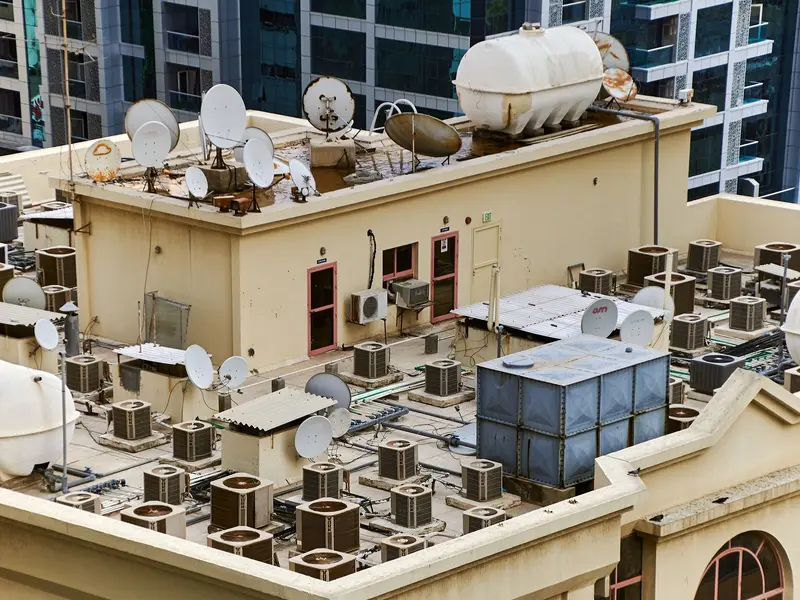
Air conditioning platforms
Modern apartments and villas in Maqam have air units positioned by design with calculated clearances.
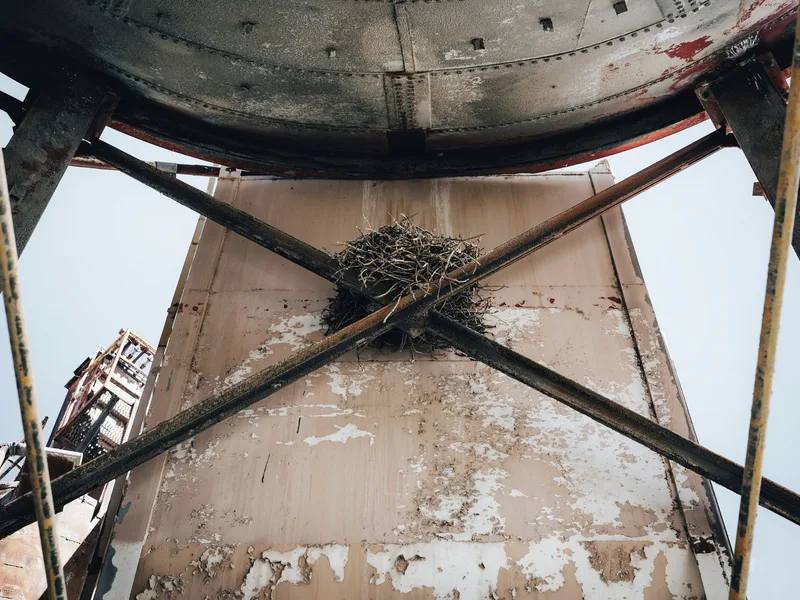
The nest itself
Nests in new Maqam buildings are simple because settlement is recent. Cleaning requires less labour.
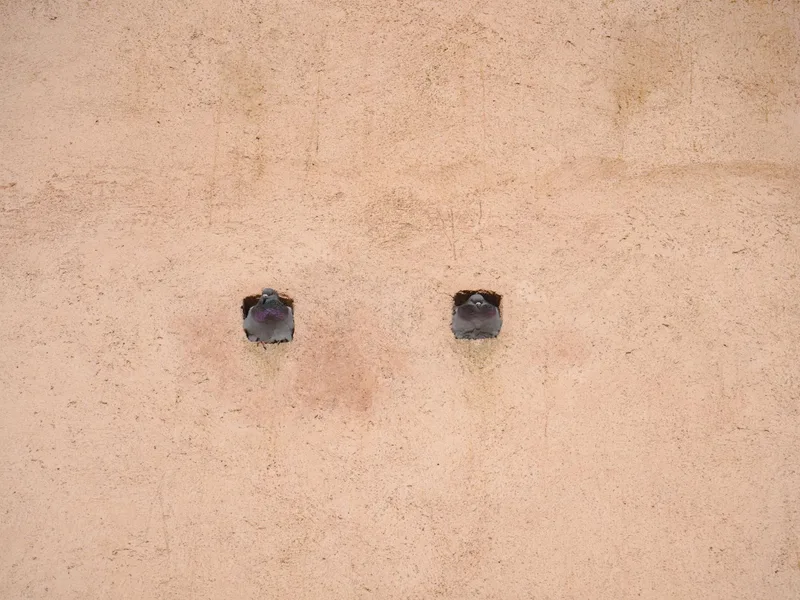
The droppings pattern
Droppings are sparse in new empty buildings and increase once occupation begins.
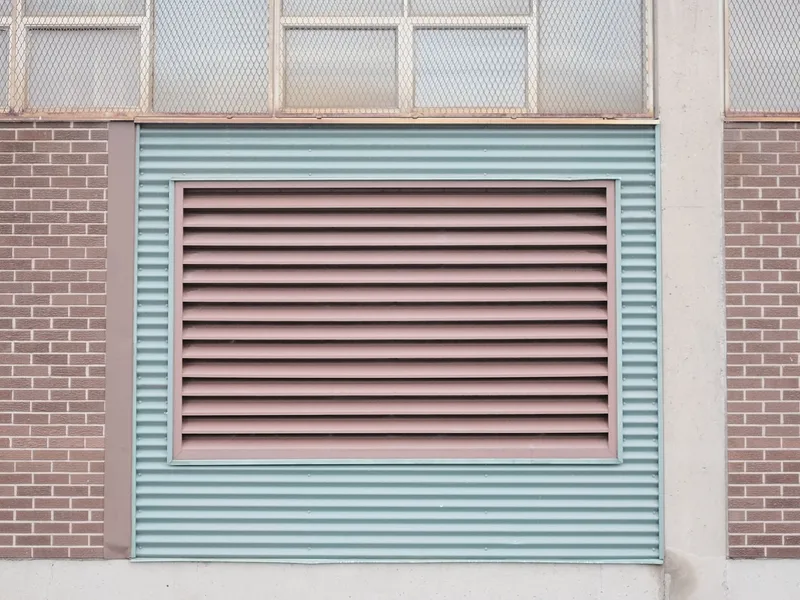
Openings and shafts
Modern design limits openings. Pigeons focus on ledges and air units as access points.
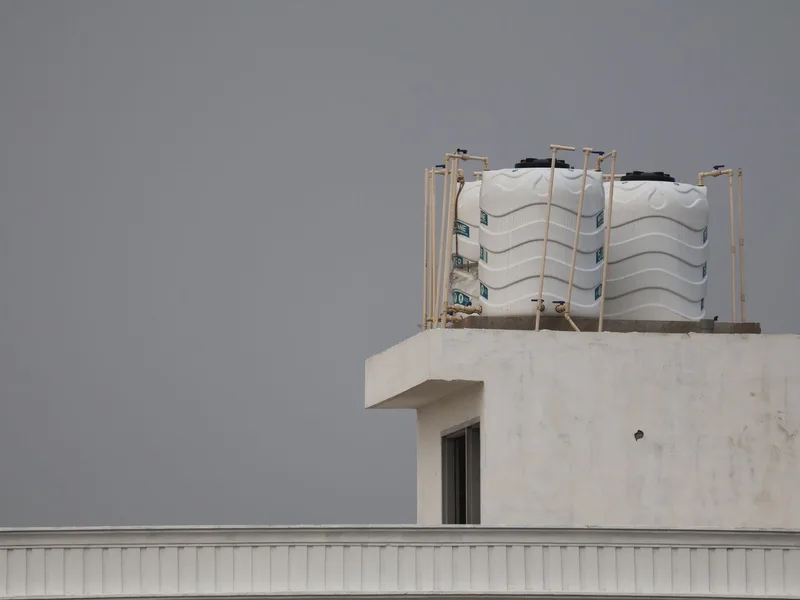
Around the roof tank
The roof tank in Maqam sits within protective walls or at elevation. Direct access is difficult but perching on the rim edge remains common.
How we work
-
1
Survey the roof and the facade
We walk the roof, the projections, the condenser platforms and the shafts, separate the nesting positions from the perching ones, and measure and photograph every ledge.
-
2
Strip the nests and treat the parasites
Droppings are wetted before they are lifted so nothing goes airborne dry, bagged closed, and the nest position is treated for ticks and mites before the surface is sanitised.
-
3
Close and fit
Netting tensioned on a perimeter wire with no gap at the corners, spikes or wire on the narrow projections, metal mesh across vents and shafts, and the roof drains freed of the nest material packing them.
-
4
The follow-up visit
We come back to check the tension, the corners and any position the flock has moved to, and correct what has slackened before a bird finds it.
What bird and pigeon control includes
-

A recorded survey
Every ledge, condenser platform and shaft, photographed, with nesting separated from perching before anything is chosen.
-

Nest removal and drain clearing
Lifted wet rather than swept dry, bagged closed, and the roof drains freed of the nest material packing them.
-

Parasite treatment and sanitising
The nest position treated for ticks and mites, then the surface the droppings sat on sanitised.
-

Sealing and fitting the deterrents
Netting tensioned on a perimeter wire, spikes or wire on narrow projections, and metal mesh across ventilation openings.
-

Aftercare instructions
The condensate water, food left on the roof, and what should not sit beside a ledge if the attraction is to stay gone.
-

A follow-up on tension and corners
Netting slackens and corners open over time; the visit corrects that and closes any new position.
What is different about Al Sharai Sub-Municipality
Al Sharai is the eastern growth front of Makkah along King Faisal Road and the Taif road. Settled quarters sit beside recently renamed schemes where plots are still vacant and buildings are going up, so construction sites, fill and open excavations lie next to occupied homes. Wadi channels such as Wadi Mudarraja, Wadi Al Sharai and Wadi Al Mughammas carry flash floods after rain and dry out to damp silt, while dust blows off the open hills. Roadside shops, restaurants and warehouses line the Taif road, and to the east the area shades into villages, palm farms and springs.
Questions about this district
The Al Shifa hills are close to Maqam; do pigeons come straight down from the hills?
Hills provide shelter for wild birds more than pigeons. Pigeons may descend to high ledges in Maqam for vantage points, but deterrents stop them landing.
Maqam sits higher than neighbouring Al Sharai; do pigeons move from Al Sharai up to Maqam?
Higher ledges in Maqam may attract pigeons from Al Sharai below. Fitted deterrents still prevent arrival regardless of where birds originate.
Large vacant plots surround Maqam; does stored food in the open spaces attract pigeons?
Vacant ground may provide wild seeds and vegetation, but pigeons move from other sources to building ledges seeking nesting sites.
The Haram boundary marker sits on the road; does it affect pigeon movement?
The boundary marker does not influence pigeons. Birds move freely across administrative boundaries.
Maqam is new and occupied Al Sharai is beside it; should we treat both together?
Maqam and Al Sharai need separate treatment plans, but coordination between owners helps reduce overall pressure on both areas.
The district is high and the air is cool and dry from the hills; does this affect pigeons?
Pigeons tolerate varied temperatures. Cool air from the hills does not deter them but may reduce activity seasonally.
How much does bird and pigeon control in Maqam cost?
It is set after the inspection, because the price follows the type of infestation, the size of the space, how far it has spread and the number of visits it needs. Send a photo and a description on WhatsApp and we will give you an estimate before we reach Maqam.
Other services in Maqam
Other services we provide to residents of Maqam.
-
 Residential
Cockroach control
Residential
Cockroach control
-
 Residential
Bed bug control
Residential
Bed bug control
-
 Residential
Termite control
Residential
Termite control
-
 Residential
Rodents and mice
Residential
Rodents and mice
-
 Residential
Mosquito control
Residential
Mosquito control
-
 Residential
Fly control
Residential
Fly control
-
 Residential
Ant control
Residential
Ant control
-
 Residential
Gecko control
Residential
Gecko control
-
 Residential
Scorpion control
Residential
Scorpion control
-
 Residential
Snake control
Residential
Snake control
-
 Residential
Flea control
Residential
Flea control
-
 Residential
Preventive treatment
Residential
Preventive treatment
-
 Residential
Disinfection
Residential
Disinfection
-
 Commercial
Annual contracts
Commercial
Annual contracts
-
 Commercial
Restaurants and cafes
Commercial
Restaurants and cafes
-
 Commercial
Hotels and apartments
Commercial
Hotels and apartments
-
 Commercial
Warehouses and factories
Commercial
Warehouses and factories
-
 Commercial
Schools and nurseries
Commercial
Schools and nurseries
-
 Commercial
Retail and malls
Commercial
Retail and malls
-
 Commercial
Rest houses and farms
Commercial
Rest houses and farms
-
 Commercial
Fumigation
Commercial
Fumigation
-
 Water tanks
Water tank cleaning
Water tanks
Water tank cleaning
-
 Water tanks
Water tank sterilization
Water tanks
Water tank sterilization
-
 Water tanks
Water tank sealing
Water tanks
Water tank sealing
-
 Water tanks
Tank leak repair
Water tanks
Tank leak repair
Need bird and pigeon control in Maqam? Tell us what you saw and we will tell you what it needs
We reach Maqam at a time we agree, and you get the full cost before we start.