
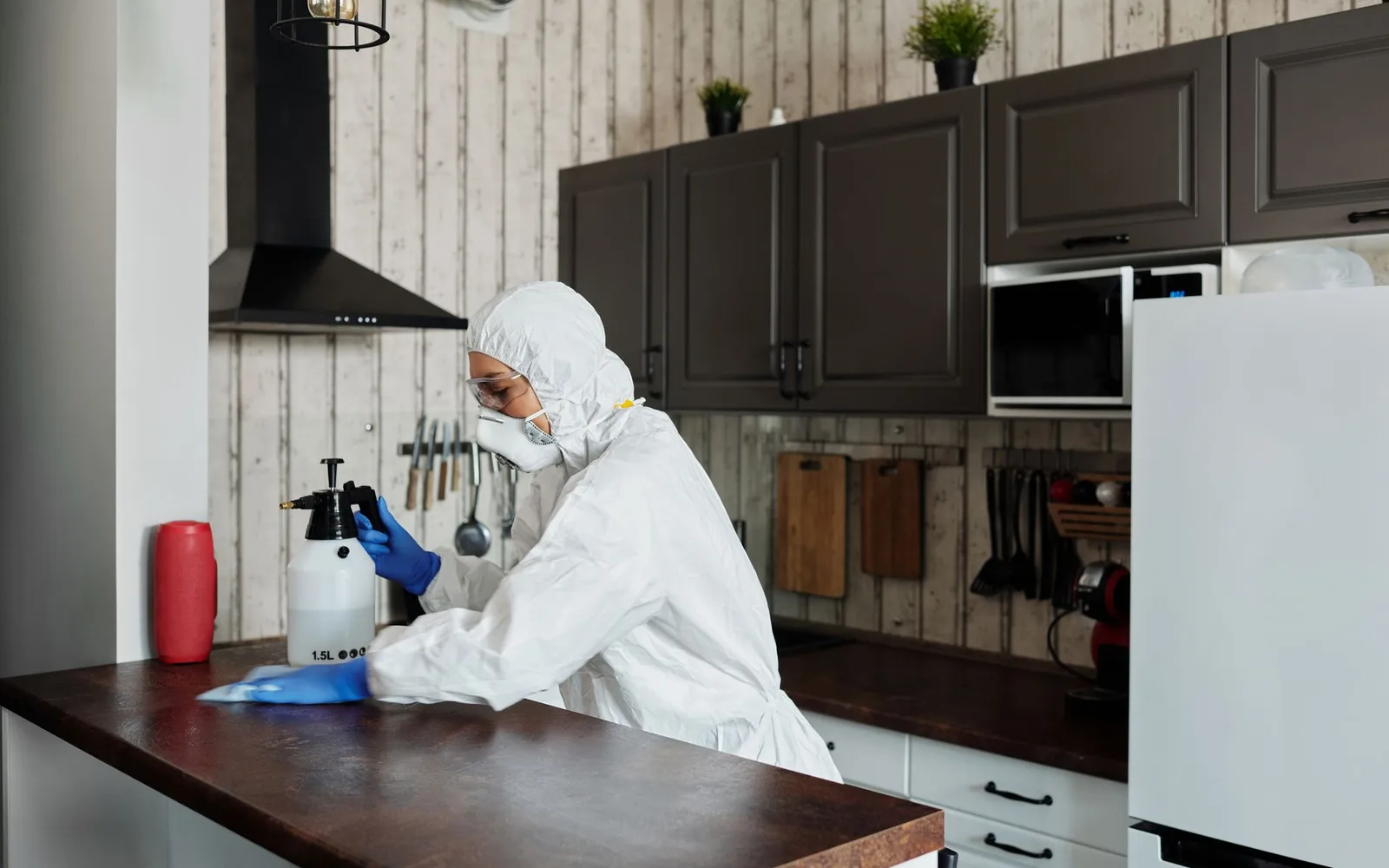
Disinfection in Al Abidiyah Makkah
Al Abidiyah is a new district on the Taif road south east of the city, home to the modern main campus of Umm Al Qura University overlooking the Arafat plain, colleges, student housing, expanded gardens and Wadi Uranah cutting through open ground. Ongoing building, exposed land and the valley create a completely different contamination environment from a finished residential area.
-
Targeted, not broadcast
Product goes into cracks and runways, never sprayed across open surfaces.
-
Told before we start
What we will use, where it goes, and what to cover or move before we arrive.
-
A follow-up visit
We return after the first treatment, because what survives it does not show on the day.
-
Homes and businesses
Apartments and villas, and kitchens and stores that need a record of each visit.
Why they keep coming back in Al Abidiyah
New student buildings and residential blocks in the district experience periodic dust from active construction and the surrounding vacant land, which is not contained to the immediate site. The method is set out in full on Disinfection in detail.
Vacant land and open building sites attract rodents and insects in numbers
Wide exposed areas and open construction work around the district provide shelter and food sources for rodents and insects. These pests enter new buildings through gaps and incomplete joints before outer walls and fencing are finished. Disinfection alone does not address this unless the site perimeter is secured and external openings are sealed. New construction creates easy pathways insects exploit.
Wadis and standing water leave high humidity and bacterial contamination
Wadi Uranah and Wadi Numan run through the district and hold water after rain, raising humidity around adjacent buildings and creating ideal conditions for bacteria and mould growth. Disinfection here needs higher concentration and continuous preventive treatment, not occasional cleaning. The moisture itself becomes the breeding ground when humidity stays above 70 percent.
A wide academic campus has different contamination in each space
Libraries, lecture halls, amphitheatres and student housing each face different contaminants and variable occupancy. Buildings where thousands of students move through daily need different treatment frequency than single-family homes. A uniform campus-wide schedule does not account for the real infection risk in each space. High-traffic lecture halls need more frequent treatment than offices.
The character of Al Abidiyah
New development: ongoing construction and vacant plots between the homes
A new development district means buildings lack complete finishing and external protection, and ongoing construction around the campus brings fresh contaminants continuously. The approach must be preventive regular disinfection combined with sealing gaps and openings, not waiting until problems emerge.
What we look at before the product is chosen
Situated on the Taif Al Hada road south east of the city, housing Umm Al Qura University, the university hospital, student accommodation and the recently expanded campus facilities. Wadi Uranah and Wadi Numan run through low-lying areas.
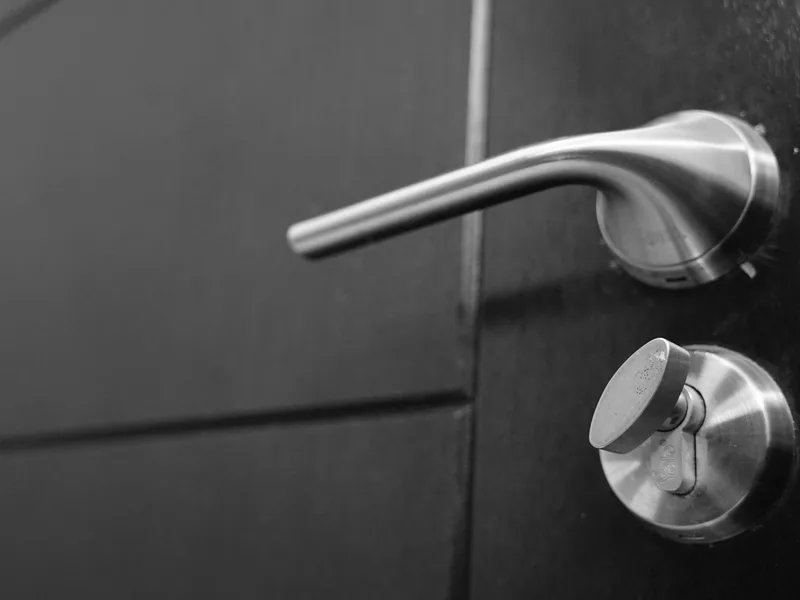
The touch points
Touch points and surfaces in student housing are handled by many different people, so regular rapid disinfection of these points matters more than treating large surfaces.
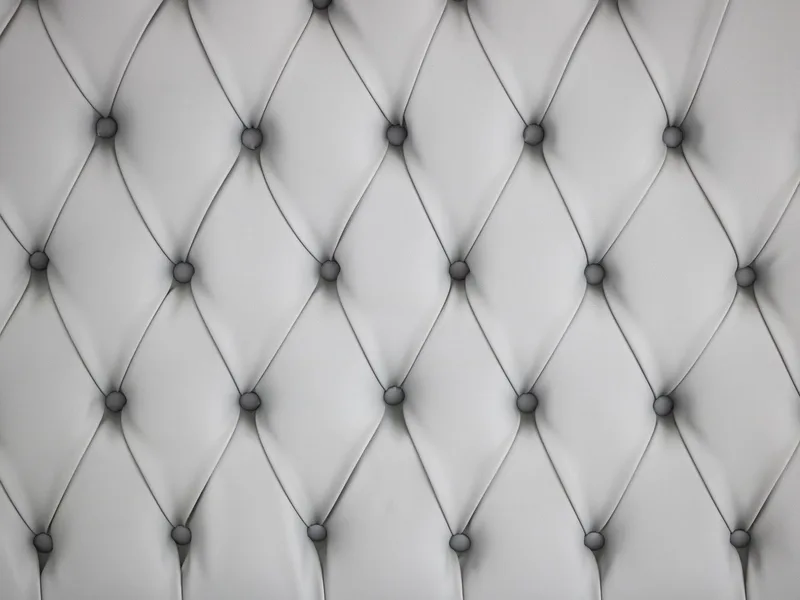
Porous surfaces
Porous surfaces in lecture halls and large teaching spaces absorb humidity from the breath and perspiration of thousands of students, requiring higher product concentration.
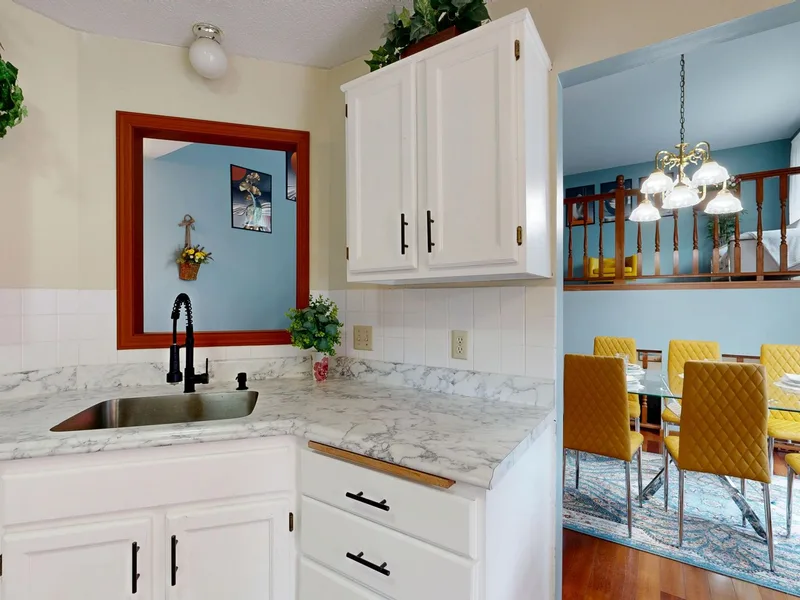
The finish itself
Floors in shared corridors and entrances accumulate dust from both outside and inside, so thorough initial cleaning is essential before disinfection.
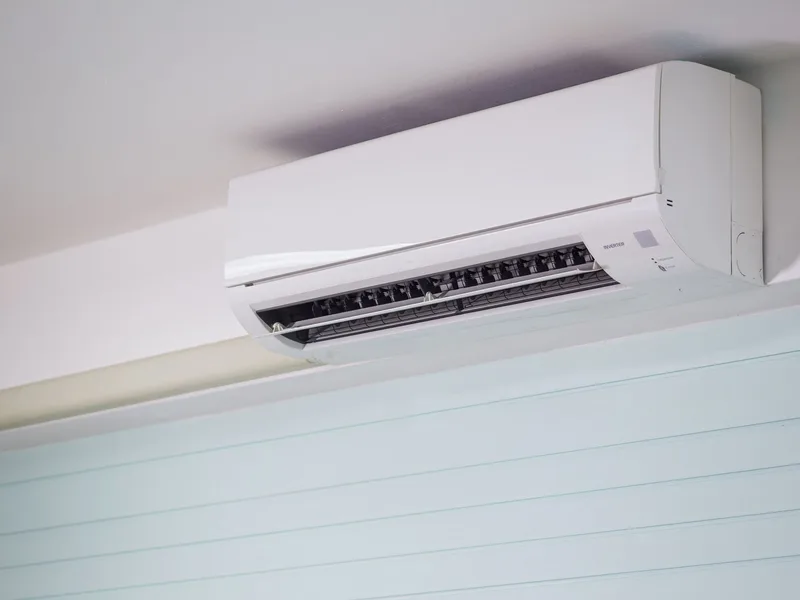
The air conditioning unit
Air conditioning units serving collective housing with thousands of occupants become rapid vectors for virus transmission, so weekly filter and coil cleaning is necessary.
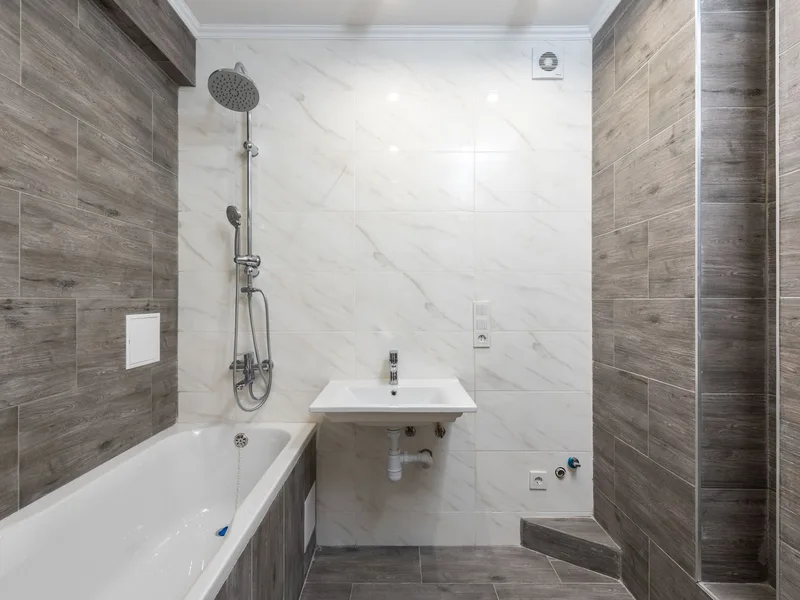
Floor traps
Floor drains in shared kitchens and bathrooms carry high organic loading and require weekly treatment as a minimum.
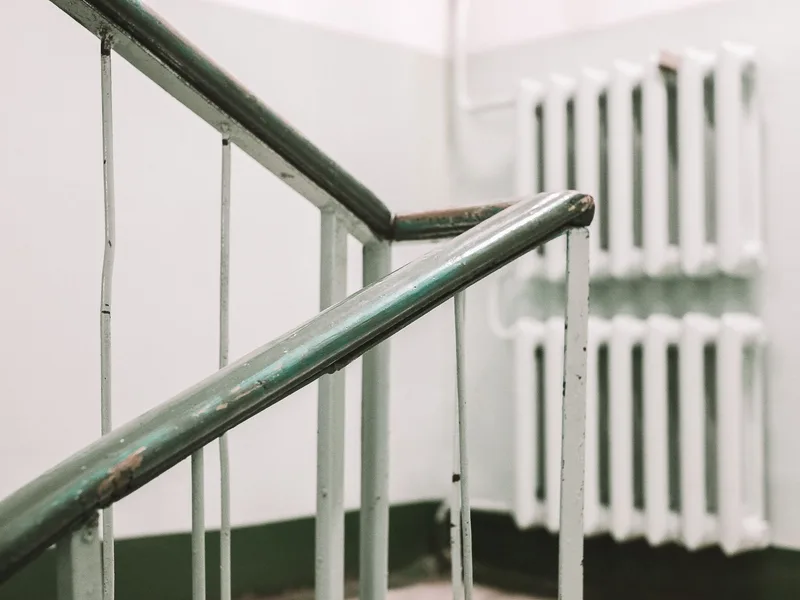
Shared entrances and stairs
Entrances, stairs and lifts in student housing see high occupancy traffic, so twice-weekly disinfection significantly reduces infection transmission.
How we work
-
1
Walk the space and list the surfaces
We go through the rooms and mark the touch points, the porous surfaces and the finishes, then ask what prompted the call: illness at home, moving into a new place, building work, or a smell that arrived out of nowhere.
-
2
Clean what we are about to treat
We take the film of dust and grease off the surfaces that are in scope, so the product reaches the surface itself. This is preparation for the treatment, not general house cleaning.
-
3
Apply it, and hold the contact time
Hand work on the touch points, a product matched to each surface, and the surface left visibly wet for as long as that material needs before it is dried off. Cold fogging comes last, for what a cloth cannot reach.
-
4
Ventilate and hand back
We open the place up, rinse food preparation surfaces with water, and tell you when each room goes back into use. We give you that timing on the call, because it changes with the product and the space.
What a disinfection visit includes
-

A surface and touch point survey
What gets treated, and with what, settled before anything is opened.
-

Soil off first, then the disinfectant
The greasy film comes off first, then a product that stays wet for the contact time it needs.
-

Floor traps and the air conditioning drain
Floor traps, sink outlets and the drain tray, which is where most smells actually begin.
-
Cold fogging for the space
For upward faces and corners a cloth never reaches, done as the last thing before we leave a room.
-

Ventilation and use instructions
What gets rinsed with water, what is left alone, and when each room goes back into use.
-

A scheduled repeat when it is needed
For shared entrances and places people pass through every day, because a disinfectant leaves nothing behind to stop the next contact.
What is different about Al Aziziyah (Makkah) Sub-Municipality
Al Aziziyah sub municipality runs from the Bin Dawood markets to the Al Hada road and carries pilgrim traffic to Mina. Hotel towers and furnished apartment blocks fill and empty with the Hajj and Ramadan seasons, and the kitchens, restaurants and markets along Al Masjid Al Haram Road and King Abdulaziz Road leave food waste at every peak. Southwards the fabric loosens into villas and planned streets in An Naseem and Al Awali, then Al Abidiyah's campus and the old farms of Al Husayniyah, where Wadi Uranah holds water after rain and farm enclosures shelter rodents and reptiles.
Questions about this district
The new student housing collects dust from building continuously. When should we disinfect?
During active construction around the accommodation, we recommend weekly disinfection of shared corridors and entrances. Once building in the immediate area is complete, we move to a monthly schedule. Fine construction dust requires initial cleaning before each treatment to remove the surface layer.
Humidity from the nearby wadi is very high. Does disinfectant still work?
Yes, but high humidity slows the drying time and increases the risk of mould growth afterwards. We recommend using fans to reduce moisture first and opening windows, then applying the disinfectant. Regular treatment is more important here than in a dry district.
Do viruses from sick students spread quickly in shared accommodation?
Yes, shared student housing transmits viruses rapidly through common areas, shared furniture and touch surfaces. We recommend weekly disinfection of corridors, shared kitchens and bathrooms, with additional treatment when infections appear among the student population.
The large lecture halls and teaching spaces house thousands of students. How often do we disinfect?
High-occupancy spaces need at least weekly disinfection, and we recommend twice-weekly during peak teaching periods. Amphitheatres have higher infection transmission rates because air moves upwards and distributes contaminants through the stacked seating.
Can rodents from the wadi enter the new buildings easily?
Yes, gaps and incomplete joints in new construction allow rodents and snakes from the wadi to enter readily. We recommend inspecting and sealing any gaps around pipes and cables. Disinfection helps but the fundamental answer is physical closure of entry points.
Does disinfection prevent infection spread in collective housing?
Disinfection kills viruses and bacteria present, but does not stop new infection from a sick person. We recommend preventive regular disinfection and good ventilation, and when infections appear we isolate the affected person and disinfect their surroundings and common areas immediately.
How much does disinfection in Al Abidiyah cost?
It is set after the inspection, because the price follows the type of infestation, the size of the space, how far it has spread and the number of visits it needs. Send a photo and a description on WhatsApp and we will give you an estimate before we reach Al Abidiyah.
Nearby districts we cover
Other services in Al Abidiyah
Other services we provide to residents of Al Abidiyah.
-
 Residential
Cockroach control
Residential
Cockroach control
-
 Residential
Bed bug control
Residential
Bed bug control
-
 Residential
Termite control
Residential
Termite control
-
 Residential
Rodents and mice
Residential
Rodents and mice
-
 Residential
Mosquito control
Residential
Mosquito control
-
 Residential
Fly control
Residential
Fly control
-
 Residential
Ant control
Residential
Ant control
-
 Residential
Gecko control
Residential
Gecko control
-
 Residential
Scorpion control
Residential
Scorpion control
-
 Residential
Snake control
Residential
Snake control
-
 Residential
Flea control
Residential
Flea control
-
 Residential
Bird and pigeon control
Residential
Bird and pigeon control
-
 Residential
Preventive treatment
Residential
Preventive treatment
-
 Commercial
Annual contracts
Commercial
Annual contracts
-
 Commercial
Restaurants and cafes
Commercial
Restaurants and cafes
-
 Commercial
Hotels and apartments
Commercial
Hotels and apartments
-
 Commercial
Warehouses and factories
Commercial
Warehouses and factories
-
 Commercial
Schools and nurseries
Commercial
Schools and nurseries
-
 Commercial
Retail and malls
Commercial
Retail and malls
-
 Commercial
Rest houses and farms
Commercial
Rest houses and farms
-
 Commercial
Fumigation
Commercial
Fumigation
-
 Water tanks
Water tank cleaning
Water tanks
Water tank cleaning
-
 Water tanks
Water tank sterilization
Water tanks
Water tank sterilization
-
 Water tanks
Water tank sealing
Water tanks
Water tank sealing
-
 Water tanks
Tank leak repair
Water tanks
Tank leak repair
Need disinfection in Al Abidiyah? Tell us what you saw and we will tell you what it needs
We reach Al Abidiyah at a time we agree, and you get the full cost before we start.