
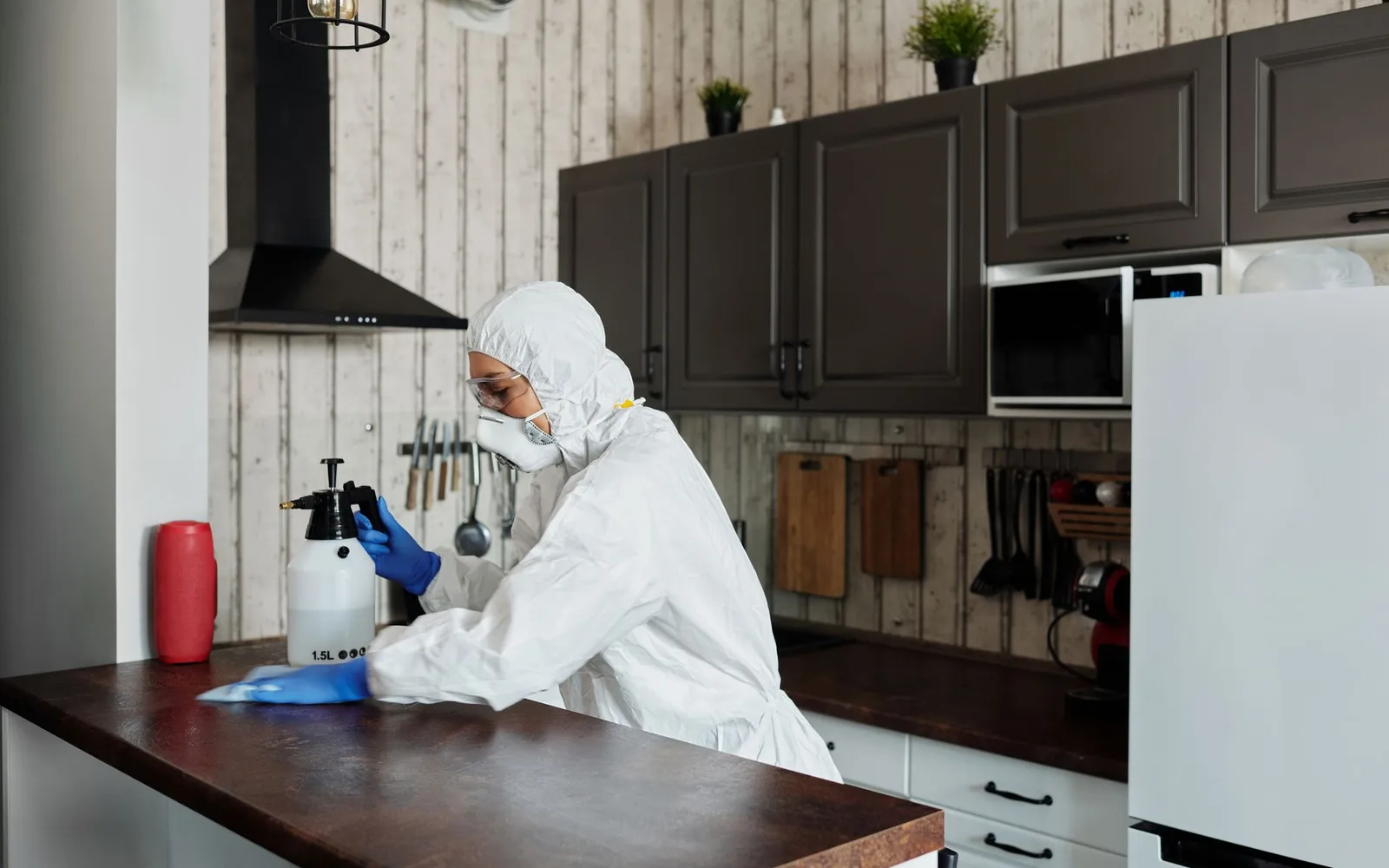
Disinfection in Al Husayniyah Makkah
Al Husayniyah is a mixed district along the Taif Al Hada road combining apartment blocks with ground-floor shops and restaurants, its character shaped by the interplay between commercial and residential use. Constant movement between residents and customers means contamination enters from below and rises steadily into the flats above, carried by air and shared drainage.
-
Targeted, not broadcast
Product goes into cracks and runways, never sprayed across open surfaces.
-
Told before we start
What we will use, where it goes, and what to cover or move before we arrive.
-
A follow-up visit
We return after the first treatment, because what survives it does not show on the day.
-
Homes and businesses
Apartments and villas, and kitchens and stores that need a record of each visit.
Why they keep coming back in Al Husayniyah
Flat owners in Al Husayniyah report stronger smells from shops in the early morning because cool night air sinks with odours, intensifying the problem by dawn. The method is set out in full on how we approach Disinfection.
Ground-floor shops and rising odours
Shops below Al Husayniyah flats leave organic matter, cooking oils and grease on their floors, and heat carries the odorous gases upward into the storeys above through cracks and ventilation openings. Disinfecting only the flat ignores the source of the problem below.
Shared pipes and mixed drainage
Main drainage pipes in mixed blocks collect waste from shops, restaurants and flats in one line. Sewage gases and odours rise easily through floor traps and ventilation ducts, undoing any treatment of the flat surfaces alone.
Shared entrances and cross-contamination
A single entrance serves shops and flats together, so contaminants from shoppers and staff transfer directly to the staircase and residential units via hands, clothing and footwear.
The character of Al Husayniyah
Mixed district: shops at street level with homes above them
Mixed-use districts mean contaminants come from varied sources, and treatment must cover shared pipes, drainage and ventilation, not just flat surfaces. Disinfecting only the flat ignores that pollution enters continuously from the commercial space below through multiple pathways.
What we look at before the product is chosen
Mixed-use buildings with shops beneath residences mean smells and contamination from the ground floor naturally rise into upper apartments through shared air, drainage pipes and structural openings.
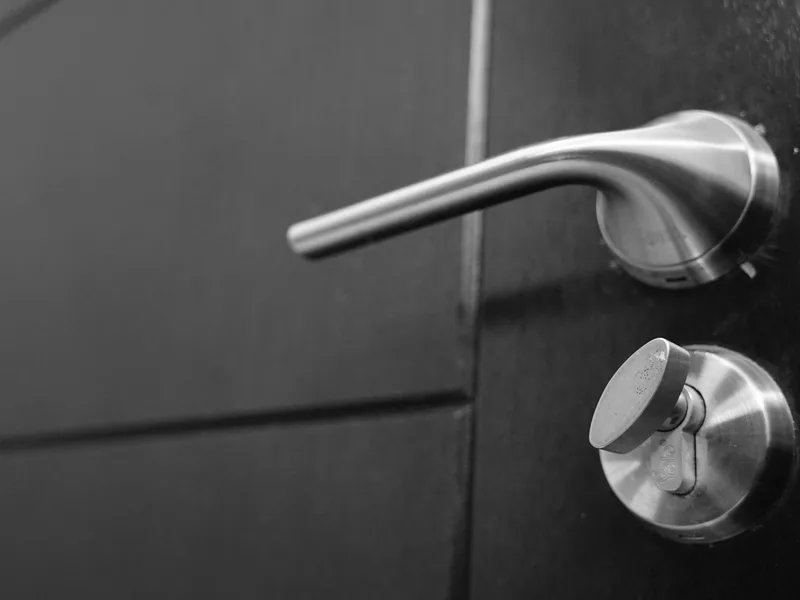
The touch points
Touch points in Al Husayniyah include staircase railings used by staff, shoppers and residents, each group carrying different contaminants from different environments into the shared space.
Porous surfaces
Porous surfaces in shops and restaurants are saturated with oils, grease and mineral salts, so disinfectant may not penetrate unless surfaces are first cleaned with a degreaser.
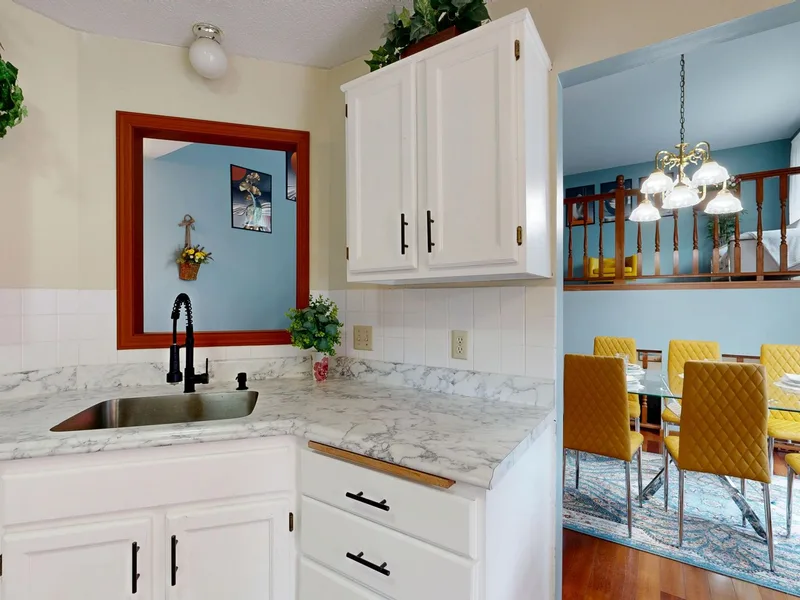
The finish itself
Ground-floor shop flooring is often porous ceramic, and cooking smells and drainage odours soak into the pores, requiring deep treatment to reach the embedded contamination.
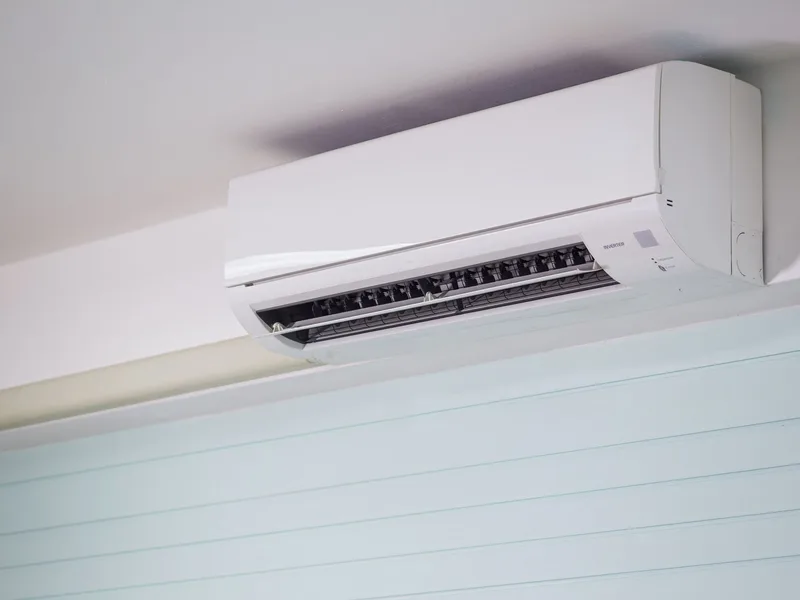
The air conditioning unit
Air conditioning outlets in Al Husayniyah are often shared or very close between floors, and neglecting them means contaminants transfer directly from shop to flat on the airstream.
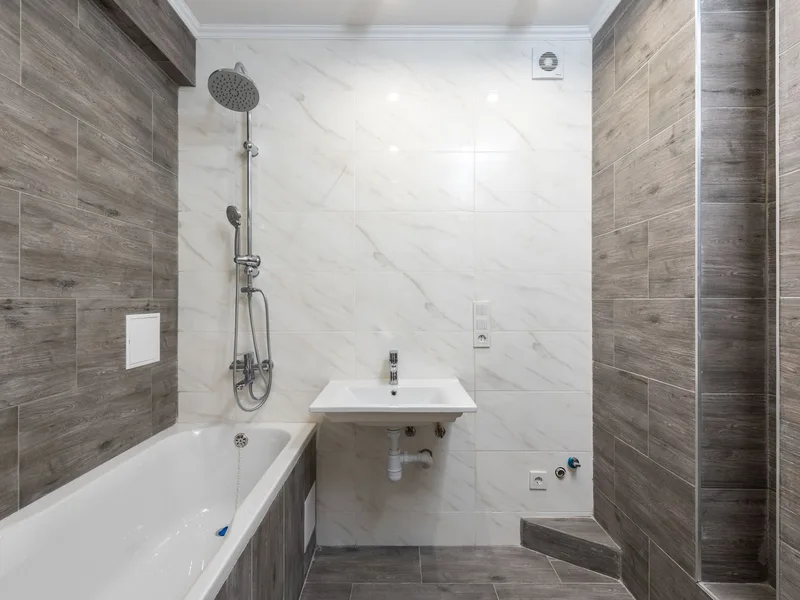
Floor traps
Floor traps in shops contain organic food debris and grease, and gases from them rise into the flats above, making their treatment mandatory and non-optional.
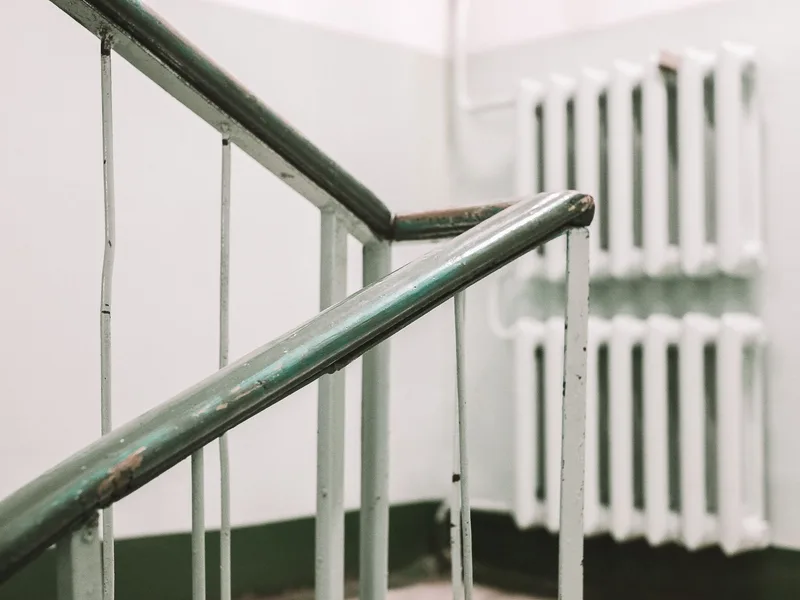
Shared entrances and stairs
Shared entrances and stairs in Al Husayniyah see foot traffic from diverse groups, so end-of-week disinfection may be insufficient if shops open daily.
How we work
-
1
Walk the space and list the surfaces
We go through the rooms and mark the touch points, the porous surfaces and the finishes, then ask what prompted the call: illness at home, moving into a new place, building work, or a smell that arrived out of nowhere.
-
2
Clean what we are about to treat
We take the film of dust and grease off the surfaces that are in scope, so the product reaches the surface itself. This is preparation for the treatment, not general house cleaning.
-
3
Apply it, and hold the contact time
Hand work on the touch points, a product matched to each surface, and the surface left visibly wet for as long as that material needs before it is dried off. Cold fogging comes last, for what a cloth cannot reach.
-
4
Ventilate and hand back
We open the place up, rinse food preparation surfaces with water, and tell you when each room goes back into use. We give you that timing on the call, because it changes with the product and the space.
What a disinfection visit includes
-

A surface and touch point survey
What gets treated, and with what, settled before anything is opened.
-

Soil off first, then the disinfectant
The greasy film comes off first, then a product that stays wet for the contact time it needs.
-

Floor traps and the air conditioning drain
Floor traps, sink outlets and the drain tray, which is where most smells actually begin.
-
Cold fogging for the space
For upward faces and corners a cloth never reaches, done as the last thing before we leave a room.
-

Ventilation and use instructions
What gets rinsed with water, what is left alone, and when each room goes back into use.
-

A scheduled repeat when it is needed
For shared entrances and places people pass through every day, because a disinfectant leaves nothing behind to stop the next contact.
What is different about Al Aziziyah (Makkah) Sub-Municipality
Al Aziziyah sub municipality runs from the Bin Dawood markets to the Al Hada road and carries pilgrim traffic to Mina. Hotel towers and furnished apartment blocks fill and empty with the Hajj and Ramadan seasons, and the kitchens, restaurants and markets along Al Masjid Al Haram Road and King Abdulaziz Road leave food waste at every peak. Southwards the fabric loosens into villas and planned streets in An Naseem and Al Awali, then Al Abidiyah's campus and the old farms of Al Husayniyah, where Wadi Uranah holds water after rain and farm enclosures shelter rodents and reptiles.
Questions about this district
Can disinfection solve the smell problem from ground-floor shops?
Disinfection temporarily improves air quality, but smells return unless the shops are treated too. Shared pipes, drainage and ventilation connections between floors must be treated together.
Should we disinfect the shop and flat together as one unit or separately?
Together is better. Pipes, ventilation and entrances are shared, so treating one without the other leaves an open pathway for contamination to migrate between them.
How often yearly should a mixed district like Al Husayniyah be disinfected due to foot traffic?
Shoppers, residents and staff mean baseline quarterly treatment may not suffice. During busy seasons or after shop renovations, monthly treatment is more effective.
Do ventilation openings between shops and flats above need separate specialist treatment?
Yes. These openings are the direct pathway for smells and contamination. They must be cleaned and disinfected separately because they connect two very different environments.
Can we stop smells coming up from shops by treating only the flat boundaries?
No. Odours travel through air, drainage and shared ventilation. Sealing boundaries delays their return but does not prevent it. The shops and pipes below must be treated too.
Does Al Husayniyah need different treatment than a purely residential district?
Yes, completely. Shops, restaurants and staff create a wider variety of contaminants and faster recontamination. Treatment must cover pipes, drainage and ventilation comprehensively throughout the building.
How much does disinfection in Al Husayniyah cost?
It is set after the inspection, because the price follows the type of infestation, the size of the space, how far it has spread and the number of visits it needs. Send a photo and a description on WhatsApp and we will give you an estimate before we reach Al Husayniyah.
Nearby districts we cover
Other services in Al Husayniyah
Other services we provide to residents of Al Husayniyah.
-
 Residential
Cockroach control
Residential
Cockroach control
-
 Residential
Bed bug control
Residential
Bed bug control
-
 Residential
Termite control
Residential
Termite control
-
 Residential
Rodents and mice
Residential
Rodents and mice
-
 Residential
Mosquito control
Residential
Mosquito control
-
 Residential
Fly control
Residential
Fly control
-
 Residential
Ant control
Residential
Ant control
-
 Residential
Gecko control
Residential
Gecko control
-
 Residential
Scorpion control
Residential
Scorpion control
-
 Residential
Snake control
Residential
Snake control
-
 Residential
Flea control
Residential
Flea control
-
 Residential
Bird and pigeon control
Residential
Bird and pigeon control
-
 Residential
Preventive treatment
Residential
Preventive treatment
-
 Commercial
Annual contracts
Commercial
Annual contracts
-
 Commercial
Restaurants and cafes
Commercial
Restaurants and cafes
-
 Commercial
Hotels and apartments
Commercial
Hotels and apartments
-
 Commercial
Warehouses and factories
Commercial
Warehouses and factories
-
 Commercial
Schools and nurseries
Commercial
Schools and nurseries
-
 Commercial
Retail and malls
Commercial
Retail and malls
-
 Commercial
Rest houses and farms
Commercial
Rest houses and farms
-
 Commercial
Fumigation
Commercial
Fumigation
-
 Water tanks
Water tank cleaning
Water tanks
Water tank cleaning
-
 Water tanks
Water tank sterilization
Water tanks
Water tank sterilization
-
 Water tanks
Water tank sealing
Water tanks
Water tank sealing
-
 Water tanks
Tank leak repair
Water tanks
Tank leak repair
Need disinfection in Al Husayniyah? Tell us what you saw and we will tell you what it needs
We reach Al Husayniyah at a time we agree, and you get the full cost before we start.