
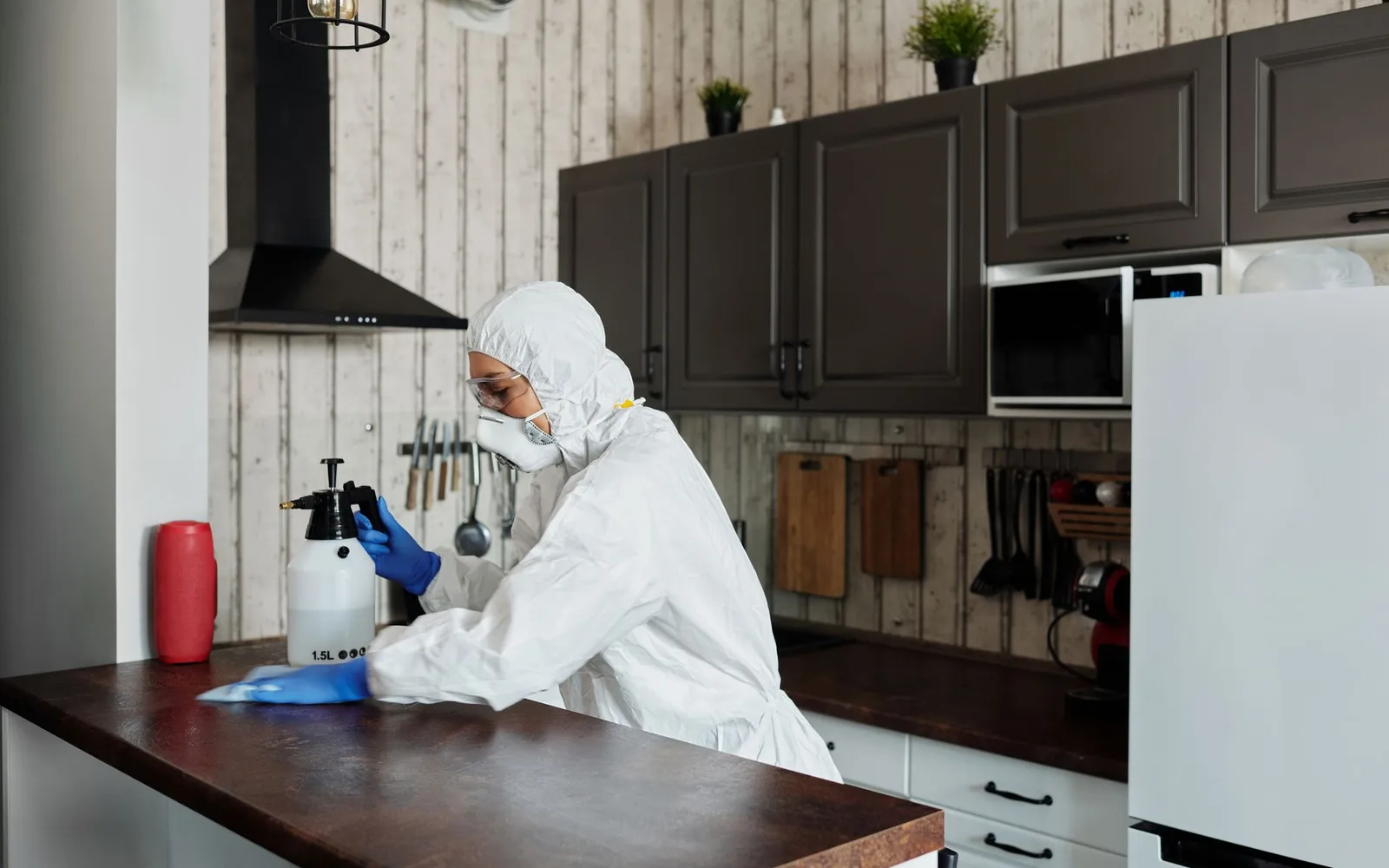
Disinfection in Al Hajlah Al Jadid Makkah
Al Hajlah Al Jadid is growing rapidly south of Makkah on Crown Prince schemes, cut through by Wadi Uranah and surrounded by empty land and ongoing construction. Disinfection here means protecting newly built homes from the rodents, reptiles and scorpions that shelter in building materials and open foundation pits until the neighbourhood fills.
-
Targeted, not broadcast
Product goes into cracks and runways, never sprayed across open surfaces.
-
Told before we start
What we will use, where it goes, and what to cover or move before we arrive.
-
A follow-up visit
We return after the first treatment, because what survives it does not show on the day.
-
Homes and businesses
Apartments and villas, and kitchens and stores that need a record of each visit.
Why they keep coming back in Al Hajlah Al Jadid
Every new home here is ringed by vacant plots, building sites, sports pitches and open workshops, meaning re-infestation sources stay close to the perimeter long after disinfection is done. The method is set out in full on Disinfection in detail.
Open building sites are a constant rodent magnet
Exposed foundation pits and stacked construction materials between villas offer shelter to rodents, scorpions and snakes before the neighbourhood completes. Disinfection here buys temporary protection; the neighbourhood itself is the continuing source of reinfestation.
Wadi Uranah brings moisture and silt upward
The wadi channel holds standing water after rain, meaning moisture reaches homes from below the soil surface and penetrates foundations. A disinfectant applied to the surface cannot treat groundwater rising from beneath.
Vacant plots are re-infestation zones
Granted land parcels with few residents nearby stay open to movement from surrounding areas. Insects and reptiles return from these sites within weeks of disinfection, brought on the air and through soil passages.
The character of Al Hajlah Al Jadid
New development: ongoing construction and vacant plots between the homes
Ongoing construction means that sources of contamination outside the home are permanent, so disinfection here protects a house fresh from building, not the wider neighbourhood.
What we look at before the product is chosen
A developing area on open ground between Jabal Labinah and the Fifth Ring Road, with low-lying zones that hold water after rain and naturally attract insects and rodents before settlement.
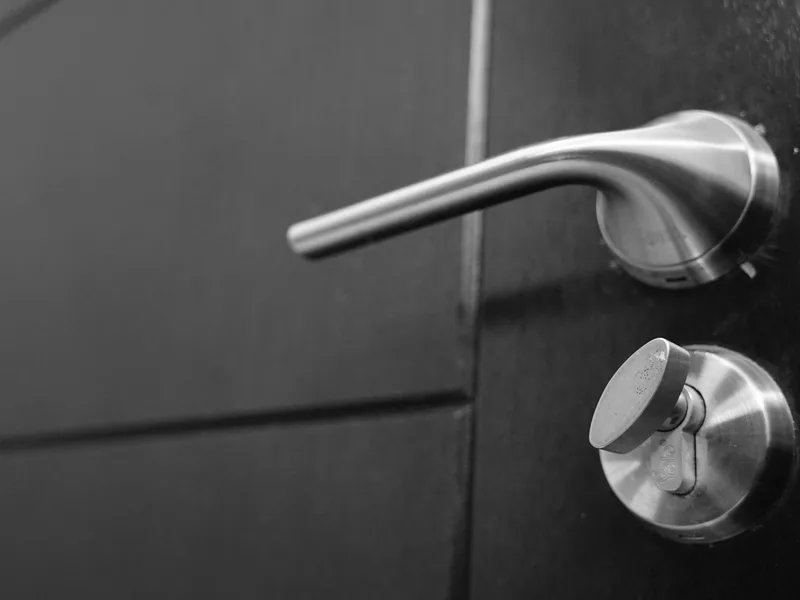
The touch points
Touch points in a newly built house carry construction dust and dead insects; deep cleaning must come before disinfection reaches any depth.
Porous surfaces
Fresh concrete is highly absorptive, so the disinfectant must stay wet longer to penetrate adequately rather than drying on a dusty surface.
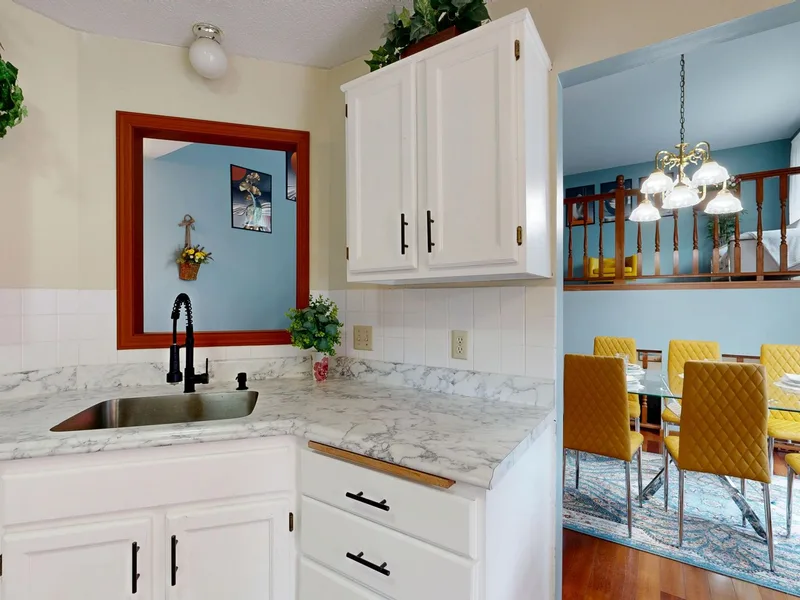
The finish itself
New paint accepts disinfectant well, but embedded construction dust on walls must be removed first or it blocks contact with the painted surface.
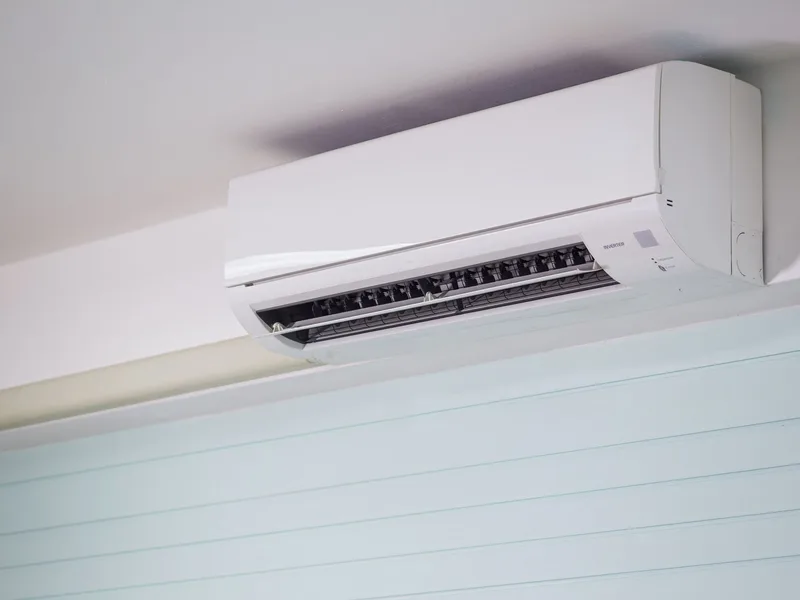
The air conditioning unit
The new air conditioning unit often contains debris from installation, and its drain outlet must be cleaned before disinfection to avoid trapping contamination inside the system.
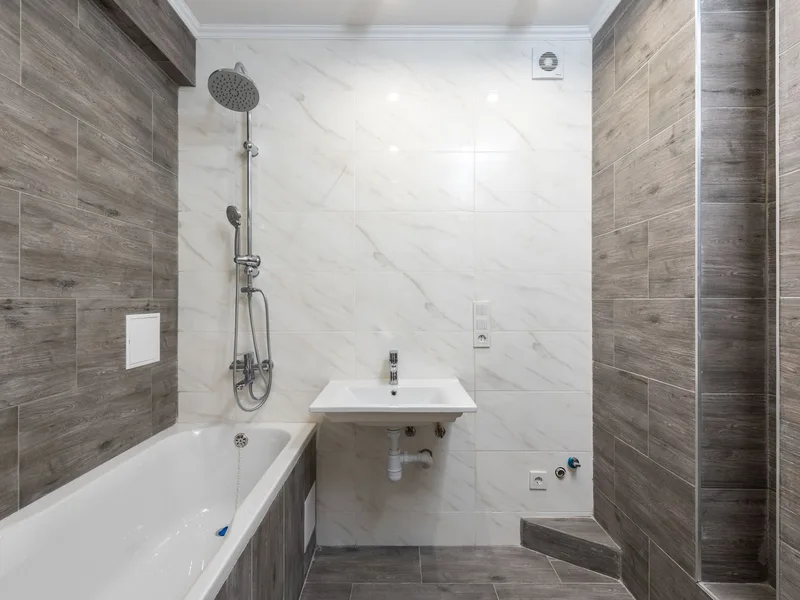
Floor traps
Floor traps in a new house may be empty or filled with construction dust, meaning they need deep rinsing before disinfection reaches the pipe below.
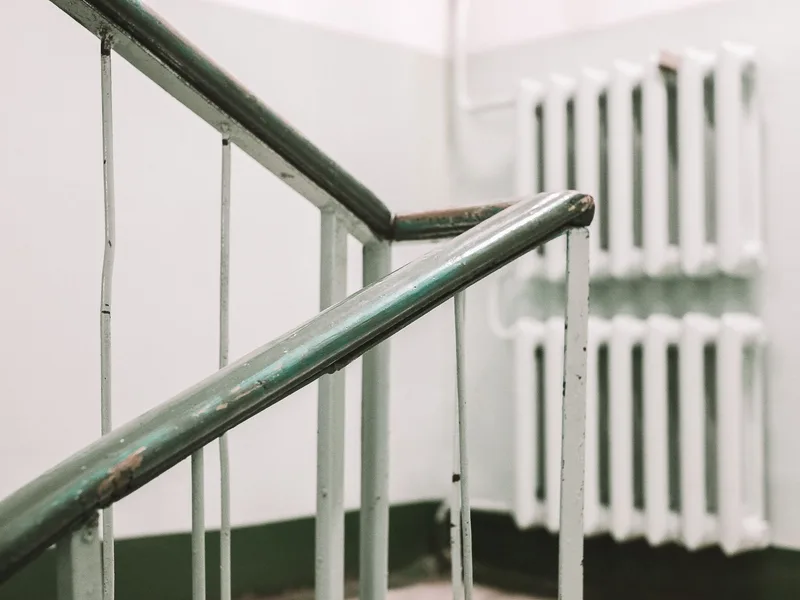
Shared entrances and stairs
Shared entrances in the rare apartment blocks here may not have been cleaned since completion, so stairs need special treatment before general disinfection.
How we work
-
1
Walk the space and list the surfaces
We go through the rooms and mark the touch points, the porous surfaces and the finishes, then ask what prompted the call: illness at home, moving into a new place, building work, or a smell that arrived out of nowhere.
-
2
Clean what we are about to treat
We take the film of dust and grease off the surfaces that are in scope, so the product reaches the surface itself. This is preparation for the treatment, not general house cleaning.
-
3
Apply it, and hold the contact time
Hand work on the touch points, a product matched to each surface, and the surface left visibly wet for as long as that material needs before it is dried off. Cold fogging comes last, for what a cloth cannot reach.
-
4
Ventilate and hand back
We open the place up, rinse food preparation surfaces with water, and tell you when each room goes back into use. We give you that timing on the call, because it changes with the product and the space.
What a disinfection visit includes
-

A surface and touch point survey
What gets treated, and with what, settled before anything is opened.
-

Soil off first, then the disinfectant
The greasy film comes off first, then a product that stays wet for the contact time it needs.
-

Floor traps and the air conditioning drain
Floor traps, sink outlets and the drain tray, which is where most smells actually begin.
-
Cold fogging for the space
For upward faces and corners a cloth never reaches, done as the last thing before we leave a room.
-

Ventilation and use instructions
What gets rinsed with water, what is left alone, and when each room goes back into use.
-

A scheduled repeat when it is needed
For shared entrances and places people pass through every day, because a disinfectant leaves nothing behind to stop the next contact.
What is different about South Makkah Sub-Municipality
South Makkah sub municipality is the belt of Crown Prince schemes south of Al Ukayshiyah, along the Al Laith road and the extension of Ibrahim Al Khalil Road to the Fifth Ring Road and the Non Muslims bypass. Most of it is still bare: granted plots awaiting houses, new villas standing alone, open building sites and unfinished paving and drainage. Wadi Uranah and its tributaries cross the low ground and hold water after rain, hills close it in, and rodents, reptiles and scorpions shelter in stacked materials and foundation pits before the neighbourhoods fill up.
Questions about this district
Does disinfection protect against pests coming from active building sites?
Disinfection kills what is in your home now, but foundation pits and exposed materials around the neighbourhood provide permanent entry routes. The house is clean; the district around it teems with insects and rodents that will return.
How often should a new villa near open excavations be disinfected?
New homes in Al Hajlah Al Jadid face constant pressure from their surroundings. One disinfection protects for weeks, but if you are beside active foundation work, a second treatment before the season ends may be worth planning.
Does groundwater moisture from the wadi reduce the disinfectant's effectiveness?
Wadi Uranah raises soil moisture after rain, meaning foundations draw up damp. The disinfectant works on surfaces, but rising moisture from below carries odours and mould with it, separate from the treated layer.
Is it worth disinfecting a brand new villa before moving in?
Yes, because the new house carries construction dust and the insects that colonised the site during building. Deep cleaning followed by disinfection gives a genuinely fresh start, though the neighbourhood will begin recontaminating it slowly.
Does the disinfection cover foundations and gaps below floor level?
We treat visible cracks and gaps below flooring. Moisture rising through the soil around the house remains a separate problem that surface disinfectants cannot solve. Foundation perimeter treatment is worth discussing separately.
What if insects appear a month after disinfection?
Pests appearing a month later came from outside, not from the old infestation returning. The neighbourhood itself is the source. Contact us to inspect entry points: cracks, gaps and door thresholds where they are getting in.
How much does disinfection in Al Hajlah Al Jadid cost?
It is set after the inspection, because the price follows the type of infestation, the size of the space, how far it has spread and the number of visits it needs. Send a photo and a description on WhatsApp and we will give you an estimate before we reach Al Hajlah Al Jadid.
Nearby districts we cover
Other services in Al Hajlah Al Jadid
Other services we provide to residents of Al Hajlah Al Jadid.
-
 Residential
Cockroach control
Residential
Cockroach control
-
 Residential
Bed bug control
Residential
Bed bug control
-
 Residential
Termite control
Residential
Termite control
-
 Residential
Rodents and mice
Residential
Rodents and mice
-
 Residential
Mosquito control
Residential
Mosquito control
-
 Residential
Fly control
Residential
Fly control
-
 Residential
Ant control
Residential
Ant control
-
 Residential
Gecko control
Residential
Gecko control
-
 Residential
Scorpion control
Residential
Scorpion control
-
 Residential
Snake control
Residential
Snake control
-
 Residential
Flea control
Residential
Flea control
-
 Residential
Bird and pigeon control
Residential
Bird and pigeon control
-
 Residential
Preventive treatment
Residential
Preventive treatment
-
 Commercial
Annual contracts
Commercial
Annual contracts
-
 Commercial
Restaurants and cafes
Commercial
Restaurants and cafes
-
 Commercial
Hotels and apartments
Commercial
Hotels and apartments
-
 Commercial
Warehouses and factories
Commercial
Warehouses and factories
-
 Commercial
Schools and nurseries
Commercial
Schools and nurseries
-
 Commercial
Retail and malls
Commercial
Retail and malls
-
 Commercial
Rest houses and farms
Commercial
Rest houses and farms
-
 Commercial
Fumigation
Commercial
Fumigation
-
 Water tanks
Water tank cleaning
Water tanks
Water tank cleaning
-
 Water tanks
Water tank sterilization
Water tanks
Water tank sterilization
-
 Water tanks
Water tank sealing
Water tanks
Water tank sealing
-
 Water tanks
Tank leak repair
Water tanks
Tank leak repair
Need disinfection in Al Hajlah Al Jadid? Tell us what you saw and we will tell you what it needs
We reach Al Hajlah Al Jadid at a time we agree, and you get the full cost before we start.