
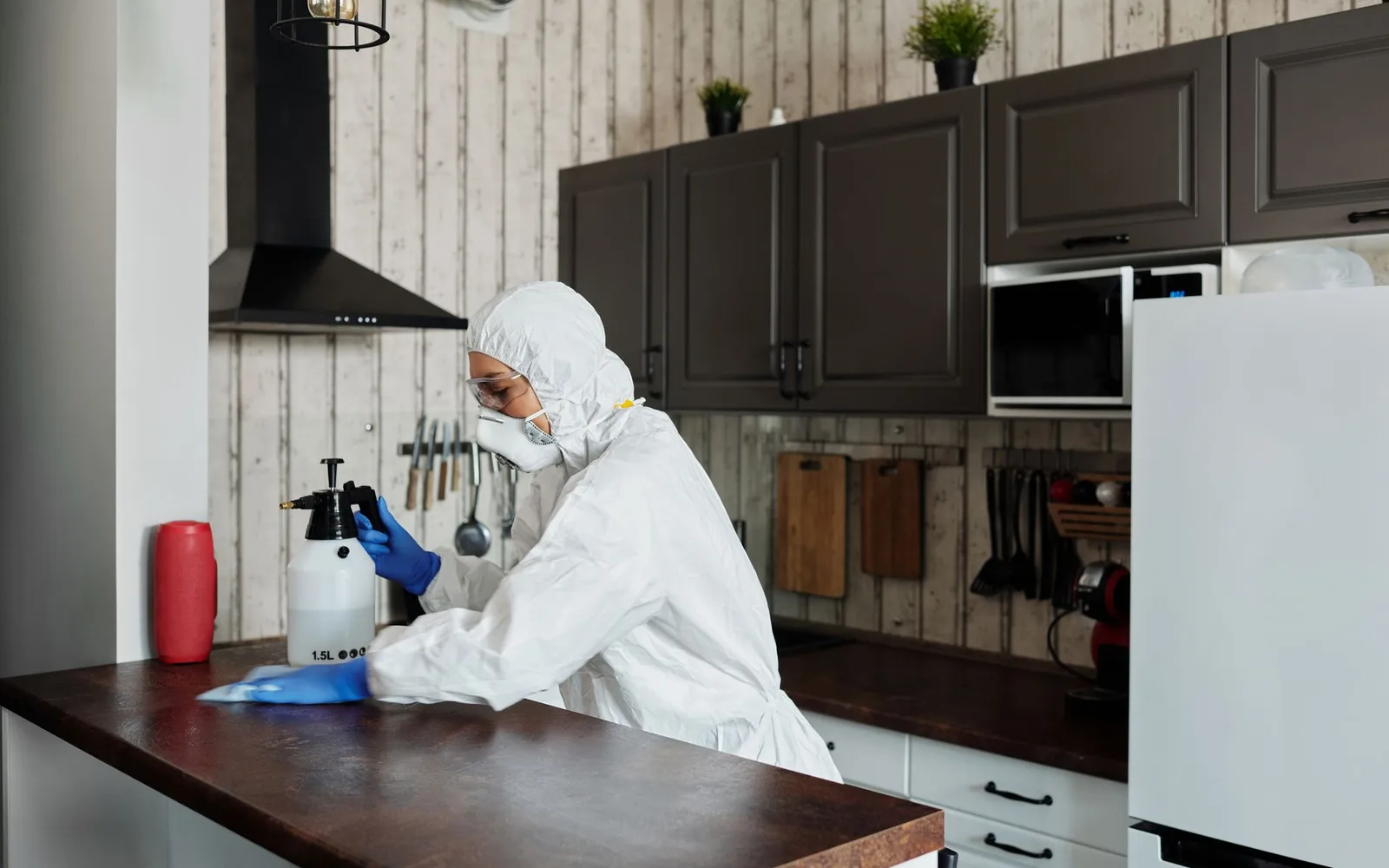
Disinfection in Al Hamra Umm Al Jud Makkah
Al Hamra Umm Al Jud spreads westward in villas and palaces along the old Jeddah road, each standing behind its own wall and garden. Disinfection here differs from flats because outdoor surfaces, soil and drainage systems need separate treatment from the house interior.
-
Targeted, not broadcast
Product goes into cracks and runways, never sprayed across open surfaces.
-
Told before we start
What we will use, where it goes, and what to cover or move before we arrive.
-
A follow-up visit
We return after the first treatment, because what survives it does not show on the day.
-
Homes and businesses
Apartments and villas, and kitchens and stores that need a record of each visit.
Why they keep coming back in Al Hamra Umm Al Jud
Walled villas offer protection from external pollutants, but underground drainage and damp gardens create specific problems that flat owners never face. The method is set out in full on what Disinfection involves.
Gardens and outdoor surfaces need separate treatment
Every villa has a courtyard or garden that must be disinfected on its own. Damp soil and vegetation shelter insects and microbes; the disinfectant needs longer to remain wet and penetrate the surface layer. Fence lines and boundary edges need attention because they are the first exposure point.
Perimeter walls and entrances are constant touch points
The wall surrounds the villa but does not seal it entirely. The outer gate, entrance and wall facing the road must be treated separately because they are touched by every visitor and exposed to street pollution, exhaust and carried germs from passing traffic and pedestrians.
Underground drainage and moisture retention
Villas need special treatment for subsurface drains. Moisture remains in soil after rain; drainage openings and gravel traps become odour sources and the damp seeps back into the house. Sandy and clay soils behave differently and hold contamination at different depths.
The character of Al Hamra Umm Al Jud
Villa district: private plots, gardens and a boundary wall to every house
Villas are enclosed by walls and gardens, which means disinfection does not stop at the house door. Outdoor surfaces, soil and drainage require independent treatment so the whole perimeter is protected, creating a shield from the outside environment inward.
What we look at before the product is chosen
The district stretches from the old Jeddah road to the expressway and Fourth Ring Road, with the Exhibition of the Two Holy Mosques and Al Shumaisi Park within it. Soil moisture and groundwater from surrounding land affect how disinfectant works.
The touch points
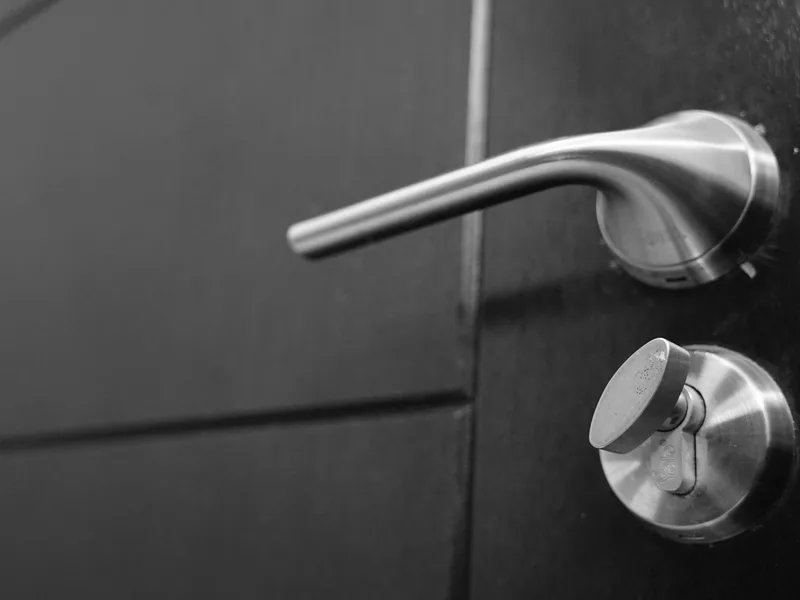
The entrance gate, perimeter wall and boundary are touched daily and face direct exposure to street pollution. The disinfectant is applied at higher strength to these points because they are the direct pathway for outside contamination.
Porous surfaces
Stone, sand and soil in courtyards are highly absorbent; the disinfectant must remain wet for a long time to penetrate layers below the surface and clean what lies hidden from sight.
The finish itself
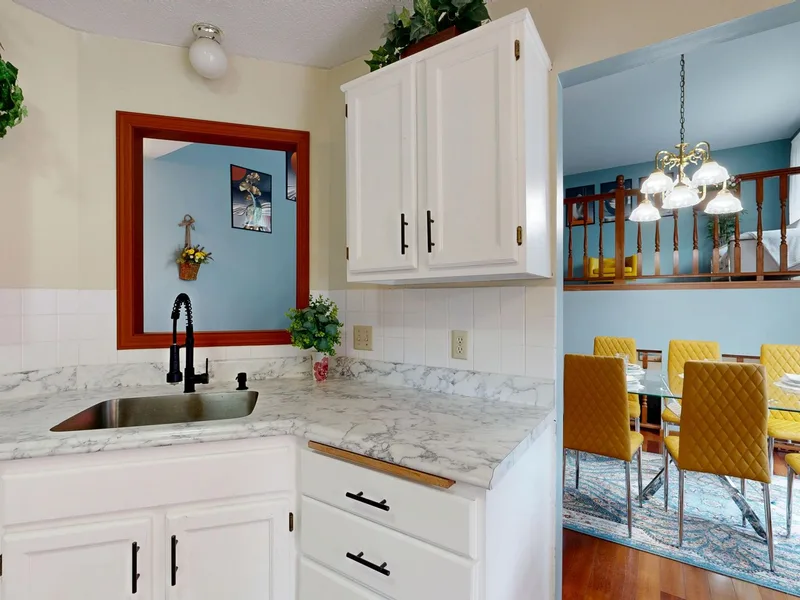
Outdoor surfaces are different from indoors: stone, concrete and earth each dry at a different rate. We select the disinfectant type and application time based on what the surface is made of and how quickly it sheds moisture.
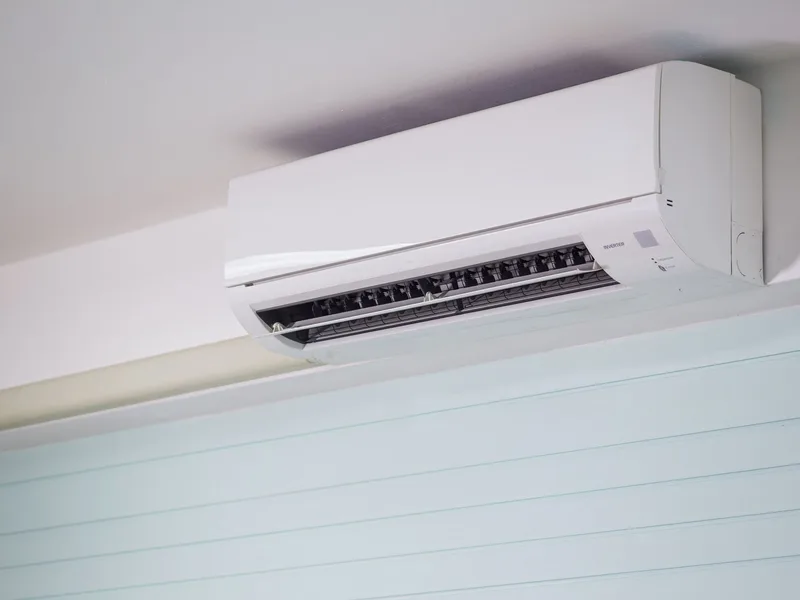
The air conditioning unit
The outdoor air conditioning outlet accumulates water and damp, and we focus treatment on it because it can become an odour source and moisture path back into the villa through the cooling system.
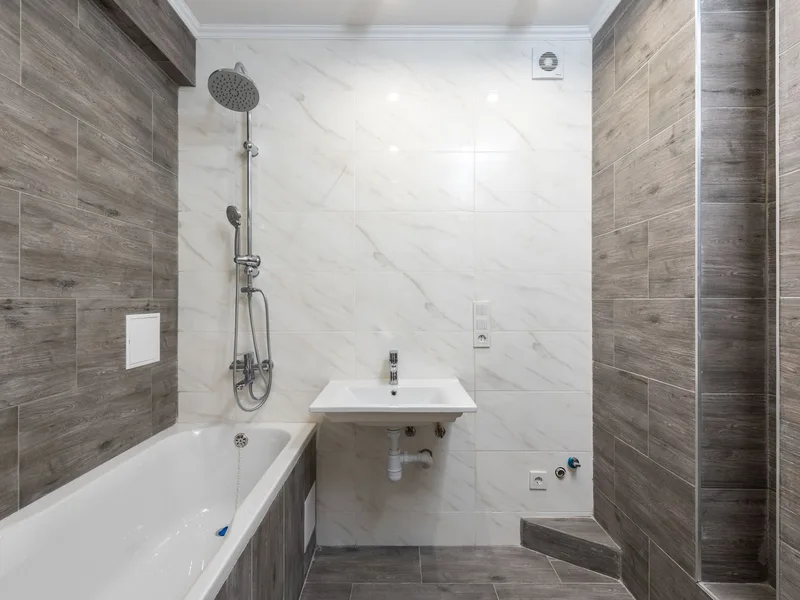
Floor traps
Drainage traps buried around the villa need special attention. Water sits in them for days; they are breeding grounds for microbes and odours can rise from the soil without being seen or smelled at first.
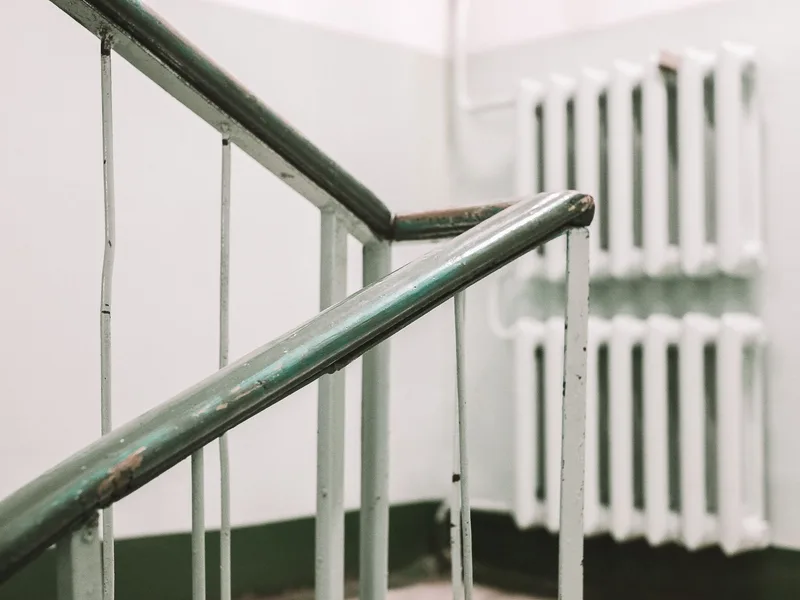
Shared entrances and stairs
The garden and courtyard are the buffer between the villa and the outside world. The wall provides some defence but does not seal out pollution completely, so outdoor treatment is as important as treating the rooms themselves.
How we work
-
1
Walk the space and list the surfaces
We go through the rooms and mark the touch points, the porous surfaces and the finishes, then ask what prompted the call: illness at home, moving into a new place, building work, or a smell that arrived out of nowhere.
-
2
Clean what we are about to treat
We take the film of dust and grease off the surfaces that are in scope, so the product reaches the surface itself. This is preparation for the treatment, not general house cleaning.
-
3
Apply it, and hold the contact time
Hand work on the touch points, a product matched to each surface, and the surface left visibly wet for as long as that material needs before it is dried off. Cold fogging comes last, for what a cloth cannot reach.
-
4
Ventilate and hand back
We open the place up, rinse food preparation surfaces with water, and tell you when each room goes back into use. We give you that timing on the call, because it changes with the product and the space.
What a disinfection visit includes
-

A surface and touch point survey
What gets treated, and with what, settled before anything is opened.
-

Soil off first, then the disinfectant
The greasy film comes off first, then a product that stays wet for the contact time it needs.
-

Floor traps and the air conditioning drain
Floor traps, sink outlets and the drain tray, which is where most smells actually begin.
-
Cold fogging for the space
For upward faces and corners a cloth never reaches, done as the last thing before we leave a room.
-

Ventilation and use instructions
What gets rinsed with water, what is left alone, and when each room goes back into use.
-

A scheduled repeat when it is needed
For shared entrances and places people pass through every day, because a disinfectant leaves nothing behind to stop the next contact.
What is different about Al Umrah Sub-Municipality
Al Umrah sub municipality covers the north west of Makkah along the Madinah road and the old Jeddah road, from At Tanim and Masjid Aisha to An Nawwariyah. Its districts are the city's newest, villas and apartment blocks raised on wide schemes where large tracts in Al Umrah Al Jadidah, Al Fayha and Al Buhayrat remain vacant or under construction. Wadi Saraf and Wadi At Tanim run through it and rainwater gathers on unfinished schemes, ihram shops, restaurants and coach stops along the Madinah road serve a constant flow of pilgrims, and villas fill Al Hamra and Umm Al Jud.
Questions about this district
Does disinfection include the garden and courtyard or just inside?
The whole occupied area is covered. Garden and courtyard are part of the home; the disinfectant is applied to outdoor surfaces and the surface soil around the villa for complete protection from outside contamination moving inward.
Soil moisture affects disinfection work. How do we handle damp ground?
Damp soil needs special handling. We remove surface moisture first, then apply the disinfectant and leave it wet long enough to penetrate the soil layer. In older villas, additional treatment of the subsurface may be needed.
Do walls and the entrance need different treatment than the rest?
Yes. The wall, gate and entrance are first contact points and face constant external contamination. They need more frequent treatment and careful attention because residents touch them coming in and going out.
How often yearly should a villa with a garden be disinfected?
Villas with gardens need more frequent disinfection than flats, especially in warm months. Damp soil shelters insects year round, so treatment every two or three months may be needed depending on conditions.
Do stone and sand surfaces in the courtyard need different handling?
Yes, they do. Stone dries faster than sand or earth. The disinfectant needs longer on absorbent surfaces to reach the depth needed. We choose the product based on what the ground is and how deep protection must reach.
The air conditioning outlet in the garden holds water. Is it treated separately?
Yes. Water pooling around the cooling drain attracts insects and microbes. We treat it with a specialised disinfectant that prevents bacterial buildup and stops odours returning from the pooled water.
How much does disinfection in Al Hamra Umm Al Jud cost?
It is set after the inspection, because the price follows the type of infestation, the size of the space, how far it has spread and the number of visits it needs. Send a photo and a description on WhatsApp and we will give you an estimate before we reach Al Hamra Umm Al Jud.
Nearby districts we cover
Other services in Al Hamra Umm Al Jud
Other services we provide to residents of Al Hamra Umm Al Jud.
-
 Residential
Cockroach control
Residential
Cockroach control
-
 Residential
Bed bug control
Residential
Bed bug control
-
 Residential
Termite control
Residential
Termite control
-
 Residential
Rodents and mice
Residential
Rodents and mice
-
 Residential
Mosquito control
Residential
Mosquito control
-
 Residential
Fly control
Residential
Fly control
-
 Residential
Ant control
Residential
Ant control
-
 Residential
Gecko control
Residential
Gecko control
-
 Residential
Scorpion control
Residential
Scorpion control
-
 Residential
Snake control
Residential
Snake control
-
 Residential
Flea control
Residential
Flea control
-
 Residential
Bird and pigeon control
Residential
Bird and pigeon control
-
 Residential
Preventive treatment
Residential
Preventive treatment
-
 Commercial
Annual contracts
Commercial
Annual contracts
-
 Commercial
Restaurants and cafes
Commercial
Restaurants and cafes
-
 Commercial
Hotels and apartments
Commercial
Hotels and apartments
-
 Commercial
Warehouses and factories
Commercial
Warehouses and factories
-
 Commercial
Schools and nurseries
Commercial
Schools and nurseries
-
 Commercial
Retail and malls
Commercial
Retail and malls
-
 Commercial
Rest houses and farms
Commercial
Rest houses and farms
-
 Commercial
Fumigation
Commercial
Fumigation
-
 Water tanks
Water tank cleaning
Water tanks
Water tank cleaning
-
 Water tanks
Water tank sterilization
Water tanks
Water tank sterilization
-
 Water tanks
Water tank sealing
Water tanks
Water tank sealing
-
 Water tanks
Tank leak repair
Water tanks
Tank leak repair
Need disinfection in Al Hamra Umm Al Jud? Tell us what you saw and we will tell you what it needs
We reach Al Hamra Umm Al Jud at a time we agree, and you get the full cost before we start.