
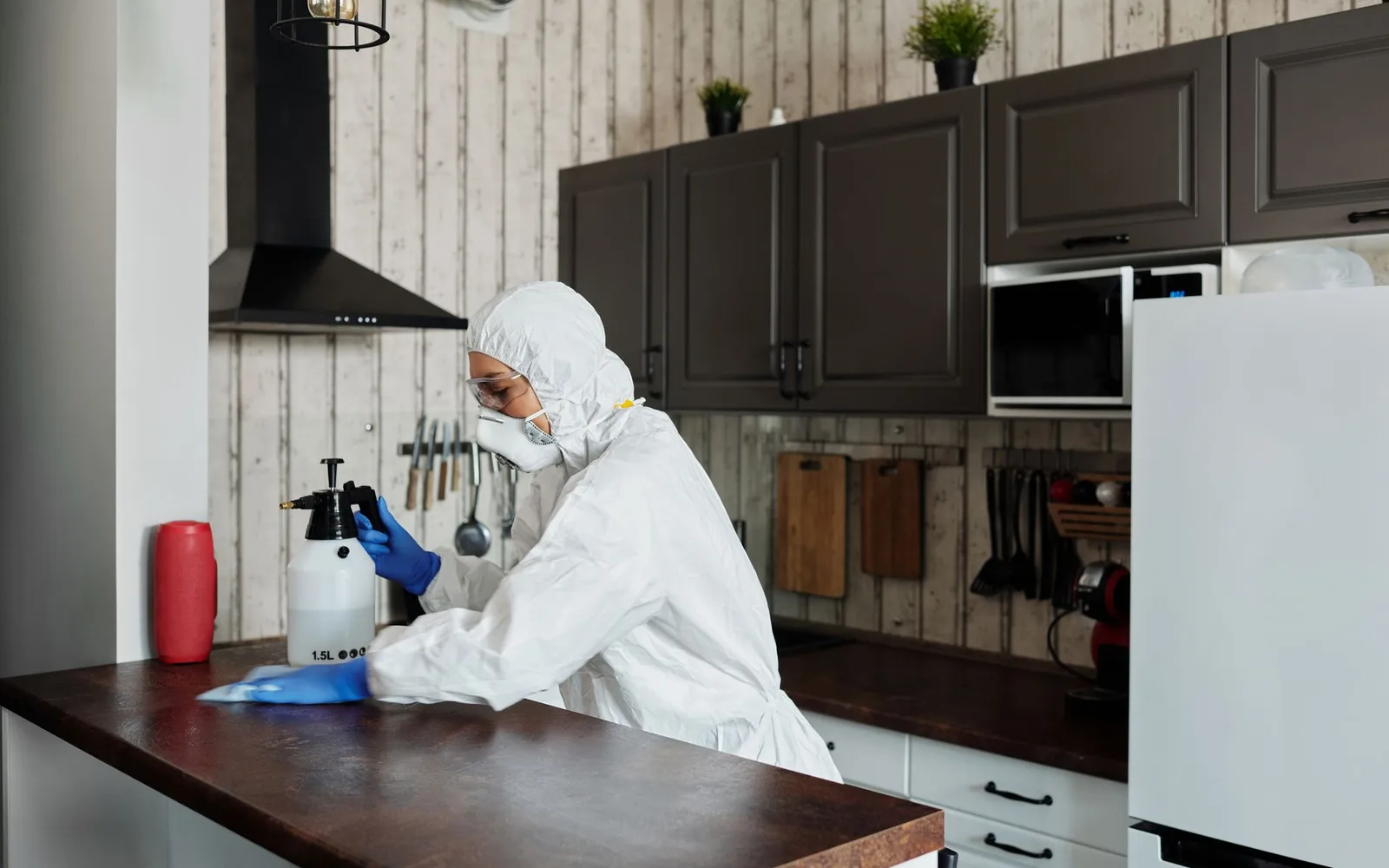
Disinfection in Al Hamra Jeddah
Al Hamra is a coastal district on the Red Sea where high humidity and salt air are constant through all twelve months, and this changes how the disinfectant behaves. Salt and moisture cause rapid corrosion of metals and paint, and moulds and microbes survive far longer in damp maritime air than in dry inland districts. We select a disinfectant potent enough to work through salt spray and persistent humidity.
-
Targeted, not broadcast
Product goes into cracks and runways, never sprayed across open surfaces.
-
Told before we start
What we will use, where it goes, and what to cover or move before we arrive.
-
A follow-up visit
We return after the first treatment, because what survives it does not show on the day.
-
Homes and businesses
Apartments and villas, and kitchens and stores that need a record of each visit.
Why they keep coming back in Al Hamra
Salt air and constant high humidity mean that metals and coatings need more frequent maintenance, and mould grows rapidly in shaded cracks and corners where moisture collects and does not dry out overnight. The method is set out in full on the full Disinfection page.
Salt spray, maritime air and metal corrosion
Salt air from the sea causes rapid corrosion of metals, paints and seals. Metal windows, railings and locks rust quickly, and the disinfectant must be safe on ferrous metals and cannot itself accelerate corrosion. Salt particles sit in joints and crevices and protect bacteria underneath, so pre-treatment is essential.
Mould, fungal growth and dark confined corners
High humidity and warm air create ideal conditions for moulds. Corners between walls and windows, shaded spaces under pipes and narrow gaps collect mould rapidly, and the disinfectant must kill fungal as well as bacterial species. Once mould is established in cracks, treatment is difficult and prevention is better than cure.
Failing paint finishes and cracked wall surfaces
Moisture and salt cause paint to peel and walls to crack. Cracks trap water and allow mould to establish deep inside the surface, where the disinfectant cannot reach. Effective disinfection requires careful surface prep to open and dry the cracks before treatment begins, which adds cost and time.
Al Hamra on the map
Al Hamra sits about 3.5 km from Al Andalus and about 3.5 km from Mushrifah.
Open in Google MapsWhat we look at before the product is chosen
The district sits directly on the shoreline with restaurants, cafes and shopping malls, and the sea air carries moisture and salt particles that penetrate the buildings from outside, depositing on every exposed surface.
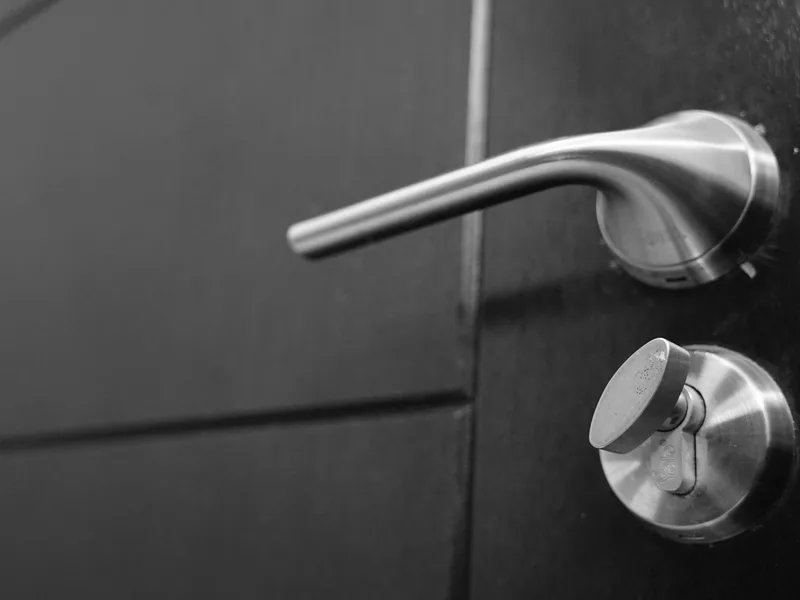
The touch points
Metal touch points and window frames corrode fast from salt, so the disinfectant must protect ferrous surfaces rather than accelerate rust and oxidation.
Porous surfaces
Porous surfaces like concrete and stone absorb salt crystals and moisture deep into the material; surface washing alone does not remove salt trapped below the skin.
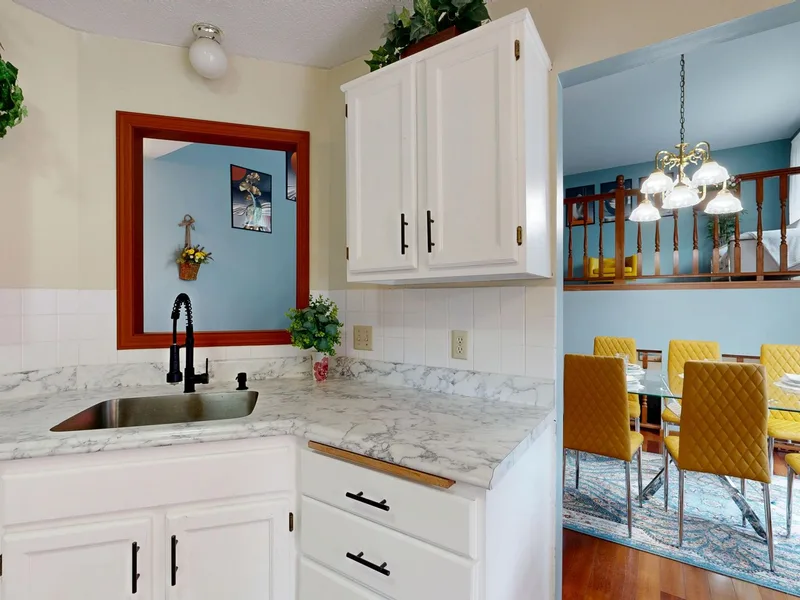
The finish itself
Coastal paint finishes peel from salt and humidity, and the resulting cracks allow mould to take hold below the surface where disinfectant cannot reach it.
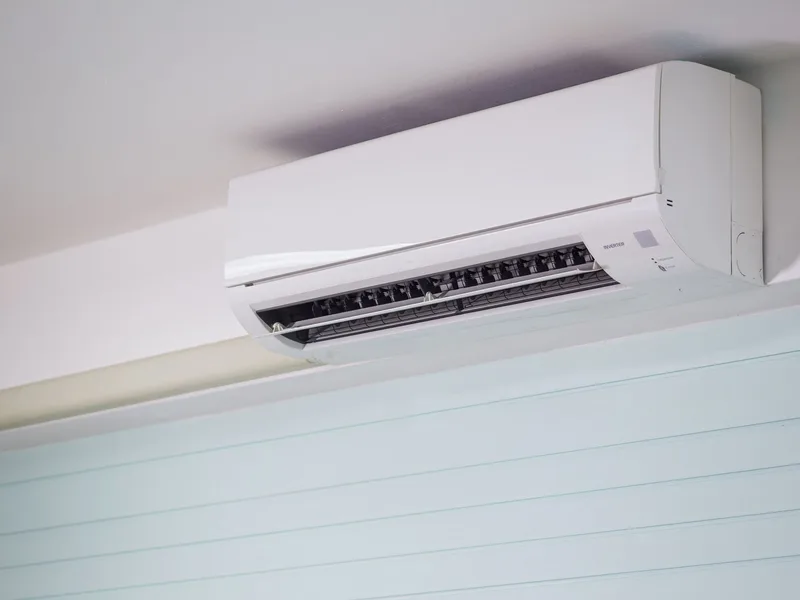
The air conditioning unit
Air conditioning works constantly in Al Hamra and the high humidity means AC units produce more condensation and more mould in the drain lines and output grilles.
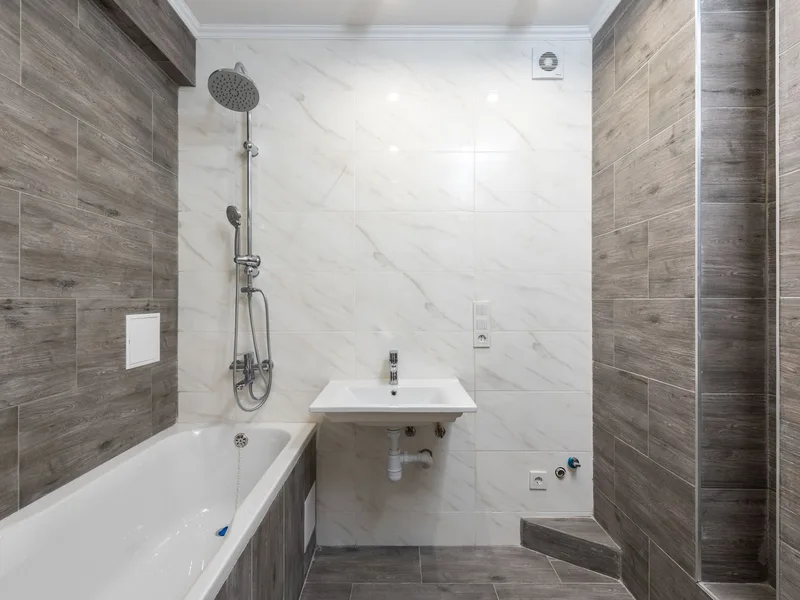
Floor traps
Floor traps and small crevices in coastal buildings accumulate salt and moisture; mould thrives in these pockets and returns quickly unless the trap itself is cleaned and treated.
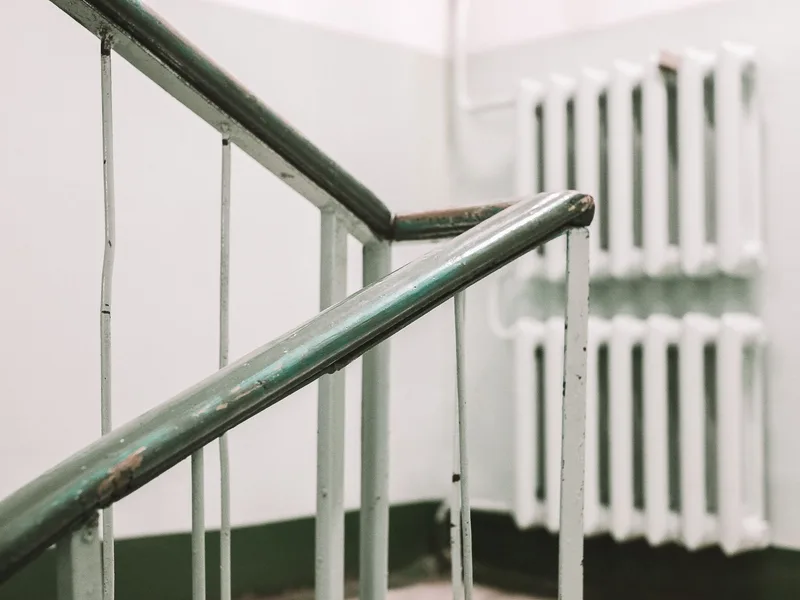
Shared entrances and stairs
External corridors and balconies face the salty air directly, and salt deposits plus high moisture mean mould and corrosion build rapidly in unprotected areas.
How we work
-
1
Walk the space and list the surfaces
We go through the rooms and mark the touch points, the porous surfaces and the finishes, then ask what prompted the call: illness at home, moving into a new place, building work, or a smell that arrived out of nowhere.
-
2
Clean what we are about to treat
We take the film of dust and grease off the surfaces that are in scope, so the product reaches the surface itself. This is preparation for the treatment, not general house cleaning.
-
3
Apply it, and hold the contact time
Hand work on the touch points, a product matched to each surface, and the surface left visibly wet for as long as that material needs before it is dried off. Cold fogging comes last, for what a cloth cannot reach.
-
4
Ventilate and hand back
We open the place up, rinse food preparation surfaces with water, and tell you when each room goes back into use. We give you that timing on the call, because it changes with the product and the space.
What a disinfection visit includes
-

A surface and touch point survey
What gets treated, and with what, settled before anything is opened.
-

Soil off first, then the disinfectant
The greasy film comes off first, then a product that stays wet for the contact time it needs.
-

Floor traps and the air conditioning drain
Floor traps, sink outlets and the drain tray, which is where most smells actually begin.
-
Cold fogging for the space
For upward faces and corners a cloth never reaches, done as the last thing before we leave a room.
-

Ventilation and use instructions
What gets rinsed with water, what is left alone, and when each room goes back into use.
-

A scheduled repeat when it is needed
For shared entrances and places people pass through every day, because a disinfectant leaves nothing behind to stop the next contact.
The character of Al Hamra
Coastal area: high humidity and salt air through the year
Coastal setting means salt and humidity penetrate the buildings constantly, so disinfection alone is not sufficient. We need to select a product powerful enough to overcome salt interference, and recommend a frequent maintenance schedule because the environmental pressure for contamination is very high.
Questions about this district
Does salt air reduce how well the disinfectant works on the surfaces?
Salt can reduce a weak disinfectant's potency, but we select a strong formulation that works through salt spray. We wash the surface free of salt and grime first, then apply the disinfectant to clean stone or metal. The product dries salt-free if rinsed, or remains effective if left to dry salt-dry.
Is mould a bigger problem in Al Hamra than in inland areas of Jeddah?
Yes, high humidity and warm air make mould grow far faster here. Mould establishes in cracks, under window frames, on shaded corners and in closed spaces. Disinfection kills existing mould, but good ventilation and keeping surfaces dry is what stops it returning.
Do cheap interior paints need special protection from the disinfectant?
Low cost paints are vulnerable to strong disinfectants and to the moisture that weakens them. We check the paint type first and choose a compatible product, or we clean and dry the surface thoroughly before treatment so the paint has time to recover its seal.
How much more often should a coastal area be disinfected than inland districts?
Coastal areas need more frequent cycles because salt and humidity accelerate mould and bacterial regrowth. We often recommend a monthly schedule for coastal buildings, whereas an inland residential block might be treated quarterly or on demand.
Does salty seawater spray actually penetrate the inside of the buildings?
Salt carried by wind settles on exterior surfaces and window frames, and fine salt particles are drawn inside through open windows and ventilation. The main path is air infiltration, not water entry. Salt deposits build up on horizontal surfaces and in joints where moisture also collects.
Do the high rise towers along the shore need more frequent disinfection than lower buildings?
Higher floors receive heavier salt spray and stronger wind, which means salt deposits accumulate faster on windows and external surfaces. Upper floor flats may need more frequent treatment of external areas, whilst lower floors may suffer more from groundwater damp and rising moisture.
How much does disinfection in Al Hamra cost?
It is set after the inspection, because the price follows the type of infestation, the size of the space, how far it has spread and the number of visits it needs. Send a photo and a description on WhatsApp and we will give you an estimate before we reach Al Hamra.
Nearby districts we cover
Other services in Al Hamra
Other services we provide to residents of Al Hamra.
-
 Residential
Cockroach control
Residential
Cockroach control
-
 Residential
Bed bug control
Residential
Bed bug control
-
 Residential
Termite control
Residential
Termite control
-
 Residential
Rodents and mice
Residential
Rodents and mice
-
 Residential
Mosquito control
Residential
Mosquito control
-
 Residential
Fly control
Residential
Fly control
-
 Residential
Ant control
Residential
Ant control
-
 Residential
Gecko control
Residential
Gecko control
-
 Residential
Scorpion control
Residential
Scorpion control
-
 Residential
Snake control
Residential
Snake control
-
 Residential
Flea control
Residential
Flea control
-
 Residential
Bird and pigeon control
Residential
Bird and pigeon control
-
 Residential
Preventive treatment
Residential
Preventive treatment
-
 Commercial
Annual contracts
Commercial
Annual contracts
-
 Commercial
Restaurants and cafes
Commercial
Restaurants and cafes
-
 Commercial
Hotels and apartments
Commercial
Hotels and apartments
-
 Commercial
Warehouses and factories
Commercial
Warehouses and factories
-
 Commercial
Schools and nurseries
Commercial
Schools and nurseries
-
 Commercial
Retail and malls
Commercial
Retail and malls
-
 Commercial
Rest houses and farms
Commercial
Rest houses and farms
-
 Commercial
Fumigation
Commercial
Fumigation
-
 Water tanks
Water tank cleaning
Water tanks
Water tank cleaning
-
 Water tanks
Water tank sterilization
Water tanks
Water tank sterilization
-
 Water tanks
Water tank sealing
Water tanks
Water tank sealing
-
 Water tanks
Tank leak repair
Water tanks
Tank leak repair
Need disinfection in Al Hamra? Tell us what you saw and we will tell you what it needs
We reach Al Hamra at a time we agree, and you get the full cost before we start.