
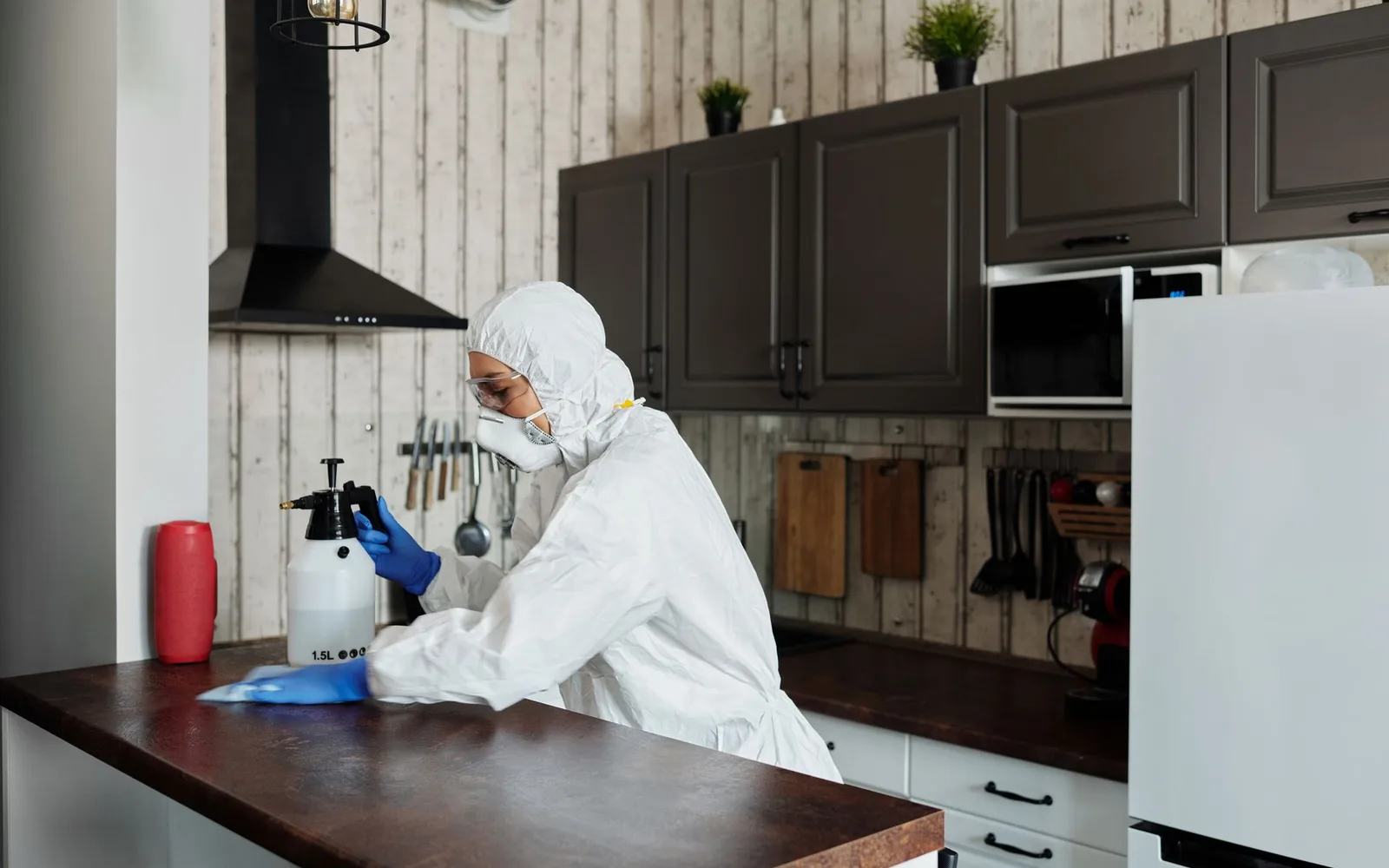
Disinfection in Al Muhammadiyah Jeddah
Al Muhammadiyah between King Abdulaziz Road and Madinah Road is a diverse district of spacious villas, modern apartment buildings and active commercial strips along Quraish and Prince Sultan roads. High sea humidity, salt laden wind and the constant irrigation of gardens throughout the neighbourhood create an ideal breeding ground for cockroaches, mosquitoes and ants because water, plants and salt are present in every courtyard and garden.
-
Targeted, not broadcast
Product goes into cracks and runways, never sprayed across open surfaces.
-
Told before we start
What we will use, where it goes, and what to cover or move before we arrive.
-
A follow-up visit
We return after the first treatment, because what survives it does not show on the day.
-
Homes and businesses
Apartments and villas, and kitchens and stores that need a record of each visit.
Why they keep coming back in Al Muhammadiyah
Large villas with irrigated courtyards and dense gardens attract insects faster than homes in the hills, because standing irrigation water and sea moisture create ideal breeding conditions that spread through the neighbourhood. The method is set out in full on our Disinfection service.
Irrigated gardens enlarge the treatment footprint.
Spacious Al Muhammadiyah villas are surrounded by gardens and green areas that are watered constantly. Disinfecting only the interior of the villa is insufficient if the garden, courtyard and external surfaces remain open sources of moisture. We need to treat the garden and external paths alongside the interior to cut off the insect entry route from outside.
Sea humidity blocks disinfectant drying.
Salt laden air from the sea prevents disinfectant from drying quickly on already damp surfaces. The product stays active longer but application takes hours more than in an inland district, and forced air circulation and active ventilation are essential here.
Commercial strips below send insects and smells upstairs.
Residential flats in buildings above busy commercial spines of restaurants and cafes receive food smell and insects from the floors below. Disinfecting only the flat without treating the shop beneath leaves the return route open through shared lifts and stairs.
Al Muhammadiyah on the map
Al Muhammadiyah sits about 3 km from Al Naeem and about 3.5 km from Al Nahdah.
Open in Google MapsWhat we look at before the product is chosen
The district sits on a northern shore of Jeddah beside Al Basatin gardens and the coast. Sea humidity is high for most of the year and wind carries salt spray inland regularly. Irrigated gardens and lawns are scattered across villa plots and around the corniche.
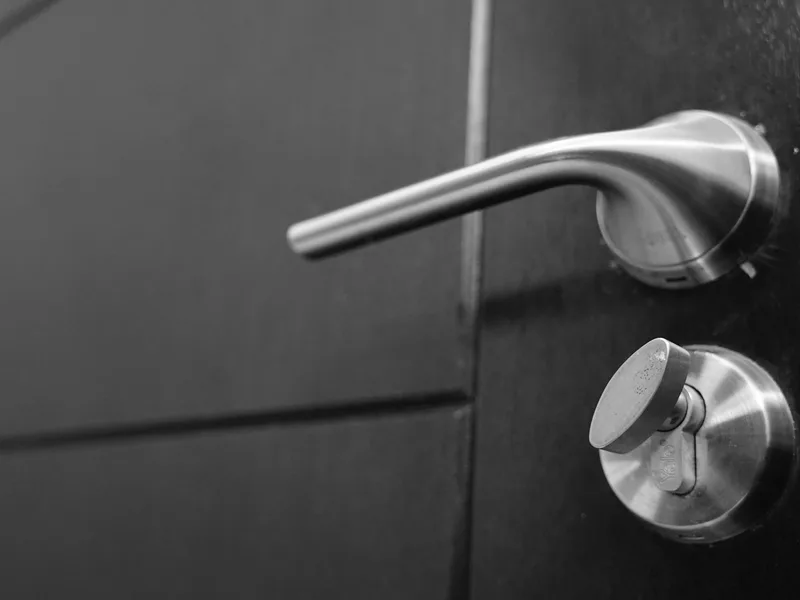
The touch points
Touch points in large villas are numerous: doors, railings, furniture and fixtures. Moisture from the garden makes disinfectant dry slowly on each surface, so the work takes longer than a comparable home in a dry district.
Porous surfaces
Surfaces here are a mix of marble, timber and plaster. Salt and moisture seep under tiles and into floor gaps easily, so we inject disinfectant into the voids beneath flooring.
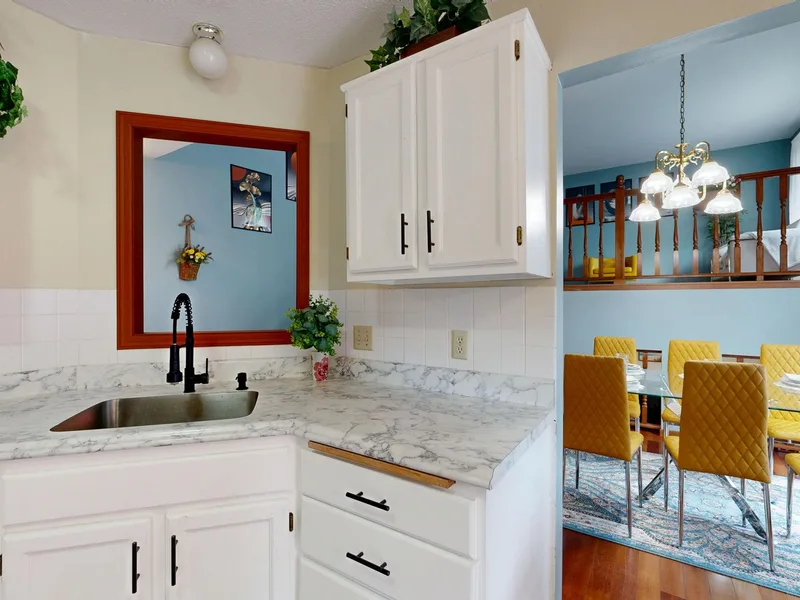
The finish itself
The luxury finish of marble and high value timber needs careful handling. High humidity makes these surfaces prone to cracking and swelling if the disinfectant is not dried methodically.
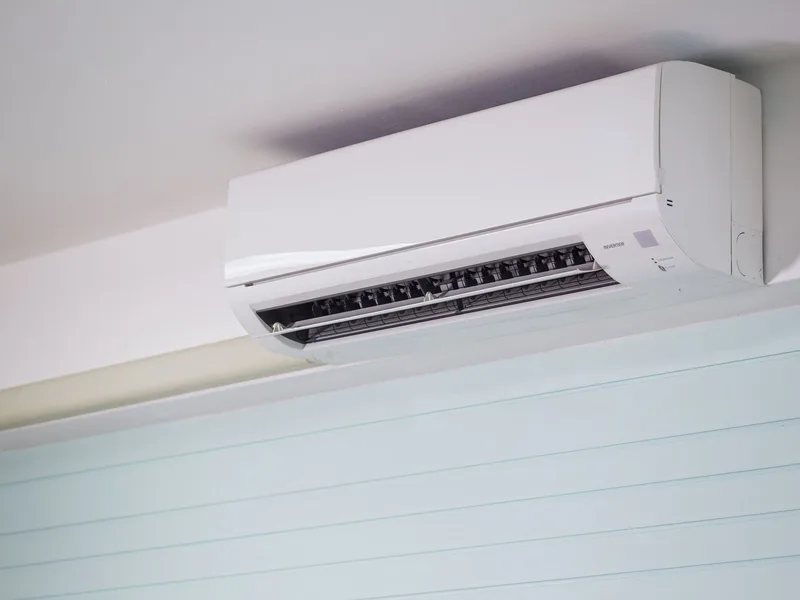
The air conditioning unit
The air conditioning unit on the roof sits exposed to salt and sea moisture directly. The filters are permanently damp and need aggressive treatment and forced drying to be effective.
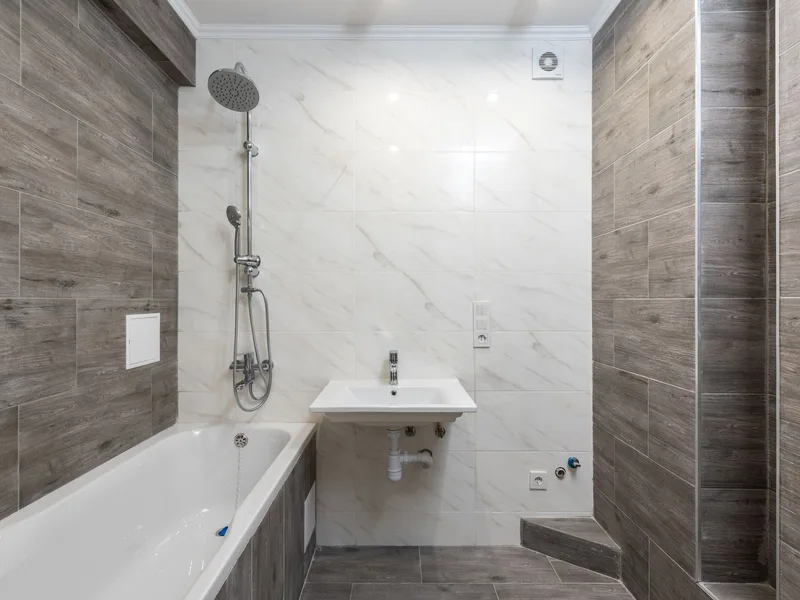
Floor traps
External floor traps in the garden and courtyard collect irrigation water and salt spray, and become strong odour sources if not treated with a purpose designed damp inhibitor.
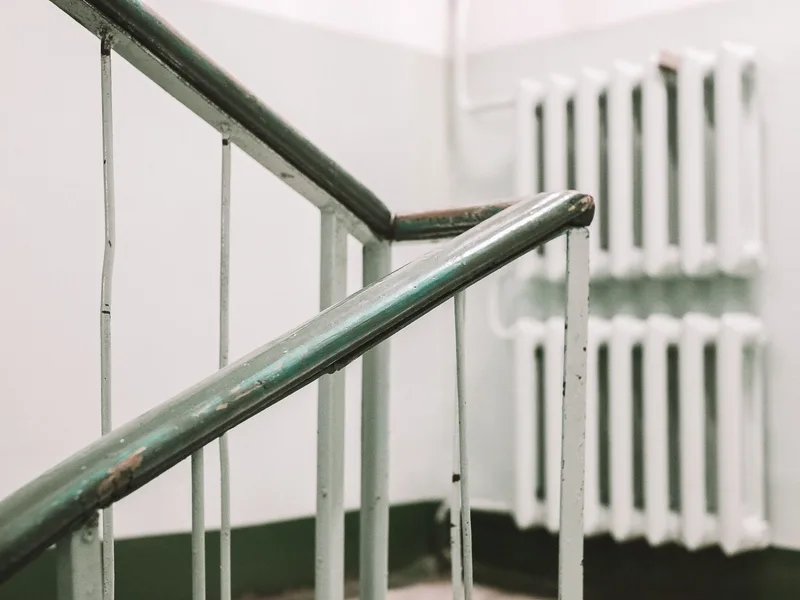
Shared entrances and stairs
The main entrance to the villa, the internal stairs and external passages all need equal treatment because insects enter through the courtyard entrance, so cutting both pathways requires simultaneous treatment.
How we work
-
1
Walk the space and list the surfaces
We go through the rooms and mark the touch points, the porous surfaces and the finishes, then ask what prompted the call: illness at home, moving into a new place, building work, or a smell that arrived out of nowhere.
-
2
Clean what we are about to treat
We take the film of dust and grease off the surfaces that are in scope, so the product reaches the surface itself. This is preparation for the treatment, not general house cleaning.
-
3
Apply it, and hold the contact time
Hand work on the touch points, a product matched to each surface, and the surface left visibly wet for as long as that material needs before it is dried off. Cold fogging comes last, for what a cloth cannot reach.
-
4
Ventilate and hand back
We open the place up, rinse food preparation surfaces with water, and tell you when each room goes back into use. We give you that timing on the call, because it changes with the product and the space.
What a disinfection visit includes
-

A surface and touch point survey
What gets treated, and with what, settled before anything is opened.
-

Soil off first, then the disinfectant
The greasy film comes off first, then a product that stays wet for the contact time it needs.
-

Floor traps and the air conditioning drain
Floor traps, sink outlets and the drain tray, which is where most smells actually begin.
-
Cold fogging for the space
For upward faces and corners a cloth never reaches, done as the last thing before we leave a room.
-

Ventilation and use instructions
What gets rinsed with water, what is left alone, and when each room goes back into use.
-

A scheduled repeat when it is needed
For shared entrances and places people pass through every day, because a disinfectant leaves nothing behind to stop the next contact.
What is different about Obhur Sub-Municipality
Obhur sub-municipality runs along Jeddah's northern shoreline from Al Shati up to Obhur Creek. It mixes large villas and gated compounds with busy commercial spines of restaurants, cafes, markets and hotels. Sea humidity is high for most of the year and salt laden breezes keep timber and render damp, while irrigated gardens and lawns surround the corniche and the villa plots. Standing irrigation water, dense planting and food waste from the hospitality strip suit cockroaches, mosquitoes and ants, and the chalets and rest houses scattered along the creek stand empty for long spells, which lets insects and rodents settle undisturbed.
Questions about this district
Our villa has a large garden and courtyard around it. Is treating indoors alone enough?
No. Gardens in Al Muhammadiyah villas are open sources of moisture and insects that enter the home at night. We treat the courtyard, garden and external paths alongside the interior in one visit. This cuts the return rate significantly.
Does the shared lift and stairwell between flats need separate disinfection treatment?
Yes. Shared passages, the lift and the stairs are the most contaminated spaces because at least ten flats use them daily. We recommend disinfecting passages, lift and stairs every three months minimum if active commercial premises operate below the building.
Our air conditioning unit sits on the roof. Do salt and moisture affect how disinfection works?
Salt and humidity keep the air filter permanently damp. Disinfectant struggles to adhere to wet filters. We treat the cooling unit separately with a product formulated to work against both salt and dampness rather than standard disinfectant.
The flat is above a restaurant. What can we do about the cooking smells that rise?
Restaurant smells rise through the lift, stairs and gaps between floors. Treating the flat alone does not work. We recommend treating both restaurant and flat together in one visit. If that is not possible the passages and lift need disinfecting every month.
Do Al Basatin gardens and the public park beside the home affect how the disinfection holds?
The nearby gardens and public green spaces are continuous sources of insects, moisture and odours. Disinfection protects your home for a time, but insects return from the gardens quickly. Annual disinfection is the minimum we recommend.
Does disinfection cover drainage pipes and the external drains of the property?
Yes. Moisture from the sea and the constant irrigation of gardens makes external drainage pipes a permanent source of odours. We treat drainage gaps and external traps with damp resistant products so returning smells do not come up from the foundations.
How much does disinfection in Al Muhammadiyah cost?
It is set after the inspection, because the price follows the type of infestation, the size of the space, how far it has spread and the number of visits it needs. Send a photo and a description on WhatsApp and we will give you an estimate before we reach Al Muhammadiyah.
Nearby districts we cover
Other services in Al Muhammadiyah
Other services we provide to residents of Al Muhammadiyah.
-
 Residential
Cockroach control
-
 Residential
Bed bug control
-
 Residential
Termite control
-
 Residential
Rodents and mice
Need disinfection in Al Muhammadiyah? Tell us what you saw and we will tell you what it needs
We reach Al Muhammadiyah at a time we agree, and you get the full cost before we start.