
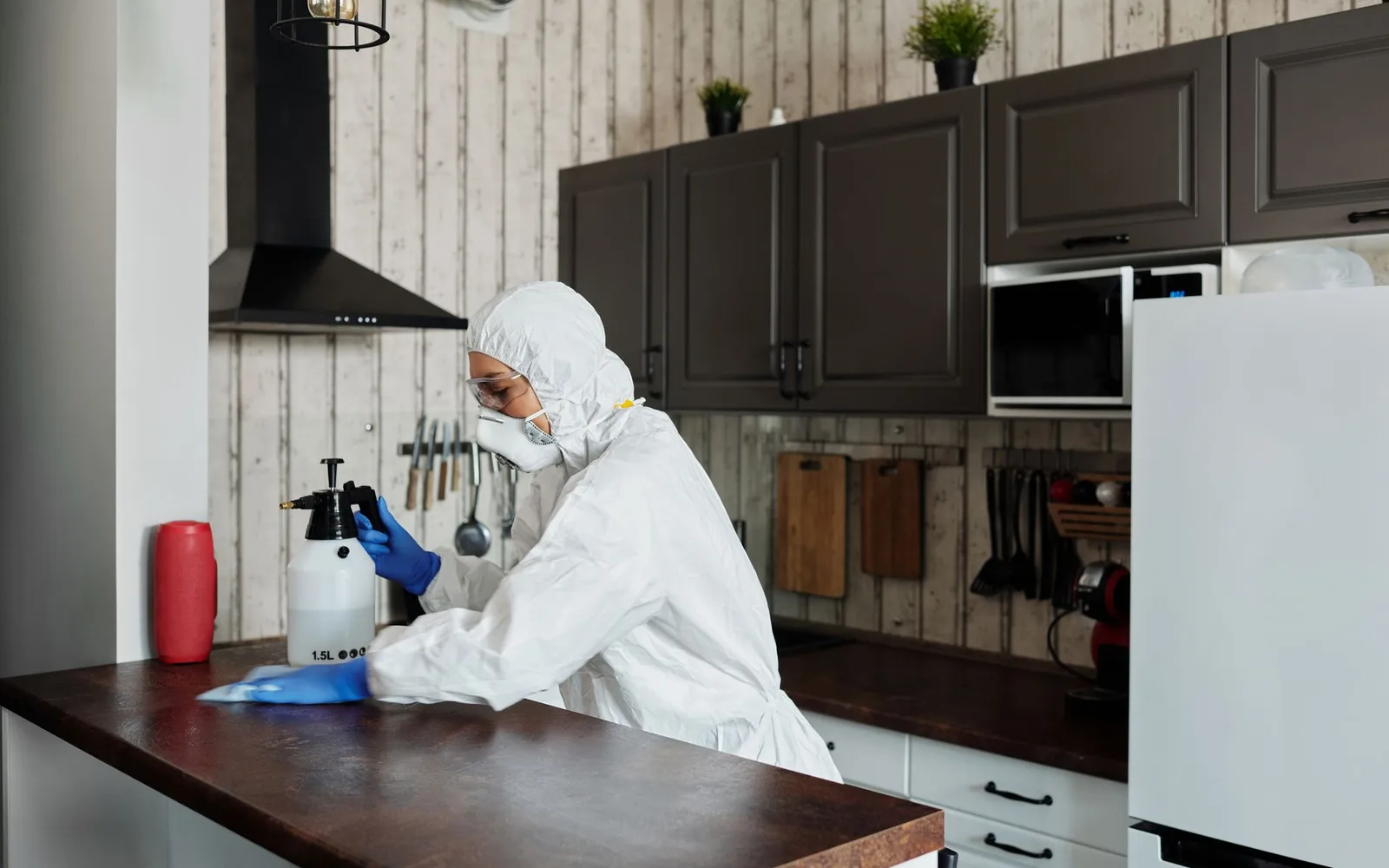
Disinfection in Al Nahdah Jeddah
Al Nahdah is a mixed district in north Jeddah close to the sea along Hira Street, where villas and apartment blocks stand among dense commercial spines of restaurants, cafes and clinics. Disinfection here differs uniquely because high coastal humidity combines with intense food service activity, so contamination from food waste and salt laden humid air converge to create an unusually complex infection environment that single location treatment cannot adequately address.
-
Targeted, not broadcast
Product goes into cracks and runways, never sprayed across open surfaces.
-
Told before we start
What we will use, where it goes, and what to cover or move before we arrive.
-
A follow-up visit
We return after the first treatment, because what survives it does not show on the day.
-
Homes and businesses
Apartments and villas, and kitchens and stores that need a record of each visit.
Why they keep coming back in Al Nahdah
Al Nahdah faces multiple simultaneous problems: high humidity from the sea and salt air, and food contamination from shops and restaurants, making the district subject to continuous mould, cockroach and mosquito problems. The method is set out in full on Disinfection in detail.
Sea humidity penetrates foundations and walls deeply
Al Nahdah is very close to the sea, relative humidity stays above 75 percent all year. Salt laden air seeps into homes through every crack and opening, walls stay damp. Salt and humidity together create ideal conditions for rapid bacterial and fungal growth that appears within weeks of any cleaning.
Food service activity attracts insects to the entire district
The dense restaurants and cafes on Hira Street generate food waste and soil daily. Insects and rodents are attracted to all this available food and move easily between shops and homes. Disinfecting a single home does not protect it from insects migrating from the adjacent food businesses.
Standing water and irrigated gardens breed mosquitoes
The small gardens in villas and water features and slow drainage provide ideal mosquito breeding conditions. The nearby sea and constant humidity encourage standing water to persist. Mosquitoes enter homes easily through open windows.
Landmarks of Al Nahdah
Al Nahdah runs along Hira Street between King Abdulaziz Road and Prince Sultan Road very close to the sea, and Hira Plaza and Al Nahdah Park mark the district's commercial and residential character on the local map.
- Hira Street
- King Abdulaziz Road
- Prince Sultan Road
- Hira Plaza
- Al Nahdah Park
- Umar ibn Al Khattab Mosque
What we look at before the product is chosen
The district runs between King Abdulaziz Road and Prince Sultan Road along Hira Street very close to the sea, relative humidity is extremely high and commercial activity on the main spines is very intense.
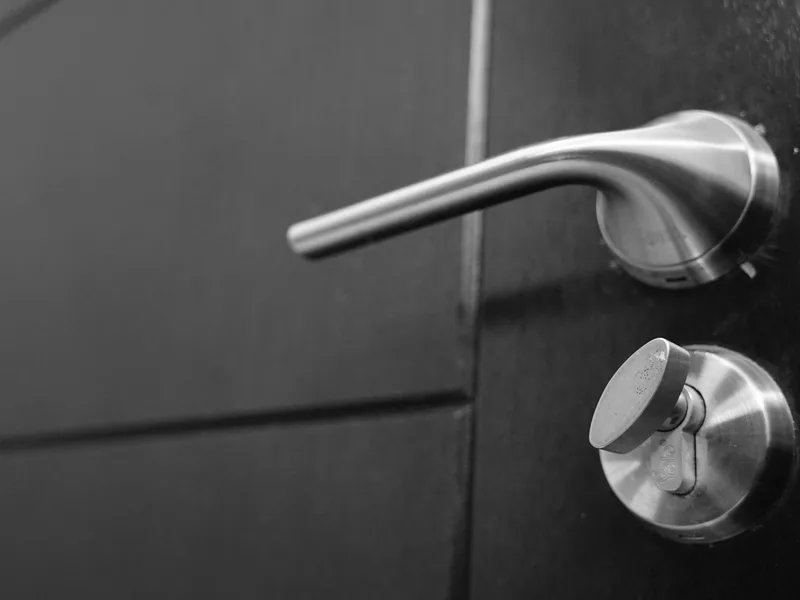
The touch points
Touch points in Al Nahdah include windows and doors and exterior walls and balconies, all directly exposed to salt laden humid air from the sea.
Porous surfaces
Porous surfaces include exterior walls and old paint and exposed stone. Salt deposits in pores and moisture enters readily.
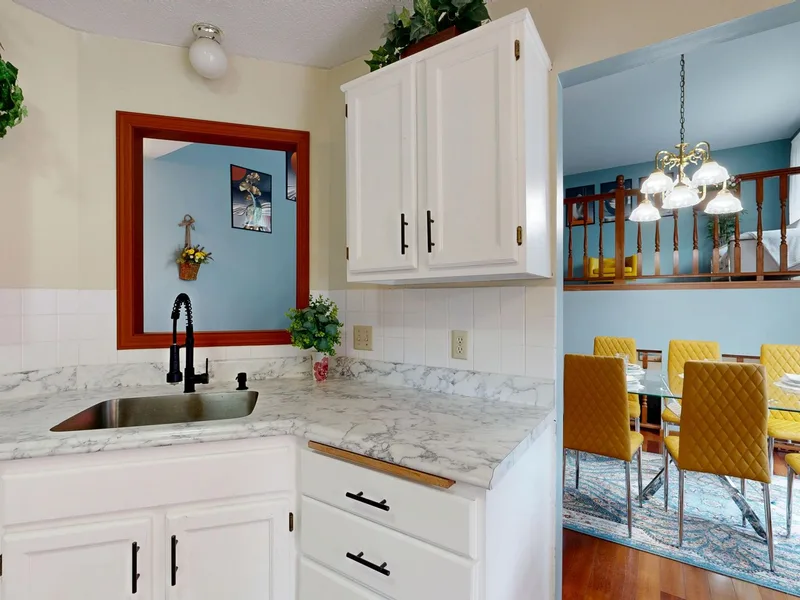
The finish itself
The finish is relatively modern but humidity and salt corrode it rapidly, paint may be old and ceramic looks clean but is damp beneath.
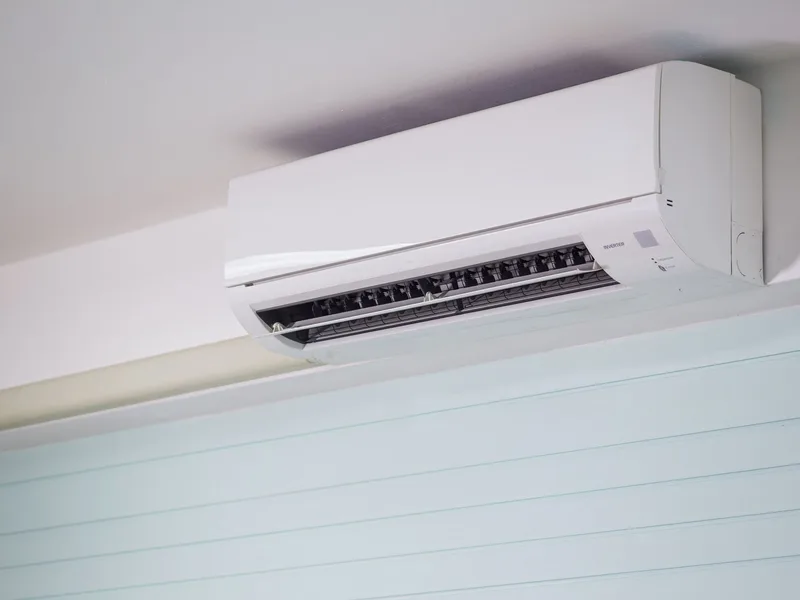
The air conditioning unit
Air conditioning units in Al Nahdah are close to the sea and draw extremely humid air, filters clog rapidly and may develop odours.
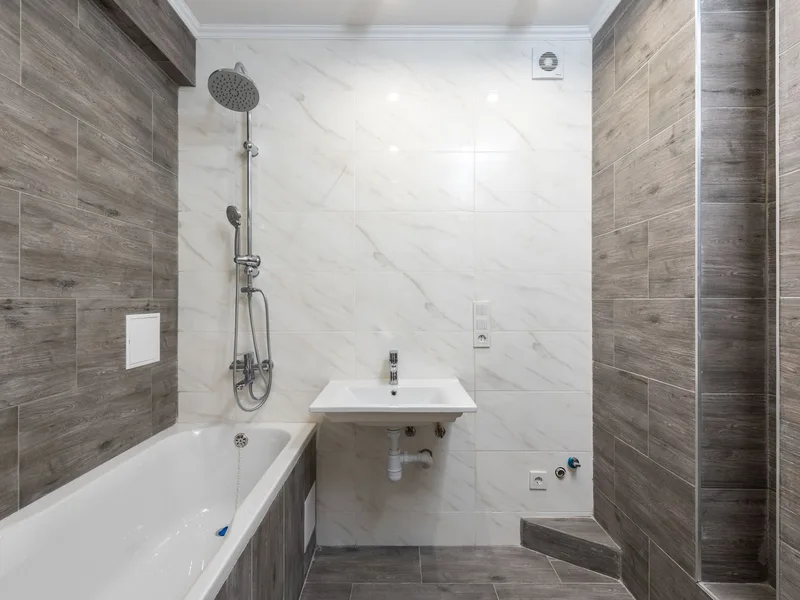
Floor traps
Floor traps in flats may contain salt and brackish water from the sea air, and food waste from restaurants may reach them through shared drainage.
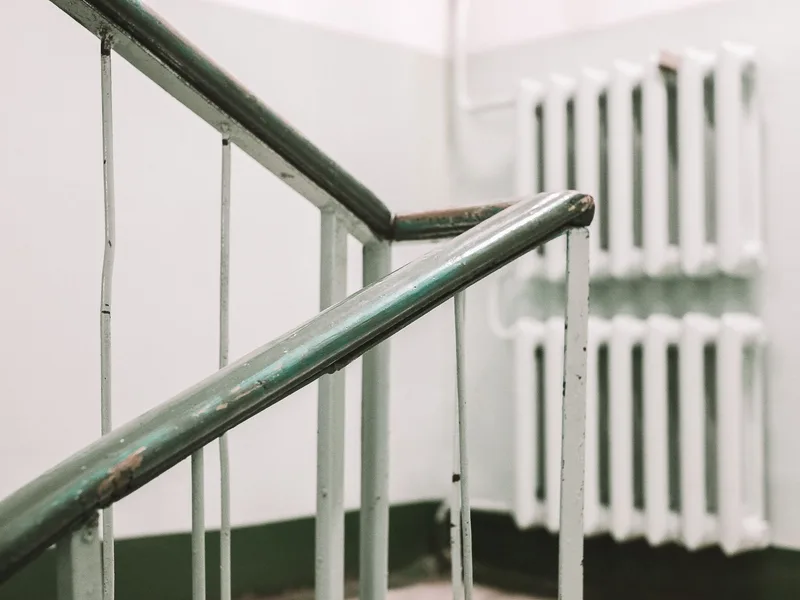
Shared entrances and stairs
Small gardens and water features around the flats hold standing water that attracts mosquitoes and other insects continuously.
How we work
-
1
Walk the space and list the surfaces
We go through the rooms and mark the touch points, the porous surfaces and the finishes, then ask what prompted the call: illness at home, moving into a new place, building work, or a smell that arrived out of nowhere.
-
2
Clean what we are about to treat
We take the film of dust and grease off the surfaces that are in scope, so the product reaches the surface itself. This is preparation for the treatment, not general house cleaning.
-
3
Apply it, and hold the contact time
Hand work on the touch points, a product matched to each surface, and the surface left visibly wet for as long as that material needs before it is dried off. Cold fogging comes last, for what a cloth cannot reach.
-
4
Ventilate and hand back
We open the place up, rinse food preparation surfaces with water, and tell you when each room goes back into use. We give you that timing on the call, because it changes with the product and the space.
What a disinfection visit includes
-

A surface and touch point survey
What gets treated, and with what, settled before anything is opened.
-

Soil off first, then the disinfectant
The greasy film comes off first, then a product that stays wet for the contact time it needs.
-

Floor traps and the air conditioning drain
Floor traps, sink outlets and the drain tray, which is where most smells actually begin.
-
Cold fogging for the space
For upward faces and corners a cloth never reaches, done as the last thing before we leave a room.
-

Ventilation and use instructions
What gets rinsed with water, what is left alone, and when each room goes back into use.
-

A scheduled repeat when it is needed
For shared entrances and places people pass through every day, because a disinfectant leaves nothing behind to stop the next contact.
What is different about Obhur Sub-Municipality
Obhur sub-municipality runs along Jeddah's northern shoreline from Al Shati up to Obhur Creek. It mixes large villas and gated compounds with busy commercial spines of restaurants, cafes, markets and hotels. Sea humidity is high for most of the year and salt laden breezes keep timber and render damp, while irrigated gardens and lawns surround the corniche and the villa plots. Standing irrigation water, dense planting and food waste from the hospitality strip suit cockroaches, mosquitoes and ants, and the chalets and rest houses scattered along the creek stand empty for long spells, which lets insects and rodents settle undisturbed.
Questions about this district
The home in Al Nahdah is next to a popular restaurant. Cockroaches are extremely numerous. What is the answer?
Cockroaches migrate from the restaurant into the home searching for water and shelter. Disinfecting the home is necessary but insufficient, treating the restaurant and the voids between becomes essential. Regular monthly treatment may be necessary in this situation.
Many mosquitoes in the flat even with windows closed. Why does this happen?
Mosquitoes enter through small cracks and openings, and may come from underground through floor traps. High humidity and salt air attract mosquitoes. Outside and inside treatment together are necessary.
Walls in the flat are damp and paint is peeling. Is this normal in Al Nahdah?
Sea humidity and salt corrode paint rapidly. It is normal close to the sea, but specialist paint resistant to salt and moisture is needed.
Strange street smells enter the home. How do we prevent this?
Warm humid air from the sea and restaurants carries strange odours. Better window and door sealing is needed, and managed ventilation rather than open windows.
Does a home in Al Nahdah need more frequent disinfection than other districts?
Yes, Al Nahdah requires more frequent disinfection because of humidity, salt and commercial activity. Scheduled disinfection every two months is better than annual treatment.
Water beneath the foundation does not dry in Al Nahdah. Does this affect disinfection effectiveness?
Yes, standing water beneath the foundation provides ideal conditions for bacteria. Disinfection kills bacteria present now, but water brings fresh bacteria rapidly. Improved drainage must precede effective disinfection.
How much does disinfection in Al Nahdah cost?
It is set after the inspection, because the price follows the type of infestation, the size of the space, how far it has spread and the number of visits it needs. Send a photo and a description on WhatsApp and we will give you an estimate before we reach Al Nahdah.
Nearby districts we cover
Other services in Al Nahdah
Other services we provide to residents of Al Nahdah.
-
 Residential
Cockroach control
Residential
Cockroach control
-
 Residential
Bed bug control
Residential
Bed bug control
-
 Residential
Termite control
Residential
Termite control
-
 Residential
Rodents and mice
Residential
Rodents and mice
-
 Residential
Mosquito control
Residential
Mosquito control
-
 Residential
Fly control
Residential
Fly control
-
 Residential
Ant control
Residential
Ant control
-
 Residential
Gecko control
Residential
Gecko control
-
 Residential
Scorpion control
Residential
Scorpion control
-
 Residential
Snake control
Residential
Snake control
-
 Residential
Flea control
Residential
Flea control
-
 Residential
Bird and pigeon control
Residential
Bird and pigeon control
-
 Residential
Preventive treatment
Residential
Preventive treatment
-
 Commercial
Annual contracts
Commercial
Annual contracts
-
 Commercial
Restaurants and cafes
Commercial
Restaurants and cafes
-
 Commercial
Hotels and apartments
Commercial
Hotels and apartments
-
 Commercial
Warehouses and factories
Commercial
Warehouses and factories
-
 Commercial
Schools and nurseries
Commercial
Schools and nurseries
-
 Commercial
Retail and malls
Commercial
Retail and malls
-
 Commercial
Rest houses and farms
Commercial
Rest houses and farms
-
 Commercial
Fumigation
Commercial
Fumigation
-
 Water tanks
Water tank cleaning
Water tanks
Water tank cleaning
-
 Water tanks
Water tank sterilization
Water tanks
Water tank sterilization
-
 Water tanks
Water tank sealing
Water tanks
Water tank sealing
-
 Water tanks
Tank leak repair
Water tanks
Tank leak repair
Need disinfection in Al Nahdah? Tell us what you saw and we will tell you what it needs
We reach Al Nahdah at a time we agree, and you get the full cost before we start.