
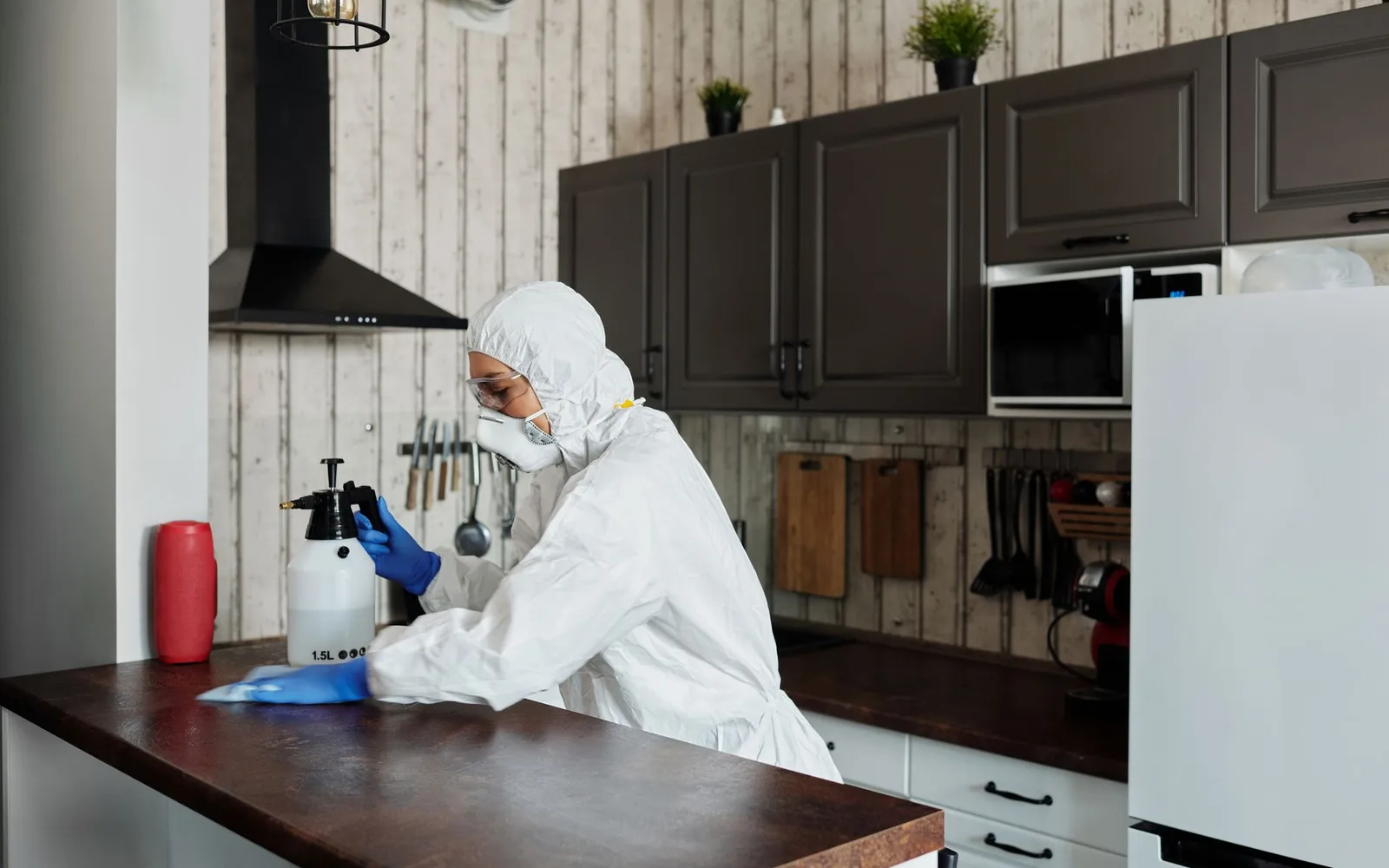
Disinfection in Al Rawabi Makkah
Al Rawabi is a district of high rise apartment blocks on hewn hillsides, its repeated floors split by tunnel passages beneath. It houses both Umrah visitors and permanent residents in a compressed vertical space, and disinfection must reach the floor traps and gaps between storeys where water and dampness travel upward from the excavated rock and pipe work below.
-
Targeted, not broadcast
Product goes into cracks and runways, never sprayed across open surfaces.
-
Told before we start
What we will use, where it goes, and what to cover or move before we arrive.
-
A follow-up visit
We return after the first treatment, because what survives it does not show on the day.
-
Homes and businesses
Apartments and villas, and kitchens and stores that need a record of each visit.
Why they keep coming back in Al Rawabi
Dampness appears on the walls of lower storeys quickly after rain, and stale smells return from the shared floor traps in the corridors long before they would naturally clear. The method is set out in full on how we approach Disinfection.
Shared entrances and the narrowed stairwells
The corridors and stairwells in these blocks are narrow and persistently damp, worn by the footsteps of thousands. Disinfectant cannot reach deep into the cracks between steps because moisture washes the product away unless the surfaces stay wet long enough for it to work.
Floor traps and the voids between storeys
Water and grease accumulate in the floor traps under basins and in the kitchens, and smells travel up through the pipe voids between flats to the units below. These voids must be cleaned before disinfection starts, or the smell returns through channels the disinfectant cannot reach.
Dampness rising from the tunnels and soaked ground
The foundations weep water from the tunnel system and saturated earth, and moisture rises by capillary action into the walls and the concrete base. Disinfectant works on the surface only, so we dry the walls first and then leave the product wet long enough to penetrate the hairline cracks where moisture pulls contamination inward.
Landmarks of Al Rawabi
The Al Rawabi blocks stretch from Al Rawabi Garden eastward to Ajyad Kudai Road on the west, and disinfection starts from the Kudai Ajyad Tunnel entrance and rises through each storey, treating every entrance, passage and floor trap that drains from the mountain excavations beneath.
- Rai Bakhsh
- Ajyad Kudai Road
- Kudai Ajyad Tunnel
- Al Rawabi Garden
- Jabal Khandamah
What we look at before the product is chosen
The modern mountain tunnels that run beneath the buildings collect moisture and groundwater seepage from the surrounding hillside, and the apartment drainage networks discharge into open foundation pits created by earlier excavation.
The touch points
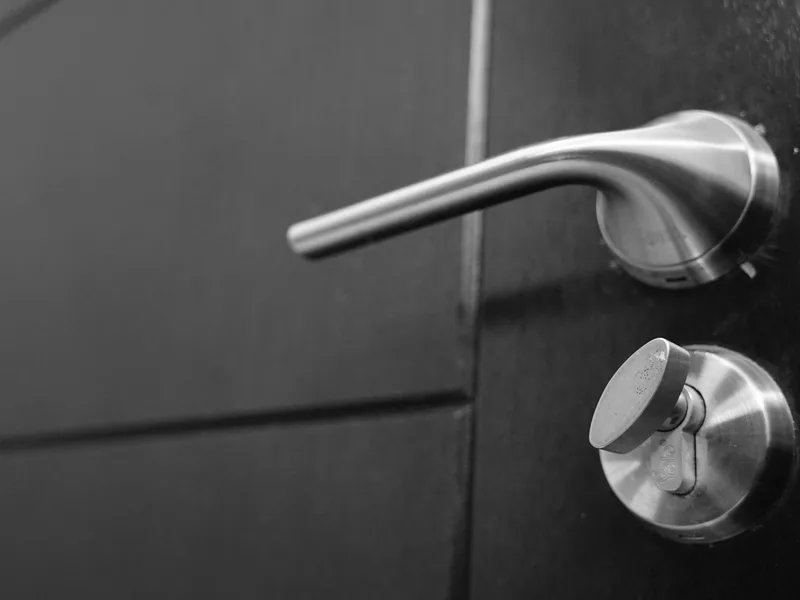
Lift buttons, railings and door handles are touched by thousands of hands daily, and the dampness makes them a constant breeding ground for pathogens.
Porous surfaces
The porous surfaces in the concrete stairs and plaster walls hold water and grease, and disinfectant cannot penetrate them unless the top layer is first removed by washing.
The finish itself
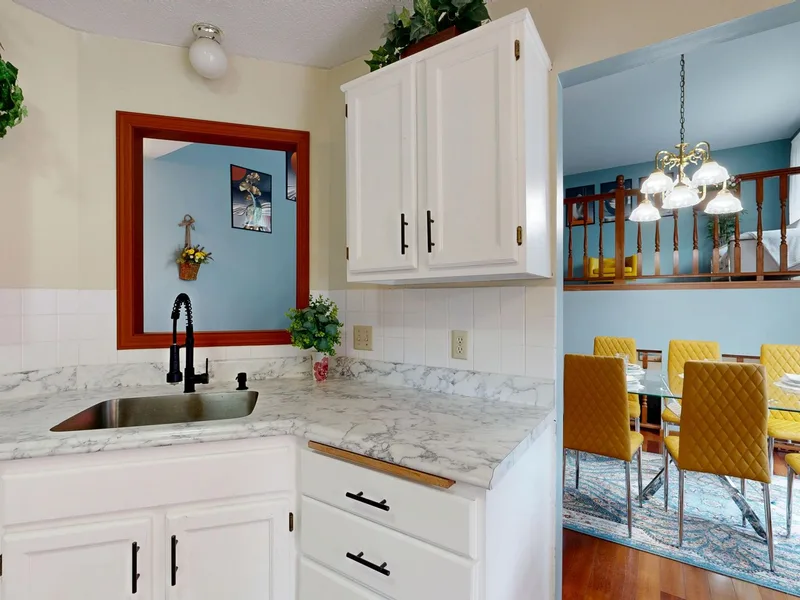
Old paint on stairs and walls reduces how well disinfectant is absorbed, so we scrape off flaking paint and clean the raw surface before application.
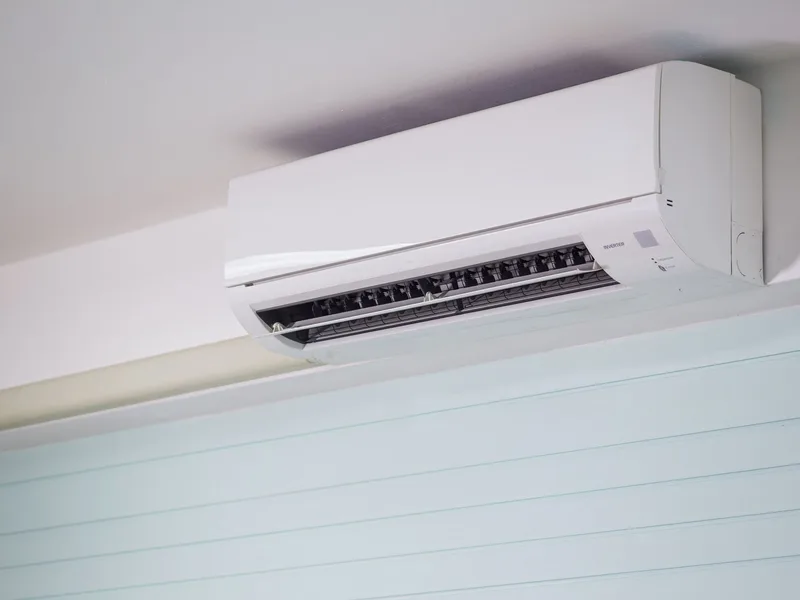
The air conditioning unit
Air conditioning units in the shared passages blow damp air constantly, mixing hot and cold currents that collect pathogens in filters and ducting.
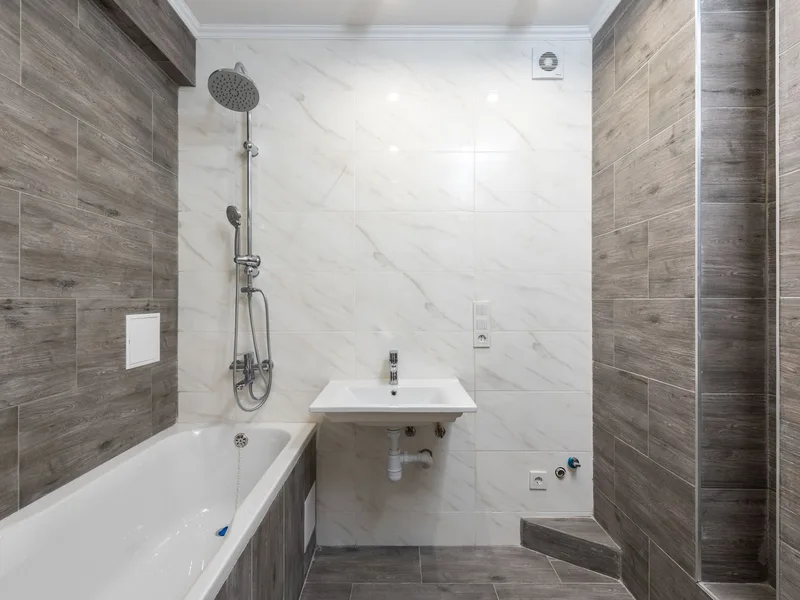
Floor traps
Floor traps in corridors and under stairwell basins hold standing water, grease and soap residue and generate foul smells because stagnant water produces colonies rapidly.
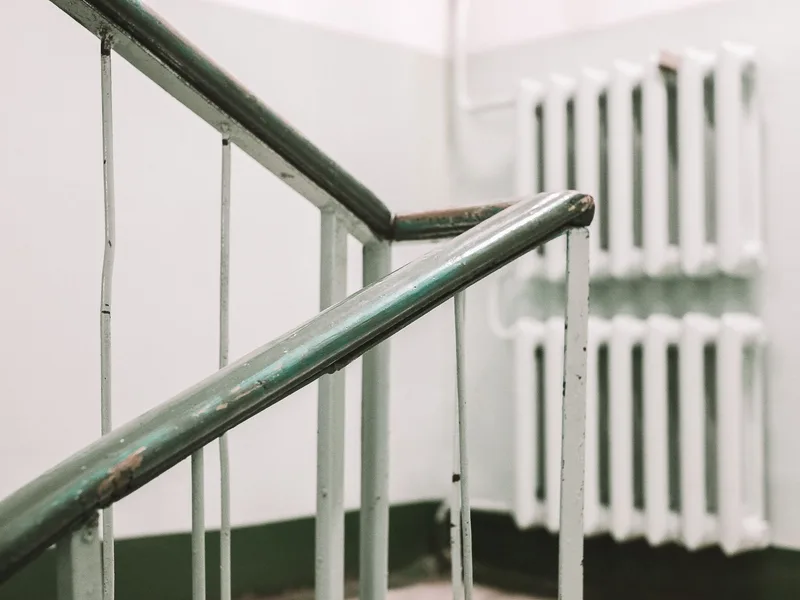
Shared entrances and stairs
The external door and stairwells lack natural ventilation, so we open all windows and passage doors during disinfection and afterwards to expel moisture and vapours.
How we work
-
1
Walk the space and list the surfaces
We go through the rooms and mark the touch points, the porous surfaces and the finishes, then ask what prompted the call: illness at home, moving into a new place, building work, or a smell that arrived out of nowhere.
-
2
Clean what we are about to treat
We take the film of dust and grease off the surfaces that are in scope, so the product reaches the surface itself. This is preparation for the treatment, not general house cleaning.
-
3
Apply it, and hold the contact time
Hand work on the touch points, a product matched to each surface, and the surface left visibly wet for as long as that material needs before it is dried off. Cold fogging comes last, for what a cloth cannot reach.
-
4
Ventilate and hand back
We open the place up, rinse food preparation surfaces with water, and tell you when each room goes back into use. We give you that timing on the call, because it changes with the product and the space.
What a disinfection visit includes
-

A surface and touch point survey
What gets treated, and with what, settled before anything is opened.
-

Soil off first, then the disinfectant
The greasy film comes off first, then a product that stays wet for the contact time it needs.
-

Floor traps and the air conditioning drain
Floor traps, sink outlets and the drain tray, which is where most smells actually begin.
-
Cold fogging for the space
For upward faces and corners a cloth never reaches, done as the last thing before we leave a room.
-

Ventilation and use instructions
What gets rinsed with water, what is left alone, and when each room goes back into use.
-

A scheduled repeat when it is needed
For shared entrances and places people pass through every day, because a disinfectant leaves nothing behind to stop the next contact.
What is different about Al Misfalah Sub-Municipality
Al Misfalah sub municipality runs downhill from the south of the Grand Mosque through Al Misfalah, Kudai and Al Rawabi to Al Taqwa, Al Hindawiyah, Al Khalidiyah and Al Rusayfah at the third ring road. The northern end is old apartment blocks and pilgrim hotels with restaurants along Ibrahim Al Khalil Street and the huge coach parks at Kudai. The south and west are dense popular districts with countless small shops and unplanned hillside housing, some of it already cleared for redevelopment, giving way to orderly land grant schemes in Al Rusayfah beside the railway station.
Questions about this district
Does permanent dampness from tunnels beneath reduce disinfectant effectiveness here?
Constant moisture washes the product away before it can dry, but we clean the surface first and dry it thoroughly, then apply at stronger concentration and leave it wet longer. We inspect the base and corners separately because they hold standing water.
Do the shared stairwells need special preparation before disinfection can begin?
Yes. We scrub the stairs hard to remove grease and accumulated dirt, then wait until they dry completely. Cracks between the steps hold moisture, so we brush and air-dry them with cloths before applying the disinfectant.
Does disinfecting one flat remove the need to treat the shared corridors?
No. The smell comes from the corridors, stairs and the shared floor traps beneath them. We disinfect corridors, stairwells and the external entrance as one, or the odour returns through channels no flat-level treatment can reach.
How often per year do the Al Rawabi blocks need preventive disinfection?
Two to three times annually depending on occupancy and seasonal dampness. New pilgrim waves bring new pathogens, and the tunnel system's moisture encourages rapid bacterial growth.
Does treatment of the gaps between a flat and the shared passage include the door itself?
Yes. The door, frame and all cracks around it hold moisture and colonies. We clean and air-dry them and apply disinfectant to wood and metal, then leave the door slightly open until completely dry.
After disinfection, when can residents touch the stair rails and door handles?
Once the disinfectant is completely dry, which takes four hours in damp conditions instead of two. We leave the entrance door open and windows wide to speed drying and ventilation.
How much does disinfection in Al Rawabi cost?
It is set after the inspection, because the price follows the type of infestation, the size of the space, how far it has spread and the number of visits it needs. Send a photo and a description on WhatsApp and we will give you an estimate before we reach Al Rawabi.
Nearby districts we cover
Other services in Al Rawabi
Other services we provide to residents of Al Rawabi.
-
 Residential
Cockroach control
Residential
Cockroach control
-
 Residential
Bed bug control
Residential
Bed bug control
-
 Residential
Termite control
Residential
Termite control
-
 Residential
Rodents and mice
Residential
Rodents and mice
-
 Residential
Mosquito control
Residential
Mosquito control
-
 Residential
Fly control
Residential
Fly control
-
 Residential
Ant control
Residential
Ant control
-
 Residential
Gecko control
Residential
Gecko control
-
 Residential
Scorpion control
Residential
Scorpion control
-
 Residential
Snake control
Residential
Snake control
-
 Residential
Flea control
Residential
Flea control
-
 Residential
Bird and pigeon control
Residential
Bird and pigeon control
-
 Residential
Preventive treatment
Residential
Preventive treatment
-
 Commercial
Annual contracts
Commercial
Annual contracts
-
 Commercial
Restaurants and cafes
Commercial
Restaurants and cafes
-
 Commercial
Hotels and apartments
Commercial
Hotels and apartments
-
 Commercial
Warehouses and factories
Commercial
Warehouses and factories
-
 Commercial
Schools and nurseries
Commercial
Schools and nurseries
-
 Commercial
Retail and malls
Commercial
Retail and malls
-
 Commercial
Rest houses and farms
Commercial
Rest houses and farms
-
 Commercial
Fumigation
Commercial
Fumigation
-
 Water tanks
Water tank cleaning
Water tanks
Water tank cleaning
-
 Water tanks
Water tank sterilization
Water tanks
Water tank sterilization
-
 Water tanks
Water tank sealing
Water tanks
Water tank sealing
-
 Water tanks
Tank leak repair
Water tanks
Tank leak repair
Need disinfection in Al Rawabi? Tell us what you saw and we will tell you what it needs
We reach Al Rawabi at a time we agree, and you get the full cost before we start.