
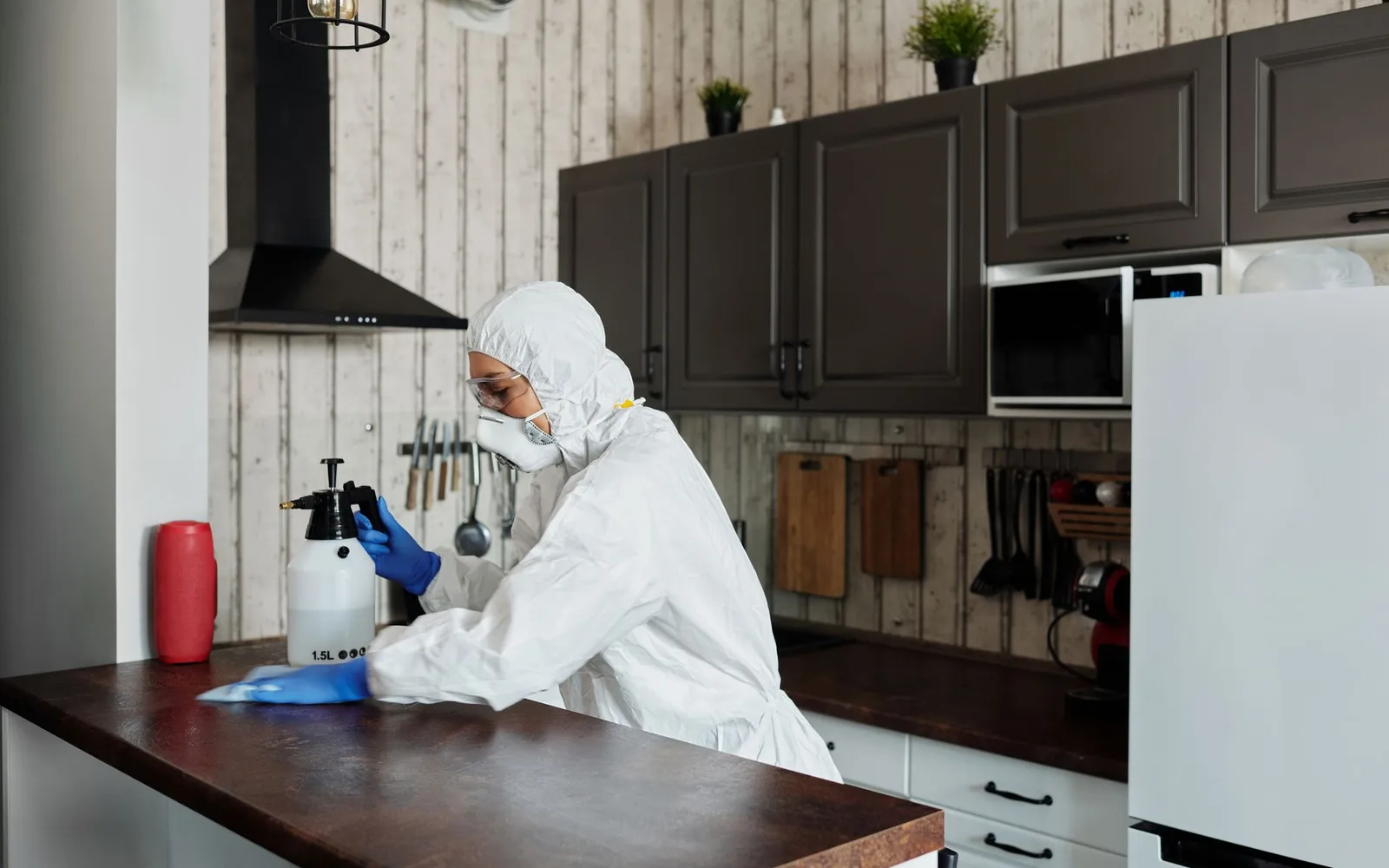
Disinfection in Al Utaybiyah Makkah
Al Utaybiyah is an old, crowded quarter of ageing houses on the hill slopes just north of the Grand Mosque, served by a sewer network more than forty years old. The popular Al Utaybiyah market on Hajun Street bustles with shops and crowds all year, especially during Hajj season. The old buildings, narrow streets and leaking underground pipes mean contaminants travel readily between the flats and the busy market below.
-
Targeted, not broadcast
Product goes into cracks and runways, never sprayed across open surfaces.
-
Told before we start
What we will use, where it goes, and what to cover or move before we arrive.
-
A follow-up visit
We return after the first treatment, because what survives it does not show on the day.
-
Homes and businesses
Apartments and villas, and kitchens and stores that need a record of each visit.
Why they keep coming back in Al Utaybiyah
Residents report permanent damp and mould in walls and furnishings because the old pipework below ground leaks sewage and contamination directly upward. The method is set out in full on the full Disinfection page.
Ageing pipes and continuous leaks
The sewer network over forty years old leaks everywhere underground. The leaks bring moisture and contaminants into foundations and lower walls directly. Treating foundations, traps and underground openings is essential to stop contaminants returning from below through the ground.
Al Utaybiyah Market and constant crowds
The popular market brings huge numbers of visitors all year, especially during Ramadan and Hajj season. Continuous foot traffic, goods handling and food sales create many bacterial and mould contaminants. Flats above the market and adjacent shops need separate preventive disinfection.
Very narrow streets and poor ventilation
The very narrow lanes of Al Utaybiyah do not permit good air flow through the old buildings. Still air carries mould and contaminants readily. Treating windows and openings is essential, and we recommend continuous ventilation after disinfection is complete.
The character of Al Utaybiyah
Historic district: close-set buildings, narrow lanes and ageing services
An old district means buildings packed very close together, extremely narrow streets and very old infrastructure, all causing permanent dampness and contaminants that travel readily between homes. Disinfection treatment needs longer contact time, harder drying and the full time left wet to penetrate the very deep pores.
What we look at before the product is chosen
Al Utaybiyah is an old quarter on the hill slopes with very narrow streets and very aged building stock. The sewer network is over forty years old with inevitable leaks everywhere beneath the streets and buildings.
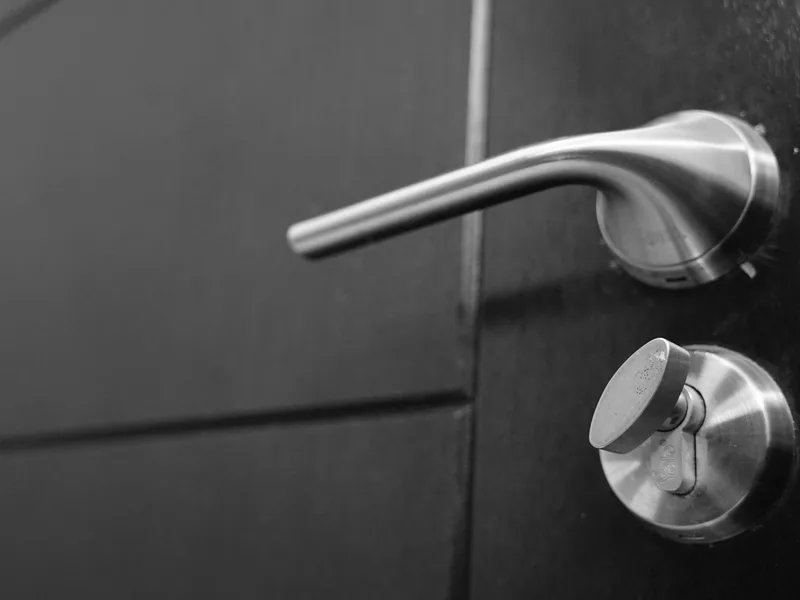
The touch points
Touch points in old buildings are very high traffic and hold moisture from deep cracks and constantly damp surfaces.
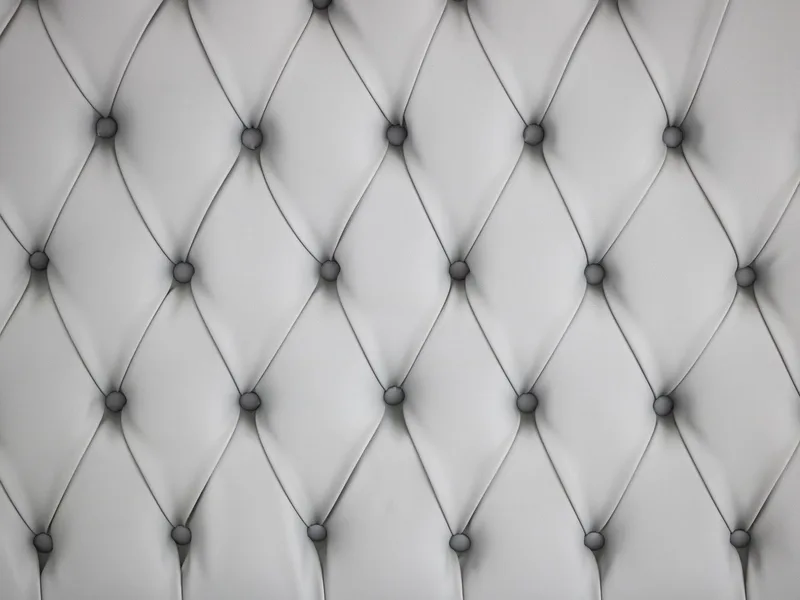
Porous surfaces
Porous surfaces made of old brick and sandstone absorb moisture and contaminants readily and need very hard drying first.
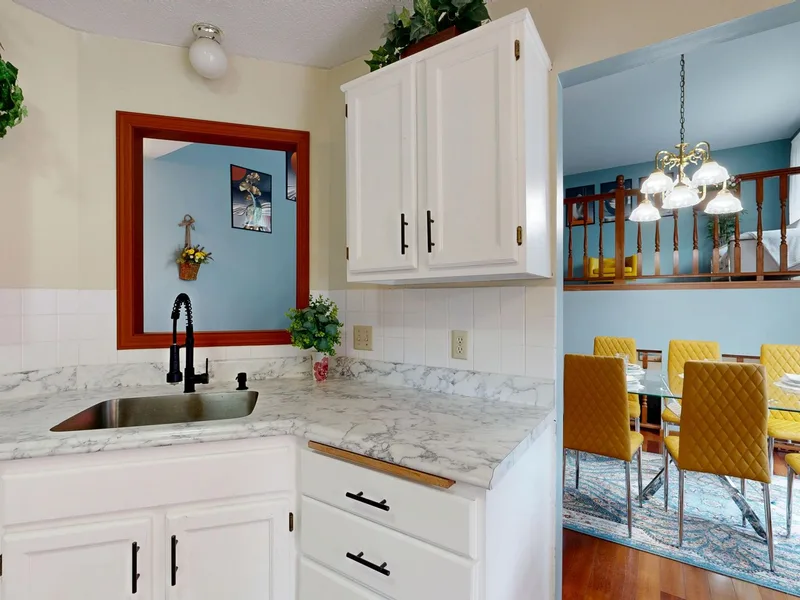
The finish itself
Old finishes of traditional paint and lime crumble easily from dampness, so they need gentle handling and product left wet for a long time.
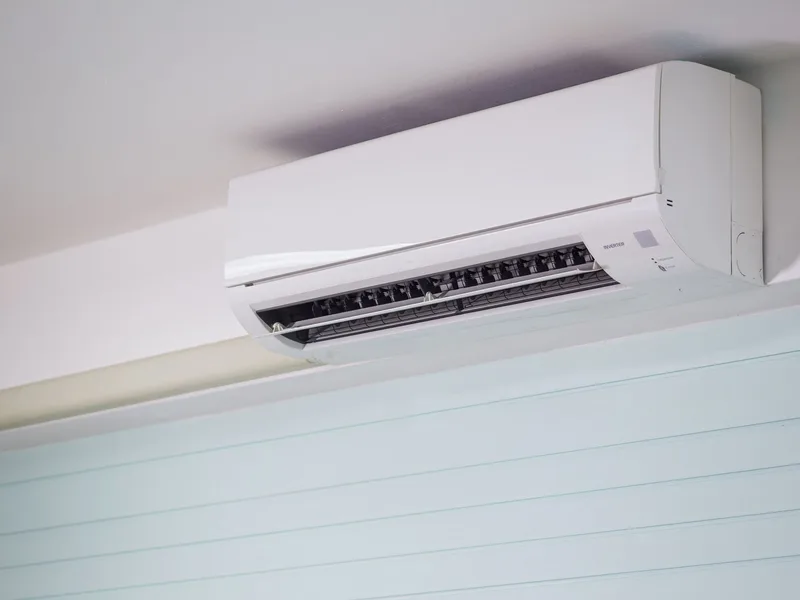
The air conditioning unit
Air conditioning units in old buildings are rare and natural ventilation is poor, so floor trap drainage and openings carry dampness and contaminants.
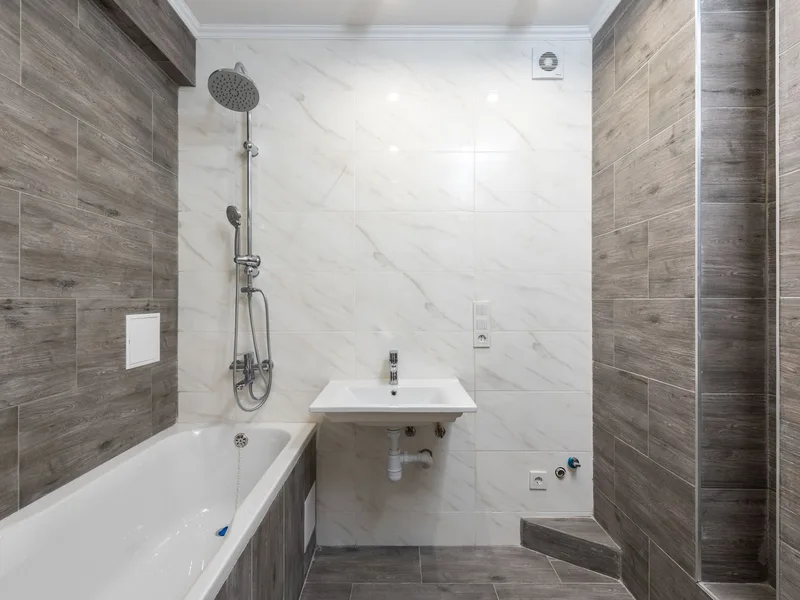
Floor traps
Floor traps in old buildings leak easily from constant dampness, needing deep treatment and ongoing monitoring.
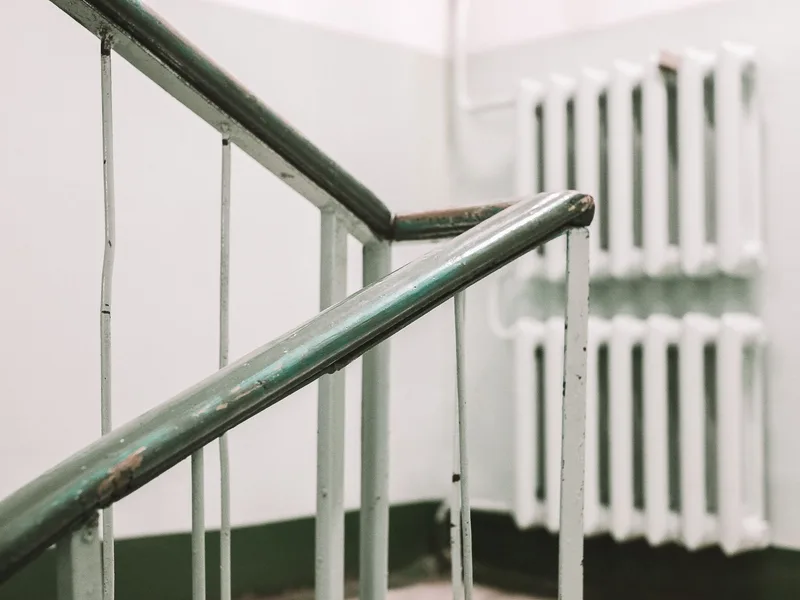
Shared entrances and stairs
Shared entrances and narrow stairwells are poorly ventilated and hold dampness and contaminants more than the rest of the district.
How we work
-
1
Walk the space and list the surfaces
We go through the rooms and mark the touch points, the porous surfaces and the finishes, then ask what prompted the call: illness at home, moving into a new place, building work, or a smell that arrived out of nowhere.
-
2
Clean what we are about to treat
We take the film of dust and grease off the surfaces that are in scope, so the product reaches the surface itself. This is preparation for the treatment, not general house cleaning.
-
3
Apply it, and hold the contact time
Hand work on the touch points, a product matched to each surface, and the surface left visibly wet for as long as that material needs before it is dried off. Cold fogging comes last, for what a cloth cannot reach.
-
4
Ventilate and hand back
We open the place up, rinse food preparation surfaces with water, and tell you when each room goes back into use. We give you that timing on the call, because it changes with the product and the space.
What a disinfection visit includes
-

A surface and touch point survey
What gets treated, and with what, settled before anything is opened.
-

Soil off first, then the disinfectant
The greasy film comes off first, then a product that stays wet for the contact time it needs.
-

Floor traps and the air conditioning drain
Floor traps, sink outlets and the drain tray, which is where most smells actually begin.
-
Cold fogging for the space
For upward faces and corners a cloth never reaches, done as the last thing before we leave a room.
-

Ventilation and use instructions
What gets rinsed with water, what is left alone, and when each room goes back into use.
-

A scheduled repeat when it is needed
For shared entrances and places people pass through every day, because a disinfectant leaves nothing behind to stop the next contact.
Landmarks of Al Utaybiyah
Al Utaybiyah centres on the popular market on Hajun Street, which lies under three kilometres from the Haram. Treating the district requires understanding how shops and homes sit on either side of the market and the different access routes through the narrow lanes.
- Al Utaybiyah Market
- Hajun Street
- Hajj Street
- Madinah Road
- Revival of Islamic Heritage Library
Questions about this district
Does permanent dampness from old pipes reduce how well disinfection works?
Permanent damp does not reduce product effectiveness if we apply to a dry surface. However, moisture returns from below ground quickly, so we recommend treating foundations and underground traps first before treating the walls.
Do old buildings need different treatment from modern buildings?
Yes, very much so. Old buildings have many cracks, gaps and very porous surfaces. Hard initial drying then applying disinfectant left wet for longer is essential to penetrate the deep pores.
How often do flats in an old district like Al Utaybiyah need disinfecting?
We recommend comprehensive disinfection every three months for flats in the district, and monthly preventive disinfection for shops and the busy market nearby.
Do cracks and gaps in old buildings need special treatment?
Yes, cracks and gaps carry contaminants from below ground directly. We need deep cleaning of gaps first, then treatment with a disinfectant left wet for longer.
Does the severe crowding in the market affect the flats above it?
Yes, very much. The market generates many bacterial and mould contaminants. Flats above the market need separate preventive disinfection at least every two months.
Can we stop contaminants from the market without disinfecting the market itself?
Very difficult. Treating shared openings and traps between market and flats helps but benefits are limited. We recommend treating both market and flats together at the same time.
How much does disinfection in Al Utaybiyah cost?
It is set after the inspection, because the price follows the type of infestation, the size of the space, how far it has spread and the number of visits it needs. Send a photo and a description on WhatsApp and we will give you an estimate before we reach Al Utaybiyah.
Nearby districts we cover
Other services in Al Utaybiyah
Other services we provide to residents of Al Utaybiyah.
-
 Residential
Cockroach control
Residential
Cockroach control
-
 Residential
Bed bug control
Residential
Bed bug control
-
 Residential
Termite control
Residential
Termite control
-
 Residential
Rodents and mice
Residential
Rodents and mice
-
 Residential
Mosquito control
Residential
Mosquito control
-
 Residential
Fly control
Residential
Fly control
-
 Residential
Ant control
Residential
Ant control
-
 Residential
Gecko control
Residential
Gecko control
-
 Residential
Scorpion control
Residential
Scorpion control
-
 Residential
Snake control
Residential
Snake control
-
 Residential
Flea control
Residential
Flea control
-
 Residential
Bird and pigeon control
Residential
Bird and pigeon control
-
 Residential
Preventive treatment
Residential
Preventive treatment
-
 Commercial
Annual contracts
Commercial
Annual contracts
-
 Commercial
Restaurants and cafes
Commercial
Restaurants and cafes
-
 Commercial
Hotels and apartments
Commercial
Hotels and apartments
-
 Commercial
Warehouses and factories
Commercial
Warehouses and factories
-
 Commercial
Schools and nurseries
Commercial
Schools and nurseries
-
 Commercial
Retail and malls
Commercial
Retail and malls
-
 Commercial
Rest houses and farms
Commercial
Rest houses and farms
-
 Commercial
Fumigation
Commercial
Fumigation
-
 Water tanks
Water tank cleaning
Water tanks
Water tank cleaning
-
 Water tanks
Water tank sterilization
Water tanks
Water tank sterilization
-
 Water tanks
Water tank sealing
Water tanks
Water tank sealing
-
 Water tanks
Tank leak repair
Water tanks
Tank leak repair
Need disinfection in Al Utaybiyah? Tell us what you saw and we will tell you what it needs
We reach Al Utaybiyah at a time we agree, and you get the full cost before we start.