
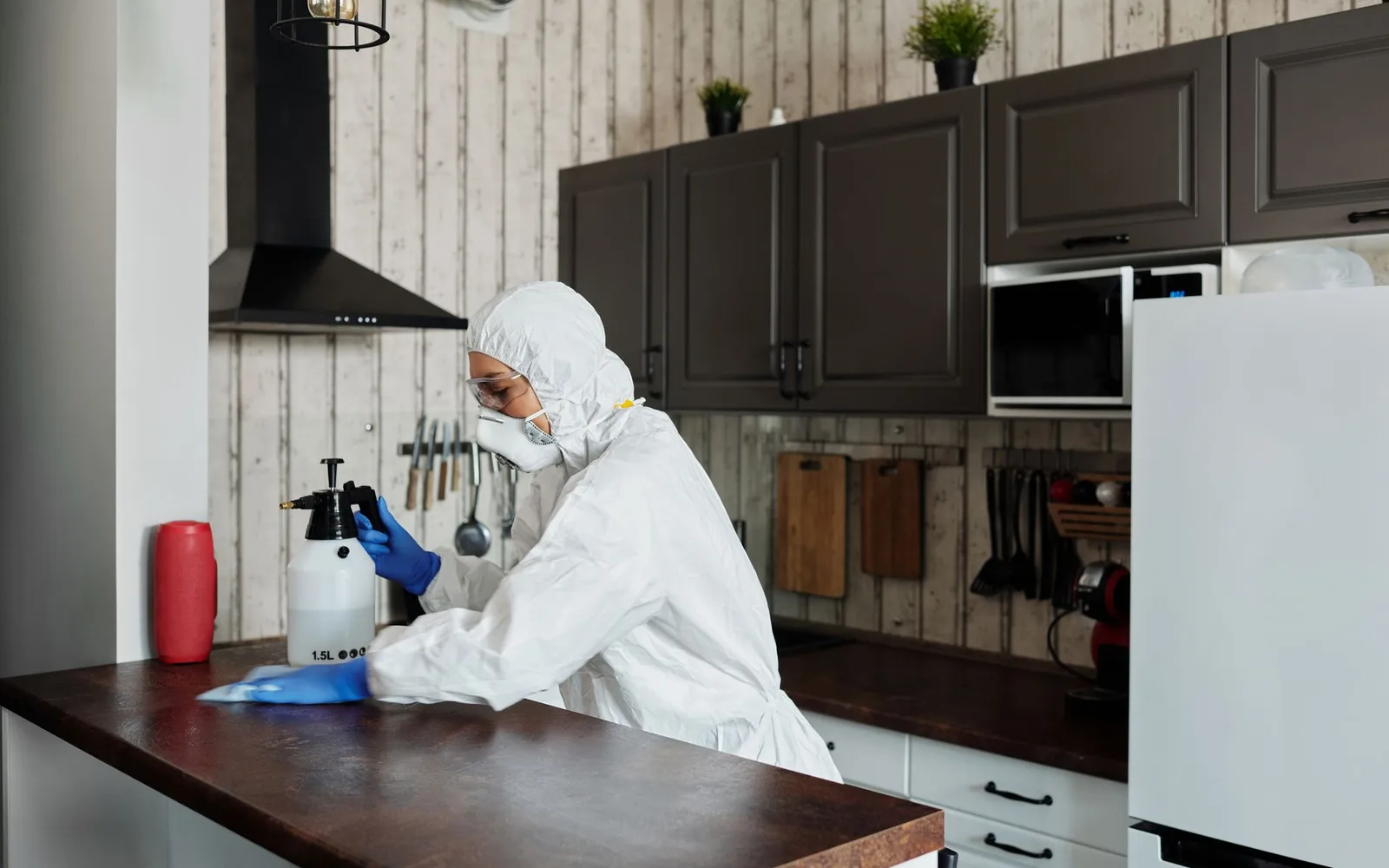
Disinfection in Bathaa Quraish Makkah
Bathaa Quraish sits south west of the Grand Mosque and is a mixed district where shops and businesses occupy the ground floor and homes sit above them, with modern villas overlooking Jabal Thawr. Pollution from the shops and street travels easily up into the flats above through shared pipes and openings, so treatment must separate commercial from residential spaces.
-
Targeted, not broadcast
Product goes into cracks and runways, never sprayed across open surfaces.
-
Told before we start
What we will use, where it goes, and what to cover or move before we arrive.
-
A follow-up visit
We return after the first treatment, because what survives it does not show on the day.
-
Homes and businesses
Apartments and villas, and kitchens and stores that need a record of each visit.
Why they keep coming back in Bathaa Quraish
Residents here report unexplained odours rising from the shops and restaurants below, especially from food preparation, bakeries and maintenance workshops on the ground floor. The method is set out in full on our Disinfection service.
Separating shops from homes above
Shops, restaurants and workshops on the ground floor release many contaminants: cooking oils, fats, odours and mould. Treating the boundary between commercial and residential floors is essential. It needs separate treatment of shared openings, traps and vertical pipes connecting them.
Jabal Thawr and permanent dampness
Jabal Thawr rises to the south and west of the district, bringing constant moisture especially to villas overlooking it. Moisture causes mould and damp smells in walls and household items, requiring thorough treatment of foundations and lower walls facing the hill.
Street traffic and external pollution
The Fourth Ring Road brings dust and contaminants from vehicle movement. External windows and openings need intensive treatment and hard initial cleaning. We recommend treating external openings separately from treating the interior of the home.
The character of Bathaa Quraish
Mixed district: shops at street level with homes above them
Shops at ground level generate specific contaminants from food, oil and grease that rise readily into the flats above, requiring real separation in treatment. Treating shared openings and floor traps between the levels is essential to break the transmission route of shop contaminants.
What we look at before the product is chosen
Bathaa Quraish mixes commercial premises and storage at street level with housing above, so contaminants from the shops travel readily into homes above through shared pipework and vertical shafts.
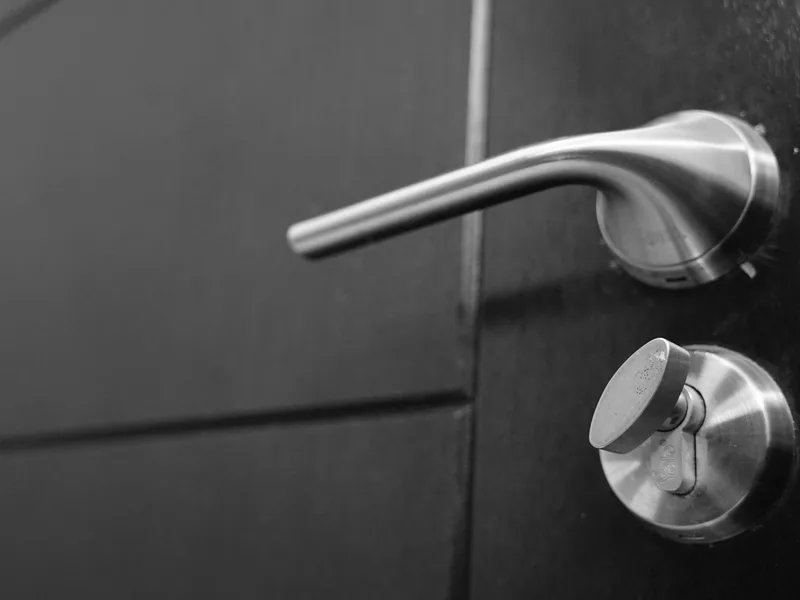
The touch points
Touch points in flats above shops are very high because residents move constantly between flat and street through the shared stairwell.
Porous surfaces
Porous surfaces of stone and cement absorb cooking smells and oil residue very readily, needing hard cleaning first to remove grease before disinfection is applied.
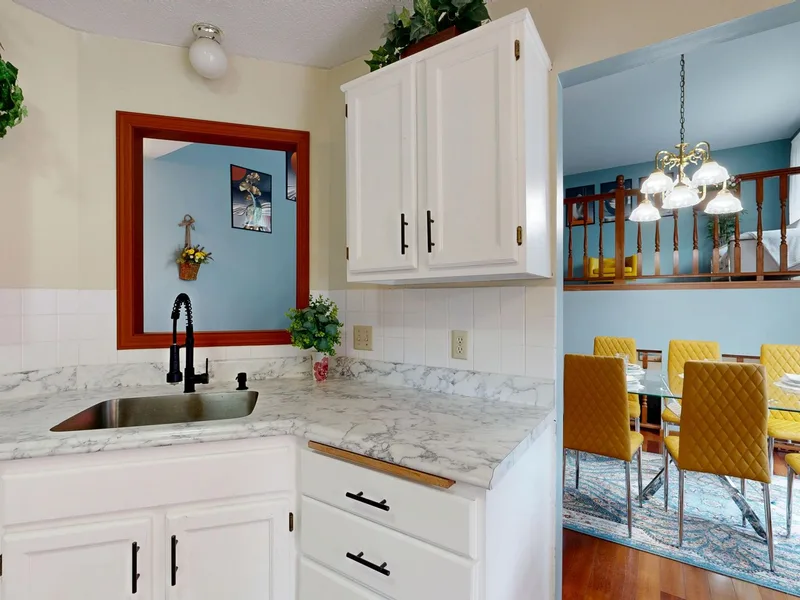
The finish itself
Smooth painted finishes and flat walls provide less absorption but odours creep across the surface readily.
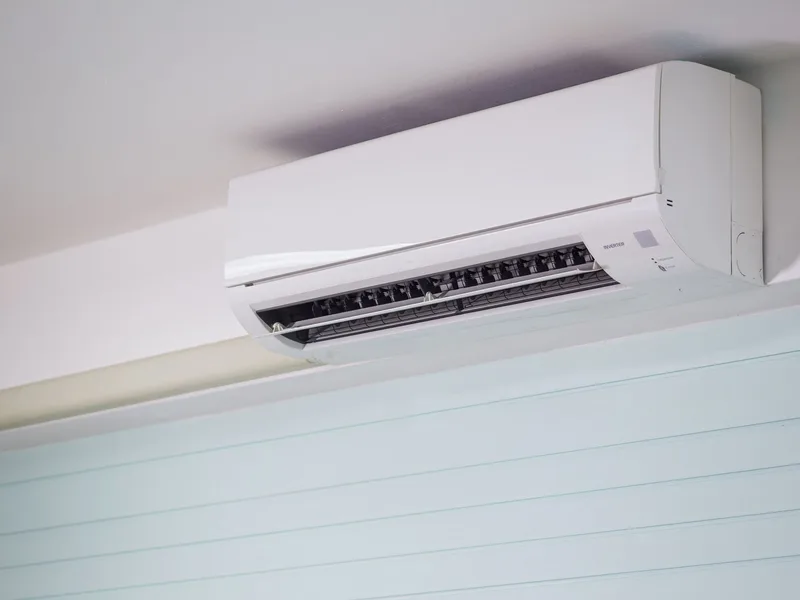
The air conditioning unit
Air conditioning units in flats above shops draw contaminated air from below, so filters and outlets need very particular attention.
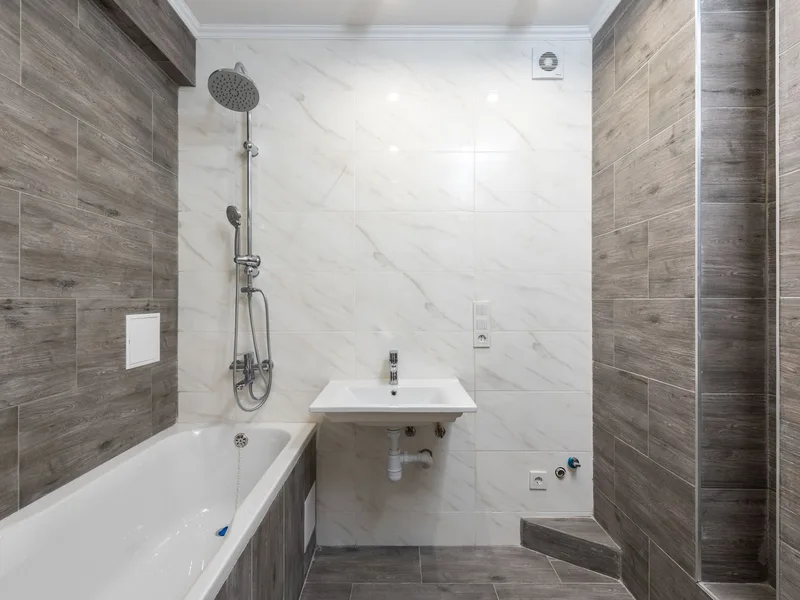
Floor traps
Floor traps shared between commercial and residential floors carry contamination from the shops directly, so we treat them first before treating the flats.
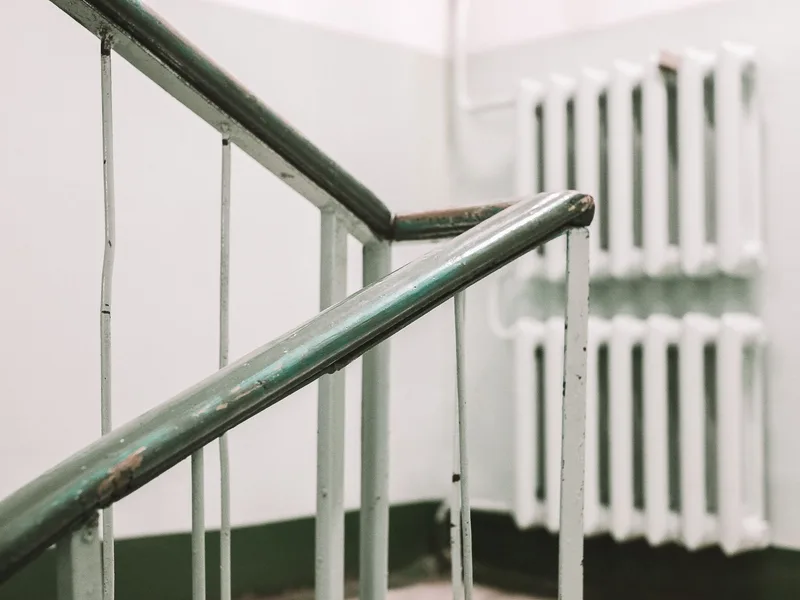
Shared entrances and stairs
Shared entrances and stairwells between flats and shops see very heavy use and carry pollution from both the street and the shops together.
How we work
-
1
Walk the space and list the surfaces
We go through the rooms and mark the touch points, the porous surfaces and the finishes, then ask what prompted the call: illness at home, moving into a new place, building work, or a smell that arrived out of nowhere.
-
2
Clean what we are about to treat
We take the film of dust and grease off the surfaces that are in scope, so the product reaches the surface itself. This is preparation for the treatment, not general house cleaning.
-
3
Apply it, and hold the contact time
Hand work on the touch points, a product matched to each surface, and the surface left visibly wet for as long as that material needs before it is dried off. Cold fogging comes last, for what a cloth cannot reach.
-
4
Ventilate and hand back
We open the place up, rinse food preparation surfaces with water, and tell you when each room goes back into use. We give you that timing on the call, because it changes with the product and the space.
What a disinfection visit includes
-

A surface and touch point survey
What gets treated, and with what, settled before anything is opened.
-

Soil off first, then the disinfectant
The greasy film comes off first, then a product that stays wet for the contact time it needs.
-

Floor traps and the air conditioning drain
Floor traps, sink outlets and the drain tray, which is where most smells actually begin.
-
Cold fogging for the space
For upward faces and corners a cloth never reaches, done as the last thing before we leave a room.
-

Ventilation and use instructions
What gets rinsed with water, what is left alone, and when each room goes back into use.
-

A scheduled repeat when it is needed
For shared entrances and places people pass through every day, because a disinfectant leaves nothing behind to stop the next contact.
What is different about Al Shawqiyah Sub-Municipality
Al Shawqiyah sub municipality runs south from the Third Ring Road to the city's edge on the Al Layth road and the Jeddah expressway. Planned districts such as Al Shawqiyah, Al Malik Fahd and Bathaa Quraish have wide streets, villas and apartment blocks, while schemes in Wali Al Ahd are being built out and informal housing in Al Ukayshiyah and Al Zuhur is being cleared. The vegetable market and livestock auction at Souq Al Halaqa, open construction sites, the rocky slopes of Jabal Thawr and sewers still being laid through the southern fringe offer exposed food, shelter and moisture.
Questions about this district
Does disinfection alone stop cooking smells from restaurants below the flat?
Disinfection kills bacterial and mould sources of odour, but cooking oils and fats need hard cleaning first to remove the grease. We treat shared openings, traps and vertical pipes with particular care.
Does disinfection include openings between commercial and residential floors?
Yes, treating shared openings, traps and pipes between the two levels is essential. This breaks the route of contaminant transfer from shops to flats above.
How often does the district need preventive disinfection because of the shops?
We recommend disinfecting flats and villas at least twice yearly. Commercial shops and storage may need monthly preventive disinfection to limit contaminant rise.
Do villas overlooking Jabal Thawr need different treatment?
Yes, villas facing the mountain need special treatment of foundations and lower walls because mountain moisture enters directly. Hard drying and applying disinfectant left wet for longer is essential.
Does Bathaa Quraish Walkway nearby affect the air and contaminants?
The walkway brings many people but they are relatively clean. The main source is the shops and businesses themselves, not the walkway.
Can we disinfect the homes without treating the commercial shops?
Possible but benefits are limited. Contaminants will return from the shops through shared openings and pipes. We recommend treating shared openings with every flat disinfection.
How much does disinfection in Bathaa Quraish cost?
It is set after the inspection, because the price follows the type of infestation, the size of the space, how far it has spread and the number of visits it needs. Send a photo and a description on WhatsApp and we will give you an estimate before we reach Bathaa Quraish.
Nearby districts we cover
Other services in Bathaa Quraish
Other services we provide to residents of Bathaa Quraish.
-
 Residential
Cockroach control
Residential
Cockroach control
-
 Residential
Bed bug control
Residential
Bed bug control
-
 Residential
Termite control
Residential
Termite control
-
 Residential
Rodents and mice
Residential
Rodents and mice
-
 Residential
Mosquito control
Residential
Mosquito control
-
 Residential
Fly control
Residential
Fly control
-
 Residential
Ant control
Residential
Ant control
-
 Residential
Gecko control
Residential
Gecko control
-
 Residential
Scorpion control
Residential
Scorpion control
-
 Residential
Snake control
Residential
Snake control
-
 Residential
Flea control
Residential
Flea control
-
 Residential
Bird and pigeon control
Residential
Bird and pigeon control
-
 Residential
Preventive treatment
Residential
Preventive treatment
-
 Commercial
Annual contracts
Commercial
Annual contracts
-
 Commercial
Restaurants and cafes
Commercial
Restaurants and cafes
-
 Commercial
Hotels and apartments
Commercial
Hotels and apartments
-
 Commercial
Warehouses and factories
Commercial
Warehouses and factories
-
 Commercial
Schools and nurseries
Commercial
Schools and nurseries
-
 Commercial
Retail and malls
Commercial
Retail and malls
-
 Commercial
Rest houses and farms
Commercial
Rest houses and farms
-
 Commercial
Fumigation
Commercial
Fumigation
-
 Water tanks
Water tank cleaning
Water tanks
Water tank cleaning
-
 Water tanks
Water tank sterilization
Water tanks
Water tank sterilization
-
 Water tanks
Water tank sealing
Water tanks
Water tank sealing
-
 Water tanks
Tank leak repair
Water tanks
Tank leak repair
Need disinfection in Bathaa Quraish? Tell us what you saw and we will tell you what it needs
We reach Bathaa Quraish at a time we agree, and you get the full cost before we start.