
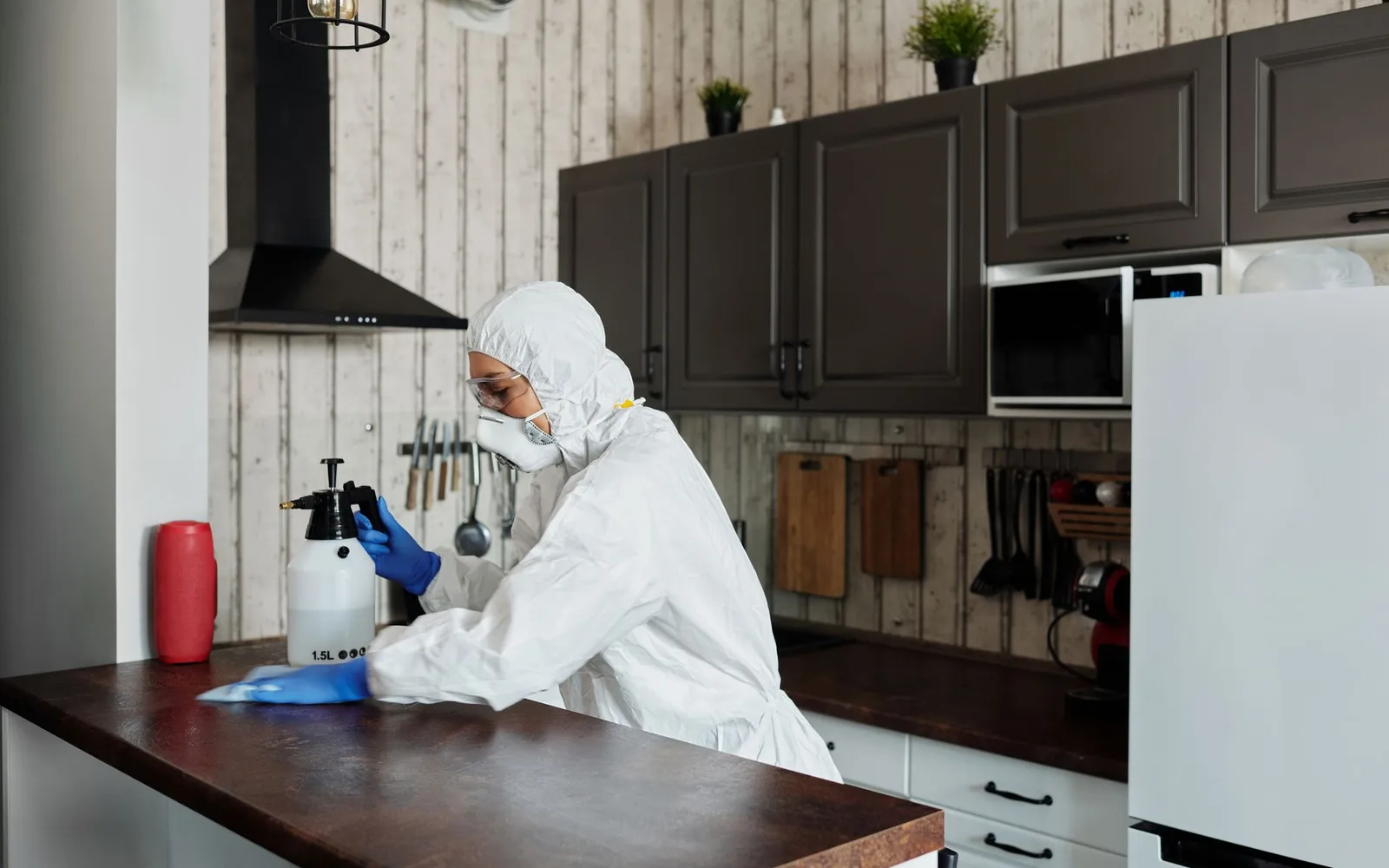
Disinfection in Yamamah Makkah
Yamamah is a mixed district north of Al Sharai and outside the Haram boundary, stretching towards Al Jaranah Road between the Al Shifa hills and Al Qubbah Mosque. Building is still patchy and vacant plots are numerous around occupied homes, so disinfection must reach the surrounding land because contaminants come from the exposed ground and active construction work nearby.
-
Targeted, not broadcast
Product goes into cracks and runways, never sprayed across open surfaces.
-
Told before we start
What we will use, where it goes, and what to cover or move before we arrive.
-
A follow-up visit
We return after the first treatment, because what survives it does not show on the day.
-
Homes and businesses
Apartments and villas, and kitchens and stores that need a record of each visit.
Why they keep coming back in Yamamah
Vacant land and open excavations provide shelter for reptiles, rodents and insects, and modern apartment buildings beside the untreated ground receive daily pollution carried from the construction site into living spaces. The method is set out in full on Disinfection in detail.
Vacant land is a continuous pollution source that surrounds the homes
Yamamah as an incomplete scheme means empty plots and foundation pits ring the occupied buildings. Insects and rodents shelter in pits, rubble and loose ground, and enter homes easily through cracks because no defined boundary separates the living space from the undeveloped land.
Active building work delivers fresh contaminants daily to nearby homes
Building sites, open pits and loose earth mean constant dust and daily worker movement. Building waste stacks near homes, fine dust settles on all surfaces and cracks, and ground moisture from the pits rises around nearby buildings.
Wadis and hills mean rainwater gathers and stays in the low ground
Wadi Mudarraja and the Al Shifa slopes frame the district, and rain pools in the lowest ground. Flood moisture lingers in pits and basement areas, raising the need for routine disinfection cycles.
Landmarks of Yamamah
The district sits between the Al Shifa hills and Al Qubbah Mosque, and access is organised from Al Jaranah Road which runs to the site. We focus on cracks and foundations facing the nearby empty land and the exposed hills where pollution originates.
- Al Jaranah Road
- Al Qubbah Mosque
- Al Shifa Hills
- King Faisal Road
What we look at before the product is chosen
A former scheme now being developed with villas and apartment blocks sitting amid large open plots, and construction remains incomplete, which means open foundation pits and active building sites stand right next to occupied housing.
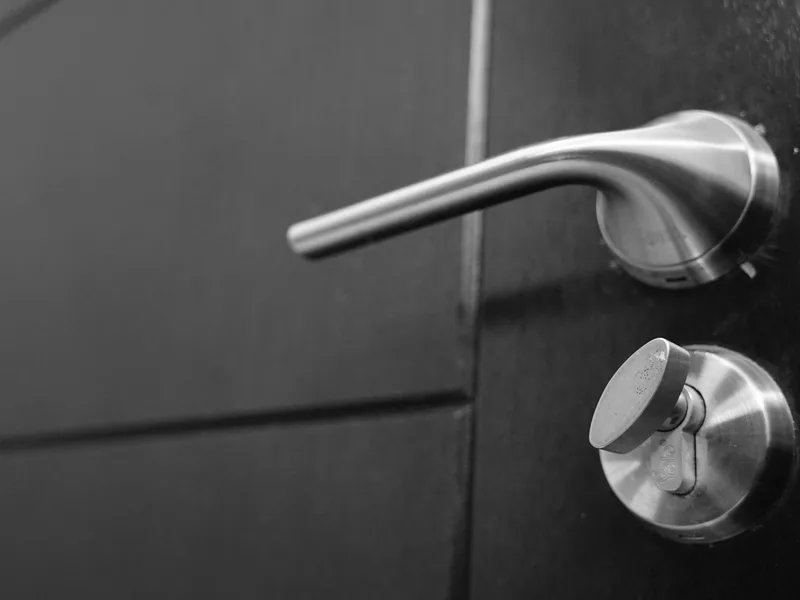
The touch points
Flats and buildings in Yamamah have touch points on foundations, floors and cracks, as untreated ground around the home is a continuous contamination source.
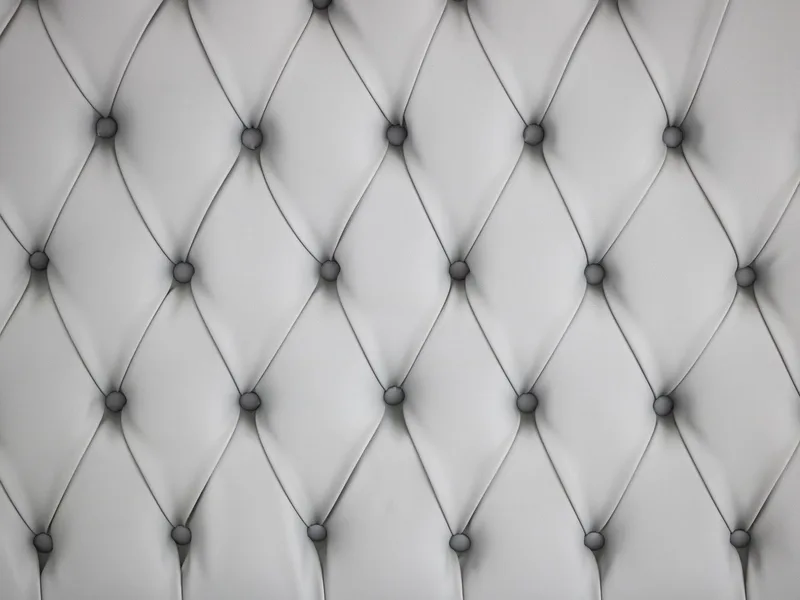
Porous surfaces
Interior surfaces may be damp from the foundation, so we use strong cleaners and ensure proper drying before disinfection can take hold.
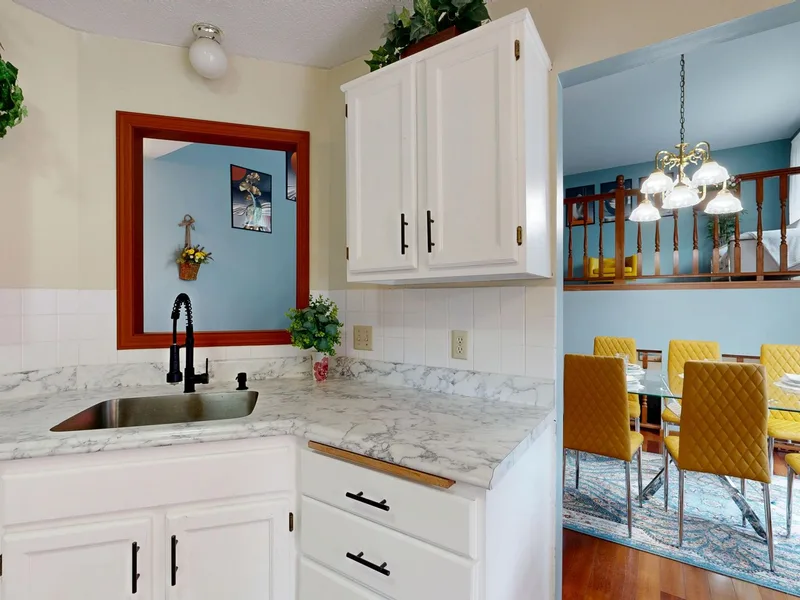
The finish itself
New home finishes are exposed to building dust, so we choose disinfectants that leave no spots or marks on fresh paint.
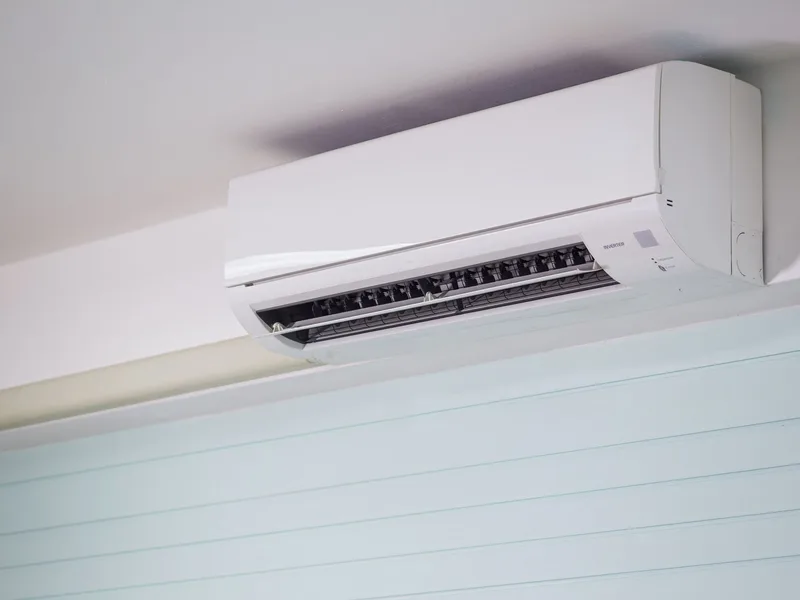
The air conditioning unit
Air conditioning in the new home may have filters clogged with construction dust, so we clean them thoroughly before disinfection treatment.
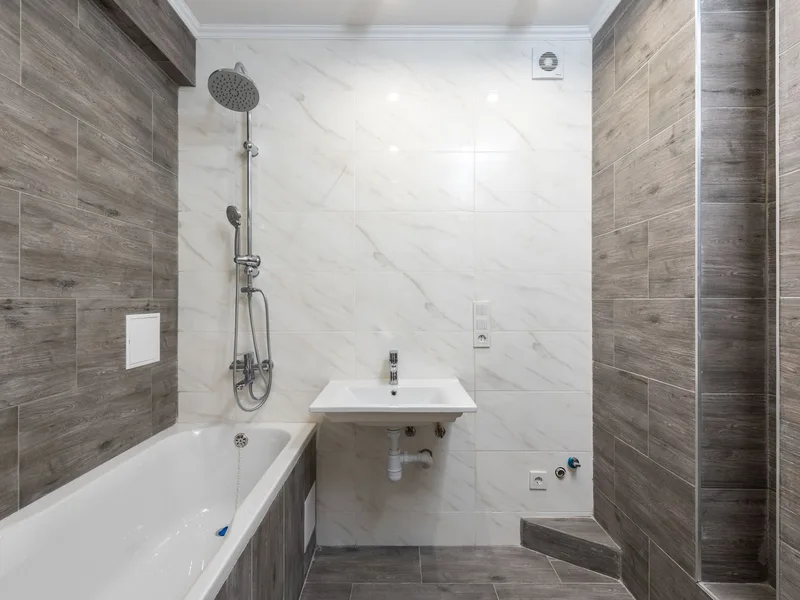
Floor traps
Floor traps may be blocked by sand and building debris, so we clear them first to ensure proper water drainage and prevent smell.
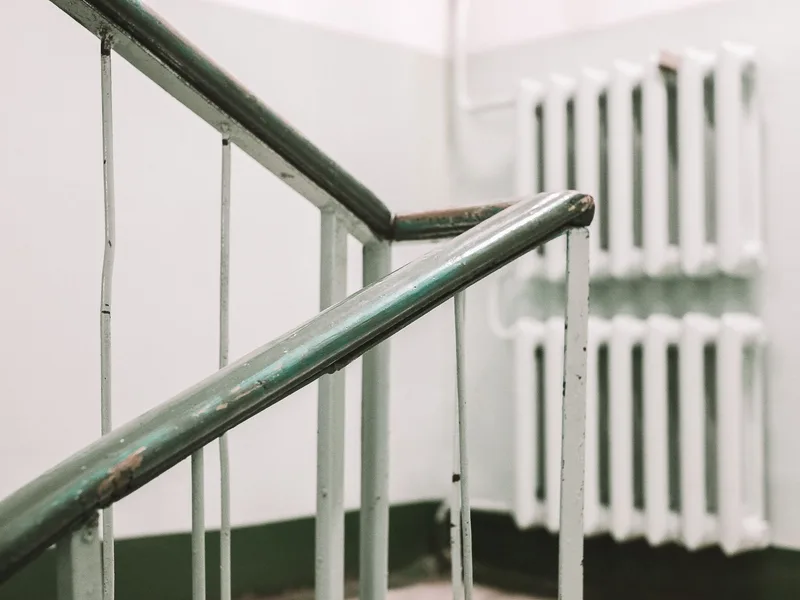
Shared entrances and stairs
Shared entrances and stairs in modern buildings may be buried in site dust, so we focus on these heavily during treatment.
How we work
-
1
Walk the space and list the surfaces
We go through the rooms and mark the touch points, the porous surfaces and the finishes, then ask what prompted the call: illness at home, moving into a new place, building work, or a smell that arrived out of nowhere.
-
2
Clean what we are about to treat
We take the film of dust and grease off the surfaces that are in scope, so the product reaches the surface itself. This is preparation for the treatment, not general house cleaning.
-
3
Apply it, and hold the contact time
Hand work on the touch points, a product matched to each surface, and the surface left visibly wet for as long as that material needs before it is dried off. Cold fogging comes last, for what a cloth cannot reach.
-
4
Ventilate and hand back
We open the place up, rinse food preparation surfaces with water, and tell you when each room goes back into use. We give you that timing on the call, because it changes with the product and the space.
What a disinfection visit includes
-

A surface and touch point survey
What gets treated, and with what, settled before anything is opened.
-

Soil off first, then the disinfectant
The greasy film comes off first, then a product that stays wet for the contact time it needs.
-

Floor traps and the air conditioning drain
Floor traps, sink outlets and the drain tray, which is where most smells actually begin.
-
Cold fogging for the space
For upward faces and corners a cloth never reaches, done as the last thing before we leave a room.
-

Ventilation and use instructions
What gets rinsed with water, what is left alone, and when each room goes back into use.
-

A scheduled repeat when it is needed
For shared entrances and places people pass through every day, because a disinfectant leaves nothing behind to stop the next contact.
What is different about Al Sharai Sub-Municipality
Al Sharai is the eastern growth front of Makkah along King Faisal Road and the Taif road. Settled quarters sit beside recently renamed schemes where plots are still vacant and buildings are going up, so construction sites, fill and open excavations lie next to occupied homes. Wadi channels such as Wadi Mudarraja, Wadi Al Sharai and Wadi Al Mughammas carry flash floods after rain and dry out to damp silt, while dust blows off the open hills. Roadside shops, restaurants and warehouses line the Taif road, and to the east the area shades into villages, palm farms and springs.
Questions about this district
Insects come from the vacant land beside our home. How do we stop them?
Empty land is a natural insect shelter and cannot be eliminated. We focus on sealing cracks around the house and disinfecting foundations and pathways near the building on a regular schedule.
Construction dust enters the flat continuously. Does disinfection help solve it?
Disinfection kills what is inside, but does not stop dust coming from the site. We recommend strong air filters and closing windows during building work; disinfection becomes more useful after the site work finishes.
Dampness from the incomplete land nearby is rising in our home. What causes it?
Open foundation pits and excavations hold water after rain, and soil moisture rises through the ground into home walls. Good ventilation and regular disinfection help, but the problem will ease as the development fills in.
Wadi Mudarraja runs beside the district. Do flash floods affect disinfection?
Flood water carries heavy pollution and raises soil moisture. We disinfect two days after rain once the ground has dried, to get the best results from the product.
Our new home in Yamamah has high dampness from the adjacent vacant land. What can we do?
Vacant land and open pits around a new house cause high humidity. Clearing beneath-house drainage channels will help, and continuous ventilation plus regular disinfection reduces airborne contaminants.
How often should homes in Yamamah be disinfected because of the surrounding land?
The district needs more frequent treatment than completed neighbourhoods because of empty plots and active building. We recommend treatment every six weeks at least, and more often after heavy rainfall.
How much does disinfection in Yamamah cost?
It is set after the inspection, because the price follows the type of infestation, the size of the space, how far it has spread and the number of visits it needs. Send a photo and a description on WhatsApp and we will give you an estimate before we reach Yamamah.
Other services in Yamamah
Other services we provide to residents of Yamamah.
-
 Residential
Cockroach control
Residential
Cockroach control
-
 Residential
Bed bug control
Residential
Bed bug control
-
 Residential
Termite control
Residential
Termite control
-
 Residential
Rodents and mice
Residential
Rodents and mice
-
 Residential
Mosquito control
Residential
Mosquito control
-
 Residential
Fly control
Residential
Fly control
-
 Residential
Ant control
Residential
Ant control
-
 Residential
Gecko control
Residential
Gecko control
-
 Residential
Scorpion control
Residential
Scorpion control
-
 Residential
Snake control
Residential
Snake control
-
 Residential
Flea control
Residential
Flea control
-
 Residential
Bird and pigeon control
Residential
Bird and pigeon control
-
 Residential
Preventive treatment
Residential
Preventive treatment
-
 Commercial
Annual contracts
Commercial
Annual contracts
-
 Commercial
Restaurants and cafes
Commercial
Restaurants and cafes
-
 Commercial
Hotels and apartments
Commercial
Hotels and apartments
-
 Commercial
Warehouses and factories
Commercial
Warehouses and factories
-
 Commercial
Schools and nurseries
Commercial
Schools and nurseries
-
 Commercial
Retail and malls
Commercial
Retail and malls
-
 Commercial
Rest houses and farms
Commercial
Rest houses and farms
-
 Commercial
Fumigation
Commercial
Fumigation
-
 Water tanks
Water tank cleaning
Water tanks
Water tank cleaning
-
 Water tanks
Water tank sterilization
Water tanks
Water tank sterilization
-
 Water tanks
Water tank sealing
Water tanks
Water tank sealing
-
 Water tanks
Tank leak repair
Water tanks
Tank leak repair
Need disinfection in Yamamah? Tell us what you saw and we will tell you what it needs
We reach Yamamah at a time we agree, and you get the full cost before we start.