
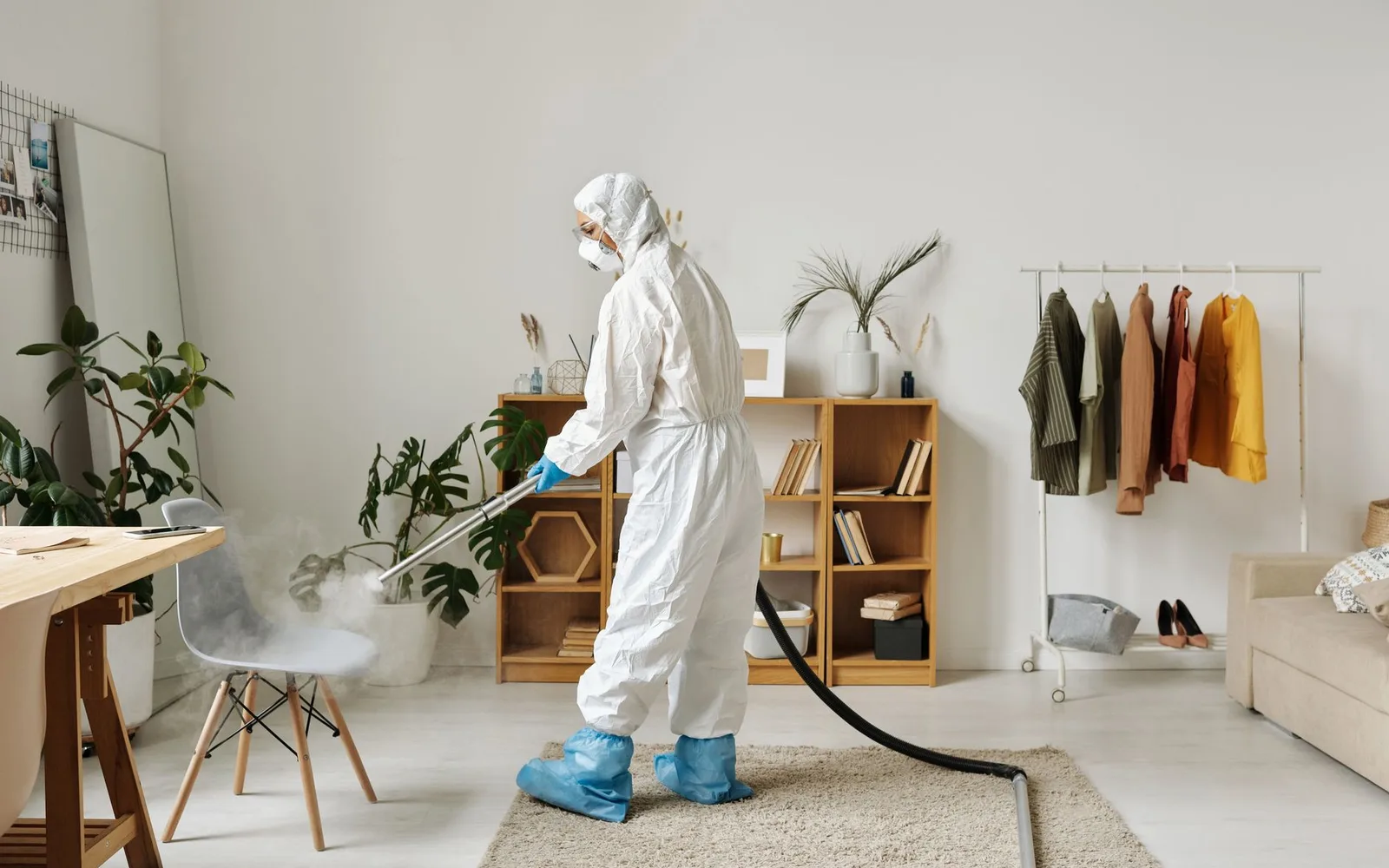
Flea control in Al Abidiyah Makkah
Al Abidiyah on the Taif road south east of Makkah is essentially the modern campus of Umm Al Qura University overlooking the plain of Arafat. Student housing, the university hospital and college buildings rise here, and two wadis cross through low ground holding water after rain and sustaining a range of wild animals. Fleas arrive from wildlife in the wadis and open land, entering student housing through numerous gaps and open windows, and spreading rapidly between new arrivals each academic year.
-
Targeted, not broadcast
Product goes into cracks and runways, never sprayed across open surfaces.
-
Told before we start
What we will use, where it goes, and what to cover or move before we arrive.
-
A follow-up visit
We return after the first treatment, because what survives it does not show on the day.
-
Homes and businesses
Apartments and villas, and kitchens and stores that need a record of each visit.
Why they keep coming back in Al Abidiyah
New students arrive at the start of each academic year from different regions, some carrying fleas unknowingly from their home areas, causing rapid spread through shared student housing blocks. The method is set out in full on how we approach Flea control.
The wadis concentrate wild animals and moisture
Wadi Uranah and Wadi Numan hold water after rain, providing drinking and living space for rodents, foxes and reptiles. These animals carry heavy flea loads and enter student housing through open windows and cracks seeking water and shelter, depositing fleas inside within hours.
Open vacant land offers safe shelter for wild animals
The modern campus plan includes wide open tracts and vacant plots. Animals shelter there nightly and raid the new student blocks at night for water and dropped food. In the confined spaces of student rooms, one infested animal transfers fleas to bedding and carpets within a single night.
Student housing receives multiple new flea sources each year
Students arrive from different regions in early September. Some carry fleas in luggage and clothing from their home areas. Second hand furniture purchased from markets may also carry flea eggs and nymphs embedded in upholstery and seams.
The character of Al Abidiyah
New development: ongoing construction and vacant plots between the homes
A new development zone means fleas arrive from wild animal sources in the wadis and vacant land, not from domestic pets, making treatment more complex and requiring repeated cycles since new hosts enter the habitat continuously.
The resting places map the infestation
A new development zone south east of Makkah on the Taif Al Hada road, comprising the modern Umm Al Qura University campus with its hospital, colleges and student residences. Wadi Uranah and Wadi Numan cross the low ground and hold water seasonally, sustaining animal populations.
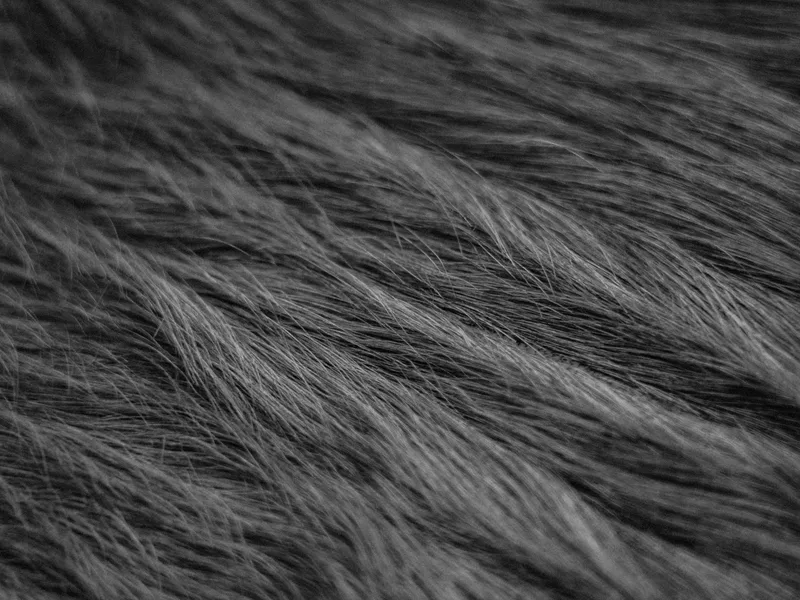
The base of the carpet
Carpets in new student housing are modern but laid on rubber backing that traps stable moisture, accelerating flea breeding cycles in the blocks.
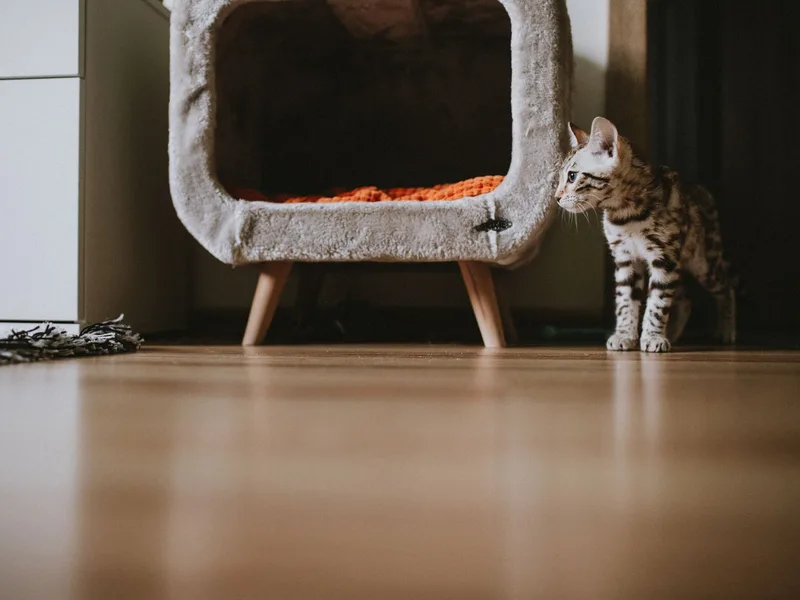
Where the animal sleeps
Wild animals from the wadis shelter close to the new student housing in open plots and bare ground, placing flea-carrying hosts metres from windows.
Flea dirt
Flea droppings cluster in room corners and under beds and sofas where nymphs hide from daylight and emerge at dusk to feed on sleeping students.
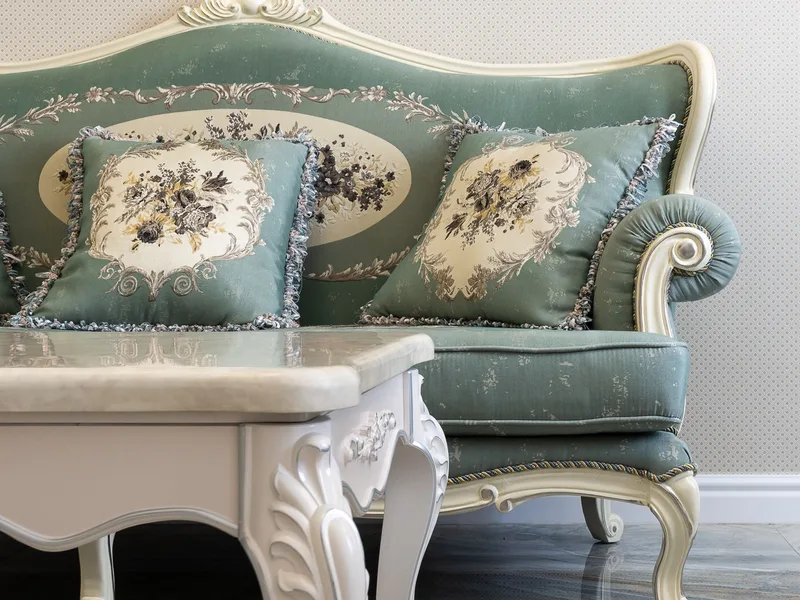
Furniture edges and upholstery
Furniture edges in new housing are deep seams difficult to vacuum, offering long term shelter for fleas between treatment cycles.
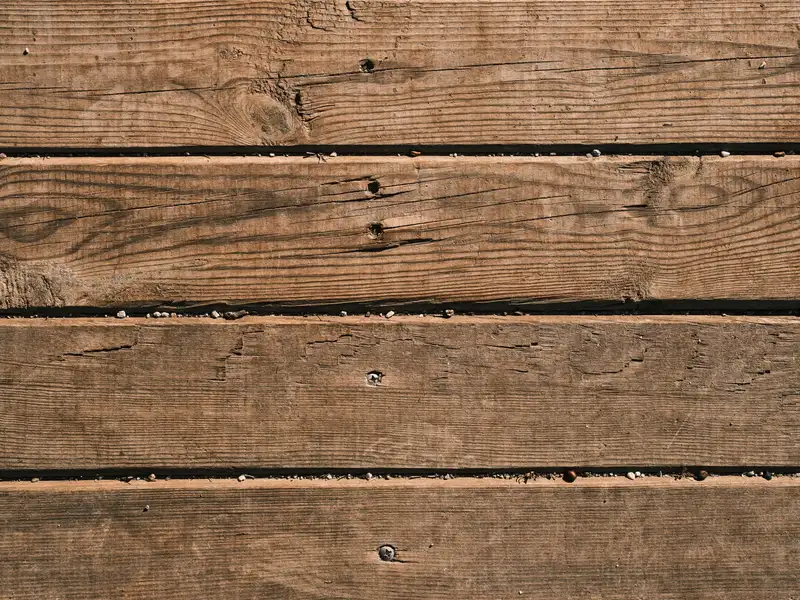
Joints in a hard floor
Joints between modern floor tiles in corridors and common areas trap moisture and debris from wadis flowing downhill, creating conditions where nymphs survive.
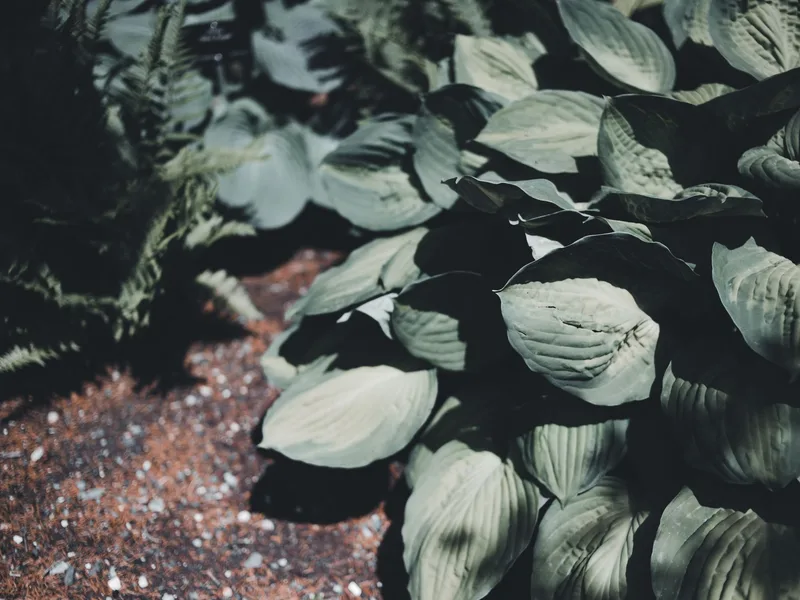
Damp shade outdoors
Damp shade around the blocks in the wadis and low ground surrounds them, where wild animals live permanently close by and continuously introduce new fleas.
How we work
-
1
Inspect and confirm
We confirm it is fleas rather than another biting insect, and fix the animal's sleeping points, its routes and the shaded ground outside. Where there is no animal in the house, we look for the host they came from.
-
2
Treat the floors and soft furnishings
A residual with an insect growth regulator, worked into the carpet base, the floor and wall junction and the edges under furniture. The regulator stops a larva becoming an adult, which is what breaks the cycle.
-
3
The host and the shade outside
We treat the shaded ground and the outdoor lying spots, and we agree with you that the animal's veterinary treatment happens on the same day, because any host left out of the job re-seeds the floor.
-
4
Vacuuming, then the follow-up visit
Repeated vacuuming vibrates the floor and draws the pupae out onto a treated surface. We come back about two weeks later to take the emerged generation before it lays.
What flea control includes
-

Confirmation before anything is applied
Telling a flea bite from the alternatives, and fixing the resting places and the centre of the infestation.
-

Carpet base and floor line treatment
A residual and a growth regulator worked down into the pile and under furniture edges, not laid across the visible surface.
-

Shade and damp outdoors
The shaded patches by entrances and around drains and taps, the only ground outside where larvae survive.
-

The source when there is no pet
Stray cats sheltering under an outside stair, or rodents in the voids, each handled on a different footing.
-

The vacuum schedule and aftercare
When to vacuum, how to empty the machine, and why the carpet is not steam cleaned afterwards. Ventilation time we give you on the call, because it changes with the product and the space.
-

A follow-up timed to emergence
A date about two weeks on, timed to the pupae leaving the cocoons, and re-treatment of any room where fresh bites are still starting.
What is different about Al Aziziyah (Makkah) Sub-Municipality
Al Aziziyah sub municipality runs from the Bin Dawood markets to the Al Hada road and carries pilgrim traffic to Mina. Hotel towers and furnished apartment blocks fill and empty with the Hajj and Ramadan seasons, and the kitchens, restaurants and markets along Al Masjid Al Haram Road and King Abdulaziz Road leave food waste at every peak. Southwards the fabric loosens into villas and planned streets in An Naseem and Al Awali, then Al Abidiyah's campus and the old farms of Al Husayniyah, where Wadi Uranah holds water after rain and farm enclosures shelter rodents and reptiles.
Questions about this district
Fleas enter the block from the nearby wadis. Do we need outdoor treatment?
Internal treatment of the blocks is essential, but preventing animal entry is more critical. Install metal mesh screens on all windows and cracks, and treat the ground around the building perimeter to repel burrowing animals.
A new student arrives with fleas from home. Do they spread to his neighbours?
Yes, rapidly. Shared student housing allows fleas to travel through common walls and corridors. Treating a single room fails because fleas spread between adjacent rooms within weeks, requiring whole building treatment.
Second hand furniture from the market. Could it carry fleas?
It may carry flea eggs and nymphs embedded in cushion seams and wooden joints. Inspect furniture before bringing it into the block, or have it steam treated or stored outside for two weeks before use.
Is one treatment visit enough in Al Abidiyah student housing?
No, student blocks require repeated treatment because new residents arrive in waves and carry fresh fleas. We recommend treatment every six months minimum, more frequently if new infestations appear.
Wadi Uranah floods seasonally. Do more animals enter after heavy rain?
Yes, floods drive animals from burrows and shelters onto high ground and into buildings searching for dry shelter. Fleas travel with them. Pre season treatment before the rains arrive is critical here.
Vacant land and ongoing construction. Does this make flea entry easier?
Significantly. Vacant plots offer animal shelter and new construction opens gaps in building skins. Regular treatment and metal mesh screening of all windows and vents are essential here.
How much does flea control in Al Abidiyah cost?
It is set after the inspection, because the price follows the type of infestation, the size of the space, how far it has spread and the number of visits it needs. Send a photo and a description on WhatsApp and we will give you an estimate before we reach Al Abidiyah.
Nearby districts we cover
Other services in Al Abidiyah
Other services we provide to residents of Al Abidiyah.
-
 Residential
Cockroach control
Residential
Cockroach control
-
 Residential
Bed bug control
Residential
Bed bug control
-
 Residential
Termite control
Residential
Termite control
-
 Residential
Rodents and mice
Residential
Rodents and mice
-
 Residential
Mosquito control
Residential
Mosquito control
-
 Residential
Fly control
Residential
Fly control
-
 Residential
Ant control
Residential
Ant control
-
 Residential
Gecko control
Residential
Gecko control
-
 Residential
Scorpion control
Residential
Scorpion control
-
 Residential
Snake control
Residential
Snake control
-
 Residential
Bird and pigeon control
Residential
Bird and pigeon control
-
 Residential
Preventive treatment
Residential
Preventive treatment
-
 Residential
Disinfection
Residential
Disinfection
-
 Commercial
Annual contracts
Commercial
Annual contracts
-
 Commercial
Restaurants and cafes
Commercial
Restaurants and cafes
-
 Commercial
Hotels and apartments
Commercial
Hotels and apartments
-
 Commercial
Warehouses and factories
Commercial
Warehouses and factories
-
 Commercial
Schools and nurseries
Commercial
Schools and nurseries
-
 Commercial
Retail and malls
Commercial
Retail and malls
-
 Commercial
Rest houses and farms
Commercial
Rest houses and farms
-
 Commercial
Fumigation
Commercial
Fumigation
-
 Water tanks
Water tank cleaning
Water tanks
Water tank cleaning
-
 Water tanks
Water tank sterilization
Water tanks
Water tank sterilization
-
 Water tanks
Water tank sealing
Water tanks
Water tank sealing
-
 Water tanks
Tank leak repair
Water tanks
Tank leak repair
Need flea control in Al Abidiyah? Tell us what you saw and we will tell you what it needs
We reach Al Abidiyah at a time we agree, and you get the full cost before we start.