
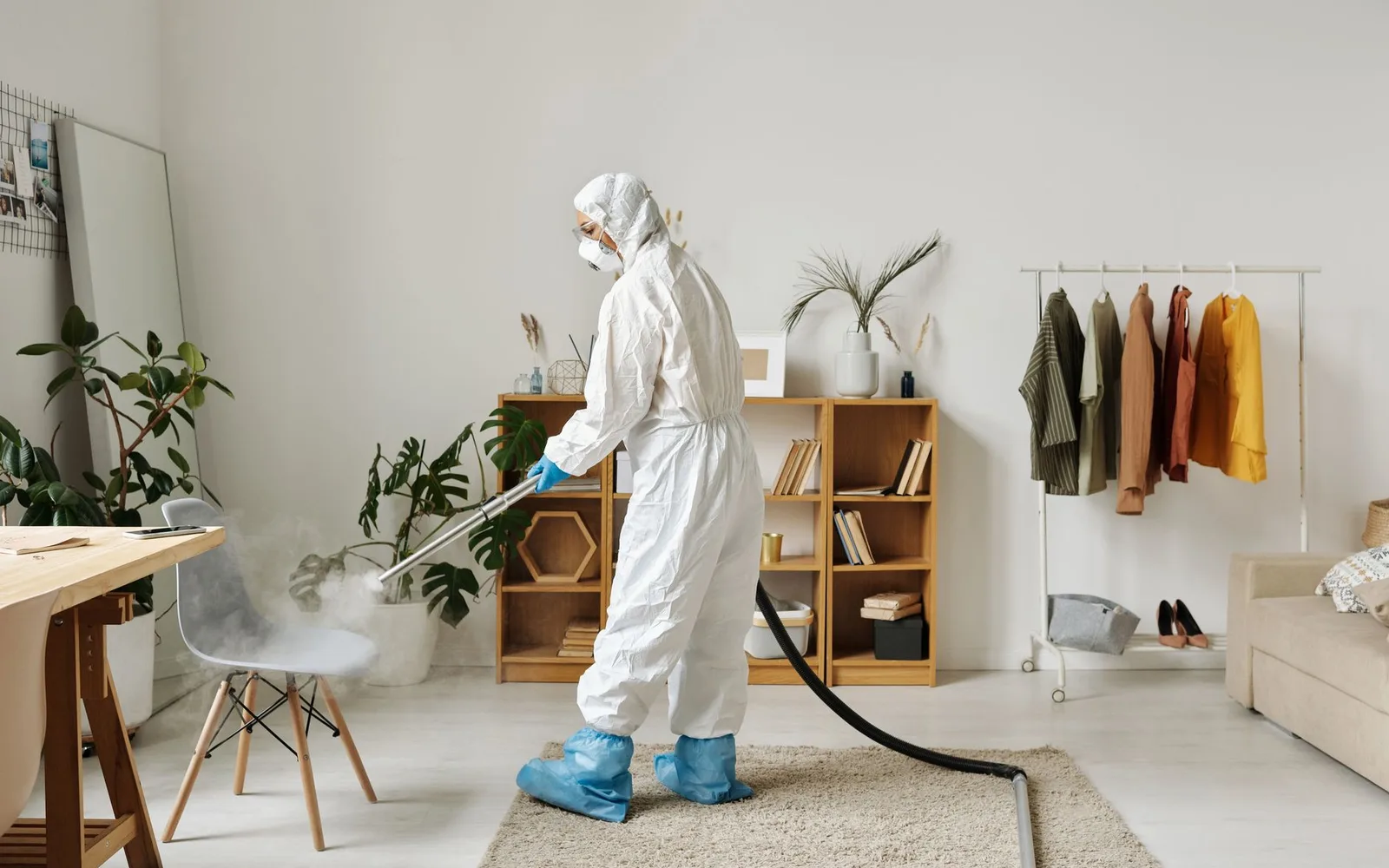
Flea control for carpets, soft furnishings and pet areas
We confirm it is fleas and map where the animal rests before anything is applied, treat the carpet base, the floor line and the edges under furniture, then return for the visit that takes whatever emerges from the cocoons.
-
Targeted, not broadcast
Product goes into cracks and runways, never sprayed across open surfaces.
-
Told before we start
What we will use, where it goes, and what to cover or move before we arrive.
-
A follow-up visit
We return after the first treatment, because what survives it does not show on the day.
-
Homes and businesses
Apartments and villas, and kitchens and stores that need a record of each visit.
Why one spray does not finish fleas
Three reasons, and all of them are in the floor rather than on the animal.
The flea you see is the smallest part
Flea eggs are not sticky. They drop off the animal wherever it sleeps, and the larvae work down into the base of the carpet and the floor joints, away from the light.
A residual does not reach the cocoon
The pupa sits inside a cocoon coated in dust and fibre, waiting for vibration and warmth. That is why a home goes quiet for a week and the bites then start again.
The animal and the floor are one job
Treating the animal alone leaves the eggs and larvae in the carpet. Treating the home alone leaves a host that re-seeds the floor within days.
The resting places map the infestation
Fleas are not spread evenly through a home. They concentrate where the animal settles, and these six places are what we open up first.
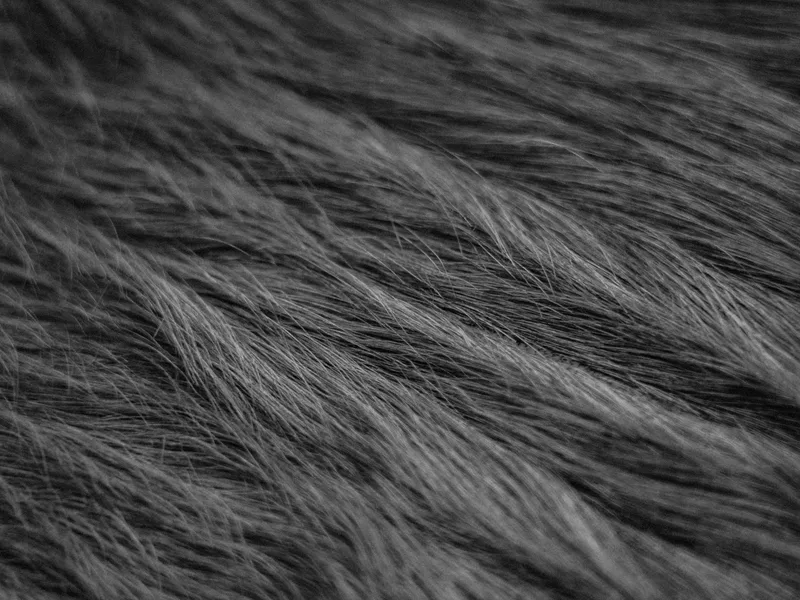
The base of the carpet
A larva moves away from light and settles at the bottom of the pile, so a surface pass goes straight over it. The depth of the pile decides how the product is worked in.
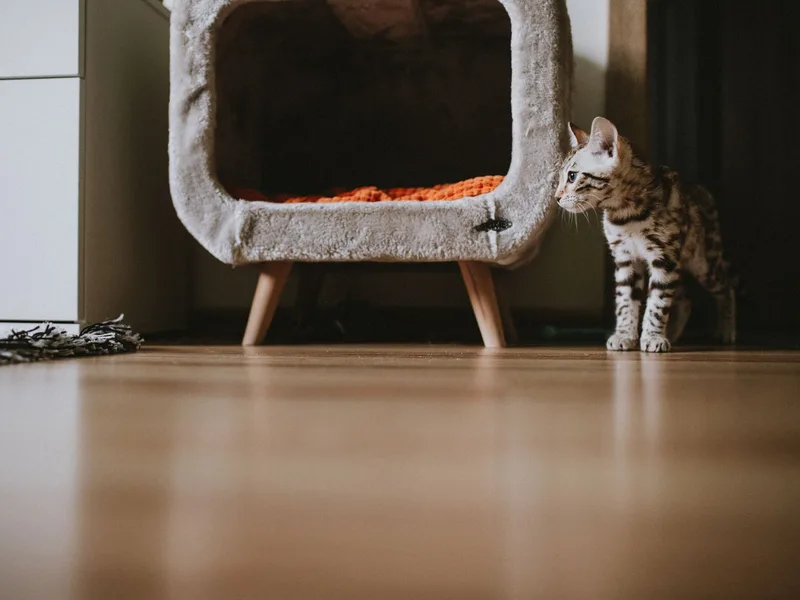
Where the animal sleeps
Eggs and flea dirt gather where the animal settles rather than where it walks, so that spot is treated and its bedding laundered on the same day.
Flea dirt
Black specks that turn rusty red on damp white tissue are digested blood and the larval food, which confirms the pest and points to the centre of it.

Furniture edges and upholstery
The shade under a sofa or a bed stays cooler and damper than the rest of the room, which is the best thing a larva finds indoors.
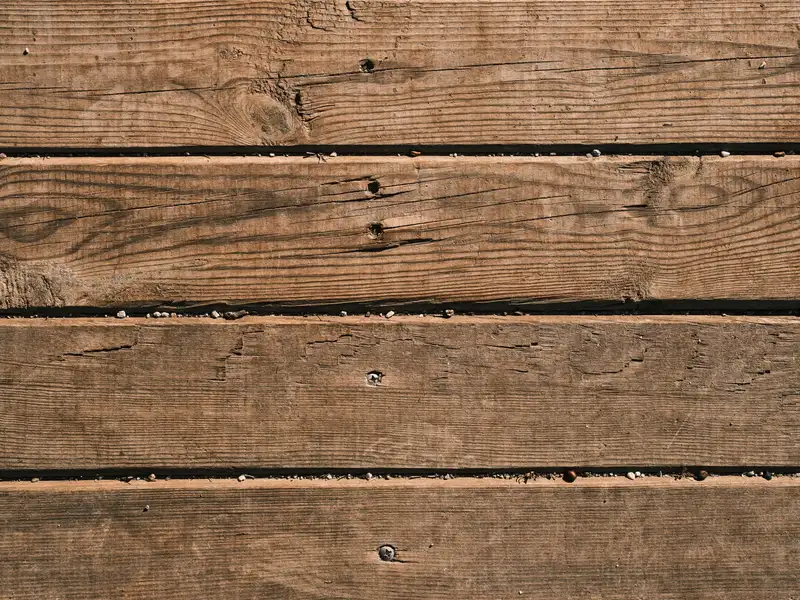
Joints in a hard floor
A hard floor does not mean a clear home. Eggs and larvae settle into the joints and along the line where the floor meets the wall.
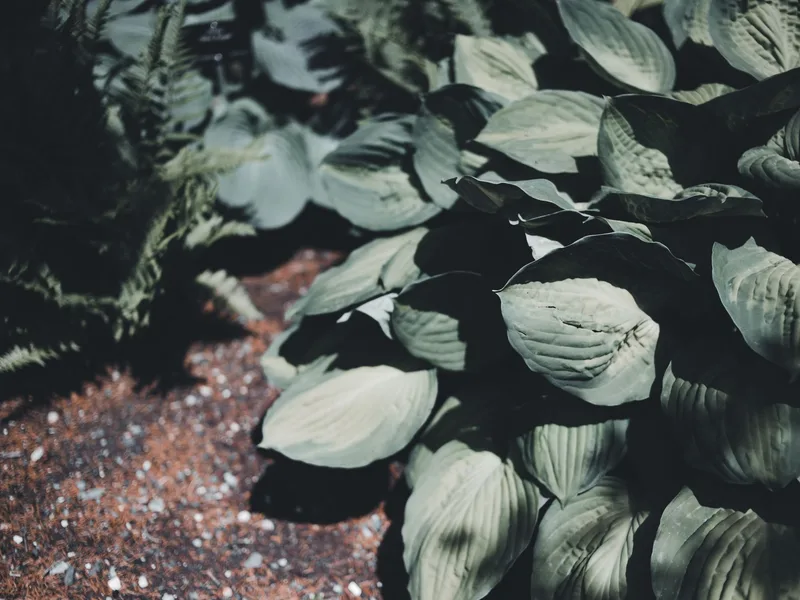
Damp shade outdoors
A larva does not survive direct sun and stays in damp shaded soil, so the outdoor work is limited to those patches rather than the whole yard.
How the visit runs
Four steps. It starts with an inspection and is not finished until the last generation has left the cocoons.
-
1
Inspect and confirm
We confirm it is fleas rather than another biting insect, and fix the animal's sleeping points, its routes and the shaded ground outside. Where there is no animal in the house, we look for the host they came from.
-
2
Treat the floors and soft furnishings
A residual with an insect growth regulator, worked into the carpet base, the floor and wall junction and the edges under furniture. The regulator stops a larva becoming an adult, which is what breaks the cycle.
-
3
The host and the shade outside
We treat the shaded ground and the outdoor lying spots, and we agree with you that the animal's veterinary treatment happens on the same day, because any host left out of the job re-seeds the floor.
-
4
Vacuuming, then the follow-up visit
Repeated vacuuming vibrates the floor and draws the pupae out onto a treated surface. We come back about two weeks later to take the emerged generation before it lays.
What flea control includes
-

Confirmation before anything is applied
Telling a flea bite from the alternatives, and fixing the resting places and the centre of the infestation.
-

Carpet base and floor line treatment
A residual and a growth regulator worked down into the pile and under furniture edges, not laid across the visible surface.
-

Shade and damp outdoors
The shaded patches by entrances and around drains and taps, the only ground outside where larvae survive.
-

The source when there is no pet
Stray cats sheltering under an outside stair, or rodents in the voids, each handled on a different footing.
-

The vacuum schedule and aftercare
When to vacuum, how to empty the machine, and why the carpet is not steam cleaned afterwards. Ventilation time we give you on the call, because it changes with the product and the space.
-

A follow-up timed to emergence
A date about two weeks on, timed to the pupae leaving the cocoons, and re-treatment of any room where fresh bites are still starting.

Exactly where the product goes
-
1
Inside joints, not on surfaces
Bait goes into a cabinet joint or a gap behind an appliance, in dots the size of a match head, in places no hand reaches and nothing touches in ordinary use.
-
2
Away from where food is
Nothing is sprayed on preparation surfaces, inside food cupboards, or across open floor in living rooms and bedrooms.
-
3
A little preparation first
Cover dishes, move water bowls. We give you the ventilation time for your treatment on the call, rather than a general number printed on a page.
-
4
Tell us the exceptions
Asthma, an allergy or a pregnancy in the home changes the product choice and the order of the visit. It is a change we make often and it does not delay the appointment.
Our work

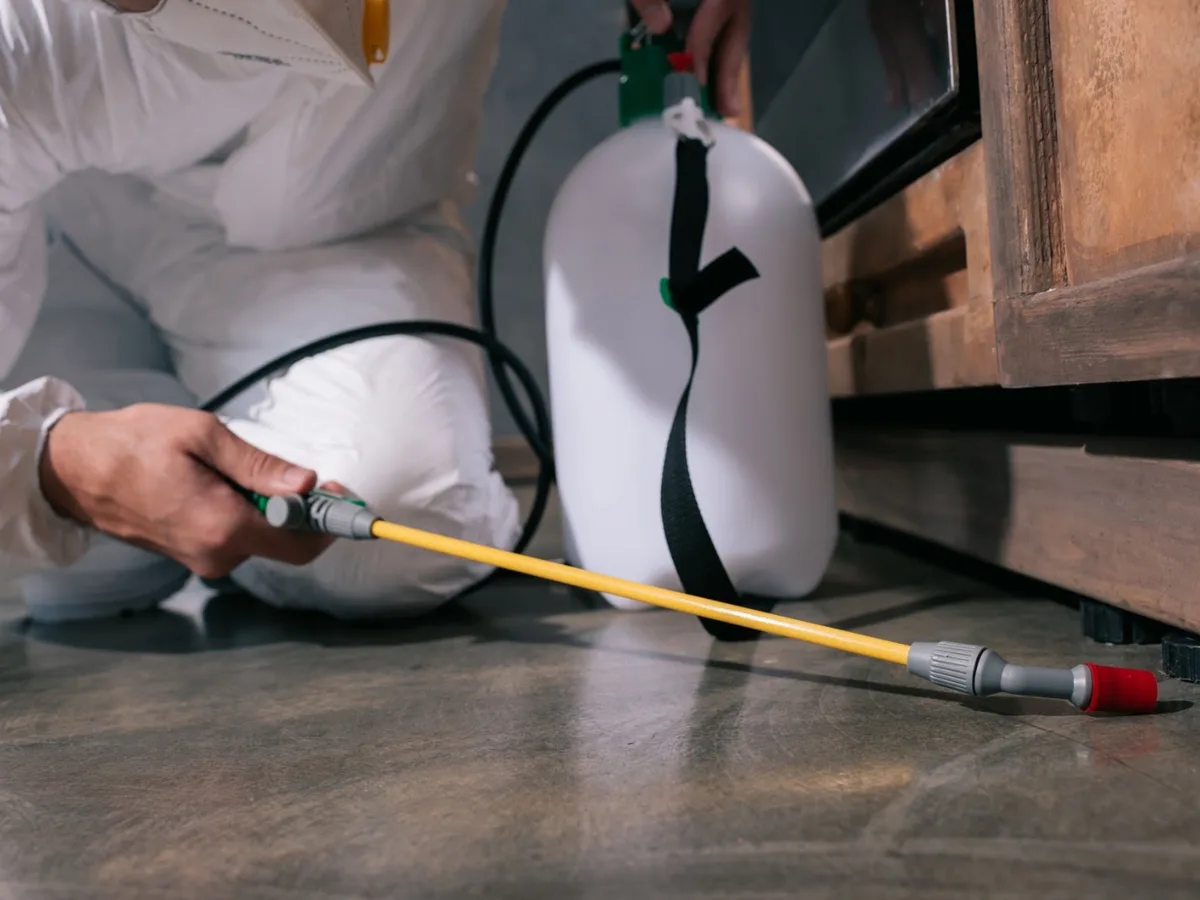
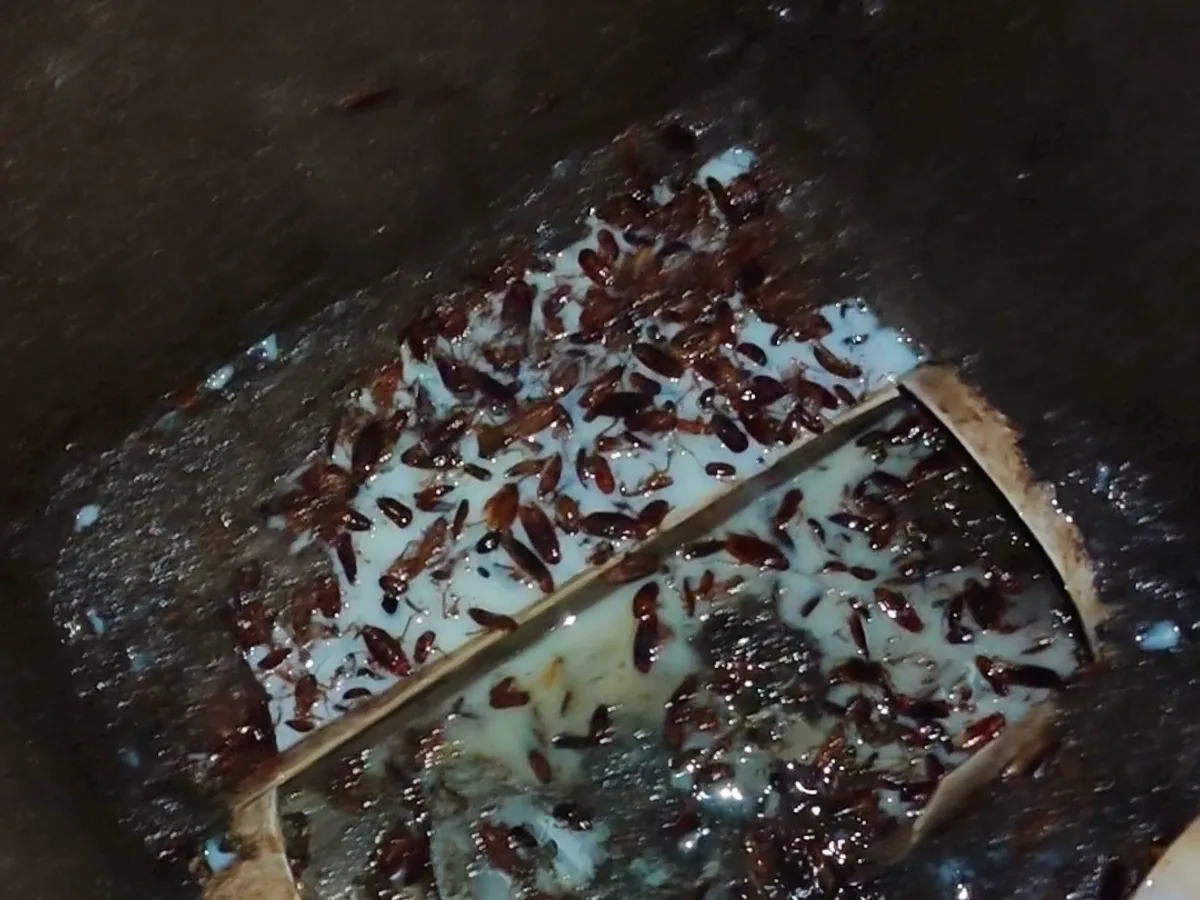
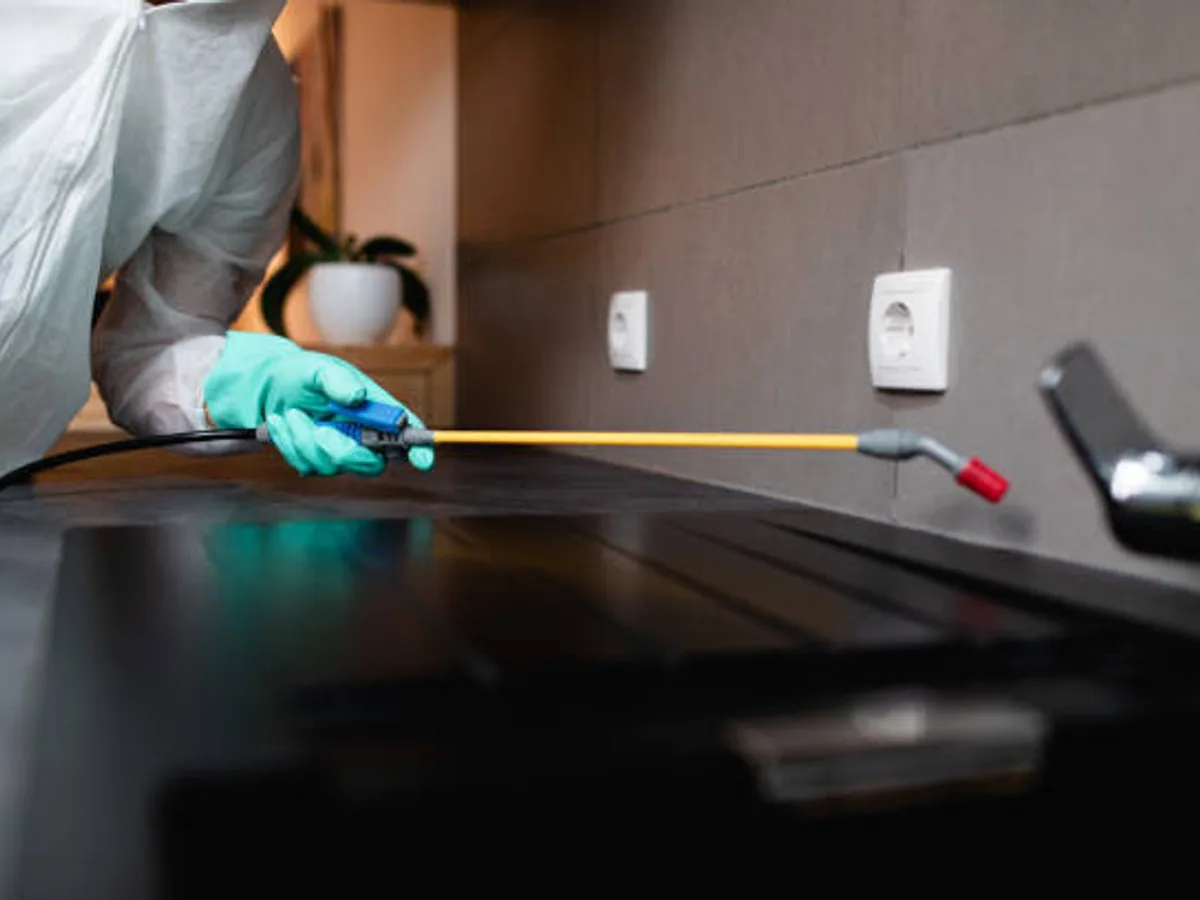
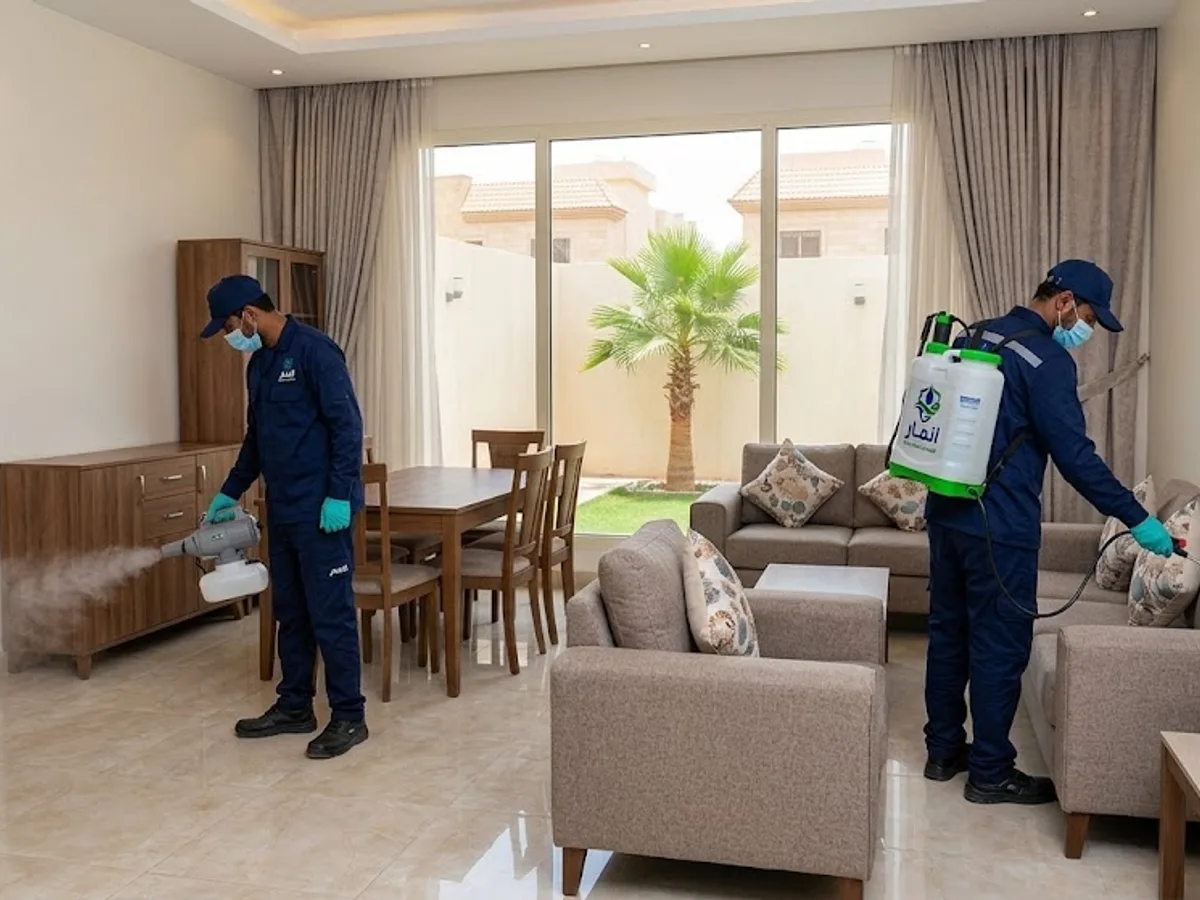
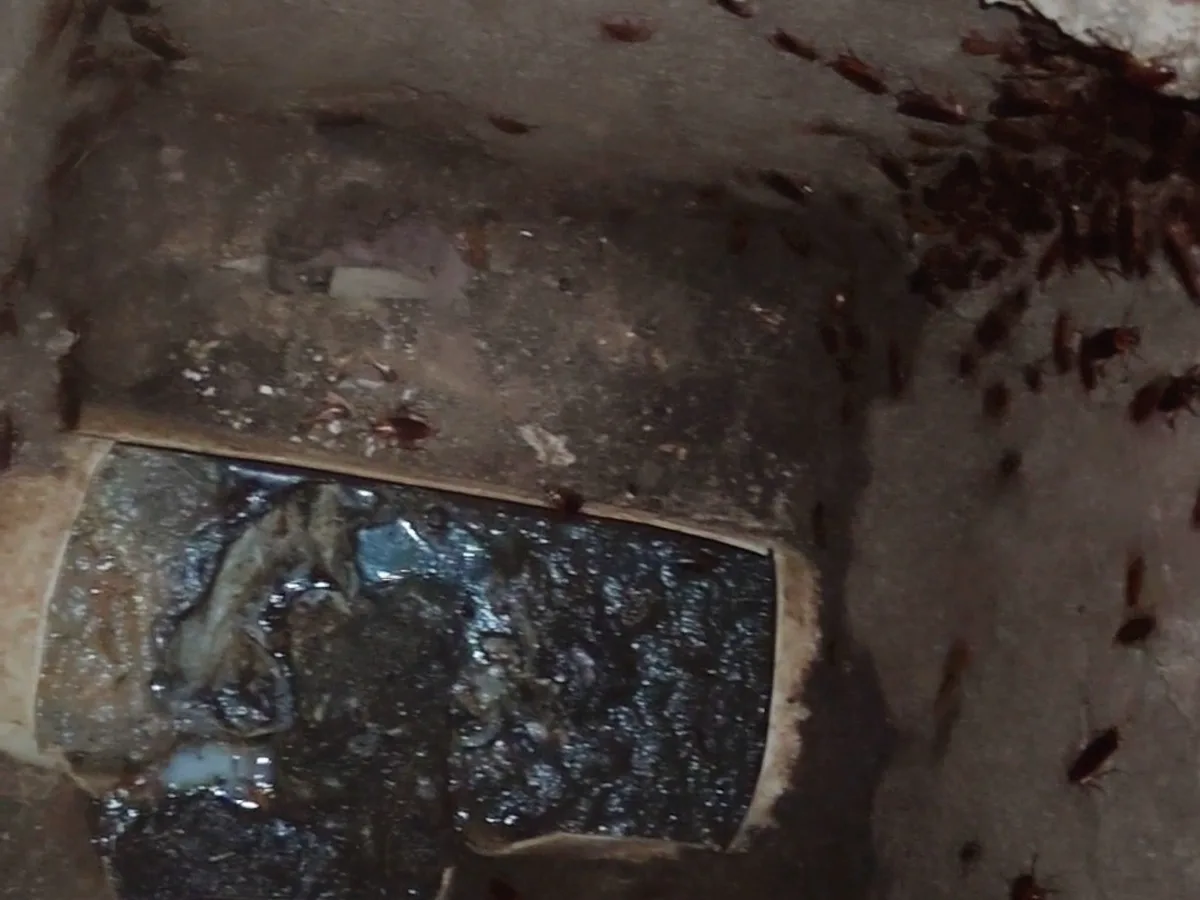
What customers say on Google
Excellent and courteous service, and the bed bugs were cleared from the house completely. I recommend them, God willing.
Translated from the Arabic original.
Excellent to deal with, very good service, and they explain. The staff explain how each product is used, completely honestly.
Translated from the Arabic original.
The termite problem disappeared after the treatment. Thank you.
Translated from the Arabic original.
We cover Jeddah and Makkah
Every district has its own page for this service. Tap yours.
Common questions
We are still being bitten after the treatment. Did it fail?
No, and it is expected for a week or two. A residual does not get through the cocoon, so pupae keep emerging, but they now emerge onto a treated surface, do not complete the cycle and do not lay. Vacuuming every day brings them out faster and shortens that tail.
Why did the fleas come back after they had gone?
Usually a host was left out of the job: an animal not treated on the same timetable, a cat sleeping under the outside stair, or a shaded patch in the yard that was never included. The other reason is dormant cocoons somewhere the treatment did not reach, which emerge with the first vibration and warmth. That is why it so often starts on the day a family returns from a trip to a closed-up home.
We have no pet. Where did the fleas come from?
From a previous tenant's animal, from stray cats sheltering by an entrance or under a stair, or from rodents in the voids, because a flea leaves the rodent and looks for the next host. If there are rodent signs we start there, and that work is set out in Rodents and mice.
Are these flea bites or bed bugs?
A flea cannot fly. It jumps from the floor, so the bites cluster around the ankles and the lower leg and can happen at any hour. A bed bug lives in the mattress seam and the bed frame and feeds at night on skin left uncovered. The two jobs are not the same, and the second one is set out in Bed bug control.
Do you treat the animal itself?
No. The animal's treatment is the vet's, and ours is the environment around it. The order matters: treat the animal alone and the eggs and larvae stay in the carpet, treat the home alone and the host walks back in and re-seeds the floor within days. So we agree with you that both happen on the same day, and that the animal is out during the application and returned on the vet's instruction.
How do I prepare, and can I clean the carpet afterwards?
Vacuum the carpet and under the furniture before we arrive and empty the machine outside the house, and wash the animal's bedding and any throws hot. Afterwards keep vacuuming, and leave steam cleaning and carpet shampoo alone, because they lift the residual straight off. The rest of the preparation is in why shop-bought sprays make it worse.
What does flea control cost?
It is set after the inspection, because the figure follows how much of the floor is carpeted, how many rooms the animal sleeps in, whether there is outdoor ground to treat, and then how many visits it needs. Send us a description of what you have seen and your floor types on WhatsApp and we will give you an estimate before we come out.
Other services
Scroll to see the rest of what we do.
-
 Residential
Cockroach control
Residential
Cockroach control
-
 Residential
Bed bug control
Residential
Bed bug control
-
 Residential
Termite control
Residential
Termite control
-
 Residential
Rodents and mice
Residential
Rodents and mice
-
 Residential
Mosquito control
Residential
Mosquito control
-
 Residential
Fly control
Residential
Fly control
-
 Residential
Ant control
Residential
Ant control
-
 Residential
Gecko control
Residential
Gecko control
-
 Residential
Scorpion control
Residential
Scorpion control
-
 Residential
Snake control
Residential
Snake control
-
 Residential
Bird and pigeon control
Residential
Bird and pigeon control
-
 Residential
Preventive treatment
Residential
Preventive treatment
-
 Residential
Disinfection
Residential
Disinfection
-
 Commercial
Annual contracts
Commercial
Annual contracts
-
 Commercial
Restaurants and cafes
Commercial
Restaurants and cafes
-
 Commercial
Hotels and apartments
Commercial
Hotels and apartments
-
 Commercial
Warehouses and factories
Commercial
Warehouses and factories
-
 Commercial
Schools and nurseries
Commercial
Schools and nurseries
-
 Commercial
Retail and malls
Commercial
Retail and malls
-
 Commercial
Rest houses and farms
Commercial
Rest houses and farms
-
 Commercial
Fumigation
Commercial
Fumigation
-
 Water tanks
Water tank cleaning
Water tanks
Water tank cleaning
-
 Water tanks
Water tank sterilization
Water tanks
Water tank sterilization
-
 Water tanks
Water tank sealing
Water tanks
Water tank sealing
-
 Water tanks
Tank leak repair
Water tanks
Tank leak repair
Need flea control? Describe what you saw and we will tell you what it needs
A short call is enough. We tell you what we can see and the full cost before we start, and you decide after that.