
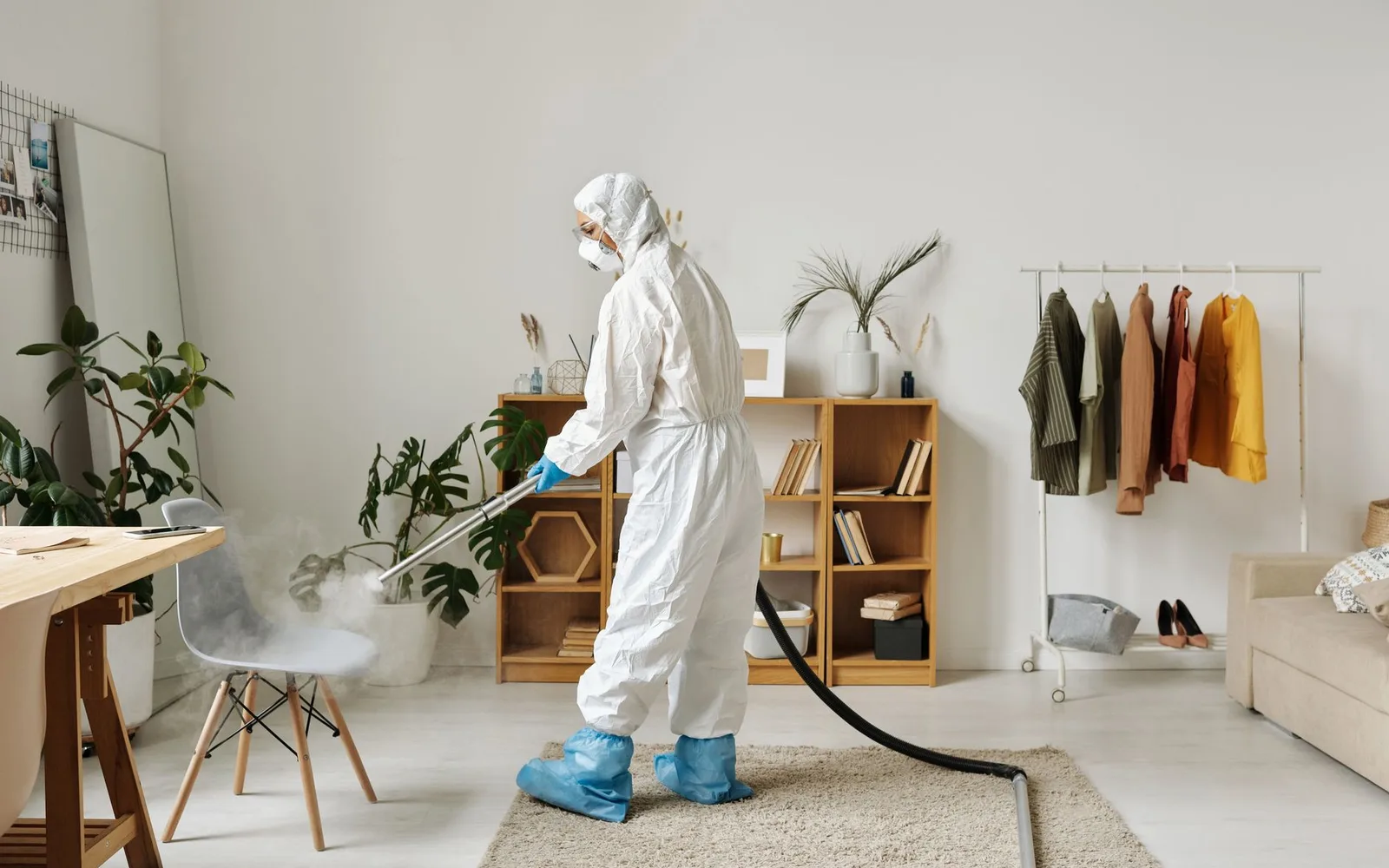
Flea control in Al Hamra Jeddah
Al Hamra sits on the Red Sea coast where humidity never drops and salt air is constant. Your flea infestation here is different: fleas live longer, breed faster, and cocoons stay viable for weeks. Single treatment is rarely enough because the climate works against the pesticide and for the flea.
-
Targeted, not broadcast
Product goes into cracks and runways, never sprayed across open surfaces.
-
Told before we start
What we will use, where it goes, and what to cover or move before we arrive.
-
A follow-up visit
We return after the first treatment, because what survives it does not show on the day.
-
Homes and businesses
Apartments and villas, and kitchens and stores that need a record of each visit.
Why they keep coming back in Al Hamra
Fleas in Al Hamra are visibly larger and more active than their cousins in inland districts. The same species completes its life cycle faster here. A single flea becomes a hundred within weeks, not months, because warmth and moisture accelerate reproduction together. The method is set out in full on the full Flea control page.
Coastal humidity keeps cocoons alive and waiting much longer
In inland districts, a cocoon hatches in two weeks. In Al Hamra, high humidity keeps it dormant for six weeks or more, waiting for the right conditions. Long after treatment ends, new fleas emerge from cocoons that were invisible when the technician left. This is why we return for a follow up visit we build into the plan from the start.
Salt and moisture degrade standard residual pesticides faster
Pesticides that work reliably in dry inland areas break down rapidly on wet, salt laden surfaces. We use coastal grade products stronger and longer lasting than standard formulas. Salt causes pesticide to run off instead of adhering to the surface. Raw humidity also reactivates dormant pupae, fighting against the pesticide's timer.
Coastal fleas multiply faster and are harder to exhaust
The flea lifecycle in Al Hamra accelerates under heat and humidity. From egg to adult takes a month inland, three weeks here. One flea becomes a hundred in a month, not three. Delayed treatment in Al Hamra is more dangerous than anywhere else because the infestation expands faster than the response.
Al Hamra on the map
Al Hamra sits about 3.5 km from Al Andalus and about 3.5 km from Mushrifah.
Open in Google MapsThe resting places map the infestation
On the Al Hamra Corniche, buildings absorb salt spray daily, concrete never fully dries, and morning dew forms on ceilings year round. The microclimate around homes metres from open water creates a habitat built for flea survival.
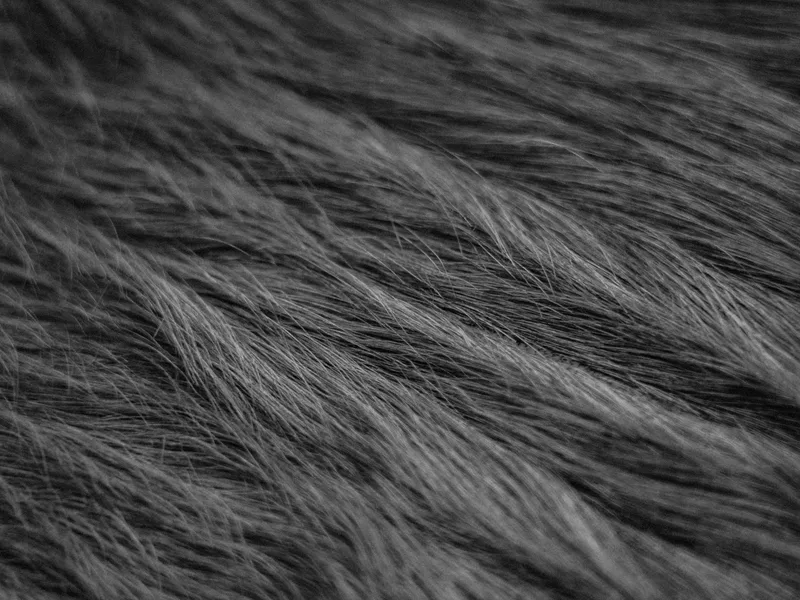
The base of the carpet
The carpet base in Al Hamra never fully dries due to coastal humidity, meaning fleas can inhabit and breed in it year round without the dry season breaks that occur elsewhere.
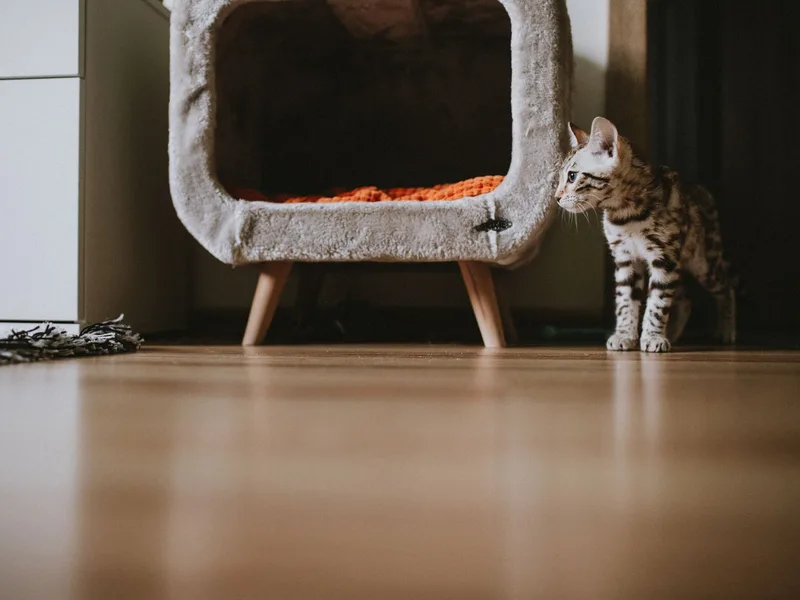
Where the animal sleeps
The resident's pet in Al Hamra brings fleas from the street and the seafront, and fleas remain viable on the animal longer because humidity maintains the conditions they need.
Flea dirt
Flea droppings in Al Hamra are often damp, making them harder to sweep but easier for us to identify and confirm the infestation stage.
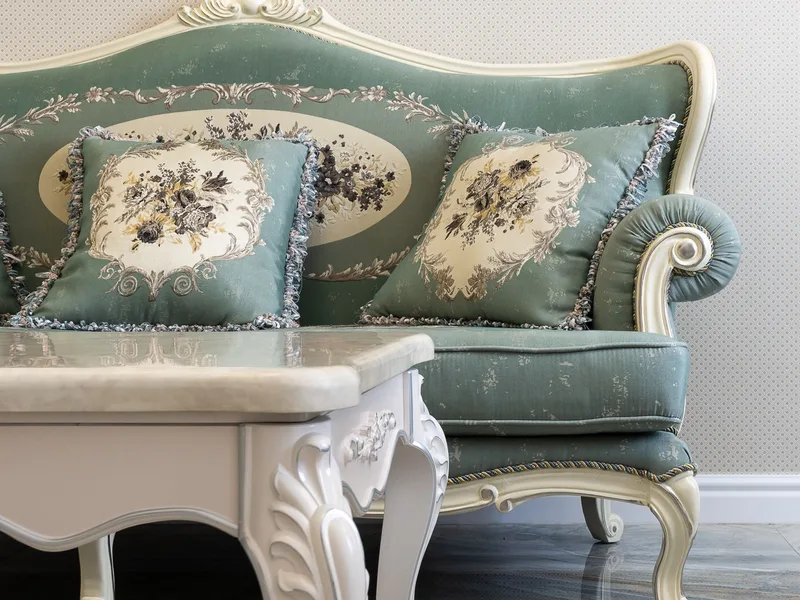
Furniture edges and upholstery
Furniture edges and upholstery in Al Hamra often harbour mould alongside flea populations, as both thrive in dampness, making the furniture a dual microhabitat.
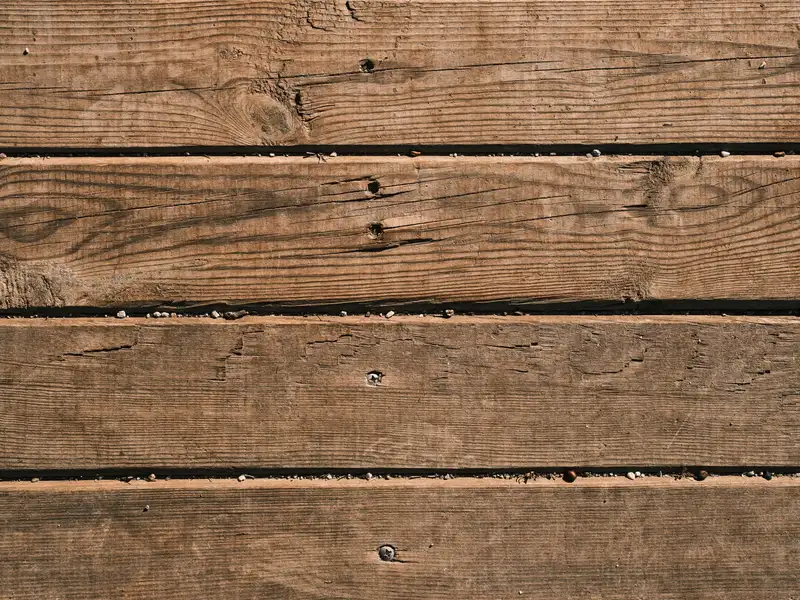
Joints in a hard floor
Joints in hard floors fill with salt water and moisture, and deep gaps may remain inaccessible to surface applied pesticide if water is standing in them.
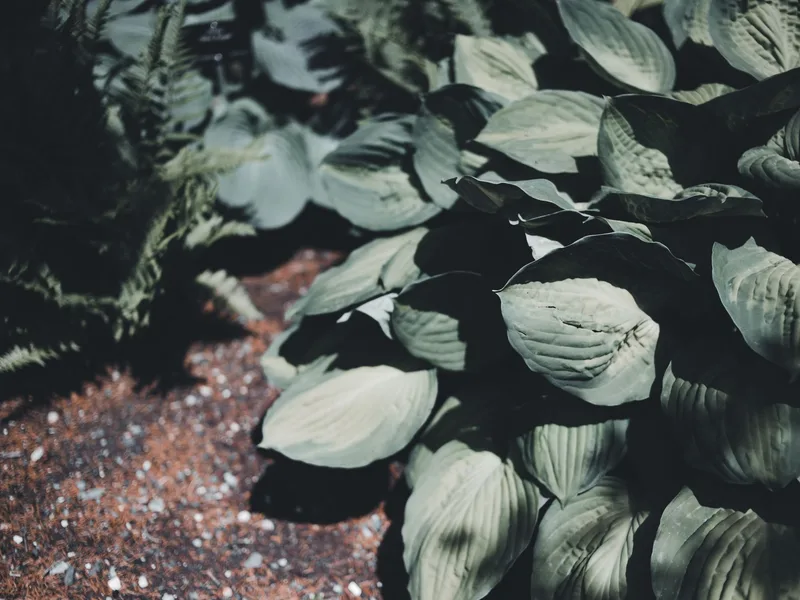
Damp shade outdoors
Damp shade outdoors is abundant in Al Hamra. Every shadowed corner near walls becomes a flea colony waiting for entry into the home during warm evenings.
How we work
-
1
Inspect and confirm
We confirm it is fleas rather than another biting insect, and fix the animal's sleeping points, its routes and the shaded ground outside. Where there is no animal in the house, we look for the host they came from.
-
2
Treat the floors and soft furnishings
A residual with an insect growth regulator, worked into the carpet base, the floor and wall junction and the edges under furniture. The regulator stops a larva becoming an adult, which is what breaks the cycle.
-
3
The host and the shade outside
We treat the shaded ground and the outdoor lying spots, and we agree with you that the animal's veterinary treatment happens on the same day, because any host left out of the job re-seeds the floor.
-
4
Vacuuming, then the follow-up visit
Repeated vacuuming vibrates the floor and draws the pupae out onto a treated surface. We come back about two weeks later to take the emerged generation before it lays.
What flea control includes
-

Confirmation before anything is applied
Telling a flea bite from the alternatives, and fixing the resting places and the centre of the infestation.
-

Carpet base and floor line treatment
A residual and a growth regulator worked down into the pile and under furniture edges, not laid across the visible surface.
-

Shade and damp outdoors
The shaded patches by entrances and around drains and taps, the only ground outside where larvae survive.
-

The source when there is no pet
Stray cats sheltering under an outside stair, or rodents in the voids, each handled on a different footing.
-

The vacuum schedule and aftercare
When to vacuum, how to empty the machine, and why the carpet is not steam cleaned afterwards. Ventilation time we give you on the call, because it changes with the product and the space.
-

A follow-up timed to emergence
A date about two weeks on, timed to the pupae leaving the cocoons, and re-treatment of any room where fresh bites are still starting.
The character of Al Hamra
Coastal area: high humidity and salt air through the year
Coastal climate means flea infestations here are stronger and faster spreading. Humidity protects cocoons, heat accelerates breeding, and standard treatment alone is rarely sufficient. Return visits are not optional but essential.
Questions about this district
Does salt air and humidity make fleas harder to kill?
Yes. Salt degrades some pesticides, and humidity keeps cocoons alive. We use coastal specific products that are stronger and longer acting. The smell may be stronger too, because it needs to work against moisture conditions that inland treatments do not encounter.
Why do fleas return faster in Al Hamra than other areas?
Heat and humidity accelerate the flea lifecycle. Complete development takes a month inland, three weeks here. This is why we recommend follow up visits sooner and more frequently than in drier districts.
Does living close to the sea introduce fleas from outside?
No. Coastal fleas come from the same sources as inland: animals and visitors. But a flea that enters from outdoors survives longer and breeds faster here due to humidity conditions.
Does salt air entering through windows make the problem worse?
Salt air does not bring fleas, but it makes the flat environment more favourable for the fleas already present. Sealing windows will not solve the infestation, but modest improvements to ventilation may help reduce baseline humidity.
Do I need more frequent treatments in Al Hamra than other areas?
Often yes. If your flat is very close to the water with high baseline humidity, you may need additional treatments or shorter intervals between scheduled visits than residents inland.
Does wiping morning dew from ceilings help prevent fleas?
Marginally. Fleas require moisture to survive, and dew supplies it daily. Chemical treatment is the main solution, and improved air circulation may assist but is not a replacement.
How much does flea control in Al Hamra cost?
It is set after the inspection, because the price follows the type of infestation, the size of the space, how far it has spread and the number of visits it needs. Send a photo and a description on WhatsApp and we will give you an estimate before we reach Al Hamra.
Nearby districts we cover
Other services in Al Hamra
Other services we provide to residents of Al Hamra.
-
 Residential
Cockroach control
Residential
Cockroach control
-
 Residential
Bed bug control
Residential
Bed bug control
-
 Residential
Termite control
Residential
Termite control
-
 Residential
Rodents and mice
Residential
Rodents and mice
-
 Residential
Mosquito control
Residential
Mosquito control
-
 Residential
Fly control
Residential
Fly control
-
 Residential
Ant control
Residential
Ant control
-
 Residential
Gecko control
Residential
Gecko control
-
 Residential
Scorpion control
Residential
Scorpion control
-
 Residential
Snake control
Residential
Snake control
-
 Residential
Bird and pigeon control
Residential
Bird and pigeon control
-
 Residential
Preventive treatment
Residential
Preventive treatment
-
 Residential
Disinfection
Residential
Disinfection
-
 Commercial
Annual contracts
Commercial
Annual contracts
-
 Commercial
Restaurants and cafes
Commercial
Restaurants and cafes
-
 Commercial
Hotels and apartments
Commercial
Hotels and apartments
-
 Commercial
Warehouses and factories
Commercial
Warehouses and factories
-
 Commercial
Schools and nurseries
Commercial
Schools and nurseries
-
 Commercial
Retail and malls
Commercial
Retail and malls
-
 Commercial
Rest houses and farms
Commercial
Rest houses and farms
-
 Commercial
Fumigation
Commercial
Fumigation
-
 Water tanks
Water tank cleaning
Water tanks
Water tank cleaning
-
 Water tanks
Water tank sterilization
Water tanks
Water tank sterilization
-
 Water tanks
Water tank sealing
Water tanks
Water tank sealing
-
 Water tanks
Tank leak repair
Water tanks
Tank leak repair
Need flea control in Al Hamra? Tell us what you saw and we will tell you what it needs
We reach Al Hamra at a time we agree, and you get the full cost before we start.