
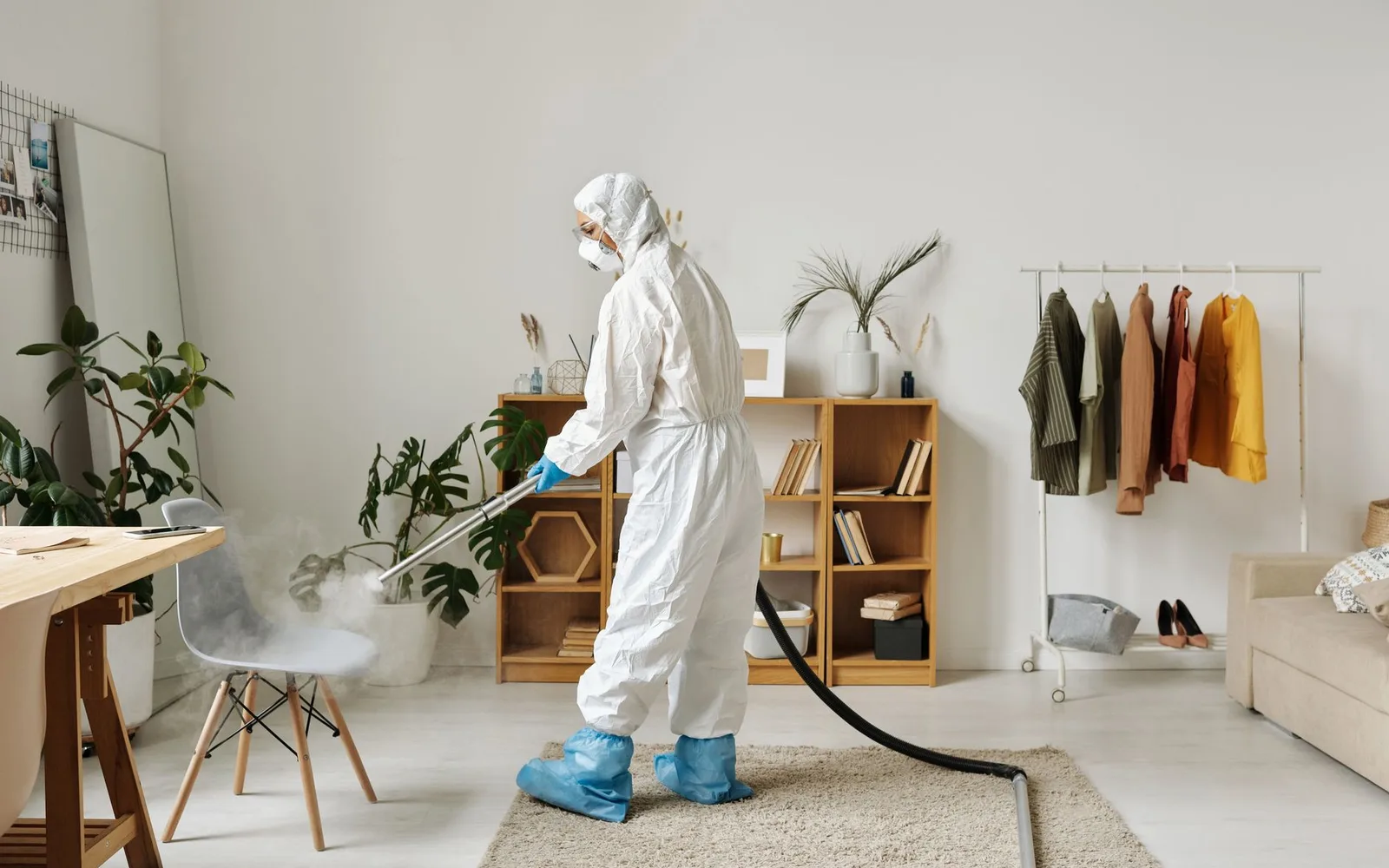
Flea control in Mushrifah Jeddah
Mushrifah is a dense district of apartment blocks threaded by Madinah Road, King Fahd Road and Prince Majid Road. Fleas spread easily between adjoining flats through shared hallways, cable runs and pipes. Every entrance must be mapped and the path of infestation traced through the floors before treatment begins.
-
Targeted, not broadcast
Product goes into cracks and runways, never sprayed across open surfaces.
-
Told before we start
What we will use, where it goes, and what to cover or move before we arrive.
-
A follow-up visit
We return after the first treatment, because what survives it does not show on the day.
-
Homes and businesses
Apartments and villas, and kitchens and stores that need a record of each visit.
Why they keep coming back in Mushrifah
Adjoining flats in the same building share invisible flea highways, and infestations worsen when residents treat their own animals but leave the common spaces untouched, allowing reinfestation from next door. The method is set out in full on our Flea control service.
Multiple flats sharing a single entrance
A single building may house dozens of flats with one shared entrance, shared stairwells, cable runs and pipes that bind them. Fleas use these hidden passages to move flat to flat, so isolating one flat for treatment leaves the problem intact in the units above and below.
Mix of old blocks and ageing drains
Older buildings on Makarona Road and the adjacent streets have ancient drain runs and gaps in their footings. Newer blocks are tighter but sit so close together that horizontal flea movement is likely. A comprehensive approach accounts for the different ages.
Sea humidity and stray animals on the streets
The district is close to the coast and humidity stays high. Stray cats and dogs roam between the blocks, making reinfestation a constant risk unless treatment includes the street-facing walls and shared courtyards where animals rest.
The character of Mushrifah
Apartment district: residential blocks, repeated floors and shared entrances
Apartment blocks mean that treating one flat alone will not resolve the problem if shared entrance, hallways, stairwells and all entry points are not also treated. Fleas use these hidden routes to spread between units constantly.
The resting places map the infestation
Main roads cut through the district, separating clusters of buildings and creating variations in the age, condition and drainage standards of the older and newer blocks that sit above shops and clinics.
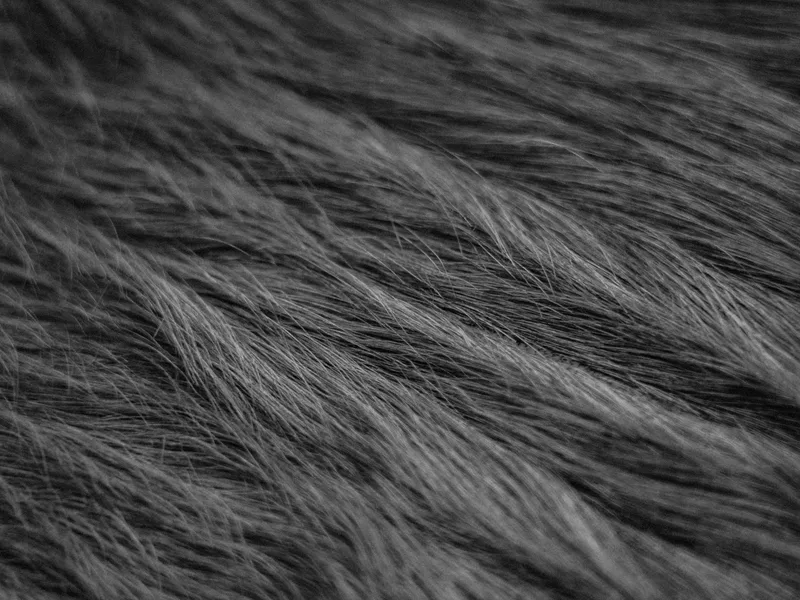
The base of the carpet
Carpet bases in flats vary from old, unwashed rugs to new underlay; treatment reaches the deepest layers and drying time differs by carpet type and flat ventilation.
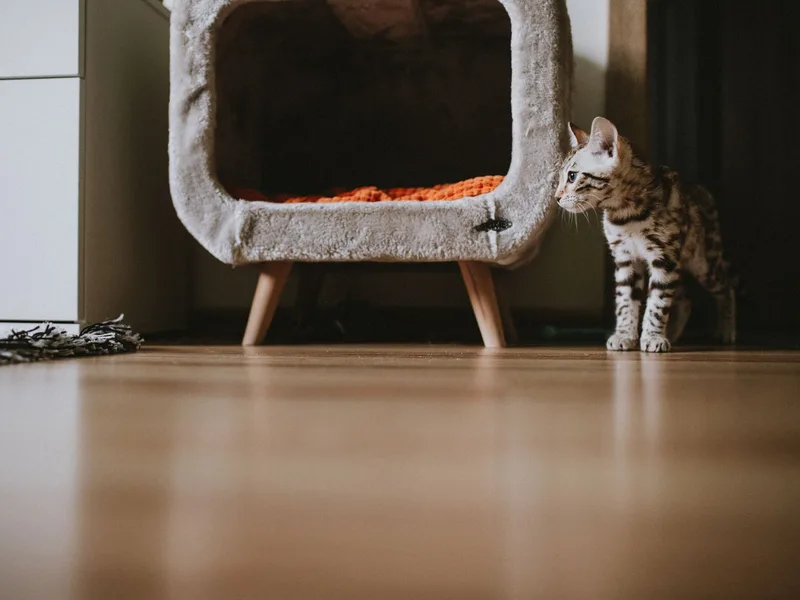
Where the animal sleeps
Animals rarely sleep in one place; cats and dogs rest on furniture, floors, beds and cushions unpredictably, so we inspect all fabrics, upholstery, dark corners and textile surfaces.
Flea dirt
Flea dirt shows as tiny black specks on carpet and bedding, often concentrated where the animal sleeps and in dark corners, and residents sometimes miss it because it resembles dust.
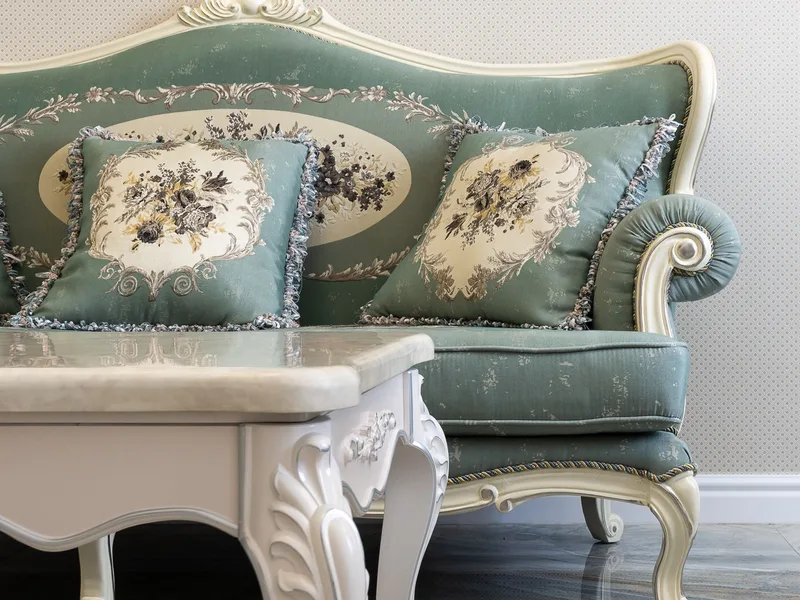
Furniture edges and upholstery
Furniture edges and seams are prime flea shelters, from bed frames and sofas to curtain rails and hems; treatment reaches under every ledge and crevice where fleas hide waiting for the warm host.
Joints in a hard floor
Floor joints between concrete and ceramic tiles trap fleas and pupae, especially at the edges of heavy furniture and in corners; treatment concentrates on these narrow gaps.
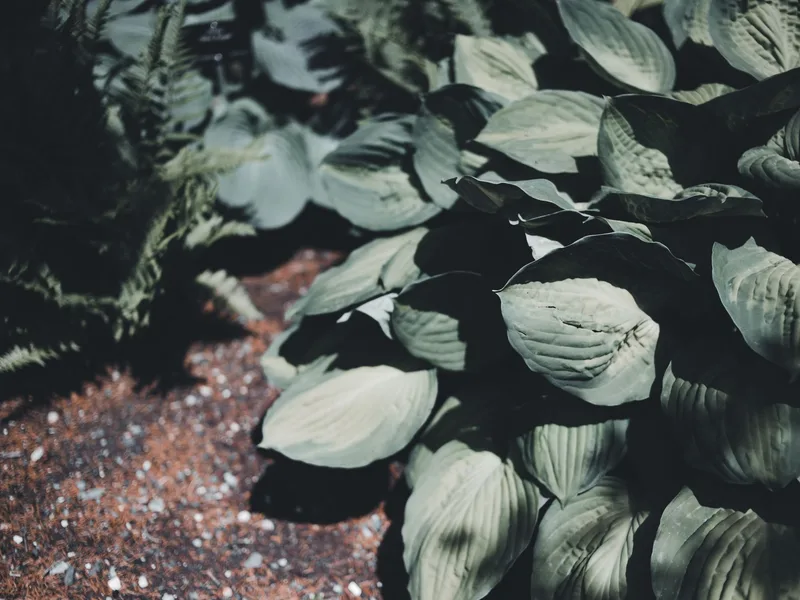
Damp shade outdoors
Damp shade outside the building, in hallways and under balconies, harbours escaped fleas and those moving between blocks; outdoor treatment cuts off reinfestation when fleas flee the indoor spray.
How we work
-
1
Inspect and confirm
We confirm it is fleas rather than another biting insect, and fix the animal's sleeping points, its routes and the shaded ground outside. Where there is no animal in the house, we look for the host they came from.
-
2
Treat the floors and soft furnishings
A residual with an insect growth regulator, worked into the carpet base, the floor and wall junction and the edges under furniture. The regulator stops a larva becoming an adult, which is what breaks the cycle.
-
3
The host and the shade outside
We treat the shaded ground and the outdoor lying spots, and we agree with you that the animal's veterinary treatment happens on the same day, because any host left out of the job re-seeds the floor.
-
4
Vacuuming, then the follow-up visit
Repeated vacuuming vibrates the floor and draws the pupae out onto a treated surface. We come back about two weeks later to take the emerged generation before it lays.
What flea control includes
-

Confirmation before anything is applied
Telling a flea bite from the alternatives, and fixing the resting places and the centre of the infestation.
-

Carpet base and floor line treatment
A residual and a growth regulator worked down into the pile and under furniture edges, not laid across the visible surface.
-

Shade and damp outdoors
The shaded patches by entrances and around drains and taps, the only ground outside where larvae survive.
-

The source when there is no pet
Stray cats sheltering under an outside stair, or rodents in the voids, each handled on a different footing.
-

The vacuum schedule and aftercare
When to vacuum, how to empty the machine, and why the carpet is not steam cleaned afterwards. Ventilation time we give you on the call, because it changes with the product and the space.
-

A follow-up timed to emergence
A date about two weeks on, timed to the pupae leaving the cocoons, and re-treatment of any room where fresh bites are still starting.
What is different about Al Aziziyah Sub-Municipality
The Al Aziziyah sub municipality takes in the established heart of northern Jeddah, from the Al Hamra corniche on the Red Sea to Al Rehab east of King Abdullah Road. Its buildings date back decades, mostly mid rise apartment blocks over shops and closely packed restaurants along Makarona Road, Tahliah Street and Palestine Street, alongside villas and hotel towers near the shore. Sea humidity is high in the western districts, plumbing and drainage in the older blocks are ageing, and food outlets, hospitals and irrigated gardens are everywhere, conditions that favour cockroaches, ants, mosquitoes and rodents throughout the year.
Questions about this district
Fleas are coming from the neighbour's flat. Do you treat adjacent units?
We cannot enter neighbouring flats without permission, but we treat all shared spaces between them: hallways, stairwells, pipe runs and gaps around doors. If infestation is widespread in the building, we strongly recommend coordinating with other residents for a building-wide campaign.
After treatment, new fleas appeared from the flat above or below.
Fleas travel through holes around plumbing, electrical conduits and gaps between floors, especially at kitchens and bathrooms. This is very common in blocks. Comprehensive sealing of all entry points and the return visit are both essential.
Must we empty the whole flat before treatment?
No need to empty completely, but gather all bedding, pillows, mattress covers and sleeping clothes into sealed bags. Furniture stays in place; treatment works around and beneath it.
Our building has hundreds of residents. How many staff will attend?
Team size depends on how many flats are infested and their size. If an entire building or most of it needs treatment, we bring a crew matched to the job and coordinate timing with you in advance.
The flat above keeps an animal on its roof. Does this feed our flea problem?
An animal on the roof may be the flea source moving down to flats below, especially if roof hatches are not sealed. We recommend coordinating with that resident or sealing all roof access gaps completely.
After one month, fleas came back despite a second visit. Why?
If they come from outside, such as an animal in the building or an untreated neighbouring flat, reinfestation occurs. Sometimes incorrect carpet cleaning, or residents returning before the lifecycle has ended, causes delayed reappearance.
How much does flea control in Mushrifah cost?
It is set after the inspection, because the price follows the type of infestation, the size of the space, how far it has spread and the number of visits it needs. Send a photo and a description on WhatsApp and we will give you an estimate before we reach Mushrifah.
Nearby districts we cover
Other services in Mushrifah
Other services we provide to residents of Mushrifah.
-
 Residential
Cockroach control
Residential
Cockroach control
-
 Residential
Bed bug control
Residential
Bed bug control
-
 Residential
Termite control
Residential
Termite control
-
 Residential
Rodents and mice
Residential
Rodents and mice
-
 Residential
Mosquito control
Residential
Mosquito control
-
 Residential
Fly control
Residential
Fly control
-
 Residential
Ant control
Residential
Ant control
-
 Residential
Gecko control
Residential
Gecko control
-
 Residential
Scorpion control
Residential
Scorpion control
-
 Residential
Snake control
Residential
Snake control
-
 Residential
Bird and pigeon control
Residential
Bird and pigeon control
-
 Residential
Preventive treatment
Residential
Preventive treatment
-
 Residential
Disinfection
Residential
Disinfection
-
 Commercial
Annual contracts
Commercial
Annual contracts
-
 Commercial
Restaurants and cafes
Commercial
Restaurants and cafes
-
 Commercial
Hotels and apartments
Commercial
Hotels and apartments
-
 Commercial
Warehouses and factories
Commercial
Warehouses and factories
-
 Commercial
Schools and nurseries
Commercial
Schools and nurseries
-
 Commercial
Retail and malls
Commercial
Retail and malls
-
 Commercial
Rest houses and farms
Commercial
Rest houses and farms
-
 Commercial
Fumigation
Commercial
Fumigation
-
 Water tanks
Water tank cleaning
Water tanks
Water tank cleaning
-
 Water tanks
Water tank sterilization
Water tanks
Water tank sterilization
-
 Water tanks
Water tank sealing
Water tanks
Water tank sealing
-
 Water tanks
Tank leak repair
Water tanks
Tank leak repair
Need flea control in Mushrifah? Tell us what you saw and we will tell you what it needs
We reach Mushrifah at a time we agree, and you get the full cost before we start.