
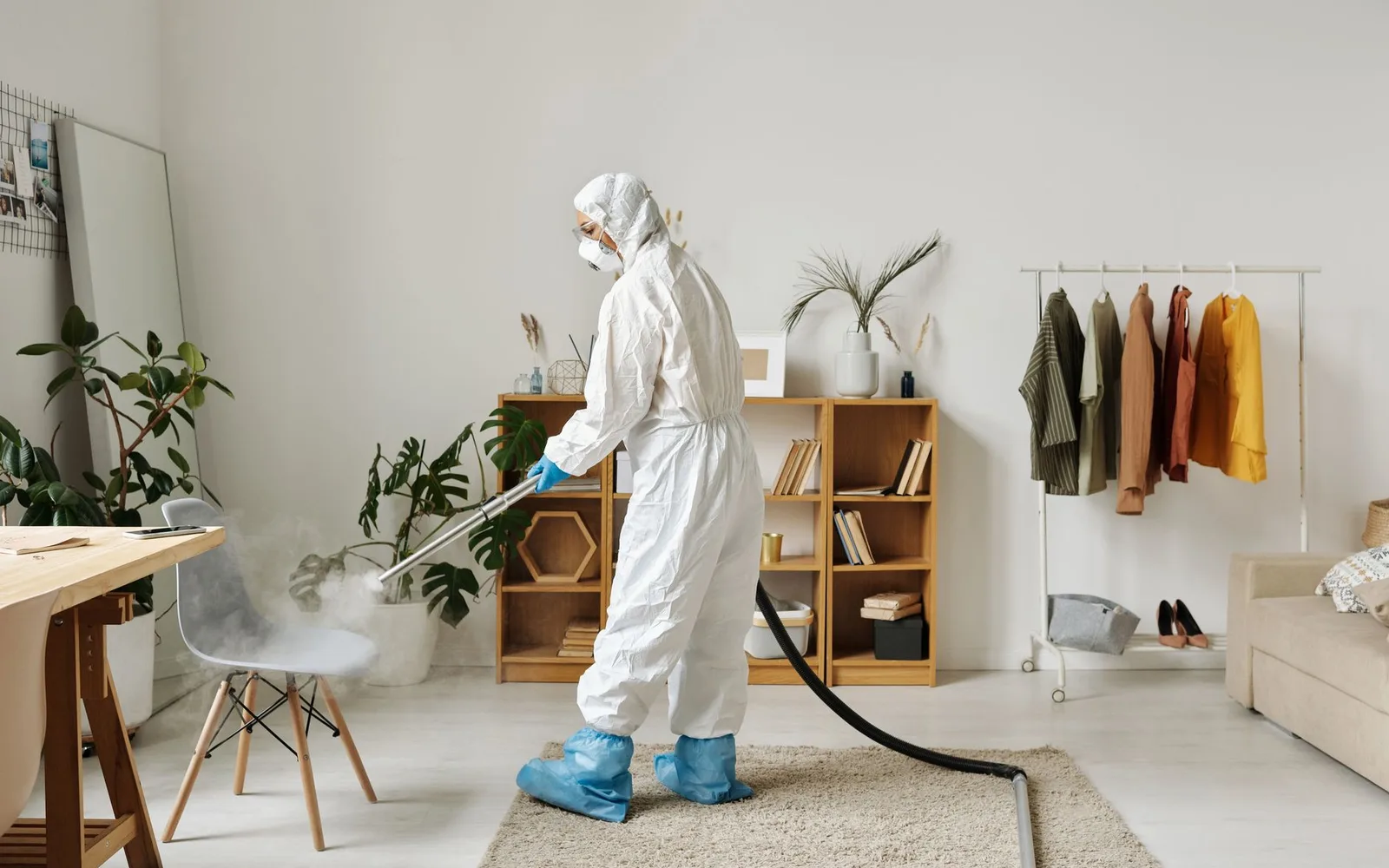
Flea control in Al Harazat Jeddah
Al Harazat is a densely built residential spread that grew on former farmland, with low rise apartment blocks tightly packed and sharing entrances, stairwells and connected rooftops. Fleas move between units without hesitation, crossing through shared walls, ventilation openings and gaps around service pipes. The concentration of homes and the network of connecting passages create a flea highway that cannot be blocked by treating a single flat in isolation.
-
Targeted, not broadcast
Product goes into cracks and runways, never sprayed across open surfaces.
-
Told before we start
What we will use, where it goes, and what to cover or move before we arrive.
-
A follow-up visit
We return after the first treatment, because what survives it does not show on the day.
-
Homes and businesses
Apartments and villas, and kitchens and stores that need a record of each visit.
Why they keep coming back in Al Harazat
Strays and feral cats living in the gaps between buildings carry fleas that enter flats through open windows and ventilation grilles at night, seeding new infestations in hours. The method is set out in full on our Flea control service.
Shared stairs, roofs and passages between all units
Dozens of flats share one entrance and stairwell, and roof lines connect without barriers. Fleas travel between units via balconies, adjoining windows and gaps where service pipes pass through party walls. Children and pets move freely across the roofscape, carrying fleas with them from one household to the next.
Ageing drainage and persistent moisture in the fabric
The sewage and water networks have not been upgraded since the district was built, and leaks beneath and between flats create permanent damp. Fleas find ideal breeding conditions in this moisture and hide in crevices where insecticide cannot reach. The stale smell of water damage marks walls throughout the district, a signature of the environment that sustains flea populations.
Stray animals shelter in the gaps between homes
Cats and rats live in the spaces under and between the blocks, an unending source of flea infestation. These animals enter flats through open windows and ventilation openings at night, depositing fleas directly onto carpet and upholstery. By morning, reinfestation is underway before yesterday's treatment has fully dried.
Al Harazat on the map
Al Harazat sits about 4.5 km from Umm Al Salam and about 5.5 km from Al Mahamid.
Open in Google MapsThe resting places map the infestation
The district lies close to Old Makkah Road on land that was once farmed. It grew beyond formal municipal planning, and drainage infrastructure remains basic and strained by current population density.

The base of the carpet
Carpet base in the apartment blocks is thick and old, trapping moisture and flea cocoons deep in the pile where daily cleaning cannot reach.
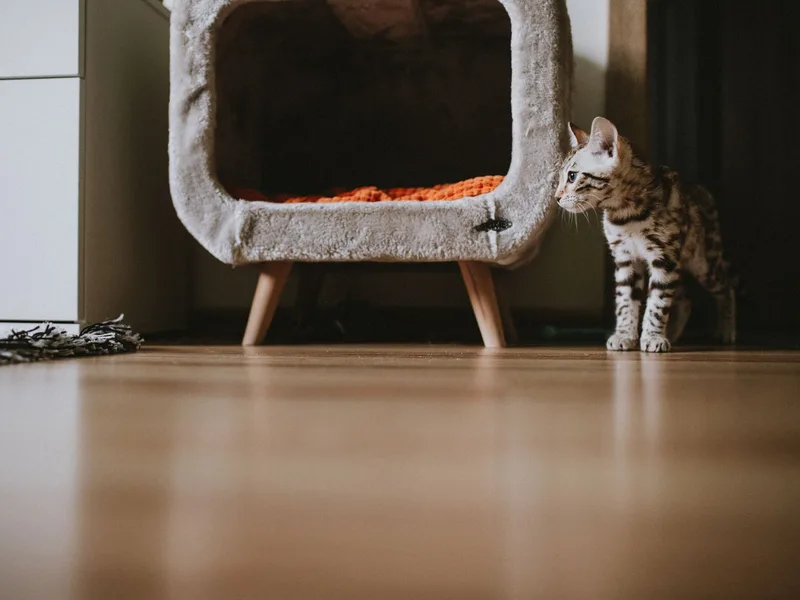
Where the animal sleeps
Pets in Al Harazat spend hours on carpet and hard floors, concentrating flea populations in those zones and creating visible dark patches of flea dirt.
Flea dirt
Flea dirt shows in carpet weave and underlay, and in the creases of old upholstered furniture that holds ambient humidity.
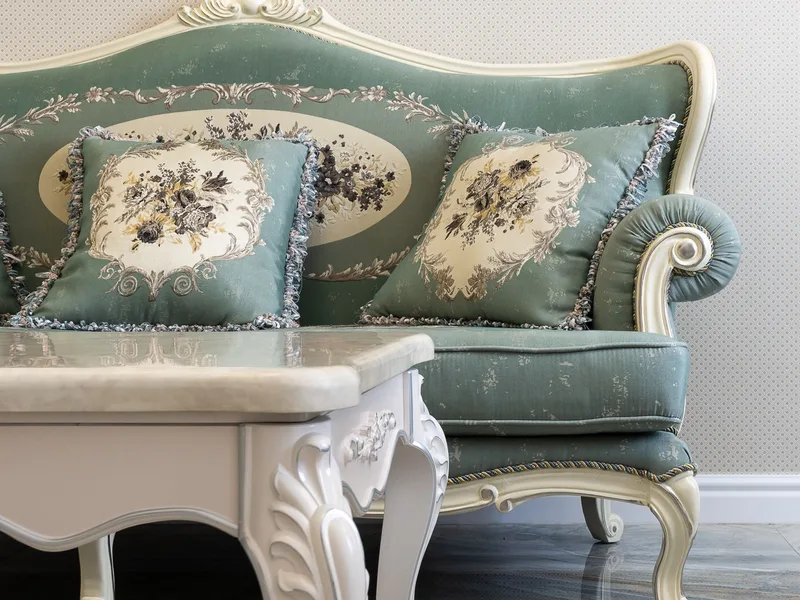
Furniture edges and upholstery
Furniture edges and upholstery harbour fleas in seams, beneath welting and in frame joints, where they shelter from light and seek stable damp.
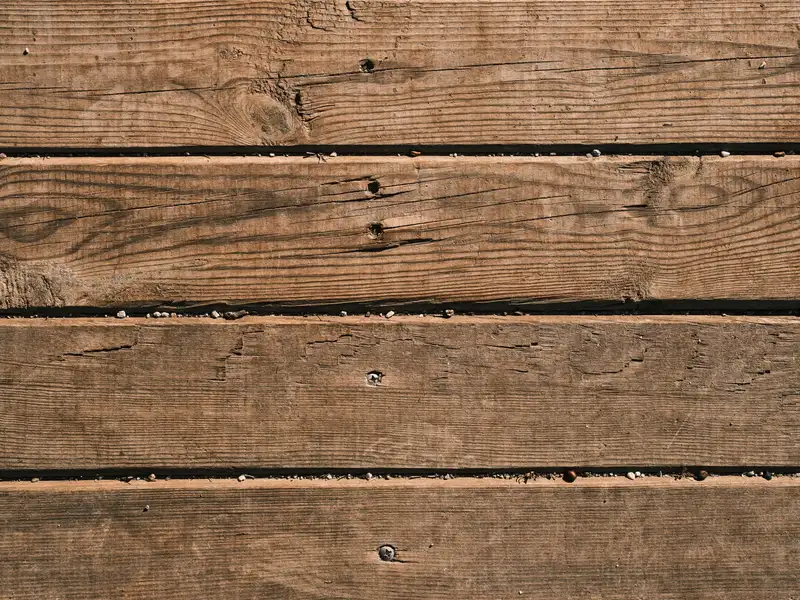
Joints in a hard floor
Grout between tiles in older flats retains moisture and flea pupae, especially in bathroom and kitchen areas where dampness is constant.
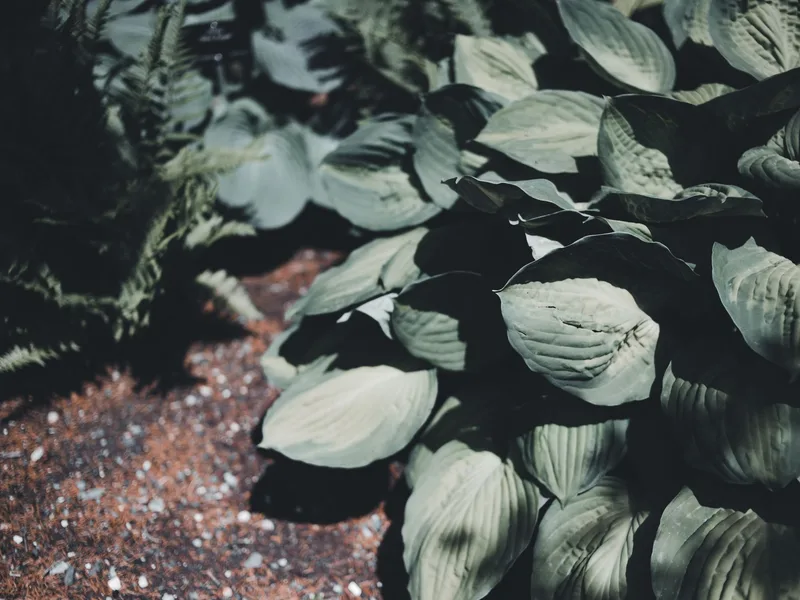
Damp shade outdoors
Damp shade outdoors surrounds the blocks in the gaps between units, under stairwells and on covered balconies, where strays rest and fleas pupate undisturbed.
How we work
-
1
Inspect and confirm
We confirm it is fleas rather than another biting insect, and fix the animal's sleeping points, its routes and the shaded ground outside. Where there is no animal in the house, we look for the host they came from.
-
2
Treat the floors and soft furnishings
A residual with an insect growth regulator, worked into the carpet base, the floor and wall junction and the edges under furniture. The regulator stops a larva becoming an adult, which is what breaks the cycle.
-
3
The host and the shade outside
We treat the shaded ground and the outdoor lying spots, and we agree with you that the animal's veterinary treatment happens on the same day, because any host left out of the job re-seeds the floor.
-
4
Vacuuming, then the follow-up visit
Repeated vacuuming vibrates the floor and draws the pupae out onto a treated surface. We come back about two weeks later to take the emerged generation before it lays.
What flea control includes
-

Confirmation before anything is applied
Telling a flea bite from the alternatives, and fixing the resting places and the centre of the infestation.
-

Carpet base and floor line treatment
A residual and a growth regulator worked down into the pile and under furniture edges, not laid across the visible surface.
-

Shade and damp outdoors
The shaded patches by entrances and around drains and taps, the only ground outside where larvae survive.
-

The source when there is no pet
Stray cats sheltering under an outside stair, or rodents in the voids, each handled on a different footing.
-

The vacuum schedule and aftercare
When to vacuum, how to empty the machine, and why the carpet is not steam cleaned afterwards. Ventilation time we give you on the call, because it changes with the product and the space.
-

A follow-up timed to emergence
A date about two weeks on, timed to the pupae leaving the cocoons, and re-treatment of any room where fresh bites are still starting.
The character of Al Harazat
Apartment district: residential blocks, repeated floors and shared entrances
In densely packed apartments like Al Harazat, fleas are not confined to one flat. Shared roofs, stairwells and connecting passages mean they commute constantly. Treating a single unit in isolation fails within weeks. The whole affected block, or at minimum all adjoining units and shared spaces, must be treated together.
Questions about this district
Do fleas from stray cats enter our flat easily at night?
Yes, readily. Feral and stray cats living between the blocks enter flats through open windows and ventilation grilles after dark. Fleas on them transfer directly to carpet and furniture within minutes. Within days of a single animal visit, the infestation becomes visible and widespread.
Does treatment include the shared roofs and common spaces?
Yes, treatment of rooftops, balconies, stairwells and the gaps between units is essential. Confining treatment to a single flat cannot control fleas that move across shared surfaces and through connecting passages. We address every route they use to travel between homes.
The constant dampness here makes fleas harder to treat overall?
Moisture creates ideal flea breeding conditions and worsens the infestation, but our residual products are formulated for damp conditions. Treatment remains effective, though follow up visits may be slightly more frequent in this environment than in drier areas due to rapid re population from stray animals and adjacent units.
If we treat our flat and our neighbour does not, when return fleas?
Within two to three weeks. Adjoining units share thin walls and unsealed gaps, and fleas cross them readily. Coordination with neighbours and landlord involvement is necessary, or treatment of your flat alone becomes a temporary measure only.
Should we have our pet checked and treated before the flea treatment?
Absolutely. The animal is often the source. Veterinary inspection and parasite treatment are essential before we treat the home, otherwise fleas return directly from the pet itself, negating the whole effort.
One week after treatment, fleas returned via ventilation holes. Did it fail?
The treatment succeeded where it was applied, but new fleas are entering through shared ventilation ducts. We treat the passages behind the grilles, but installing fine mesh screens over all openings is necessary to stop animals and insects entering the flat.
How much does flea control in Al Harazat cost?
It is set after the inspection, because the price follows the type of infestation, the size of the space, how far it has spread and the number of visits it needs. Send a photo and a description on WhatsApp and we will give you an estimate before we reach Al Harazat.
Nearby districts we cover
Other services in Al Harazat
Other services we provide to residents of Al Harazat.
-
 Residential
Cockroach control
Residential
Cockroach control
-
 Residential
Bed bug control
Residential
Bed bug control
-
 Residential
Termite control
Residential
Termite control
-
 Residential
Rodents and mice
Residential
Rodents and mice
-
 Residential
Mosquito control
Residential
Mosquito control
-
 Residential
Fly control
Residential
Fly control
-
 Residential
Ant control
Residential
Ant control
-
 Residential
Gecko control
Residential
Gecko control
-
 Residential
Scorpion control
Residential
Scorpion control
-
 Residential
Snake control
Residential
Snake control
-
 Residential
Bird and pigeon control
Residential
Bird and pigeon control
-
 Residential
Preventive treatment
Residential
Preventive treatment
-
 Residential
Disinfection
Residential
Disinfection
-
 Commercial
Annual contracts
Commercial
Annual contracts
-
 Commercial
Restaurants and cafes
Commercial
Restaurants and cafes
-
 Commercial
Hotels and apartments
Commercial
Hotels and apartments
-
 Commercial
Warehouses and factories
Commercial
Warehouses and factories
-
 Commercial
Schools and nurseries
Commercial
Schools and nurseries
-
 Commercial
Retail and malls
Commercial
Retail and malls
-
 Commercial
Rest houses and farms
Commercial
Rest houses and farms
-
 Commercial
Fumigation
Commercial
Fumigation
-
 Water tanks
Water tank cleaning
Water tanks
Water tank cleaning
-
 Water tanks
Water tank sterilization
Water tanks
Water tank sterilization
-
 Water tanks
Water tank sealing
Water tanks
Water tank sealing
-
 Water tanks
Tank leak repair
Water tanks
Tank leak repair
Need flea control in Al Harazat? Tell us what you saw and we will tell you what it needs
We reach Al Harazat at a time we agree, and you get the full cost before we start.