
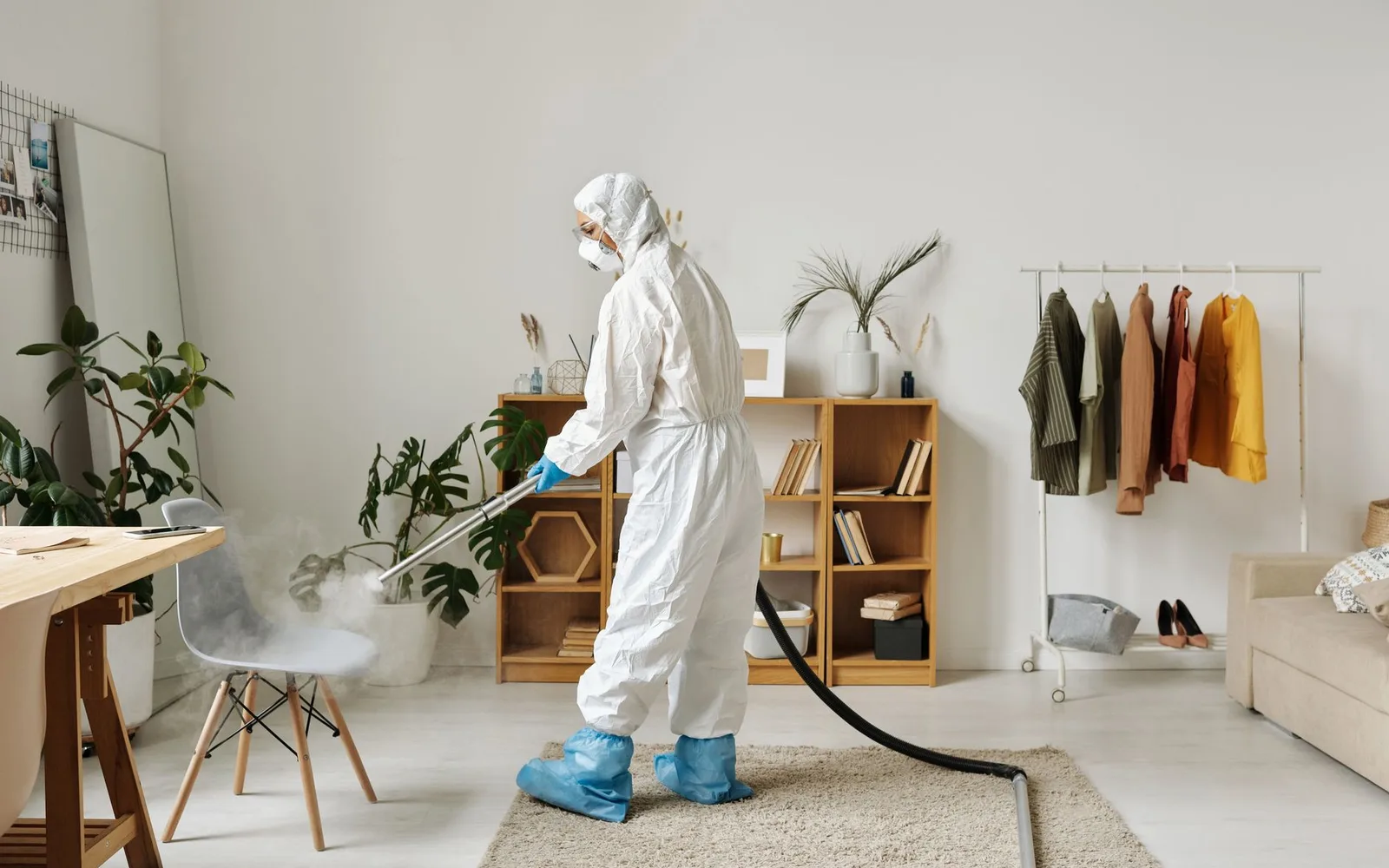
Flea control in Al Nakhil Jeddah
Al Nakhil is a mixed district in eastern Jeddah between Palestine Road and King Abdullah Branch Road, where shops occupy the ground floors and flats and villas rise above and beside them in tightly knit rows. The park and walkway add greenery, but fleas climb nightly from the shops below into the homes above.
-
Targeted, not broadcast
Product goes into cracks and runways, never sprayed across open surfaces.
-
Told before we start
What we will use, where it goes, and what to cover or move before we arrive.
-
A follow-up visit
We return after the first treatment, because what survives it does not show on the day.
-
Homes and businesses
Apartments and villas, and kitchens and stores that need a record of each visit.
Why they keep coming back in Al Nakhil
Small clothing shops, food outlets and grocers on the ground floors feed fleas upward daily through gaps between units and shared pipework to the flats directly above. The method is set out in full on the full Flea control page.
Ground floor shops feed nightly flea traffic into the flats above
Clothes shops, small restaurants and corner stores receive fleas from the street, incoming goods and stray animals. Each shop connects to the flat above through the same foundation and pipes, and fleas climb at night toward warmth and food. Every ground floor shop is a nightly source for the flat it supports.
Villas and flats sit packed tight with wide gaps beneath
The villas and blocks in Al Nakhil were built quickly and have cavities between walls and at corners in their foundations. Fleas spread horizontally from villa to villa through damp soil and gaps under the bases, and every newly treated home becomes an island surrounded by a minefield of returning fleas.
The daily watered park and walkway harbour feral fleas and stray animals
Al Nakhil Park and its walkway are irrigated daily, and stray animals sleep under the trees where feral fleas live on their blood. Children play in the garden and return to their flats with contaminated clothes, and family pets come home from the park carrying fleas on their fur.
The character of Al Nakhil
Mixed district: shops at street level with homes above them
A mixed district means treating the flat alone is never enough, because the shops below you renew the infestation every night. Full control requires treating the whole building at once: shops, flats and the gaps between them together, not one location in isolation.
The resting places map the infestation
Al Nakhil is relatively new and laid out in a planned grid, but ground floor commercial units and the tightly adjoining residential blocks create shared cavities and direct upward routes for fleas.
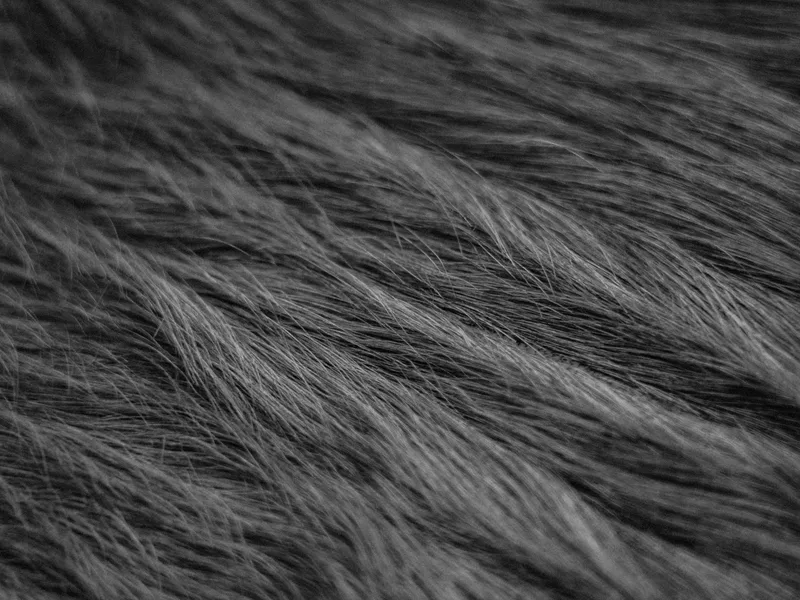
The base of the carpet
Carpet in Al Nakhil sits on a damp base in newer flats, and fleas hide at the outer edges nearest the doors and windows.
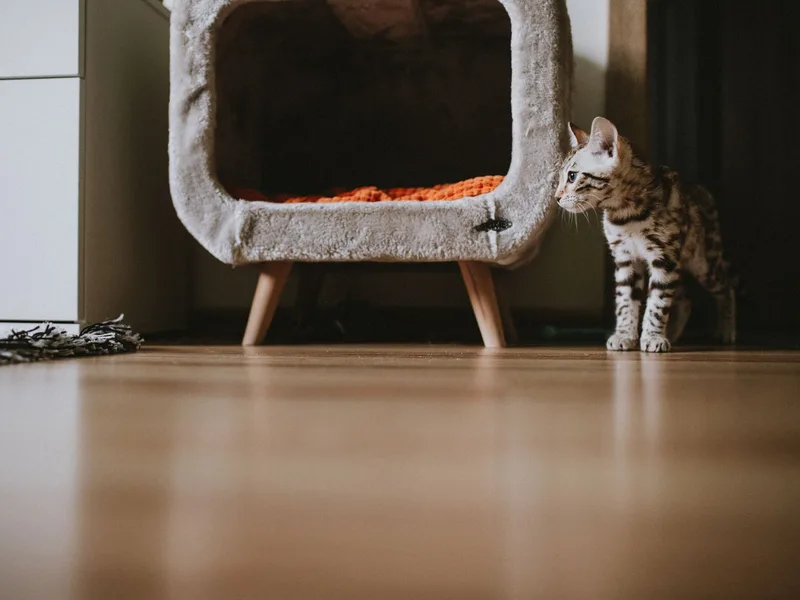
Where the animal sleeps
The family pet sleeps on the carpet beside the sofa or in a dark corner near the external walls.
Flea dirt
Flea dirt appears on the carpet at the edges and corners and around the pet's resting place.
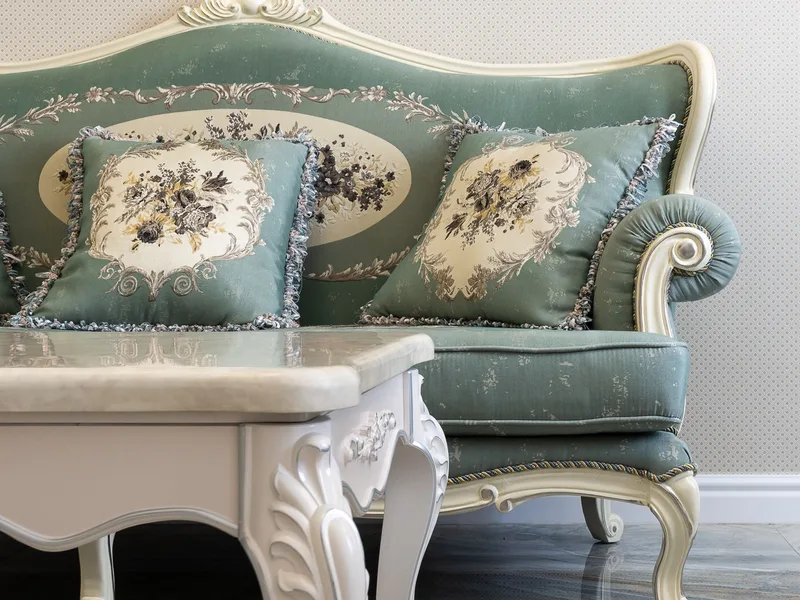
Furniture edges and upholstery
Sofa edges and cushions near external doors and windows trap many fleas.
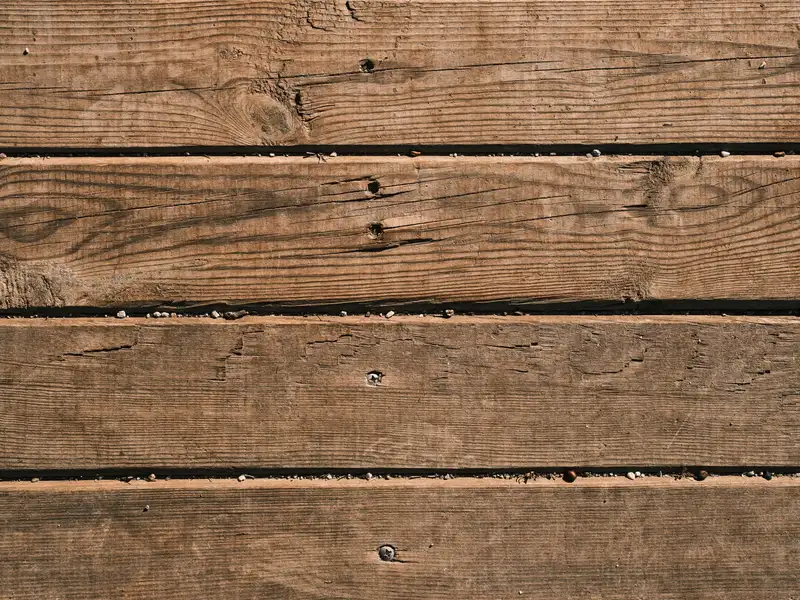
Joints in a hard floor
Tile and ceramic joints in the kitchen and bathroom hold fleas where damp is trapped.
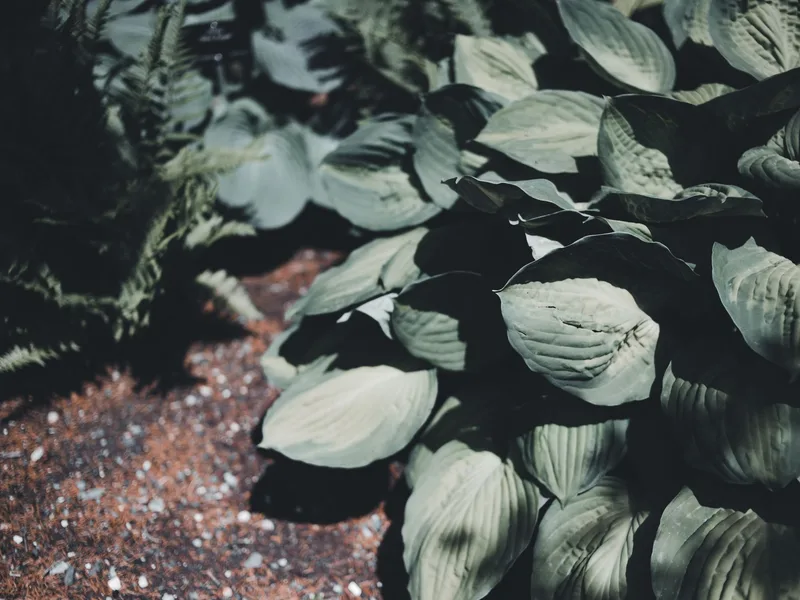
Damp shade outdoors
Damp shade outside the flat against the outer walls and near the foundations collects fleas travelling from the adjoining shop below.
How we work
-
1
Inspect and confirm
We confirm it is fleas rather than another biting insect, and fix the animal's sleeping points, its routes and the shaded ground outside. Where there is no animal in the house, we look for the host they came from.
-
2
Treat the floors and soft furnishings
A residual with an insect growth regulator, worked into the carpet base, the floor and wall junction and the edges under furniture. The regulator stops a larva becoming an adult, which is what breaks the cycle.
-
3
The host and the shade outside
We treat the shaded ground and the outdoor lying spots, and we agree with you that the animal's veterinary treatment happens on the same day, because any host left out of the job re-seeds the floor.
-
4
Vacuuming, then the follow-up visit
Repeated vacuuming vibrates the floor and draws the pupae out onto a treated surface. We come back about two weeks later to take the emerged generation before it lays.
What flea control includes
-

Confirmation before anything is applied
Telling a flea bite from the alternatives, and fixing the resting places and the centre of the infestation.
-

Carpet base and floor line treatment
A residual and a growth regulator worked down into the pile and under furniture edges, not laid across the visible surface.
-

Shade and damp outdoors
The shaded patches by entrances and around drains and taps, the only ground outside where larvae survive.
-

The source when there is no pet
Stray cats sheltering under an outside stair, or rodents in the voids, each handled on a different footing.
-

The vacuum schedule and aftercare
When to vacuum, how to empty the machine, and why the carpet is not steam cleaned afterwards. Ventilation time we give you on the call, because it changes with the product and the space.
-

A follow-up timed to emergence
A date about two weeks on, timed to the pupae leaving the cocoons, and re-treatment of any room where fresh bites are still starting.
What is different about Umm Al Salam Sub-Municipality
The Umm Al Salam sub municipality covers the east and south east of Jeddah along the Old Makkah Road and the Haramain Road. It pairs recently planned districts such as Al Wahah, Al Nakhil and Al Shuruq with popular districts that grew outside formal planning, including Al Harazat, Al Mahamid and Umm Al Salam. The older areas have ageing drainage, unpaved streets and vacant plots where building waste collects, conditions that suit rodents, cockroaches and ants. The newer areas are ringed by half built subdivisions and open excavations.
Questions about this district
A shop sits directly below my flat. Must I treat it at the same time?
Yes, absolutely. Fleas from the shop climb through foundation gaps and shared pipes. Your flat will stay infested if the shop below stays untreated. Coordinating the treatment together is the only effective answer.
Between two villas in Al Nakhil lies the shared boundary. Do fleas cross through the soil?
Yes, close foundations and damp soil transport fleas easily from one villa to the next. If your neighbour's villa is infested and you treat yours alone, fleas will return to you through the soil.
My pet plays in Al Nakhil Park every day. Do the fleas come from there?
Likely they do. The irrigated park holds stray animals and feral fleas that live on them. Your pet sleeps on the grass and may pick up fleas and bring them home. Washing the pet and your clothes after the park is essential.
Treatment finished but fleas returned from the shared walkway. Why did this happen?
The park and walkway have not been treated and hold many feral fleas on stray animals. Complete control in Al Nakhil means treating homes, shops, the garden and the walkway together, not in isolation.
Could second-hand furniture bought in Al Nakhil carry fleas into my home?
Yes, very likely. If the furniture came from an infested home, it will carry living fleas inside cocoons. Inspect second-hand pieces carefully and treat any suspect furniture with hot water or spray before bringing it into your flat.
How often per year does a mixed district like Al Nakhil need preventive treatment?
If you coordinate treatment with your neighbours, the shops and the park together, preventive treatment every four to six months is usually enough. If you treat alone, you will need treatment every two to three months to manage constant pressure from the surrounding areas.
How much does flea control in Al Nakhil cost?
It is set after the inspection, because the price follows the type of infestation, the size of the space, how far it has spread and the number of visits it needs. Send a photo and a description on WhatsApp and we will give you an estimate before we reach Al Nakhil.
Nearby districts we cover
Other services in Al Nakhil
Other services we provide to residents of Al Nakhil.
-
 Residential
Cockroach control
Residential
Cockroach control
-
 Residential
Bed bug control
Residential
Bed bug control
-
 Residential
Termite control
Residential
Termite control
-
 Residential
Rodents and mice
Residential
Rodents and mice
-
 Residential
Mosquito control
Residential
Mosquito control
-
 Residential
Fly control
Residential
Fly control
-
 Residential
Ant control
Residential
Ant control
-
 Residential
Gecko control
Residential
Gecko control
-
 Residential
Scorpion control
Residential
Scorpion control
-
 Residential
Snake control
Residential
Snake control
-
 Residential
Bird and pigeon control
Residential
Bird and pigeon control
-
 Residential
Preventive treatment
Residential
Preventive treatment
-
 Residential
Disinfection
Residential
Disinfection
-
 Commercial
Annual contracts
Commercial
Annual contracts
-
 Commercial
Restaurants and cafes
Commercial
Restaurants and cafes
-
 Commercial
Hotels and apartments
Commercial
Hotels and apartments
-
 Commercial
Warehouses and factories
Commercial
Warehouses and factories
-
 Commercial
Schools and nurseries
Commercial
Schools and nurseries
-
 Commercial
Retail and malls
Commercial
Retail and malls
-
 Commercial
Rest houses and farms
Commercial
Rest houses and farms
-
 Commercial
Fumigation
Commercial
Fumigation
-
 Water tanks
Water tank cleaning
Water tanks
Water tank cleaning
-
 Water tanks
Water tank sterilization
Water tanks
Water tank sterilization
-
 Water tanks
Water tank sealing
Water tanks
Water tank sealing
-
 Water tanks
Tank leak repair
Water tanks
Tank leak repair
Need flea control in Al Nakhil? Tell us what you saw and we will tell you what it needs
We reach Al Nakhil at a time we agree, and you get the full cost before we start.