
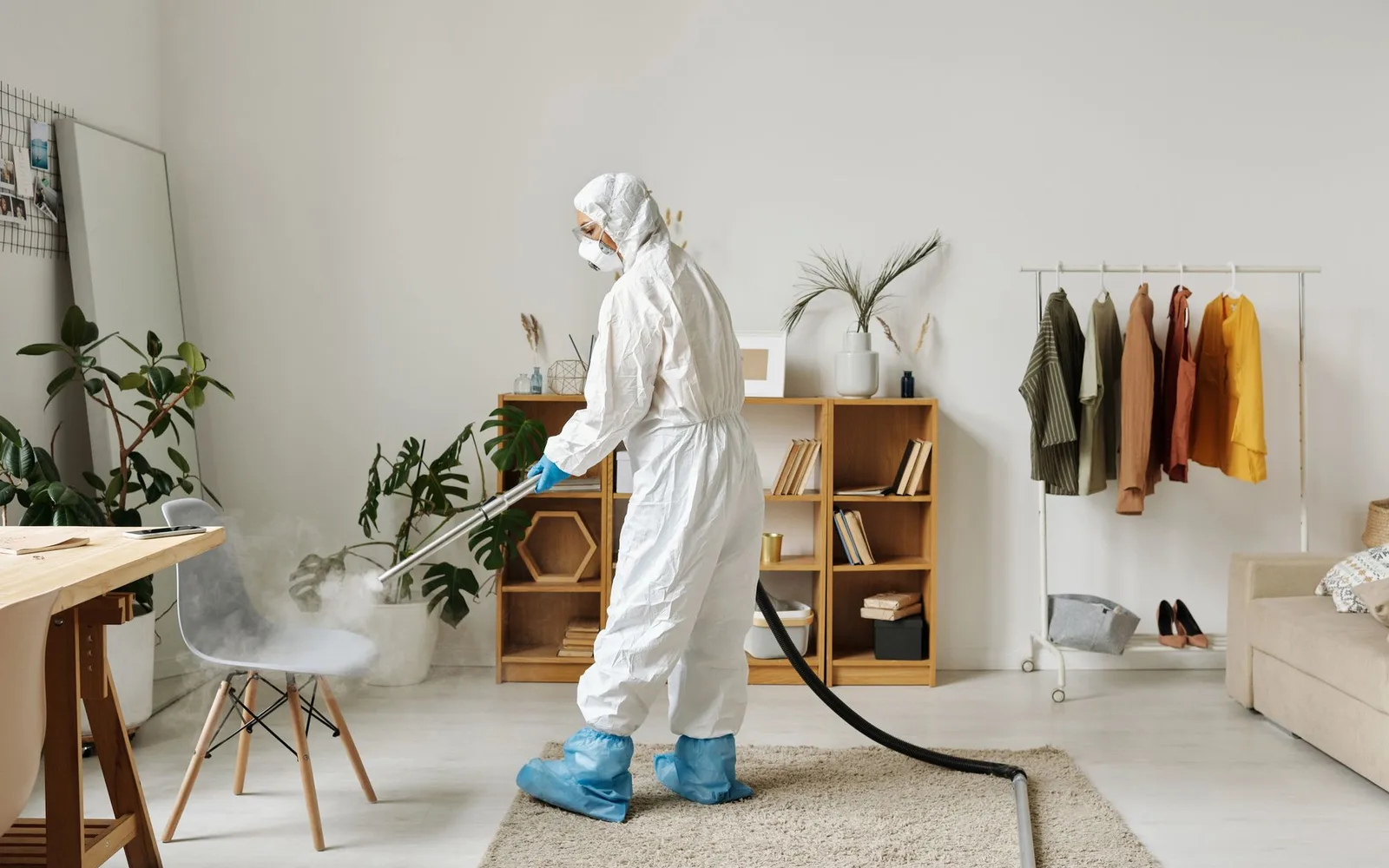
Flea control in Al Naseem Jeddah
Al Naseem mixes housing with heavy commerce, and the shops at street level draw fleas continuously from food waste, foot traffic, and delivery. The treatment here must address both the shared apartment building foundations and the shop floors that sit directly beneath them.
-
Targeted, not broadcast
Product goes into cracks and runways, never sprayed across open surfaces.
-
Told before we start
What we will use, where it goes, and what to cover or move before we arrive.
-
A follow-up visit
We return after the first treatment, because what survives it does not show on the day.
-
Homes and businesses
Apartments and villas, and kitchens and stores that need a record of each visit.
Why they keep coming back in Al Naseem
Food shops below the flats leave waste on the pavements through the night, stray cats shelter around rubbish piles, and fleas climb easily into both the shop and the flat above it through shared floor lines. The method is set out in full on the full Flea control page.
Food shops directly beneath residential flats
Kitchen waste from restaurants and cafés on ground floors attracts fleas that climb readily through shared walls to family bedrooms above. Treatment focuses on the barrier between shop and flat and the carpet base in both spaces together.
Furniture moved between shared floor levels
Residents move chairs and tables between shops and flats, and fleas travel with second-hand pieces. The district means furniture does not stay in one place long, and neighbours swap items constantly. This movement spreads infestation faster than in single-family homes.
Continuous foot traffic and climate heat
Shops welcome hundreds of visitors daily through street doors, and flats above feel the warmth and humidity from shop air conditioning and cooking smoke. Fleas thrive in these warm, busy, crowded spaces thick with human scent.
The character of Al Naseem
Mixed district: shops at street level with homes above them
A mixed district means your commercial neighbours will not treat their fleas as quickly as you treat yours, and fresh daily waste from shops re-seeds the infestation. You need continuous follow-up, not a single treatment.
The resting places map the infestation
Busy commercial streets along King Abdullah and Prince Majid Roads with food shops and markets, topped directly by residential apartment blocks that share foundations and shared passages.
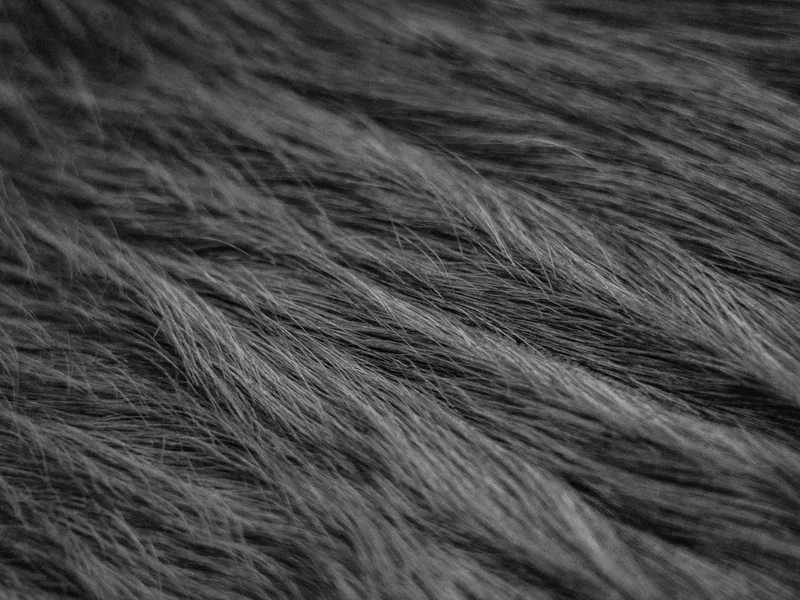
The base of the carpet
The carpet base in your flat and the shop floor below it must be treated together because fleas cross the shared gaps between them with ease.
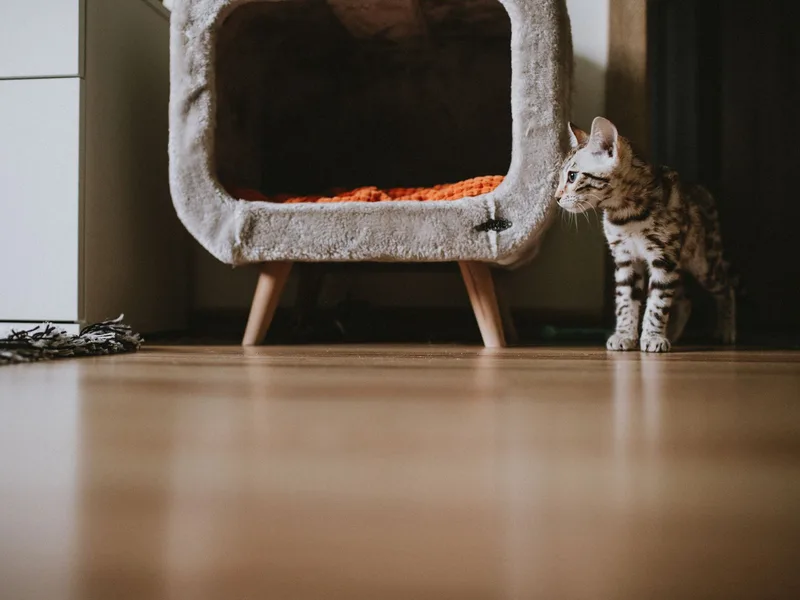
Where the animal sleeps
Stray animals shelter around rubbish piles outside the shops, and from there fleas climb into the indoor floor levels.
Flea dirt
Flea droppings show most clearly in dark carpet beside the bed and in dim corners of the old shop floor.
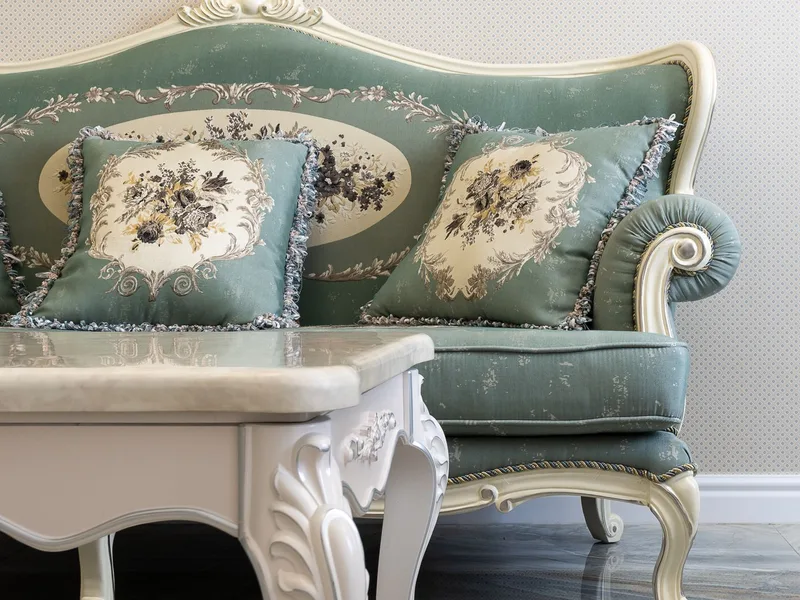
Furniture edges and upholstery
Edges of movable furniture between flat and shop carry more fleas than furniture fixed to walls, because they travel with people.
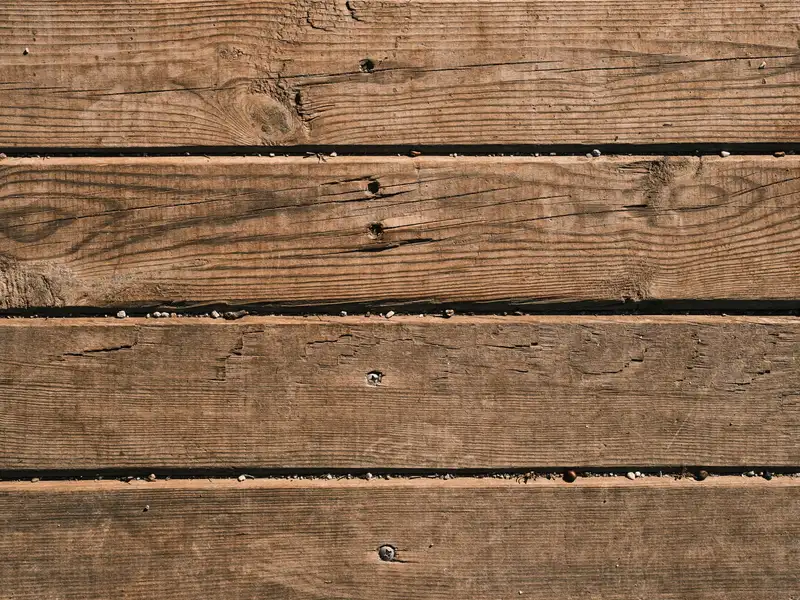
Joints in a hard floor
Floor joints between the flat and shop where cables and pipes run are perfect hiding places for young fleas escaping the treated surfaces.
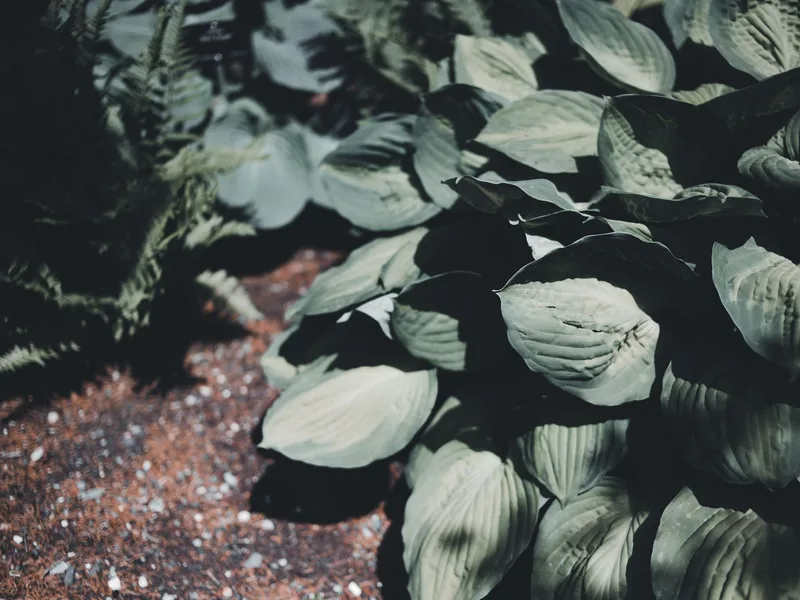
Damp shade outdoors
Damp shade outside the shop around rubbish bags and air conditioning units shelters many fleas that climb at night into both the shop and the flat.
How we work
-
1
Inspect and confirm
We confirm it is fleas rather than another biting insect, and fix the animal's sleeping points, its routes and the shaded ground outside. Where there is no animal in the house, we look for the host they came from.
-
2
Treat the floors and soft furnishings
A residual with an insect growth regulator, worked into the carpet base, the floor and wall junction and the edges under furniture. The regulator stops a larva becoming an adult, which is what breaks the cycle.
-
3
The host and the shade outside
We treat the shaded ground and the outdoor lying spots, and we agree with you that the animal's veterinary treatment happens on the same day, because any host left out of the job re-seeds the floor.
-
4
Vacuuming, then the follow-up visit
Repeated vacuuming vibrates the floor and draws the pupae out onto a treated surface. We come back about two weeks later to take the emerged generation before it lays.
What flea control includes
-

Confirmation before anything is applied
Telling a flea bite from the alternatives, and fixing the resting places and the centre of the infestation.
-

Carpet base and floor line treatment
A residual and a growth regulator worked down into the pile and under furniture edges, not laid across the visible surface.
-

Shade and damp outdoors
The shaded patches by entrances and around drains and taps, the only ground outside where larvae survive.
-

The source when there is no pet
Stray cats sheltering under an outside stair, or rodents in the voids, each handled on a different footing.
-

The vacuum schedule and aftercare
When to vacuum, how to empty the machine, and why the carpet is not steam cleaned afterwards. Ventilation time we give you on the call, because it changes with the product and the space.
-

A follow-up timed to emergence
A date about two weeks on, timed to the pupae leaving the cocoons, and re-treatment of any room where fresh bites are still starting.
What is different about Al Sharafiyah Sub-Municipality
The Al Sharafiyah sub municipality runs across central Jeddah from Al Ruwais near the Corniche eastwards through Al Sharafiyah, Al Wurud and Bani Malik to Al Naseem at the Haramain Road. It was among the first areas to grow beyond the old wall, and it is dominated by dense apartment blocks over shops along King Fahd Road and Palestine Street, with old popular quarters, the Bani Malik market, car workshops and storerooms. Ageing buildings, worn drainage and the refuse of restaurants and markets make cockroaches and rodents the most persistent pests, and humidity rises towards the sea.
Questions about this district
We live above a shop. Is treating our flat alone sufficient?
No. The shop below must be treated because the foundation is shared and fleas climb from commercial floor levels to your bedrooms. Successful treatment includes the barrier between them and carpet bases in both places.
Furniture stored below the shop for years, could it carry dormant fleas?
Yes. Storage areas beneath commercial buildings are damp, old and home to rats and stray animals. Furniture kept there may carry fleas sleeping in seams and folds for months.
The pharmacy below us throws away boxes and bags each day. Do they carry fleas?
Empty pharmacy boxes could carry fleas if stored in an old damp place. Pharmacies are usually very clean, though. Most fleas here come from food shops and human refuse, not medicines.
Neighbours buy second-hand furniture from Al Naseem shops. Do they bring fleas?
Yes. Second-hand furniture shops on King Abdullah Road buy from infested homes. Before buying used pieces, inspect them under bright light in the shop and never take them straight to your flat.
Do we need regular flea treatment in Al Naseem because it is so crowded and commercial?
Commercial busy districts raise repeat infestation risk because stray animals and waste are constant. Preventive treatment once a season may be necessary depending on how often you find evidence of fleas.
Adjacent shops may not treat their fleas. Will I suffer from them for ever?
If neighbouring shops share walls, then yes, infestation may return. Coordination with shop owners or nearby building managers is essential for lasting treatment.
How much does flea control in Al Naseem cost?
It is set after the inspection, because the price follows the type of infestation, the size of the space, how far it has spread and the number of visits it needs. Send a photo and a description on WhatsApp and we will give you an estimate before we reach Al Naseem.
Nearby districts we cover
Other services in Al Naseem
Other services we provide to residents of Al Naseem.
-
 Residential
Cockroach control
-
 Residential
Bed bug control
-
 Residential
Termite control
-
 Residential
Rodents and mice
Need flea control in Al Naseem? Tell us what you saw and we will tell you what it needs
We reach Al Naseem at a time we agree, and you get the full cost before we start.