
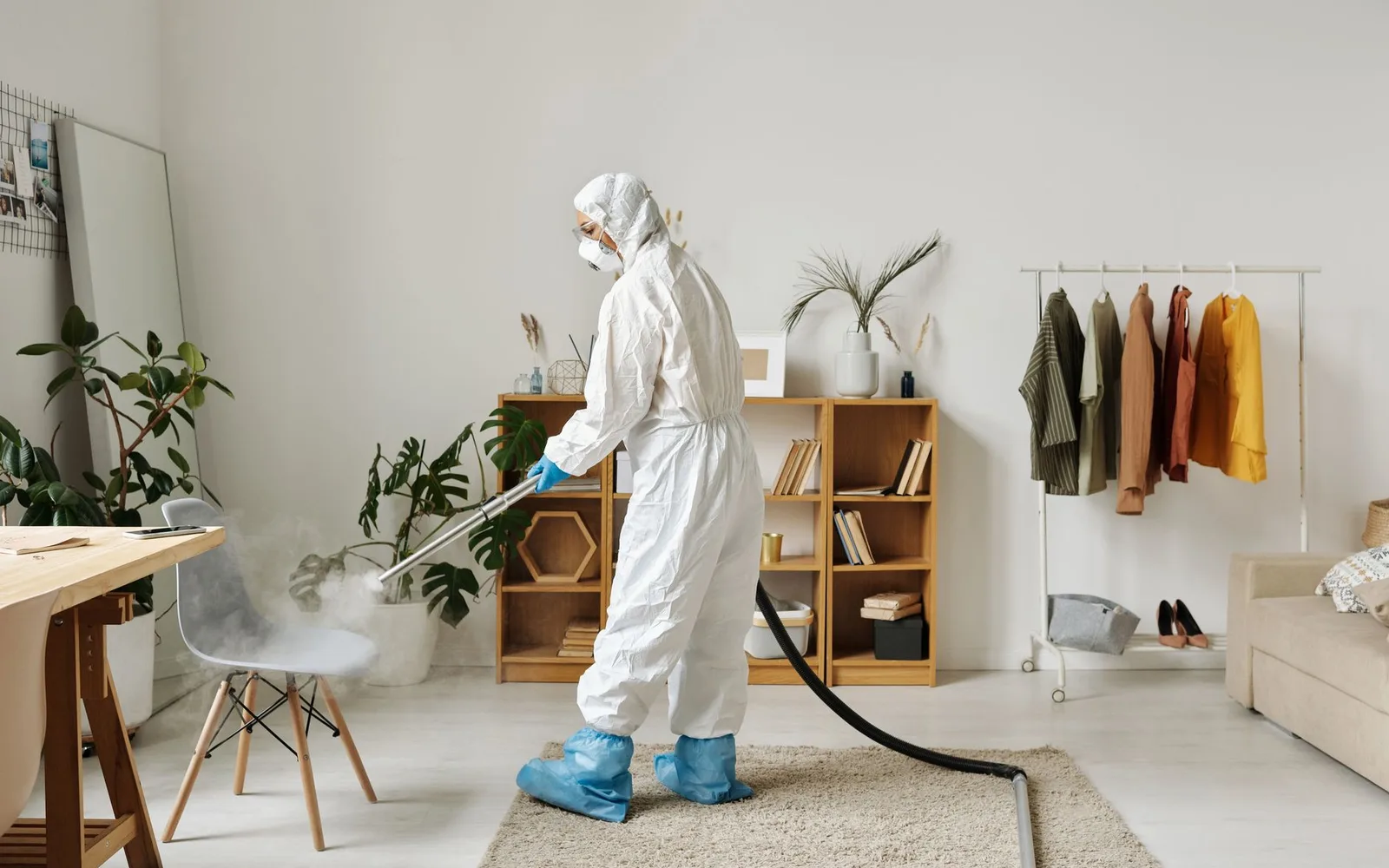
Flea control in Bani Malik Jeddah
Bani Malik is a commercial zone that blends old popular quarters, an active market, car workshops and small warehouses, a diversity that draws fleas from multiple sources. Animals that visit workshops and storage areas, second hand goods sold in the market, and constant deliveries all bring fleas into the shops, offices and mixed housing of the district. Infestation does not start inside; it arrives from outside, daily, carried by every commercial transaction.
-
Targeted, not broadcast
Product goes into cracks and runways, never sprayed across open surfaces.
-
Told before we start
What we will use, where it goes, and what to cover or move before we arrive.
-
A follow-up visit
We return after the first treatment, because what survives it does not show on the day.
-
Homes and businesses
Apartments and villas, and kitchens and stores that need a record of each visit.
Why they keep coming back in Bani Malik
Fleas from imported equipment and second hand goods appear in shops and offices shortly after delivery of new stock, particularly used electrical goods and mechanical parts. The method is set out in full on what Flea control involves.
Second hand goods and small warehouse trade
Bani Malik's market is known for second hand goods and imported spare parts, stored in high volume in small warehouses scattered through the district. Rodent and other animal fleas inhabit these shipments and travel with them into adjacent shops and offices. A single delivery can seed an infestation across multiple units on the same block within days.
Car workshops and the animals they attract
Car repair shops and heavy machinery facilities attract rats and other animals seeking food and water. These animals carry fleas into neighbouring shops and offices through shared walls and the street. Workshops are hubs that distribute fleas throughout the surrounding commercial zone. A single infested workshop can ignite infestations across the block.
Old crowded quarters with damp building stock
The popular housing in Bani Malik is old and tightly packed, the buildings ancient with damp walls and multiple gaps. Fleas find permanent shelter in this environment. Mixed housing means they move readily from the old quarters into shops and offices, turning residential spaces into breeding grounds and commercial spaces into receiving stations.
Bani Malik on the map
Bani Malik sits about 2 km from Al Naseem and about 2 km from Al Wurud.
Open in Google MapsThe resting places map the infestation
The district lies between King Fahd Road and Haramain Road, once a village outside the old city wall. It now contains densely packed popular quarters, an active commercial market, car repair workshops and small storage facilities distributed through its blocks.

The base of the carpet
Carpet in shops and offices is rare, but where it exists it is thick and damp, harbouring fleas deep in the pile beneath storage and furniture.
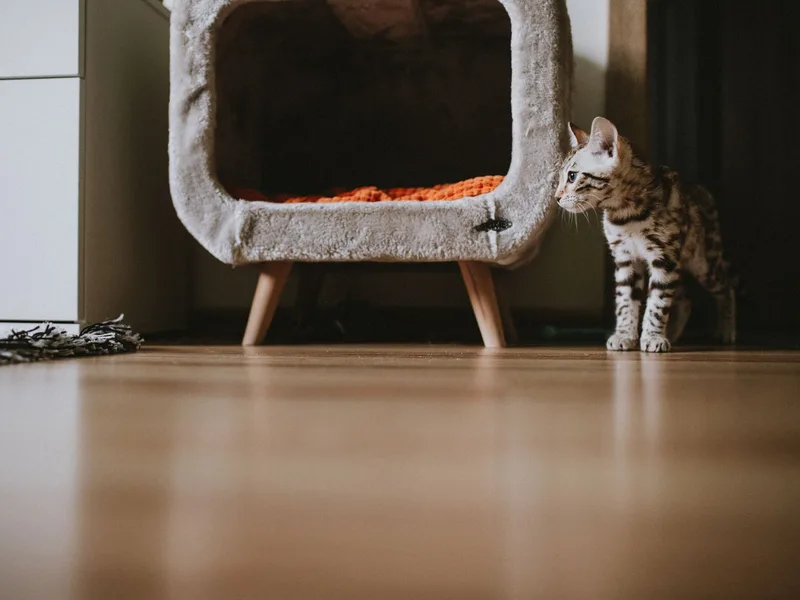
Where the animal sleeps
Animals visiting shops and workshops rest on hard floors, leaving fleas and faeces in corners and gaps around old wooden display cabinets.
Flea dirt
Flea dirt appears in the old popular quarters on ancient floor surfaces and in gaps around old wooden furniture and storage structures.
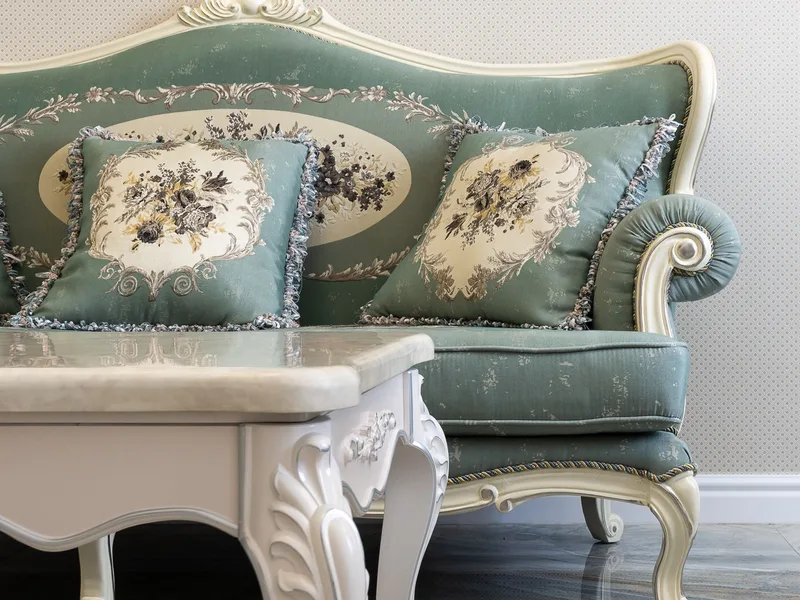
Furniture edges and upholstery
Upholstered furniture in offices and small shops harbours fleas in seams under welting and in frame joints, zones where they hide from light.
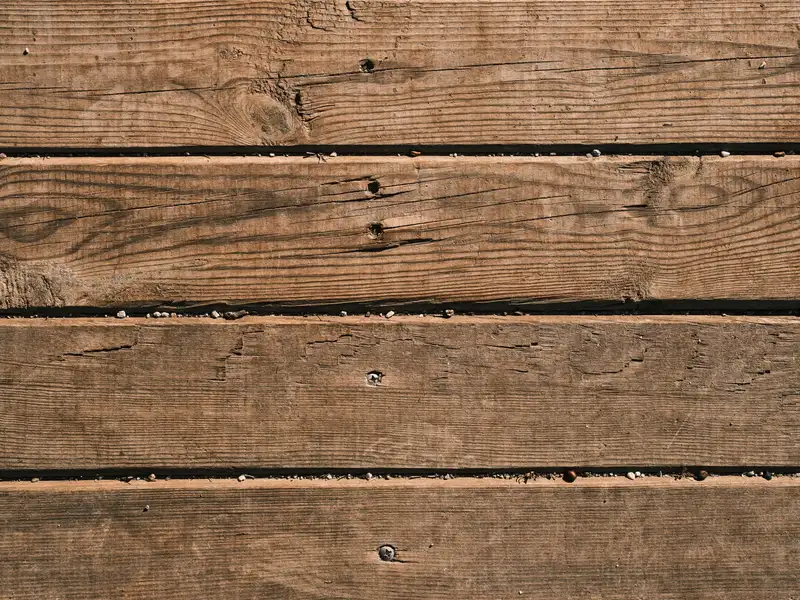
Joints in a hard floor
Joints in old concrete and stone flooring retain fleas, especially around warehouses and workshops where daily washing creates persistent dampness.
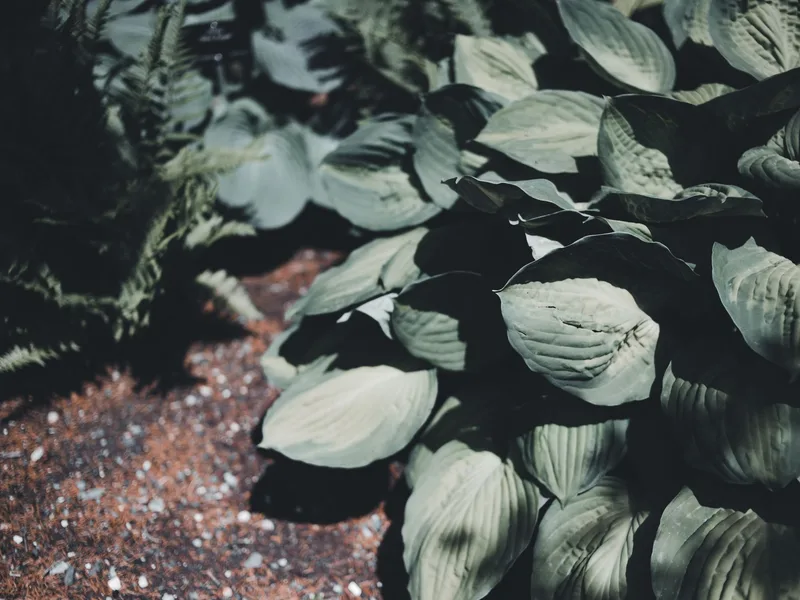
Damp shade outdoors
Damp shade outdoors appears in angles between buildings and under overhanging frontages where animals shelter and fleas pupate undisturbed.
How we work
-
1
Inspect and confirm
We confirm it is fleas rather than another biting insect, and fix the animal's sleeping points, its routes and the shaded ground outside. Where there is no animal in the house, we look for the host they came from.
-
2
Treat the floors and soft furnishings
A residual with an insect growth regulator, worked into the carpet base, the floor and wall junction and the edges under furniture. The regulator stops a larva becoming an adult, which is what breaks the cycle.
-
3
The host and the shade outside
We treat the shaded ground and the outdoor lying spots, and we agree with you that the animal's veterinary treatment happens on the same day, because any host left out of the job re-seeds the floor.
-
4
Vacuuming, then the follow-up visit
Repeated vacuuming vibrates the floor and draws the pupae out onto a treated surface. We come back about two weeks later to take the emerged generation before it lays.
What flea control includes
-

Confirmation before anything is applied
Telling a flea bite from the alternatives, and fixing the resting places and the centre of the infestation.
-

Carpet base and floor line treatment
A residual and a growth regulator worked down into the pile and under furniture edges, not laid across the visible surface.
-

Shade and damp outdoors
The shaded patches by entrances and around drains and taps, the only ground outside where larvae survive.
-

The source when there is no pet
Stray cats sheltering under an outside stair, or rodents in the voids, each handled on a different footing.
-

The vacuum schedule and aftercare
When to vacuum, how to empty the machine, and why the carpet is not steam cleaned afterwards. Ventilation time we give you on the call, because it changes with the product and the space.
-

A follow-up timed to emergence
A date about two weeks on, timed to the pupae leaving the cocoons, and re-treatment of any room where fresh bites are still starting.
The character of Bani Malik
Commercial area: offices, showrooms and small stores
In a commercial zone like Bani Malik, fleas are not a hygiene problem confined to one address. They arrive on goods, with animals and via shared walls, entering daily.
Questions about this district
Do second hand goods from abroad carry fleas when they arrive?
Yes, frequently. Used goods, especially mechanical parts and old furniture, often arrive harbouring fleas. Warehouse storage conditions in warm and humid conditions keep fleas alive until purchase. The flea simply moves from the storage box to the shop shelf to the buyer's home.
Do fleas from rats in the workshops spread to offices next door?
Absolutely. Rats visiting workshops for food carry fleas into adjoining offices and shops through shared walls and gaps. A single infested workshop can transmit fleas to multiple offices on the same block within a fortnight. The walls between commercial units are often thin or absent.
Are the old popular quarters in Bani Malik harder hit by fleas?
Yes. Old buildings have damp walls and multiple gaps; this is ideal flea habitat. Moisture, confined spaces and stray animals all worsen the problem in the older quarters. Control is harder but treatment remains effective when applied to all affected units together.
Our flat sits between a market and a workshop. Are fleas inevitable?
Not inevitable, but the risk is elevated. Animals, second hand goods and human traffic all pose ongoing sources of infestation. Preventive treatment every six weeks breaks the cycle before obvious infestation develops, rather than waiting for signs and then reacting.
Can we protect the flat from insects coming from outside?
Partially. Sealing gaps around pipes and wires, fitting fine metal mesh on windows and openings, and inspecting goods before bringing them inside all reduce the chance of infestation. No seal is perfect, but layered precaution is more effective than passive waiting.
Do we need more frequent treatment in a commercial zone?
Yes, possibly. Continuous exposure to external sources means prevention is better than emergency treatment. A regular schedule every four to six weeks is more effective than waiting for visible infestation and then treating reactively.
How much does flea control in Bani Malik cost?
It is set after the inspection, because the price follows the type of infestation, the size of the space, how far it has spread and the number of visits it needs. Send a photo and a description on WhatsApp and we will give you an estimate before we reach Bani Malik.
Nearby districts we cover
Other services in Bani Malik
Other services we provide to residents of Bani Malik.
-
 Residential
Cockroach control
Residential
Cockroach control
-
 Residential
Bed bug control
Residential
Bed bug control
-
 Residential
Termite control
Residential
Termite control
-
 Residential
Rodents and mice
Residential
Rodents and mice
-
 Residential
Mosquito control
Residential
Mosquito control
-
 Residential
Fly control
Residential
Fly control
-
 Residential
Ant control
Residential
Ant control
-
 Residential
Gecko control
Residential
Gecko control
-
 Residential
Scorpion control
Residential
Scorpion control
-
 Residential
Snake control
Residential
Snake control
-
 Residential
Bird and pigeon control
Residential
Bird and pigeon control
-
 Residential
Preventive treatment
Residential
Preventive treatment
-
 Residential
Disinfection
Residential
Disinfection
-
 Commercial
Annual contracts
Commercial
Annual contracts
-
 Commercial
Restaurants and cafes
Commercial
Restaurants and cafes
-
 Commercial
Hotels and apartments
Commercial
Hotels and apartments
-
 Commercial
Warehouses and factories
Commercial
Warehouses and factories
-
 Commercial
Schools and nurseries
Commercial
Schools and nurseries
-
 Commercial
Retail and malls
Commercial
Retail and malls
-
 Commercial
Rest houses and farms
Commercial
Rest houses and farms
-
 Commercial
Fumigation
Commercial
Fumigation
-
 Water tanks
Water tank cleaning
Water tanks
Water tank cleaning
-
 Water tanks
Water tank sterilization
Water tanks
Water tank sterilization
-
 Water tanks
Water tank sealing
Water tanks
Water tank sealing
-
 Water tanks
Tank leak repair
Water tanks
Tank leak repair
Need flea control in Bani Malik? Tell us what you saw and we will tell you what it needs
We reach Bani Malik at a time we agree, and you get the full cost before we start.