
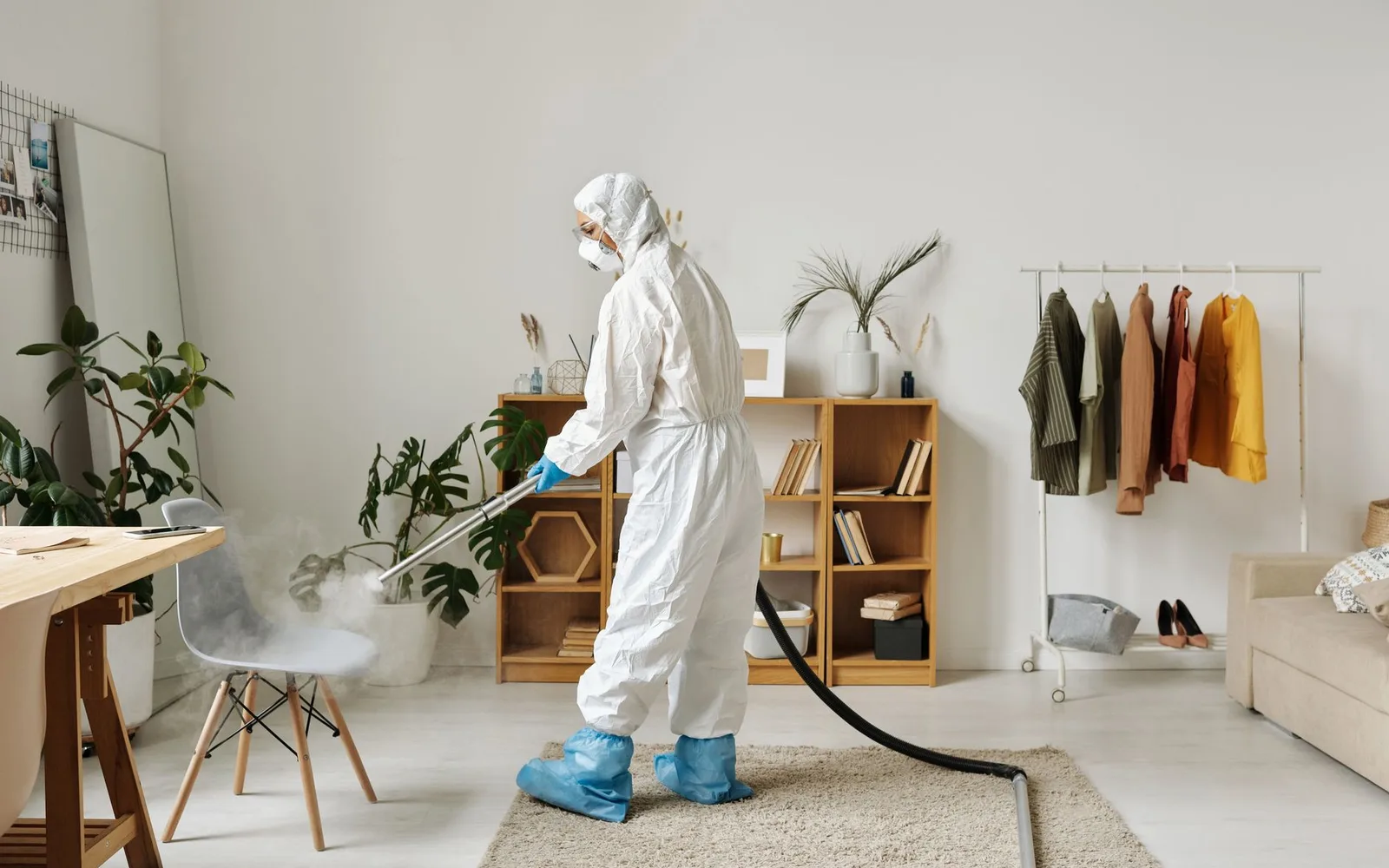
Flea control in Al Sahifah Jeddah
Al Sahifah is an old central district adjoining historic Jeddah, where apartment blocks and the old urban fabric are interlaced, and foundations date back decades. Fleas here do not stay confined to one flat. They shelter under the foundations, in the gaps between old pipes, and in the thin walls between adjoining units where shared infrastructure passes through every joint.
-
Targeted, not broadcast
Product goes into cracks and runways, never sprayed across open surfaces.
-
Told before we start
What we will use, where it goes, and what to cover or move before we arrive.
-
A follow-up visit
We return after the first treatment, because what survives it does not show on the day.
-
Homes and businesses
Apartments and villas, and kitchens and stores that need a record of each visit.
Why they keep coming back in Al Sahifah
In Al Sahifah, fleas do not die from a single spray because they shelter in the voids between adjoining houses and in shallow foundations. Treating a flat in isolation is treating the visible part only; the refuges remain. The method is set out in full on the full Flea control page.
Adjoining houses and thin shared walls
Residential units in Al Sahifah are built wall to wall with thin dividers, and the voids between them are flea sanctuaries invisible from one flat. Fleas cross from one unit to its neighbour via shared pipes or cracks in the dividing wall. Treating a single unit without treating the shared wall is half a job.
Shallow foundations and old moisture
The old structures in Al Sahifah have shallow unsealed foundations, and ageing drains beneath them leak constant dampness. Fleas cluster in those damp voids under the floors, where insecticide cannot reach them without being injected from underneath the slab itself.
Shared pipes and seepage
Old flats share ancient water and sewer lines, and seepage from them creates permanent dampness around the pipe runs. Fleas colonise these wet corridors and move between flats along them. Treating a flat requires injecting insecticide around its own pipes where they run shared.
The character of Al Sahifah
Apartment district: residential blocks, repeated floors and shared entrances
Flats in old apartment blocks built wall to wall means your neighbour's fleas are separated from yours by thin walls and shared pipes only. Treating your flat alone buys temporary refuge; the shared wall, the shared pipes and the shared foundations are where the real infection lives.
The resting places map the infestation
The quarter lies between Al Balad, Al Ammariyah, Al Kandarah and Al Sabil along Old Makkah Road, with active shops below and flats above. Beneath it runs an ageing labyrinth of shared pipes and drains.
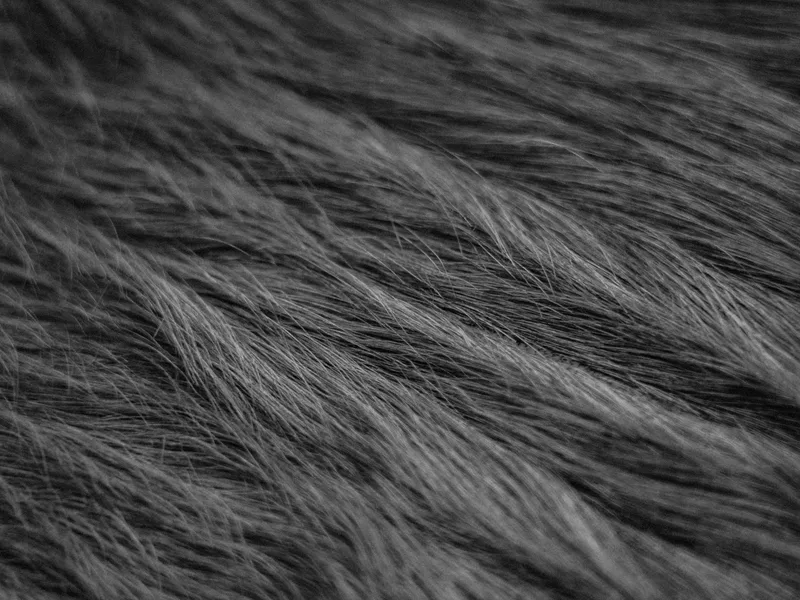
The base of the carpet
The base of the carpet in an old Al Sahifah flat may float over a damp foundation, and spraying the surface does not reach the fleas clustered beneath it in the void.
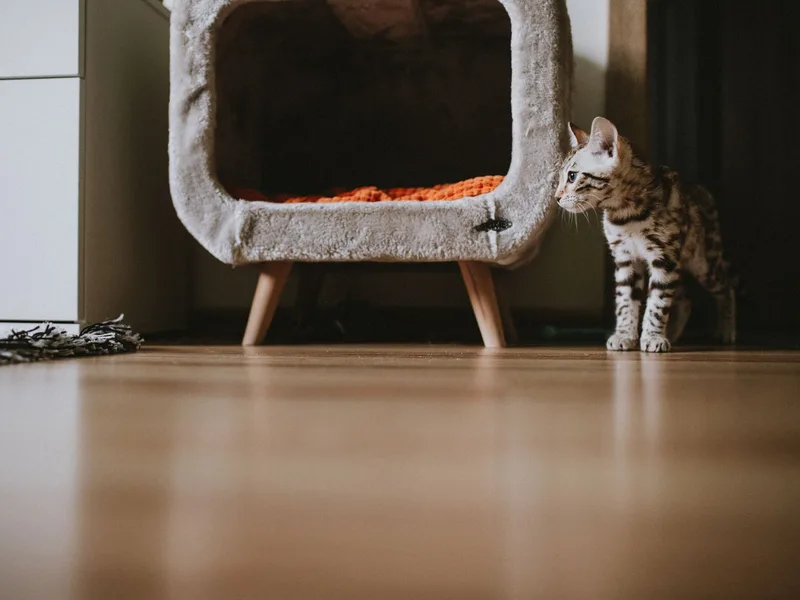
Where the animal sleeps
An animal living in a flat adjoining an infested one may carry fleas across the shared wall without trace, because the wall is thin and shared openings are many.
Flea dirt
Flea dirt on old floors may vanish quickly into cracks and gaps between weak flooring tiles, so its absence does not mean the fleas are gone.
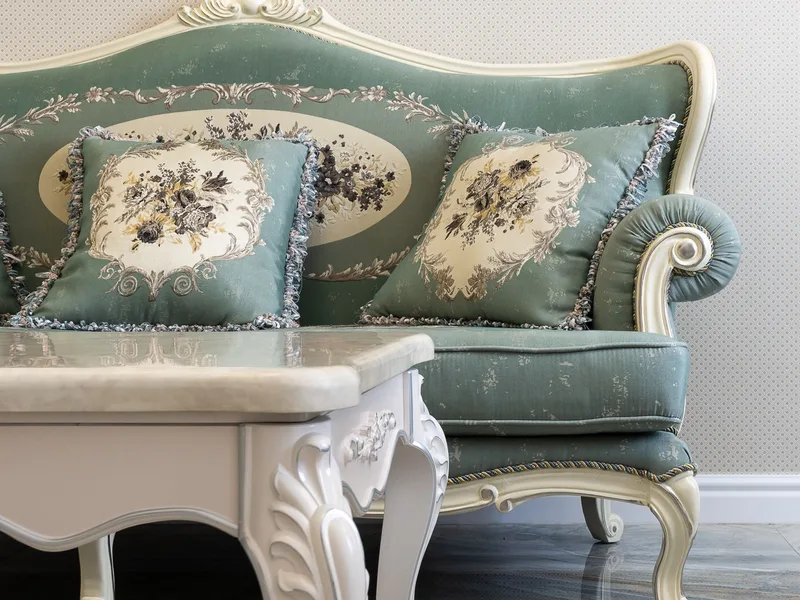
Furniture edges and upholstery
Furniture edges may not be the only refuge in an old quarter; fleas prefer the voids under the floors and the gaps between thin shared walls.
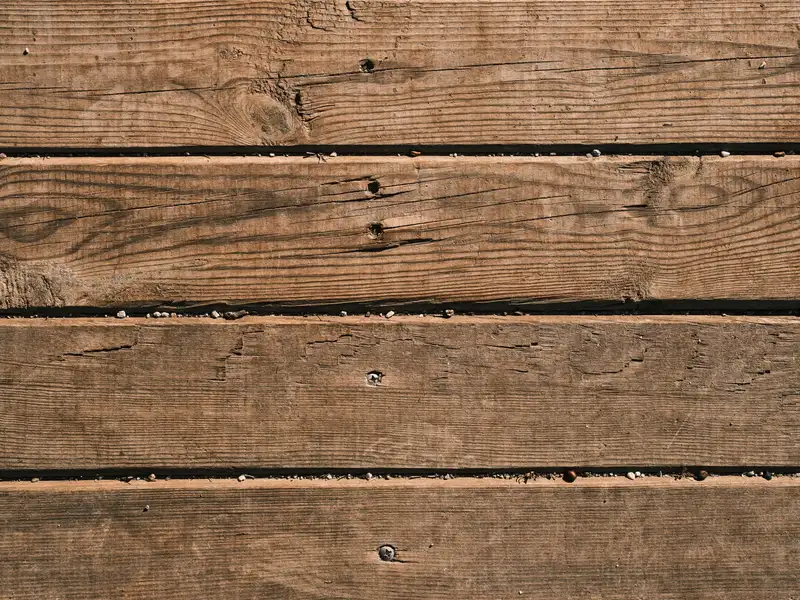
Joints in a hard floor
Joints in the hard flooring in Al Sahifah are ancient and saturated with seepage from the foundations, so residual insecticide needs deep injection to reach them.
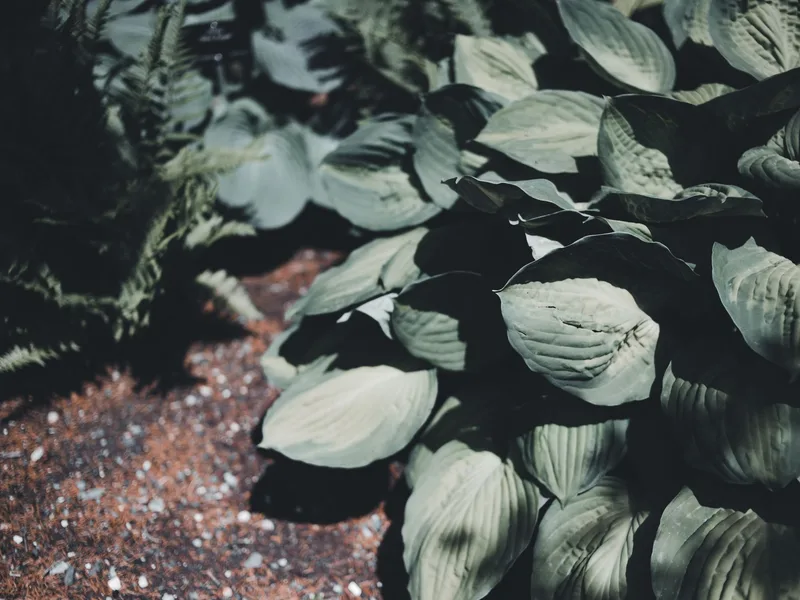
Damp shade outdoors
Damp shade outdoors in the narrow courtyards between adjoining houses stays permanently moist even in summer because no air circulates between the tightly packed walls.
How we work
-
1
Inspect and confirm
We confirm it is fleas rather than another biting insect, and fix the animal's sleeping points, its routes and the shaded ground outside. Where there is no animal in the house, we look for the host they came from.
-
2
Treat the floors and soft furnishings
A residual with an insect growth regulator, worked into the carpet base, the floor and wall junction and the edges under furniture. The regulator stops a larva becoming an adult, which is what breaks the cycle.
-
3
The host and the shade outside
We treat the shaded ground and the outdoor lying spots, and we agree with you that the animal's veterinary treatment happens on the same day, because any host left out of the job re-seeds the floor.
-
4
Vacuuming, then the follow-up visit
Repeated vacuuming vibrates the floor and draws the pupae out onto a treated surface. We come back about two weeks later to take the emerged generation before it lays.
What flea control includes
-

Confirmation before anything is applied
Telling a flea bite from the alternatives, and fixing the resting places and the centre of the infestation.
-

Carpet base and floor line treatment
A residual and a growth regulator worked down into the pile and under furniture edges, not laid across the visible surface.
-

Shade and damp outdoors
The shaded patches by entrances and around drains and taps, the only ground outside where larvae survive.
-

The source when there is no pet
Stray cats sheltering under an outside stair, or rodents in the voids, each handled on a different footing.
-

The vacuum schedule and aftercare
When to vacuum, how to empty the machine, and why the carpet is not steam cleaned afterwards. Ventilation time we give you on the call, because it changes with the product and the space.
-

A follow-up timed to emergence
A date about two weeks on, timed to the pupae leaving the cocoons, and re-treatment of any room where fresh bites are still starting.
Landmarks of Al Sahifah
Your flat may sit on Old Makkah Road itself where daily foot traffic is constant, or deep within the quarter between King Abdulaziz Road and Khalid ibn Al Walid Street. Either way, treatment must include the shared walls and old shared pipes linking you to your neighbours, because fleas do not recognise the boundary of your own walls.
- Old Makkah Road
- King Abdulaziz Road
- Khalid ibn Al Walid Street
- Bab Sharif
- King Abdulaziz Mosque
Questions about this district
The neighbouring flat is infested and our shared wall is very old, will their fleas reach us?
Yes. The thin old walls in Al Sahifah are cracked and porous, and shared pipes penetrate them. Fleas crawl through the gaps easily, and if your neighbour is infested and the wall is not treated, fleas will reach you within four weeks.
How long before fleas from next door reach my flat?
Two to four weeks. Thin walls leak slowly, but fleas find their way via shared pipes and electrical and cooling openings between units with ease.
Is treating only my flat enough if my neighbour is infested?
Your treatment is necessary but will not solve it alone. Ask about injecting insecticide around the shared wall and into shared pipes; those are the highways along which fleas reach you from next door.
My flat is very old and has moisture under the floors, does that protect fleas from being killed?
Yes, absolutely. Shallow old foundations provide constant dampness beneath the floors, which keeps fleas protected from drying out even if carpets and furniture are sprayed.
Water and sewer pipes under the floor are very old, are they flea shelter?
Yes, and a fortified shelter. Fleas live around old pipes, and seepage from them provides the moisture they need to survive. Effective treatment requires injecting insecticide around those pipes under the floor slab.
Is treating my flat alone enough in an old quarter like Al Sahifah?
No. In an old district, treating the flat is the start only. Ask about injecting the foundations, the pipes, and the shared walls, because those refuges will harbour fleas even after the carpet is clean.
How much does flea control in Al Sahifah cost?
It is set after the inspection, because the price follows the type of infestation, the size of the space, how far it has spread and the number of visits it needs. Send a photo and a description on WhatsApp and we will give you an estimate before we reach Al Sahifah.
Nearby districts we cover
Other services in Al Sahifah
Other services we provide to residents of Al Sahifah.
-
 Residential
Cockroach control
Residential
Cockroach control
-
 Residential
Bed bug control
Residential
Bed bug control
-
 Residential
Termite control
Residential
Termite control
-
 Residential
Rodents and mice
Residential
Rodents and mice
-
 Residential
Mosquito control
Residential
Mosquito control
-
 Residential
Fly control
Residential
Fly control
-
 Residential
Ant control
Residential
Ant control
-
 Residential
Gecko control
Residential
Gecko control
-
 Residential
Scorpion control
Residential
Scorpion control
-
 Residential
Snake control
Residential
Snake control
-
 Residential
Bird and pigeon control
Residential
Bird and pigeon control
-
 Residential
Preventive treatment
Residential
Preventive treatment
-
 Residential
Disinfection
Residential
Disinfection
-
 Commercial
Annual contracts
Commercial
Annual contracts
-
 Commercial
Restaurants and cafes
Commercial
Restaurants and cafes
-
 Commercial
Hotels and apartments
Commercial
Hotels and apartments
-
 Commercial
Warehouses and factories
Commercial
Warehouses and factories
-
 Commercial
Schools and nurseries
Commercial
Schools and nurseries
-
 Commercial
Retail and malls
Commercial
Retail and malls
-
 Commercial
Rest houses and farms
Commercial
Rest houses and farms
-
 Commercial
Fumigation
Commercial
Fumigation
-
 Water tanks
Water tank cleaning
Water tanks
Water tank cleaning
-
 Water tanks
Water tank sterilization
Water tanks
Water tank sterilization
-
 Water tanks
Water tank sealing
Water tanks
Water tank sealing
-
 Water tanks
Tank leak repair
Water tanks
Tank leak repair
Need flea control in Al Sahifah? Tell us what you saw and we will tell you what it needs
We reach Al Sahifah at a time we agree, and you get the full cost before we start.