
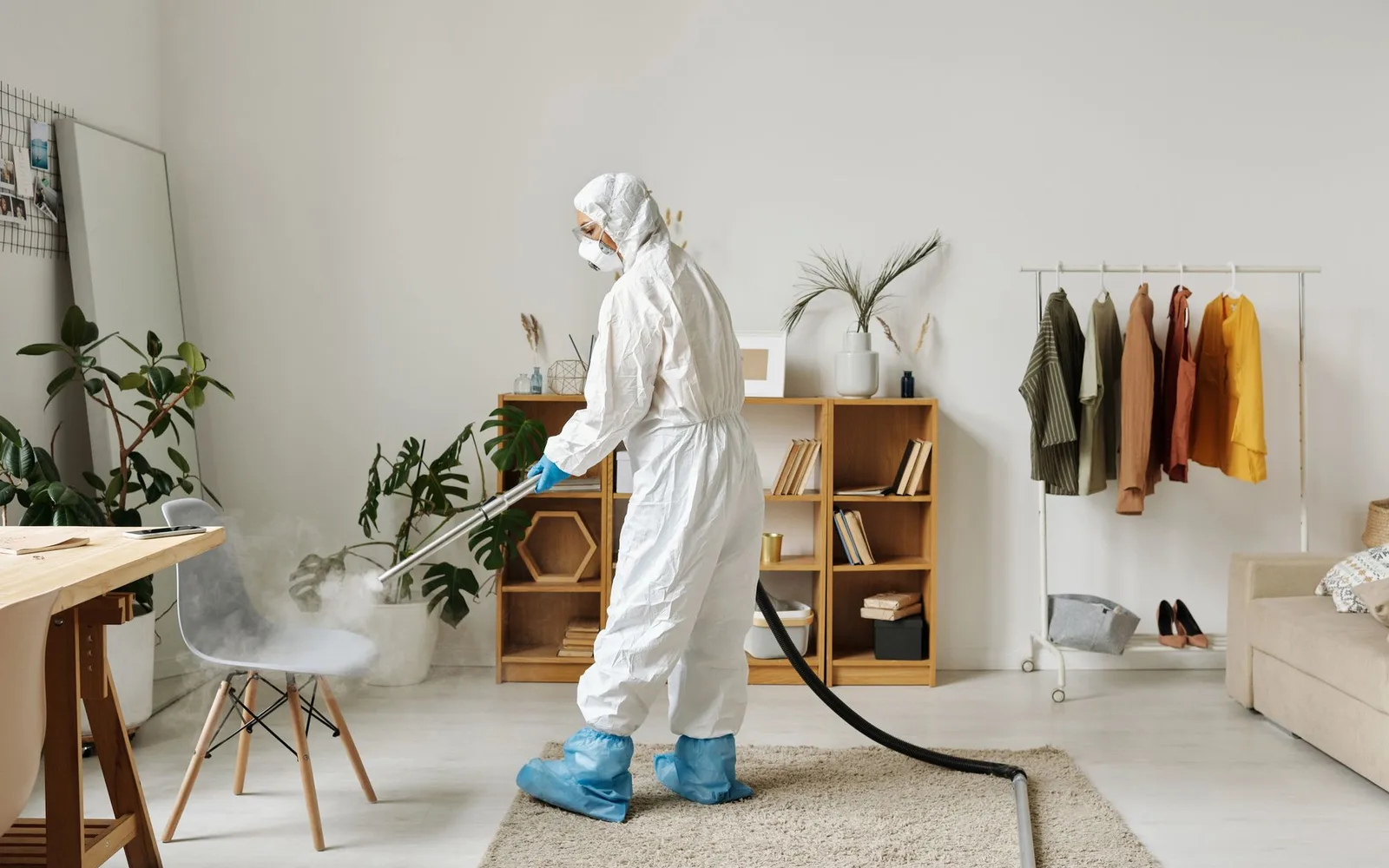
Flea control in Al Shuhada Makkah
Al Shuhada is an old district in northern Makkah at Thaniyat Al Bayda with closely packed buildings, narrow lanes and very aged drainage systems. Wadi Al Zahir and Wadi Al Tanim run nearby, and the unplanned housing on rocky ground with damp mud walls and industrial workshops on Hajj Street make fleas more persistent and harder to treat.
-
Targeted, not broadcast
Product goes into cracks and runways, never sprayed across open surfaces.
-
Told before we start
What we will use, where it goes, and what to cover or move before we arrive.
-
A follow-up visit
We return after the first treatment, because what survives it does not show on the day.
-
Homes and businesses
Apartments and villas, and kitchens and stores that need a record of each visit.
Why they keep coming back in Al Shuhada
Fleas in Al Shuhada are stubborn because damp mud walls and aged sewers provide secure deep shelters, and the extremely close-set buildings make movement between homes easy. The method is set out in full on how we approach Flea control.
Damp mud walls shelter fleas deep inside
The mud walls in Al Shuhada stay permanently damp from seepage and internal moisture, and they provide a deep safe shelter for fleas and cocoons far beyond the reach of surface pesticide, so even after treatment cocoons remain protected inside the walls.
Extremely narrow lanes press buildings together
The lanes between houses are so narrow that the gap between neighbouring walls is less than a metre, and fleas from one house easily cross to adjacent walls searching for a warm animal.
Nearby wadis bring fleas with the floods
Wadi Al Zahir and Wadi Al Tanim carry flood water in the rain season and with it wild animals carrying fleas, and the flood may reach the foundations of the lowest homes in Al Shuhada.
Landmarks of Al Shuhada
In Al Shuhada, the industrial workshops on Hajj Street attract animals carrying fleas, and Al Shuhada Square at the district's centre receives water from nearby wadis, making flea spread rapid between the extremely close-set homes.
- Hajj Street
- Madinah Road
- Al Shuhada Square
- Thaniyat Al Bayda
- Jabal Al Shahid
- Asad ibn Zurarah Mosque
The resting places map the infestation
An old quarter hemmed in by Jabal Al Barud to the north, Jabal Al Shahid to the west and Wadi Al Tanim northward. Unplanned housing spreads over fissured rocky ground with mud-built walls and very narrow lanes, and industrial workshops line Hajj Street.
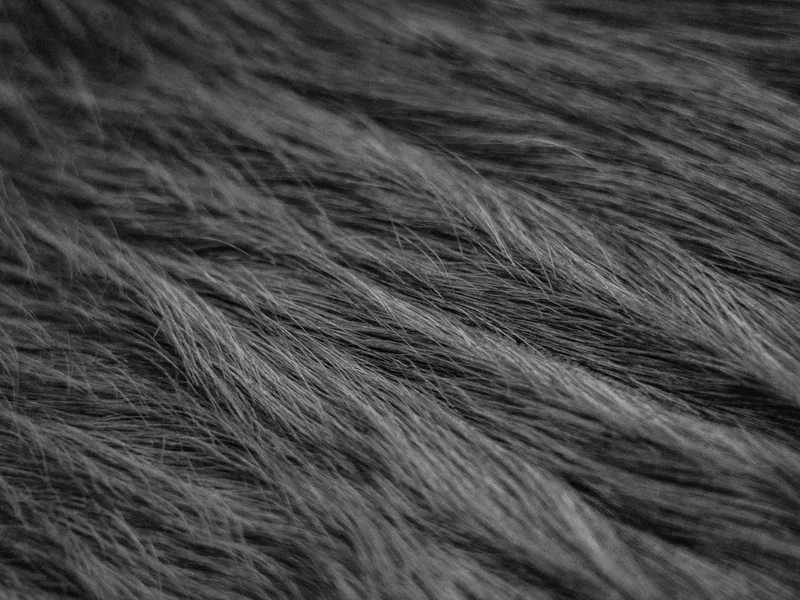
The base of the carpet
The carpet base in Al Shuhada stays constantly damp from wall seepage and internal moisture, which speeds flea breeding and protects cocoons.
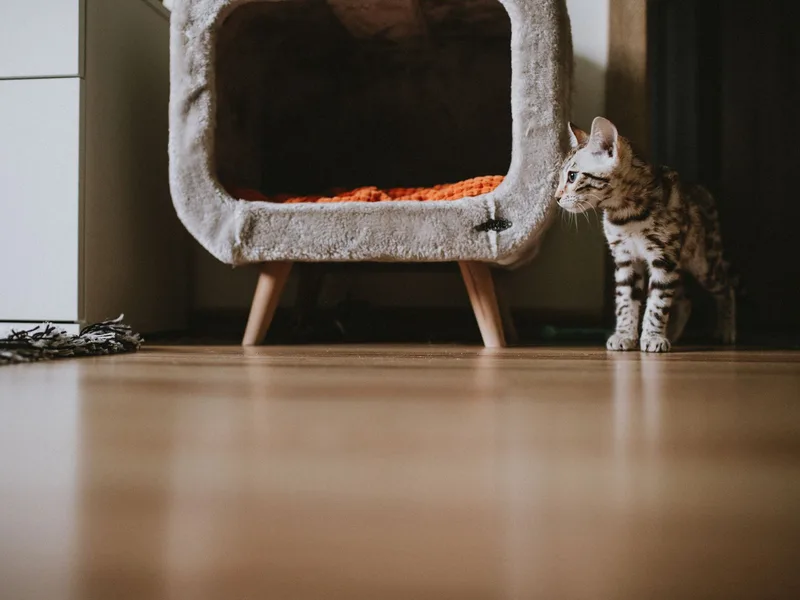
Where the animal sleeps
The pet sleeps in dark remote corners or under low furniture in the bedroom where seepage and damp provide shelter.
Flea dirt
Flea droppings accumulate densely in the damp and may mix with wall moisture, but they are present in high concentration around the pet's resting places.
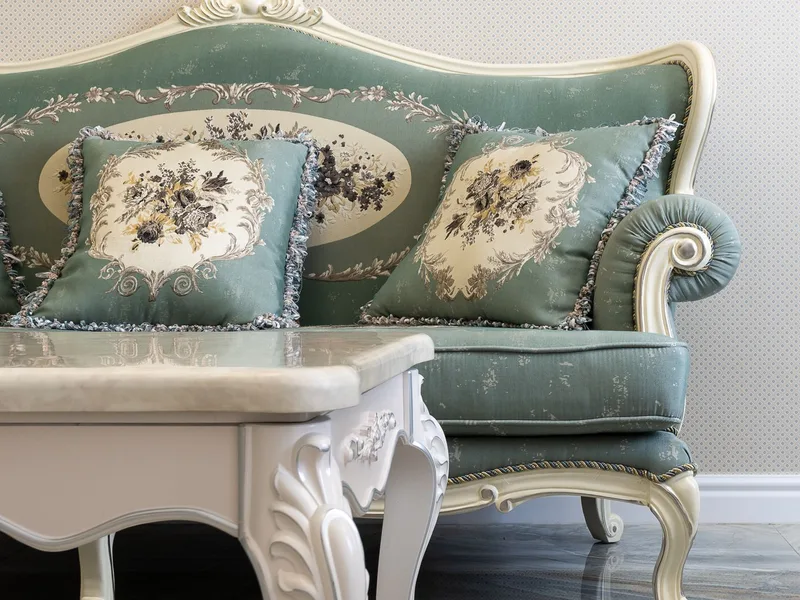
Furniture edges and upholstery
Furniture edges in Al Shuhada may carry fleas from second-hand pieces and damp fabrics.
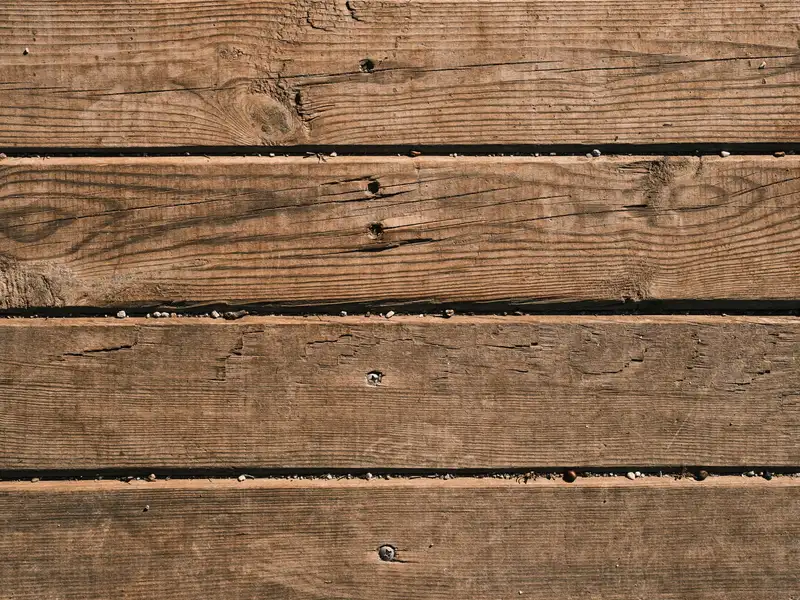
Joints in a hard floor
Hard floor joints between extremely close-set houses are major flea highways, and damp makes movement easy.
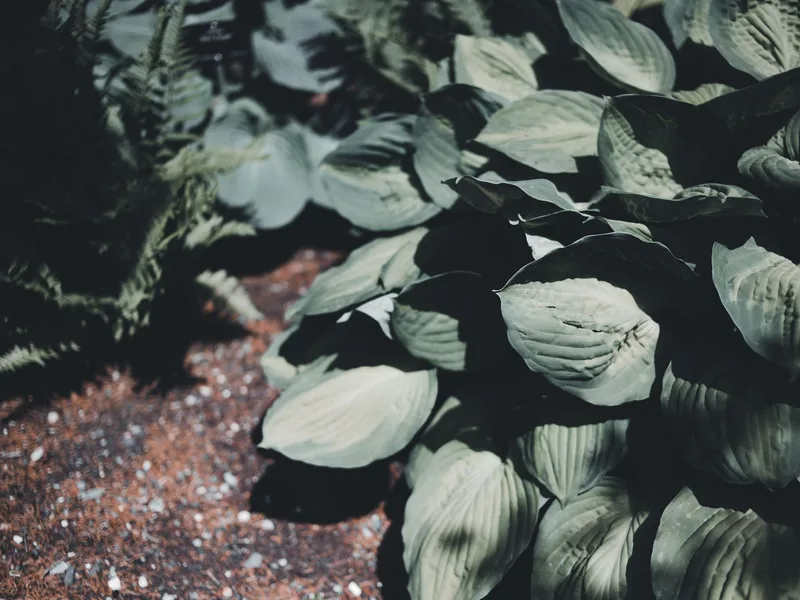
Damp shade outdoors
Damp shade outside comes from wall seepage, wet ground and nearby wadis, where fleas shelter.
How we work
-
1
Inspect and confirm
We confirm it is fleas rather than another biting insect, and fix the animal's sleeping points, its routes and the shaded ground outside. Where there is no animal in the house, we look for the host they came from.
-
2
Treat the floors and soft furnishings
A residual with an insect growth regulator, worked into the carpet base, the floor and wall junction and the edges under furniture. The regulator stops a larva becoming an adult, which is what breaks the cycle.
-
3
The host and the shade outside
We treat the shaded ground and the outdoor lying spots, and we agree with you that the animal's veterinary treatment happens on the same day, because any host left out of the job re-seeds the floor.
-
4
Vacuuming, then the follow-up visit
Repeated vacuuming vibrates the floor and draws the pupae out onto a treated surface. We come back about two weeks later to take the emerged generation before it lays.
What flea control includes
-

Confirmation before anything is applied
Telling a flea bite from the alternatives, and fixing the resting places and the centre of the infestation.
-

Carpet base and floor line treatment
A residual and a growth regulator worked down into the pile and under furniture edges, not laid across the visible surface.
-

Shade and damp outdoors
The shaded patches by entrances and around drains and taps, the only ground outside where larvae survive.
-

The source when there is no pet
Stray cats sheltering under an outside stair, or rodents in the voids, each handled on a different footing.
-

The vacuum schedule and aftercare
When to vacuum, how to empty the machine, and why the carpet is not steam cleaned afterwards. Ventilation time we give you on the call, because it changes with the product and the space.
-

A follow-up timed to emergence
A date about two weeks on, timed to the pupae leaving the cocoons, and re-treatment of any room where fresh bites are still starting.
What is different about Al Utaybiyah Sub-Municipality
Al Utaybiyah sub municipality covers the old districts north of the Grand Mosque: the hillside quarters of Al Hajun, Al Utaybiyah and Al Bayban, Al Zahir and Al Shuhada at the northern entrance, and the newer Al Zahra, Al Diyafah and An Nuzhah westward. Its building stock is among the oldest in Makkah, stone houses on the hills, packed apartment blocks and sewers decades old, threaded with crowded markets like the Utaybiyah souq and furnished flats that fill in the pilgrim seasons. Wadi Al Zahir and Wadi Al Tanim carry storm water through it, and industrial workshops line Hajj Street.
Questions about this district
Our mud walls stay permanently damp. Can pesticides reach deep inside the walls?
Pesticides reach the wall surface, but deeply nested cocoons inside damp walls may escape, so treating the walls from outside may become necessary.
The neighbouring old house has never been treated for fleas. Will I suffer forever despite treating mine?
Yes, the extremely close walls make fleas cross easily from the neighbour's house to yours, and treating only your house may not be enough.
The wadis beside Al Shuhada bring fleas with every flood. How often must we treat?
In the rainy season you may need treatment after each flood, or preventive treatment before the rains arrive.
Old furniture from my uncle or a neighbour in the lane, could it carry hidden fleas?
Yes, second-hand furniture from any house in the quarter may hold dormant cocoons, so examine any piece carefully before bringing it in.
Must we need treatment every month in this old Al Shuhada quarter?
No monthly routine exists, only treatment when fleas appear or immediately after floods during the rainy season.
The narrow lanes press houses so close together. Will I suffer forever from my neighbours?
Yes, the extremely short distance between walls makes fleas cross easily, so contact your neighbours and encourage them to treat their own infestations.
How much does flea control in Al Shuhada cost?
It is set after the inspection, because the price follows the type of infestation, the size of the space, how far it has spread and the number of visits it needs. Send a photo and a description on WhatsApp and we will give you an estimate before we reach Al Shuhada.
Nearby districts we cover
Other services in Al Shuhada
Other services we provide to residents of Al Shuhada.
-
 Residential
Cockroach control
-
 Residential
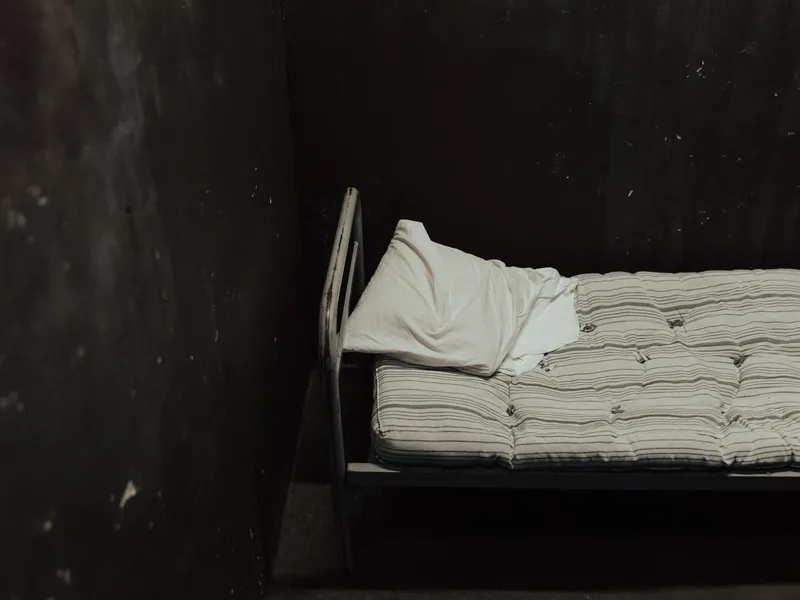
Bed bug control
-
 Residential
Termite control
-
 Residential
Rodents and mice
Need flea control in Al Shuhada? Tell us what you saw and we will tell you what it needs
We reach Al Shuhada at a time we agree, and you get the full cost before we start.