
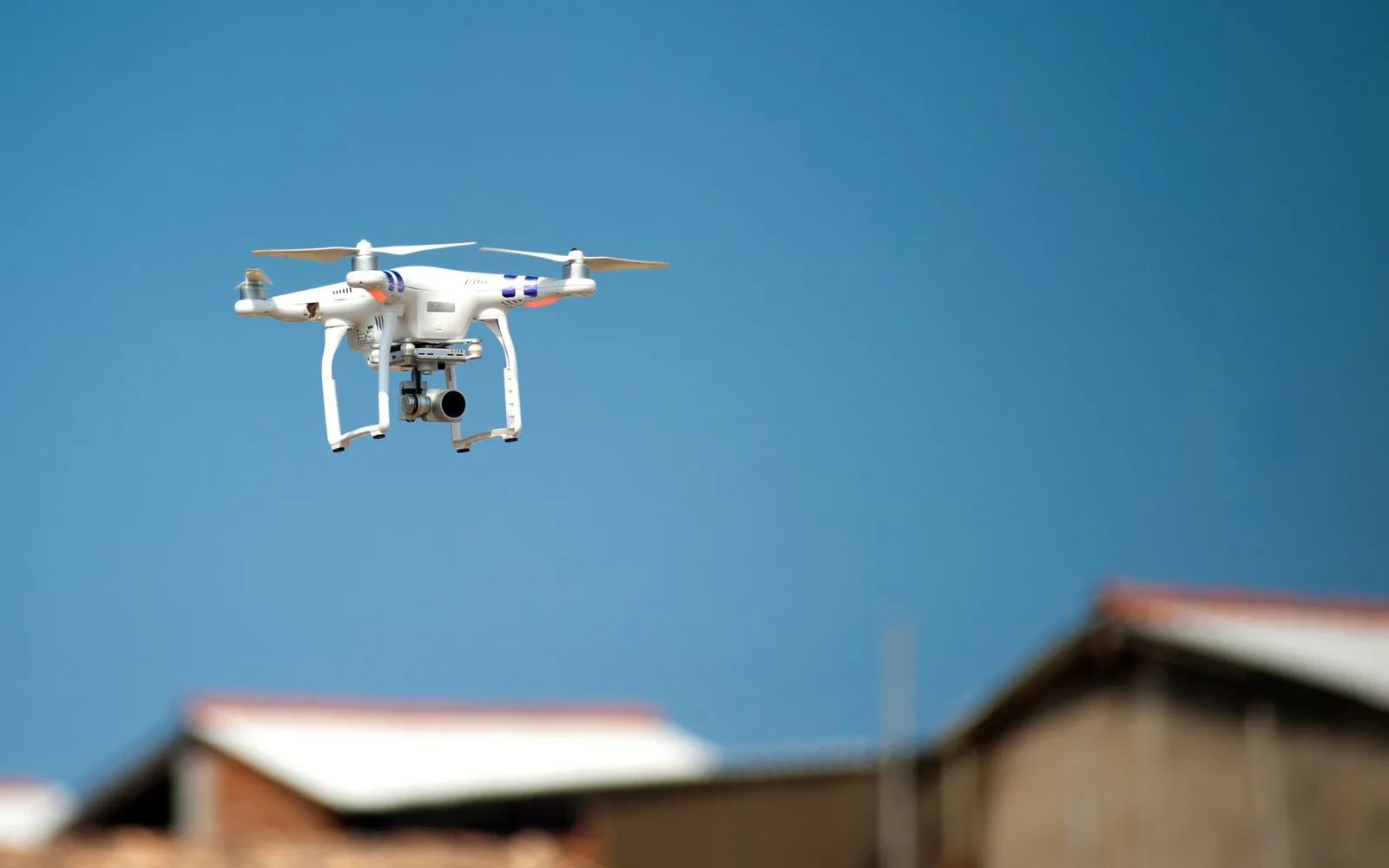
Fly control in Al Ajwad Jeddah
Al Ajwad is a planned residential grid in north eastern Jeddah with villas and apartment buildings alongside shops on Al Ajwad Street. Seasonal wadis cut through it and groundwater runs high in places. Drainage networks in the newer blocks are incomplete, leaving soil damp around foundations and providing ideal fly breeding conditions.
-
Targeted, not broadcast
Product goes into cracks and runways, never sprayed across open surfaces.
-
Told before we start
What we will use, where it goes, and what to cover or move before we arrive.
-
A follow-up visit
We return after the first treatment, because what survives it does not show on the day.
-
Homes and businesses
Apartments and villas, and kitchens and stores that need a record of each visit.
Why they keep coming back in Al Ajwad
Flies cluster around building foundations and the gaps beneath homes more than indoors, and constant dampness means flies stay active even on dry and cool days when they should slow down. The method is set out in full on how we approach Fly control.
Seasonal wadis create temporary breeding hotspots
Wadi Umm Hablain and Wadi Al Asla carry water seasonally and create ideal fly breeding sites. Neighbourhood waste accumulates in the wadi, and water plus food together speed larval development. The resulting fly waves reach the homes weeks later.
High groundwater extends the damp season
High groundwater means soil in parts of the district never fully dries. Constant dampness provides breeding habitat throughout the year, and flies live in the soil around foundations and in cracks, emerging even in winter.
Incomplete drainage networks pond water and waste
The newest districts have unfinished drainage, leaving water standing around homes and vacant plots. This water carries food waste from homes and shops, creating concentrated breeding sites that persist between rains.
Al Ajwad on the map
Al Ajwad sits about 2 km from Al Manar and about 2.5 km from Al Samir.
Open in Google MapsWhere the flies are actually coming from
Wadi Umm Hablain and Wadi Al Asla cross the district seasonally, and groundwater levels are high in parts of the area. Drainage infrastructure in the newest quarters is not yet complete, so ground stays damp around buildings and remains so between rains.
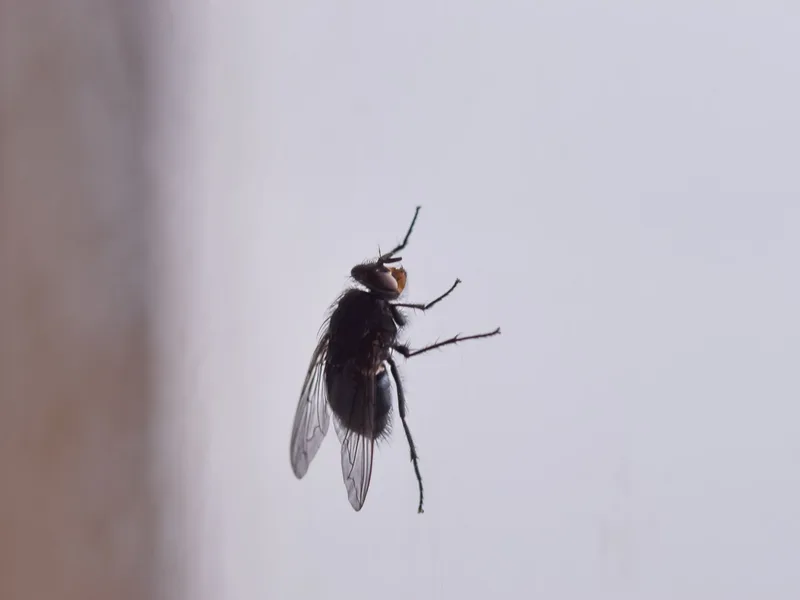
House fly
The common house fly is abundant on Al Ajwad Street and its shops, and concentrates around restaurants and food outlets far more than in residential blocks.
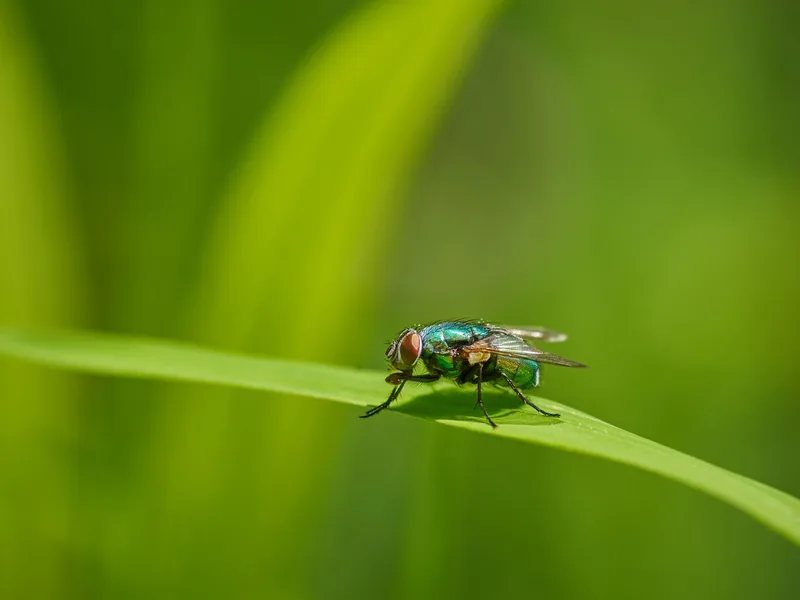
Blow fly
Blow flies and wild flies appear in large numbers after the seasonal wadis flood, when waste decomposes in the floodwaters.
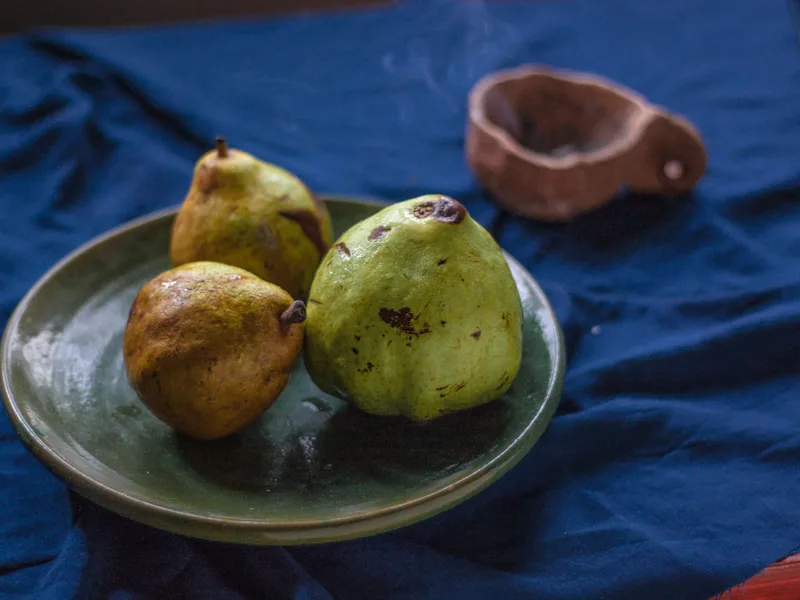
Fermenting residue
Fermenting residue accumulates in the wadis seasonally and around damp ground and foundation gaps year round.
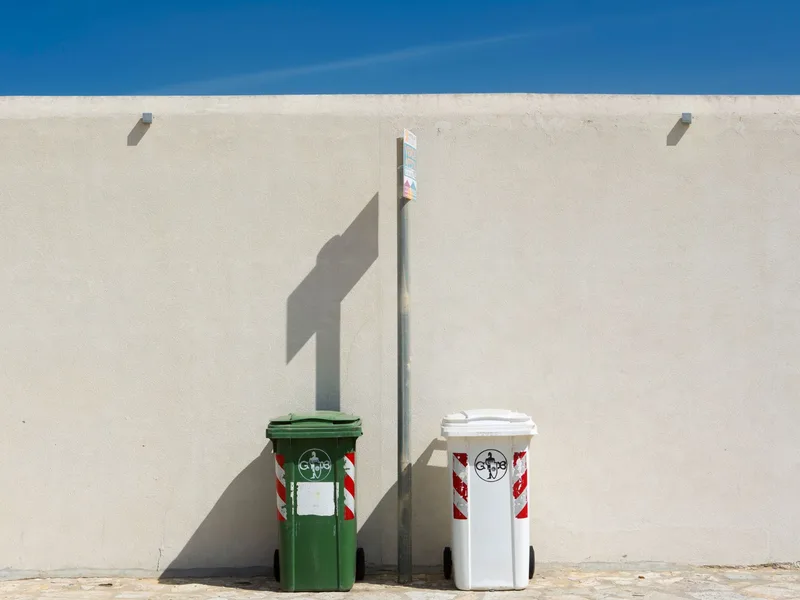
The bin base
The bin base is a major issue here because surrounding ground is always damp and drain water pools around refuse containers.
The film inside a drain
The film inside drains forms rapidly in incomplete and exposed pipework, especially in the newer districts.
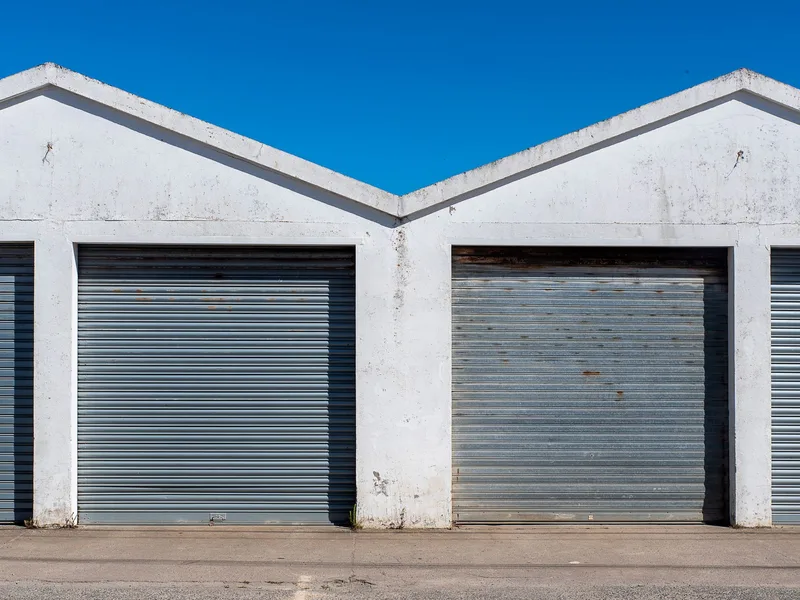
The service door and its mesh
Service doors and mesh screens are weak in older shops on Al Ajwad Street, and flies crawl through cracks and gaps.
How we work
-
1
Inspect and trace the source
We trace the flies back to their medium: waste and the bin area, floor traps, drain runs and any standing organic wetness, and we identify the species from its size, its flight and where it settles.
-
2
Treat the breeding medium
Washing and scouring bin bases and floor traps, and a foam that treats the film inside the pipe, because removing the medium is the only thing that stops production.
-
3
Treat the resting surfaces
A fly spends most of its time settled on ceilings, cables, the tops of walls and the sunlit wall outside the door, and that is where the residual and the bait go, not into the air.
-
4
Proofing and the follow-up
We close the ways in and sort out the screens and the doors, then come back on a date matching the emergence of the pupae that were already in the medium on the first visit.
What fly control includes
-

A source tracing inspection
The species, the breeding medium and the route in, established before anything is applied.
-

Drains and floor traps
Scouring the film stuck inside the pipe and treating it with foam, which is where drain flies come from and almost nowhere else.
-

Residual on the resting surfaces
Ceilings, cables, the tops of walls and the sunlit wall outside the door, kept off food preparation surfaces.
-

Fly bait in protected positions
An attractant bait set at bin areas and service entrances, out of reach of children and pets and away from food.
-

Aftercare instructions
Ventilation, what to cover, and what needs a screen, an air curtain or a different waste routine.
-

A scheduled follow-up
A set date matching the emergence of the pupae, and re-treatment of any source still producing.
What is different about Briman Sub-Municipality
Briman sub-municipality sits east of the Haramain expressway on Jeddah's north eastern edge. Its older quarters are planned grids of villas and walk-up flats, while the outer districts are new subdivisions still being built out. Seasonal wadis such as Wadi Umm Hablain and Wadi Al Asla cross the area, groundwater runs high in places, and drainage networks in the newer districts are incomplete, so soil around foundations stays damp. Vacant plots, live building sites and constant dust give crawling insects and rodents easy routes into homes, and the food outlets along the main arteries keep them supplied.
Questions about this district
Do the seasonal wadis bring flies from distant areas into the district?
The wadis create massive breeding sites seasonally, and the emerging flies spread across the entire neighbourhood. Waste from the district accumulates in the wadi, and water accelerates their development from eggs to flying adults.
Why is damp soil around homes a breeding problem?
Damp soil around foundations creates ideal fly breeding conditions. Larvae develop in this soil and crawl up into homes through gaps and cracks in foundations. Treating the outside soil is as important as treating the house.
Do flies originate inside homes or from outside areas?
Most flies start their lives outside in damp ground, incomplete drains and the wadis. They enter seeking food, so outdoor treatment is more important than treating indoors alone.
What is the impact of incomplete drainage networks?
Incomplete drainage allows water to pond under homes and on adjacent plots. This water carries food waste and creates a sustained breeding habitat, prolonging the fly season well beyond natural rainfall cycles.
Is treating the shops alone sufficient or must homes be treated too?
Shops are only one source. All areas must be treated together: shops, homes and surrounding ground, especially around foundations and gaps beneath buildings where flies develop.
How many times per year does Al Ajwad need treatment?
After the wadi season ends, treatment is needed every three weeks through spring and summer. Winter sees fewer flies, but they persist because of high groundwater that keeps soil permanently damp.
How much does fly control in Al Ajwad cost?
It is set after the inspection, because the price follows the type of infestation, the size of the space, how far it has spread and the number of visits it needs. Send a photo and a description on WhatsApp and we will give you an estimate before we reach Al Ajwad.
Nearby districts we cover
Other services in Al Ajwad
Other services we provide to residents of Al Ajwad.
-
 Residential
Cockroach control
Residential
Cockroach control
-
 Residential
Bed bug control
Residential
Bed bug control
-
 Residential
Termite control
Residential
Termite control
-
 Residential
Rodents and mice
Residential
Rodents and mice
-
 Residential
Mosquito control
Residential
Mosquito control
-
 Residential
Ant control
Residential
Ant control
-
 Residential
Gecko control
Residential
Gecko control
-
 Residential
Scorpion control
Residential
Scorpion control
-
 Residential
Snake control
Residential
Snake control
-
 Residential
Flea control
Residential
Flea control
-
 Residential
Bird and pigeon control
Residential
Bird and pigeon control
-
 Residential
Preventive treatment
Residential
Preventive treatment
-
 Residential
Disinfection
Residential
Disinfection
-
 Commercial
Annual contracts
Commercial
Annual contracts
-
 Commercial
Restaurants and cafes
Commercial
Restaurants and cafes
-
 Commercial
Hotels and apartments
Commercial
Hotels and apartments
-
 Commercial
Warehouses and factories
Commercial
Warehouses and factories
-
 Commercial
Schools and nurseries
Commercial
Schools and nurseries
-
 Commercial
Retail and malls
Commercial
Retail and malls
-
 Commercial
Rest houses and farms
Commercial
Rest houses and farms
-
 Commercial
Fumigation
Commercial
Fumigation
-
 Water tanks
Water tank cleaning
Water tanks
Water tank cleaning
-
 Water tanks
Water tank sterilization
Water tanks
Water tank sterilization
-
 Water tanks
Water tank sealing
Water tanks
Water tank sealing
-
 Water tanks
Tank leak repair
Water tanks
Tank leak repair
Need fly control in Al Ajwad? Tell us what you saw and we will tell you what it needs
We reach Al Ajwad at a time we agree, and you get the full cost before we start.