
Fly control in Al Ammariyah Jeddah
Al Ammariyah is an old central Jeddah district built around the Eve Cemetery, Maqbarat Ummina Hawwa, with very narrow lanes and closely-packed apartment blocks. High humidity from the sea and Islamic Port accelerates fly breeding, and the tight street grid limits the reach of standard spraying methods. Flies establish themselves rapidly in this district because food is abundant and moisture remains high year-round.
-
Targeted, not broadcast
Product goes into cracks and runways, never sprayed across open surfaces.
-
Told before we start
What we will use, where it goes, and what to cover or move before we arrive.
-
A follow-up visit
We return after the first treatment, because what survives it does not show on the day.
-
Homes and businesses
Apartments and villas, and kitchens and stores that need a record of each visit.
Why they keep coming back in Al Ammariyah
Flies concentrate at shop entrances, restaurant service doors and commercial storerooms where food is plentiful and humidity is persistently high, creating dense breeding pockets in narrow alleyways between buildings. The method is set out in full on how we approach Fly control.
Very narrow lanes block effective fly treatment
The district's lanes are so narrow that spray equipment cannot move freely and cannot reach every gap. Flies in deep pockets between tightly-packed old buildings do not receive adequate pesticide coverage from standard methods. Treatment must be delivered by hand to each confined space with precision, rather than relying on bulk spraying or equipment that cannot navigate the alleyways.
High humidity from sea and port speeds breeding cycles
Proximity to the sea, the Islamic Port and surrounding wetlands keeps humidity high throughout the year. Flies develop faster in high humidity; instead of eight to ten days, the full cycle may complete in five to six days. Waste in narrow gaps and dark corners stays moist and suitable for breeding. Humidity also extends the survival of organic residue on which larvae feed.
Dense shops, restaurants and stores provide endless food sources
The heavy concentration of restaurants, shops and commercial storerooms in the district creates abundant food sources for flies. Food waste, grease and liquids are available at every corner. Shared walls and extreme proximity mean flies will find sustenance in dozens of places within the same alley, making population suppression difficult without coordinated multi-location treatment.
Al Ammariyah on the map
Al Ammariyah sits about 1 km from Al Kandarah and about 1 km from Al Balad.
Open in Google MapsWhere the flies are actually coming from
The district sits near the sea, the Islamic Port and low-lying wetland areas that keep humidity elevated throughout the year, whilst very narrow lanes restrict equipment access and limit spray penetration to sheltered gaps and corners.
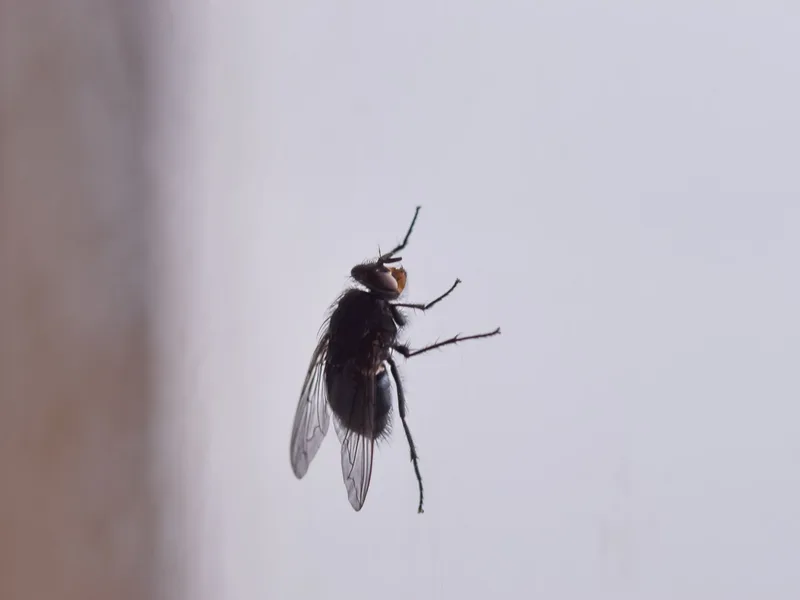
House fly
House flies in the district concentrate in narrow dark gaps between buildings where humidity is trapped and food waste from adjacent restaurants and shops is readily found in nearby corners.
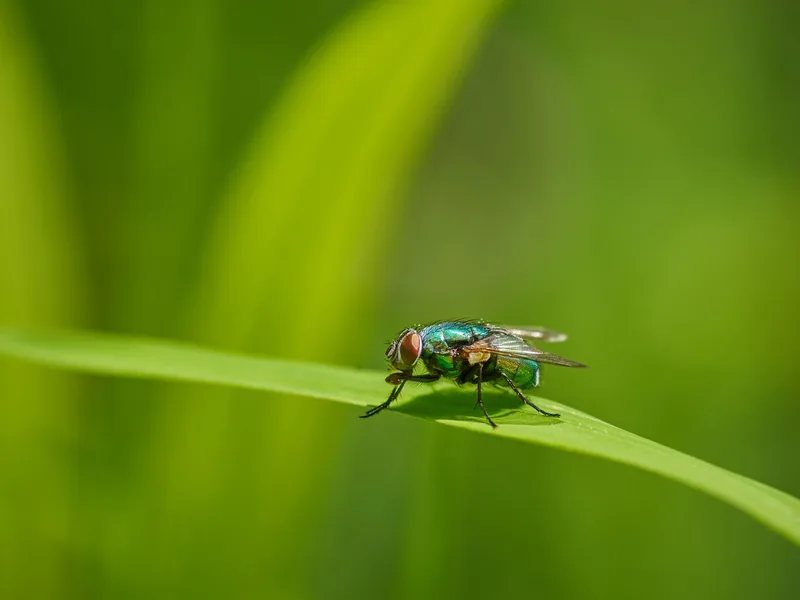
Blow fly
Blow flies enter from external lanes and alley openings where uncovered waste sits in corners and niches between shops, attracted by decaying food and high moisture in sheltered areas.
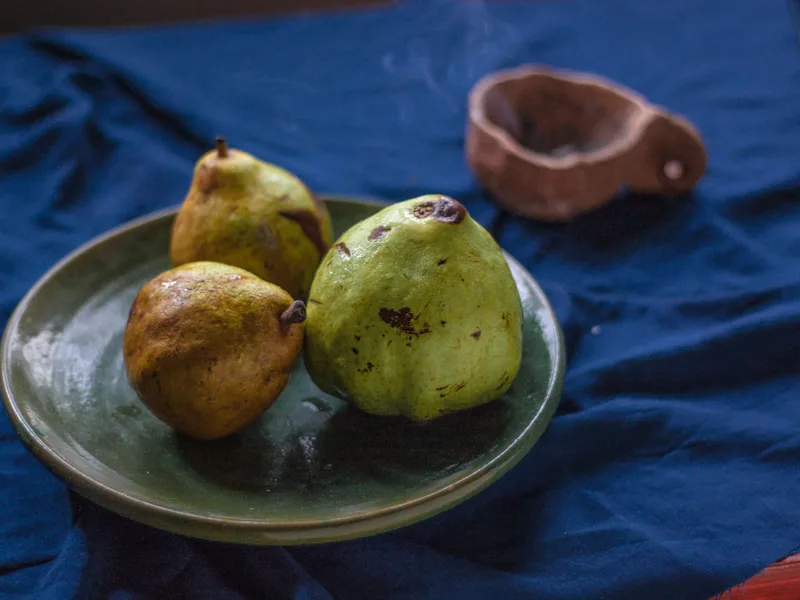
Fermenting residue
Fermenting residue accumulates in the narrow gaps and corners between buildings, in spaces beneath steps and drains where waste from multiple shops collects and ferments undisturbed.
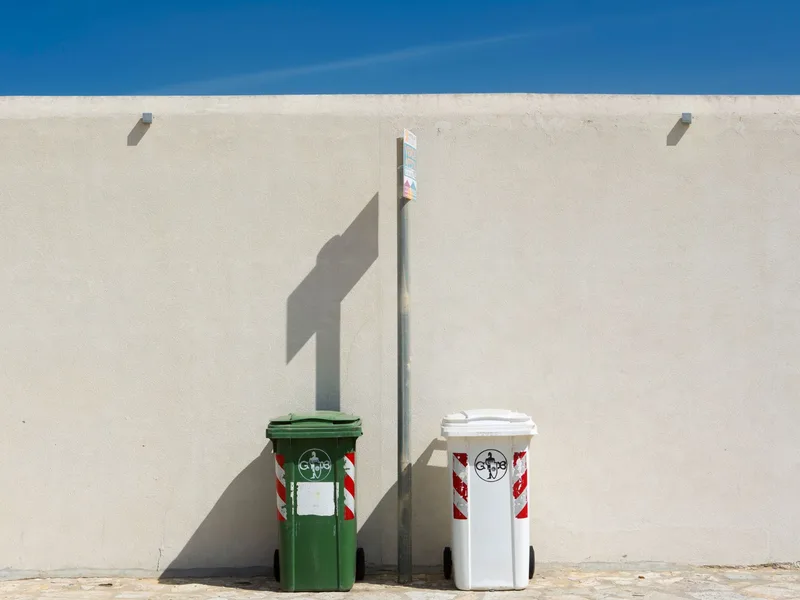
The bin base
The bin base in narrow gaps between commercial units is a dangerous breeding hub where waste from restaurants and shops gathers in extremely confined spaces, fermenting rapidly in high humidity.
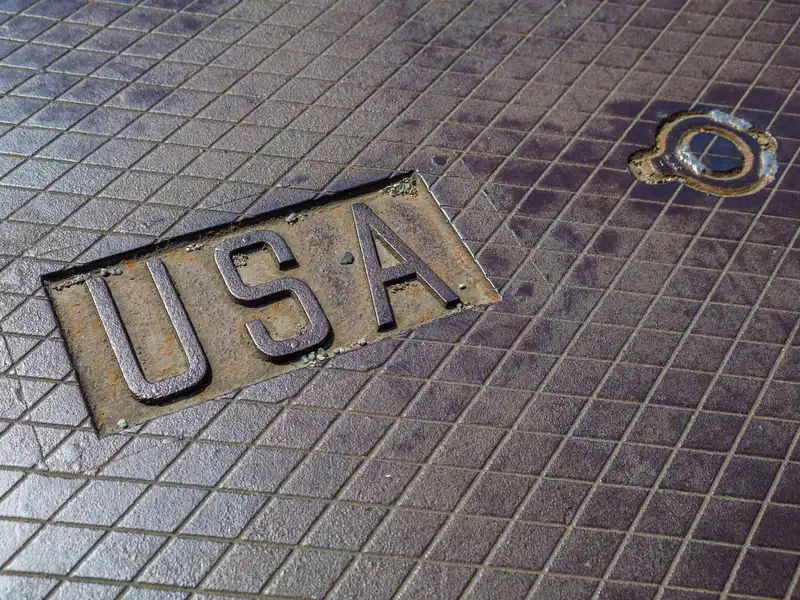
The film inside a drain
Old drainage pipes running beneath the narrow lanes are very wet due to persistently high humidity and proximity to wetlands, providing ideal permanent conditions for rapid larval and pupal development.
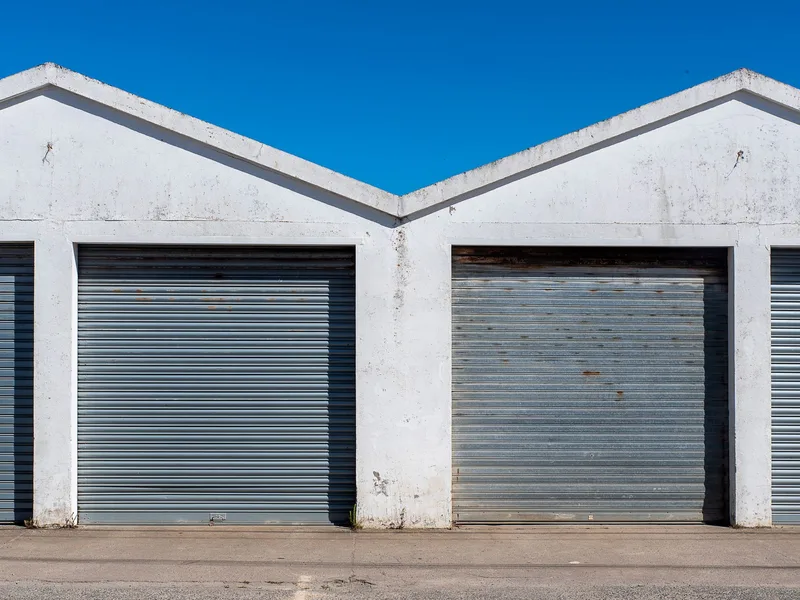
The service door and its mesh
Shop doors opening onto narrow lanes with limited ventilation allow easy fly entry from the alleyways; the confined airflow keeps humidity high around doorways and service openings year-round.
How we work
-
1
Inspect and trace the source
We trace the flies back to their medium: waste and the bin area, floor traps, drain runs and any standing organic wetness, and we identify the species from its size, its flight and where it settles.
-
2
Treat the breeding medium
Washing and scouring bin bases and floor traps, and a foam that treats the film inside the pipe, because removing the medium is the only thing that stops production.
-
3
Treat the resting surfaces
A fly spends most of its time settled on ceilings, cables, the tops of walls and the sunlit wall outside the door, and that is where the residual and the bait go, not into the air.
-
4
Proofing and the follow-up
We close the ways in and sort out the screens and the doors, then come back on a date matching the emergence of the pupae that were already in the medium on the first visit.
What fly control includes
-

A source tracing inspection
The species, the breeding medium and the route in, established before anything is applied.
-

Drains and floor traps
Scouring the film stuck inside the pipe and treating it with foam, which is where drain flies come from and almost nowhere else.
-

Residual on the resting surfaces
Ceilings, cables, the tops of walls and the sunlit wall outside the door, kept off food preparation surfaces.
-

Fly bait in protected positions
An attractant bait set at bin areas and service entrances, out of reach of children and pets and away from food.
-

Aftercare instructions
Ventilation, what to cover, and what needs a screen, an air curtain or a different waste routine.
-

A scheduled follow-up
A set date matching the emergence of the pupae, and re-treatment of any source still producing.
What is different about Al Balad Sub-Municipality
Al Balad sub municipality covers the historic core of Jeddah and the districts that first grew outside its wall. Its building stock is the oldest in the city: heritage stone houses and apartment blocks from past decades, threaded with hotels, shops and crowded popular markets around Bab Makkah, Bab Sharif and the Kandarah Souq. Nearness to the sea, the Islamic Port and the Arbaeen lagoon keeps humidity high all year, water and drainage networks are old, and narrow lanes, dense eateries and commercial storerooms put food and shelter within reach at every corner.
Questions about this district
Do the very narrow lanes prevent effective fly treatment?
Yes, lanes so narrow that standard spray equipment cannot operate freely or reach every gap into recessed areas. Flies in deep pockets between tightly-packed old buildings avoid full pesticide coverage. Treatment in this district requires precision hand application and focus on each confined space individually, rather than bulk spraying methods.
Why is the old historic district a greater fly problem than other areas?
The historic district combines multiple factors that favour flies: persistently high humidity from proximity to the sea, narrow lanes that retain moisture and shade, and dense food sources from shops, restaurants and markets. Gaps between old buildings provide safe breeding refuges. Coordinating treatment across multiple tightly-packed commercial units is also more complex.
Can I treat my shop alone or must the whole lane be treated?
Treating a single shop is insufficient because flies migrate from adjoining shops and from gaps between buildings and alleyway areas. The historic district functions as one connected unit, and effective control requires coordinated treatment across multiple adjacent businesses rather than isolated spot treatment.
How can I deal with flies in the extremely narrow gaps between buildings?
Narrow gaps require precision directed treatment and hand-applied spraying. Standard equipment and broadcast spraying cannot penetrate them. Each gap must be addressed individually, with focus on the base where waste, moisture and fly resting sites accumulate in the confined space.
Does the high humidity from the sea really make the fly problem worse?
Yes, high humidity significantly accelerates fly development cycles. Instead of eight to ten days, development may complete in five to six days. Moisture also keeps food waste suitable for breeding longer. This means populations escalate much faster in districts near the sea than in inland areas.
When is fly pressure worst in Al Ammariyah and the historic core?
Flies remain problematic throughout the year because humidity stays elevated, but summer and autumn see higher numbers. Shops and restaurants intensify their activity at certain seasons, increasing food availability. Regular treatment is necessary year-round in this old district because conditions favour continuous breeding.
How much does fly control in Al Ammariyah cost?
It is set after the inspection, because the price follows the type of infestation, the size of the space, how far it has spread and the number of visits it needs. Send a photo and a description on WhatsApp and we will give you an estimate before we reach Al Ammariyah.
Nearby districts we cover
Other services in Al Ammariyah
Other services we provide to residents of Al Ammariyah.
-
 Residential
Cockroach control
Residential
Cockroach control
-
 Residential
Bed bug control
Residential
Bed bug control
-
 Residential
Termite control
Residential
Termite control
-
 Residential
Rodents and mice
Residential
Rodents and mice
-
 Residential
Mosquito control
Residential
Mosquito control
-
 Residential
Ant control
Residential
Ant control
-
 Residential
Gecko control
Residential
Gecko control
-
 Residential
Scorpion control
Residential
Scorpion control
-
 Residential
Snake control
Residential
Snake control
-
 Residential
Flea control
Residential
Flea control
-
 Residential
Bird and pigeon control
Residential
Bird and pigeon control
-
 Residential
Preventive treatment
Residential
Preventive treatment
-
 Residential
Disinfection
Residential
Disinfection
-
 Commercial
Annual contracts
Commercial
Annual contracts
-
 Commercial
Restaurants and cafes
Commercial
Restaurants and cafes
-
 Commercial
Hotels and apartments
Commercial
Hotels and apartments
-
 Commercial
Warehouses and factories
Commercial
Warehouses and factories
-
 Commercial
Schools and nurseries
Commercial
Schools and nurseries
-
 Commercial
Retail and malls
Commercial
Retail and malls
-
 Commercial
Rest houses and farms
Commercial
Rest houses and farms
-
 Commercial
Fumigation
Commercial
Fumigation
-
 Water tanks
Water tank cleaning
Water tanks
Water tank cleaning
-
 Water tanks
Water tank sterilization
Water tanks
Water tank sterilization
-
 Water tanks
Water tank sealing
Water tanks
Water tank sealing
-
 Water tanks
Tank leak repair
Water tanks
Tank leak repair
Need fly control in Al Ammariyah? Tell us what you saw and we will tell you what it needs
We reach Al Ammariyah at a time we agree, and you get the full cost before we start.