
Fly control in Al Hamdaniyah Jeddah
Al Hamdaniyah is a dense residential spread east of King Abdulaziz Airport, with apartment buildings, villas and active shop frontage along Al Hamdaniyah Street, and hypermarkets on Al Masurah Street. This mix of housing, retail and major food outlets creates constant foot traffic and exposed food waste. Al Haramain Road on its western edge carries heavy traffic and adds to the waste stream.
-
Targeted, not broadcast
Product goes into cracks and runways, never sprayed across open surfaces.
-
Told before we start
What we will use, where it goes, and what to cover or move before we arrive.
-
A follow-up visit
We return after the first treatment, because what survives it does not show on the day.
-
Homes and businesses
Apartments and villas, and kitchens and stores that need a record of each visit.
Why they keep coming back in Al Hamdaniyah
Markets, restaurants and shops provide very diverse food sources. Waste from the markets is collected but scattered spillage is common and abundant. The method is set out in full on what Fly control involves.
Major hypermarkets and restaurants as continuous food sources
Lulu Hypermarket and other major outlets employ hundreds and serve thousands daily. Food waste and organic refuse scatter around the buildings, and flies concentrate at gathering points.
Mixed shops and flats, easy fly migration
Ground floor shops and flats above create an ideal migration route. Gaps between the commercial and residential zones open passages for flies.
Al Haramain Road and heavy traffic
The expressway carries trucks and vehicles in large volumes, and waste from travellers and drivers is left in gaps around the district.
The character of Al Hamdaniyah
Mixed district: shops at street level with homes above them
A mixed district means markets and shops are continuous food sources, and residential flats above provide shelter. Treatment must focus on the interfaces between levels, not just the individual flat.
Where the flies are actually coming from
The district sits east of the airport, with hypermarkets drawing foot traffic from across Jeddah. Al Hamdaniyah Street is the main spine carrying continuous flow.
House fly
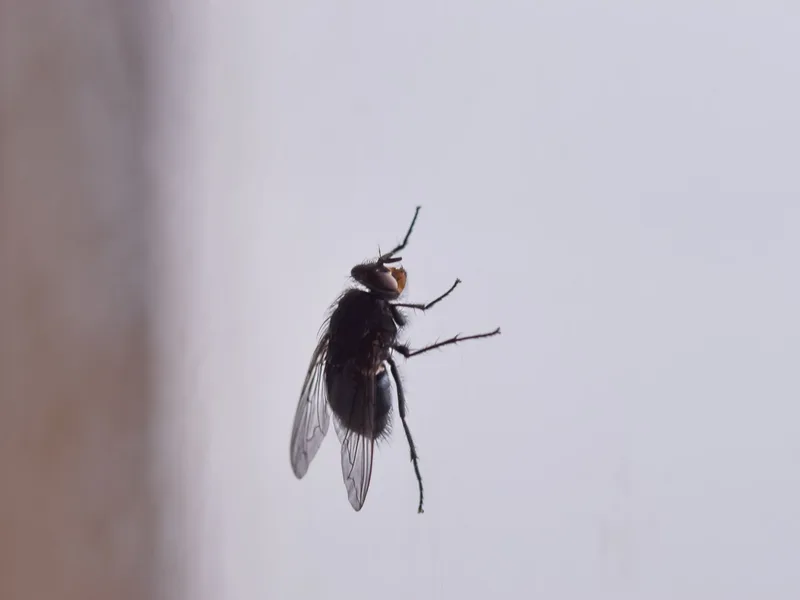
House flies in Al Hamdaniyah concentrate on market and restaurant waste, with persistently high populations because of multiple sources.
Blow fly
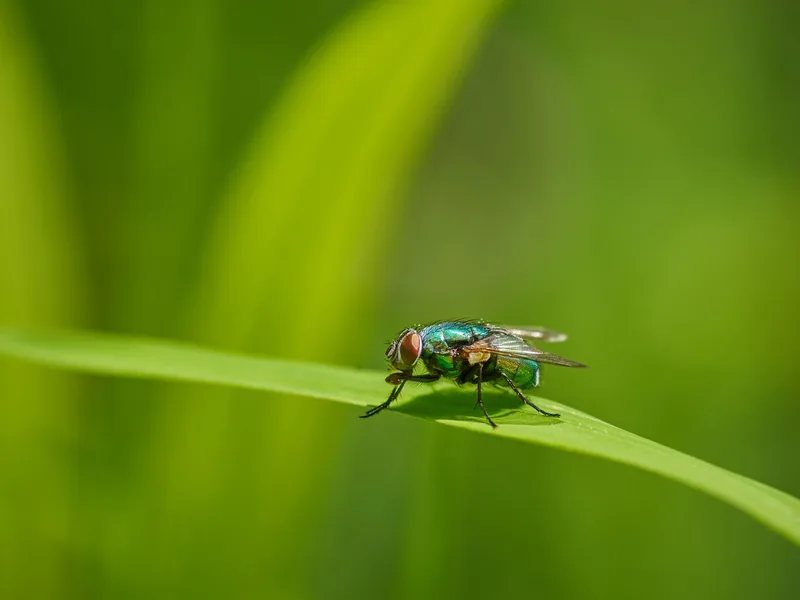
Blow flies are drawn to exposed organic matter around markets and shops.
Fermenting residue
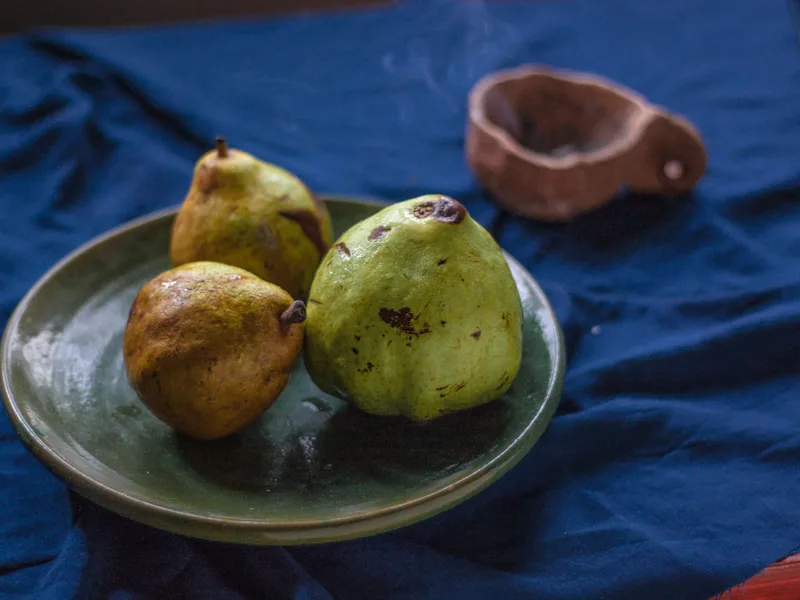
Fermenting residue from markets and restaurants is the central source.
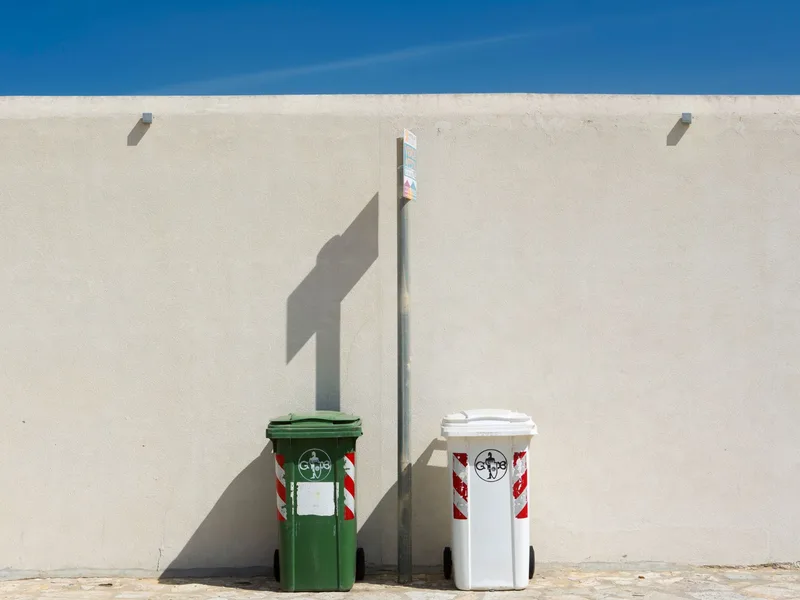
The bin base
Waste bin bases behind markets and shops are heavily contaminated and retain moisture.
The film inside a drain
Biofilm in inadequate drains around markets supports very large populations.
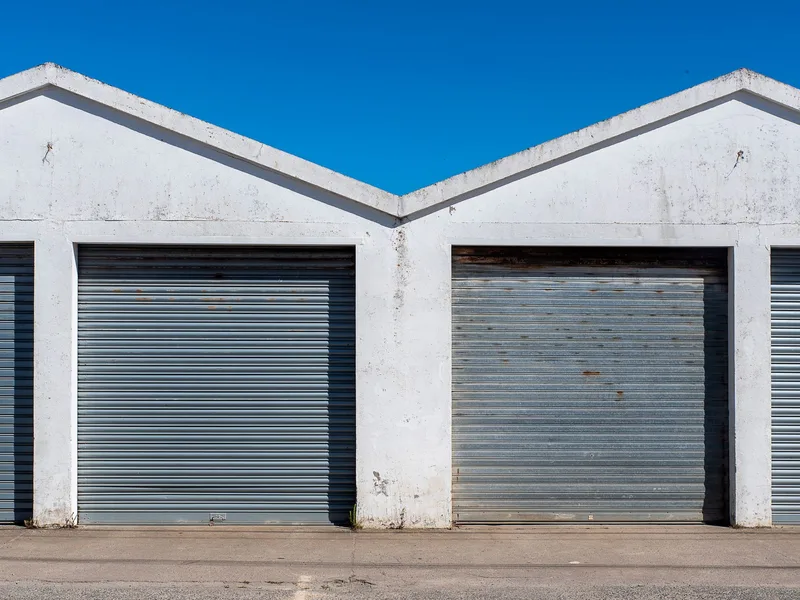
The service door and its mesh
Gaps between shop and flat and weak screens are the main entry routes.
How we work
-
1
Inspect and trace the source
We trace the flies back to their medium: waste and the bin area, floor traps, drain runs and any standing organic wetness, and we identify the species from its size, its flight and where it settles.
-
2
Treat the breeding medium
Washing and scouring bin bases and floor traps, and a foam that treats the film inside the pipe, because removing the medium is the only thing that stops production.
-
3
Treat the resting surfaces
A fly spends most of its time settled on ceilings, cables, the tops of walls and the sunlit wall outside the door, and that is where the residual and the bait go, not into the air.
-
4
Proofing and the follow-up
We close the ways in and sort out the screens and the doors, then come back on a date matching the emergence of the pupae that were already in the medium on the first visit.
What fly control includes
-

A source tracing inspection
The species, the breeding medium and the route in, established before anything is applied.
-

Drains and floor traps
Scouring the film stuck inside the pipe and treating it with foam, which is where drain flies come from and almost nowhere else.
-

Residual on the resting surfaces
Ceilings, cables, the tops of walls and the sunlit wall outside the door, kept off food preparation surfaces.
-

Fly bait in protected positions
An attractant bait set at bin areas and service entrances, out of reach of children and pets and away from food.
-

Aftercare instructions
Ventilation, what to cover, and what needs a screen, an air curtain or a different waste routine.
-

A scheduled follow-up
A set date matching the emergence of the pupae, and re-treatment of any source still producing.
Landmarks of Al Hamdaniyah
Al Hamdaniyah is reached easily from Al Hamdaniyah Street, the main artery linking shops and homes. Al Masurah Street, where the major hypermarkets sit, defines the district's identity, and Lulu Hypermarket Al Hamdaniyah is a well-known reference point.
- Al Hamdaniyah Street
- Al Masurah Street
- Al Haramain Road
- Al Taqwa Mosque
- Umm Mutlaq Mosque
- Lulu Hypermarket Al Hamdaniyah
Questions about this district
The hypermarkets have their own pest control. Does this reduce flies in nearby flats?
Sometimes, but flies migrate easily from markets to neighbouring flats. Treatment of your flat is equally necessary.
My ground floor is a busy shop. How much does this increase flies in the flat above?
Substantially. Waste from the shop leaks into common areas and the flat above. Combined treatment is essential.
Al Masurah Street with its hypermarkets is very close. Do they drive fly numbers?
Yes, they are a major source. Flies travel easily from markets through air and roads.
Al Haramain Road runs nearby. Is waste from the expressway a problem?
It can be, especially near the district's western edge. But local markets remain the primary source.
The district is very dense. Is it hard to control flies?
Density complicates matters, but comprehensive treatment and periodic inspection resolve it. It requires tenant cooperation on cleanliness.
When will I see results after treating both the flat and the shop below?
If we treat flat, shared areas and shop properly, expect visible improvement in one to two weeks.
How much does fly control in Al Hamdaniyah cost?
It is set after the inspection, because the price follows the type of infestation, the size of the space, how far it has spread and the number of visits it needs. Send a photo and a description on WhatsApp and we will give you an estimate before we reach Al Hamdaniyah.
Nearby districts we cover
Other services in Al Hamdaniyah
Other services we provide to residents of Al Hamdaniyah.
-
 Residential
Cockroach control
Residential
Cockroach control
-
 Residential
Bed bug control
Residential
Bed bug control
-
 Residential
Termite control
Residential
Termite control
-
 Residential
Rodents and mice
Residential
Rodents and mice
-
 Residential
Mosquito control
Residential
Mosquito control
-
 Residential
Ant control
Residential
Ant control
-
 Residential
Gecko control
Residential
Gecko control
-
 Residential
Scorpion control
Residential
Scorpion control
-
 Residential
Snake control
Residential
Snake control
-
 Residential
Flea control
Residential
Flea control
-
 Residential
Bird and pigeon control
Residential
Bird and pigeon control
-
 Residential
Preventive treatment
Residential
Preventive treatment
-
 Residential
Disinfection
Residential
Disinfection
-
 Commercial
Annual contracts
Commercial
Annual contracts
-
 Commercial
Restaurants and cafes
Commercial
Restaurants and cafes
-
 Commercial
Hotels and apartments
Commercial
Hotels and apartments
-
 Commercial
Warehouses and factories
Commercial
Warehouses and factories
-
 Commercial
Schools and nurseries
Commercial
Schools and nurseries
-
 Commercial
Retail and malls
Commercial
Retail and malls
-
 Commercial
Rest houses and farms
Commercial
Rest houses and farms
-
 Commercial
Fumigation
Commercial
Fumigation
-
 Water tanks
Water tank cleaning
Water tanks
Water tank cleaning
-
 Water tanks
Water tank sterilization
Water tanks
Water tank sterilization
-
 Water tanks
Water tank sealing
Water tanks
Water tank sealing
-
 Water tanks
Tank leak repair
Water tanks
Tank leak repair
Need fly control in Al Hamdaniyah? Tell us what you saw and we will tell you what it needs
We reach Al Hamdaniyah at a time we agree, and you get the full cost before we start.