
Fly control in Al Rahmaniyah Jeddah
Al Rahmaniyah is a recently built district in north Jeddah, stretching along Al Furusiyah Street with new villas and apartments on spacious plots and commercial units dotted along the main axes. Flies here cluster around new restaurants and shops at ground level, where refuse collects in drains not yet fully matured or properly designed to handle the load.
-
Targeted, not broadcast
Product goes into cracks and runways, never sprayed across open surfaces.
-
Told before we start
What we will use, where it goes, and what to cover or move before we arrive.
-
A follow-up visit
We return after the first treatment, because what survives it does not show on the day.
-
Homes and businesses
Apartments and villas, and kitchens and stores that need a record of each visit.
Why they keep coming back in Al Rahmaniyah
Flies in Al Rahmaniyah appear seasonally rather than year round, concentrated mostly in new shops and restaurants whose drain systems have not yet been properly commissioned or tested under load. The method is set out in full on Fly control in detail.
New shops have immature drain systems installed
Newly opened restaurants and cafes often lack fully engineered drainage or have not been properly cleaned after opening, allowing fatty waste to accumulate rapidly in drain pipes.
Mixed use layout scatters waste sources unevenly
Villas, apartments and shops are distributed across the district rather than grouped together, making it harder to locate and treat waste sources compared to more orderly neighbourhoods.
Irrigated gardens create pockets of permanent dampness
New villas are surrounded by newly planted watered gardens, and irrigation systems leave standing water and damp ground that offer breeding habitat for flies throughout the hot months.
Al Rahmaniyah on the map
Al Rahmaniyah sits about 3 km from Al Falah and about 3 km from Al Furusiyah.
Open in Google MapsWhere the flies are actually coming from
A modern planned residential district between Al Falah and Al Salihiyah, containing spacious villas, new apartments and commercial plots on main roads, served by newly built schools, a health centre and mosques.
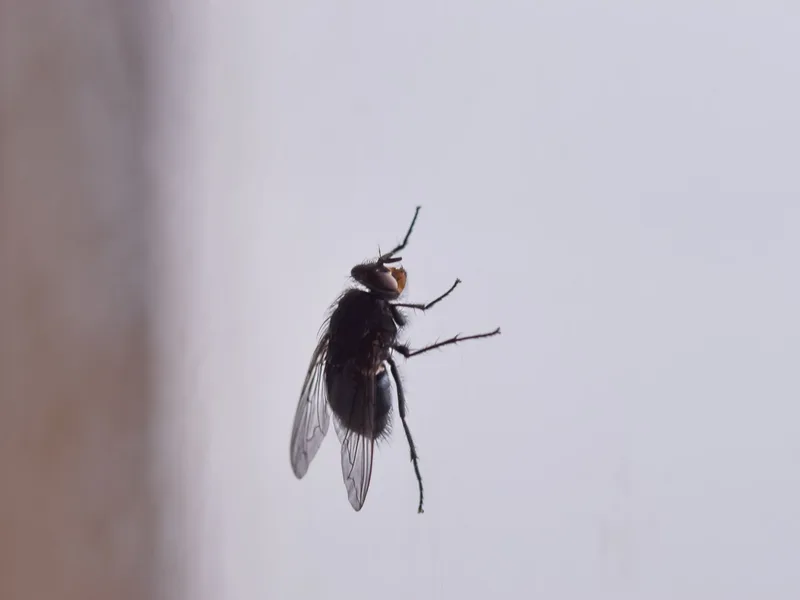
House fly
House flies in Al Rahmaniyah cluster around new restaurants and shops at ground level, where waste accumulates quickly in drainage systems not yet properly commissioned or tested.
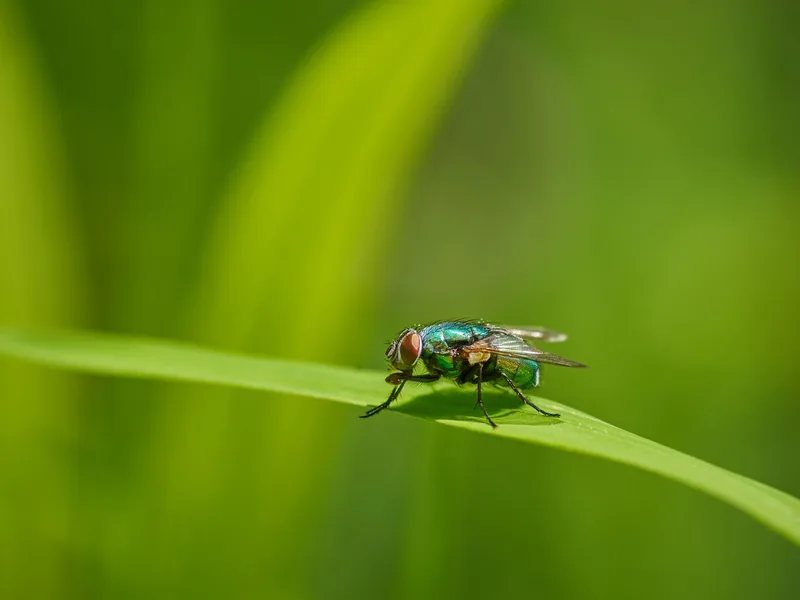
Blow fly
Blow flies are rare in the new district but may appear near butchers and poultry shops that lack proper temperature control or have inadequate waste disposal.
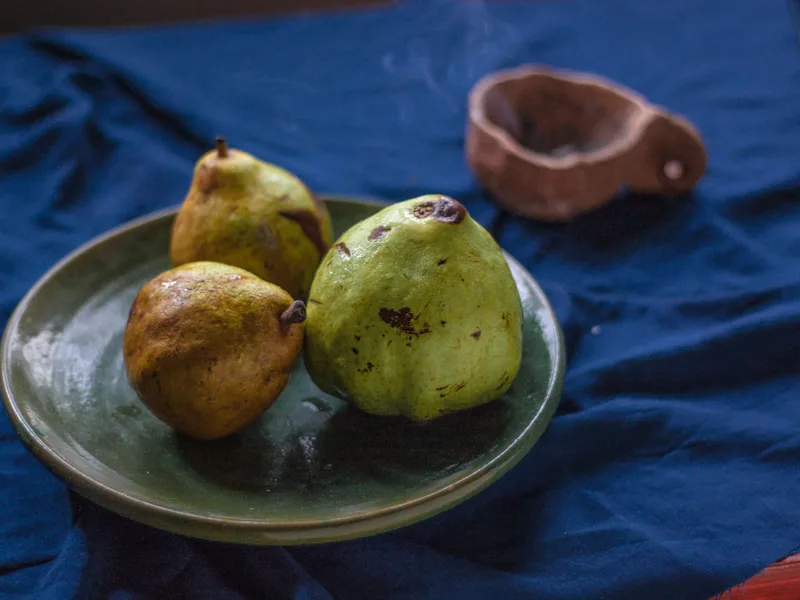
Fermenting residue
Fermenting food waste collects in drain pipes of new restaurants whose drainage systems have not yet been fully optimised for the waste load.
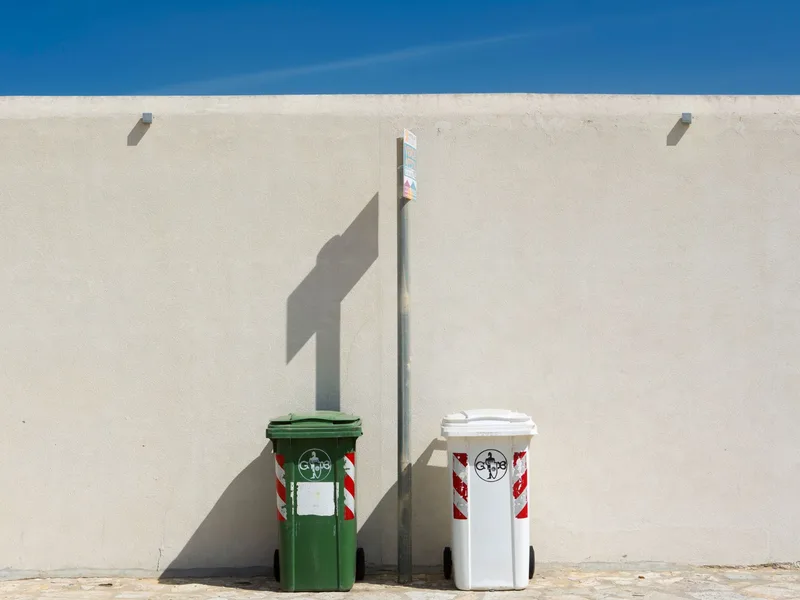
The bin base
Bin bases in new shops stay damp because drainage is newly installed but waste builds up quickly before routines are established.
The film inside a drain
Films inside new restaurant drains form rapidly because commercial cooking produces heavy fatty loads that coat pipes fast.
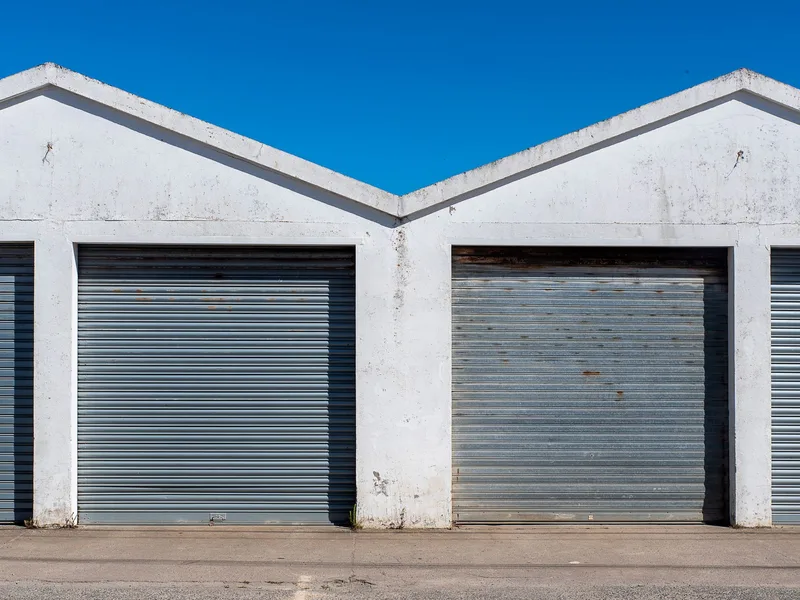
The service door and its mesh
Service doors and their mesh screens in new shops are usually well fitted initially, but may lack regular inspection schedules to ensure they stay sealed properly.
How we work
-
1
Inspect and trace the source
We trace the flies back to their medium: waste and the bin area, floor traps, drain runs and any standing organic wetness, and we identify the species from its size, its flight and where it settles.
-
2
Treat the breeding medium
Washing and scouring bin bases and floor traps, and a foam that treats the film inside the pipe, because removing the medium is the only thing that stops production.
-
3
Treat the resting surfaces
A fly spends most of its time settled on ceilings, cables, the tops of walls and the sunlit wall outside the door, and that is where the residual and the bait go, not into the air.
-
4
Proofing and the follow-up
We close the ways in and sort out the screens and the doors, then come back on a date matching the emergence of the pupae that were already in the medium on the first visit.
What fly control includes
-

A source tracing inspection
The species, the breeding medium and the route in, established before anything is applied.
-

Drains and floor traps
Scouring the film stuck inside the pipe and treating it with foam, which is where drain flies come from and almost nowhere else.
-

Residual on the resting surfaces
Ceilings, cables, the tops of walls and the sunlit wall outside the door, kept off food preparation surfaces.
-

Fly bait in protected positions
An attractant bait set at bin areas and service entrances, out of reach of children and pets and away from food.
-

Aftercare instructions
Ventilation, what to cover, and what needs a screen, an air curtain or a different waste routine.
-

A scheduled follow-up
A set date matching the emergence of the pupae, and re-treatment of any source still producing.
Landmarks of Al Rahmaniyah
Al Rahmaniyah stretches along Al Furusiyah Street, neighboured by Bilal bin Rabah Mosque and Al Khair Mosque, and bordered by Al Marwah Secondary School. Work in the district is easy to access from the main street, and is usually timed to fit shop opening hours and prayer times at the mosques.
- Al Furusiyah Street
- Bilal bin Rabah Mosque
- Al Khair Mosque
- Masharef Centre
- Al Marwah Secondary School
- Al Majid Primary Health Care Centre
Questions about this district
Are new restaurants in the district the main cause of flies?
Primarily yes. Newly opened restaurants with modern facades often lack adequate drain infrastructure, and fatty waste accumulates fast inside drain pipes. Older restaurants usually have better treatment systems in place.
Do irrigated gardens in villas attract more flies?
Yes, especially if irrigation is irregular and leaves standing water. Damp ground with pooled water provides breeding habitat for flies throughout the hot season.
Is poor cleanliness in new shops the cause of fly presence?
Not necessarily. Even immaculately clean new shops may have fly problems if their drains are weak. The issue is drainage design and maturity, not surface cleanliness.
How often must the district be treated per year?
Once every two to three months in summer, less often in winter. Frequency depends on restaurant activity, shop volume and how heavily gardens are irrigated.
Must shops and surrounding villas be treated together?
Not always. If flies come from specific restaurants, focus there first. But if flies have spread to neighbouring villas, comprehensive treatment of the area becomes necessary.
Does having flies in a new apartment mean it is unclean?
Not necessarily. Flies may come from ground floor shops or neighbouring villas. A new clean flat may have flies if the source is outside the flat itself.
How much does fly control in Al Rahmaniyah cost?
It is set after the inspection, because the price follows the type of infestation, the size of the space, how far it has spread and the number of visits it needs. Send a photo and a description on WhatsApp and we will give you an estimate before we reach Al Rahmaniyah.
Nearby districts we cover
Other services in Al Rahmaniyah
Other services we provide to residents of Al Rahmaniyah.
-
 Residential
Cockroach control
Residential
Cockroach control
-
 Residential
Bed bug control
Residential
Bed bug control
-
 Residential
Termite control
Residential
Termite control
-
 Residential
Rodents and mice
Residential
Rodents and mice
-
 Residential
Mosquito control
Residential
Mosquito control
-
 Residential
Ant control
Residential
Ant control
-
 Residential
Gecko control
Residential
Gecko control
-
 Residential
Scorpion control
Residential
Scorpion control
-
 Residential
Snake control
Residential
Snake control
-
 Residential
Flea control
Residential
Flea control
-
 Residential
Bird and pigeon control
Residential
Bird and pigeon control
-
 Residential
Preventive treatment
Residential
Preventive treatment
-
 Residential
Disinfection
Residential
Disinfection
-
 Commercial
Annual contracts
Commercial
Annual contracts
-
 Commercial
Restaurants and cafes
Commercial
Restaurants and cafes
-
 Commercial
Hotels and apartments
Commercial
Hotels and apartments
-
 Commercial
Warehouses and factories
Commercial
Warehouses and factories
-
 Commercial
Schools and nurseries
Commercial
Schools and nurseries
-
 Commercial
Retail and malls
Commercial
Retail and malls
-
 Commercial
Rest houses and farms
Commercial
Rest houses and farms
-
 Commercial
Fumigation
Commercial
Fumigation
-
 Water tanks
Water tank cleaning
Water tanks
Water tank cleaning
-
 Water tanks
Water tank sterilization
Water tanks
Water tank sterilization
-
 Water tanks
Water tank sealing
Water tanks
Water tank sealing
-
 Water tanks
Tank leak repair
Water tanks
Tank leak repair
Need fly control in Al Rahmaniyah? Tell us what you saw and we will tell you what it needs
We reach Al Rahmaniyah at a time we agree, and you get the full cost before we start.