
Fly control in Al Hamra Umm Al Jud Makkah
Al Hamra Umm Al Jud are among Makkah's newest villa neighbourhoods, set on wide schemes with private gardens and outdoor space around each house, yet the drainage infrastructure remains under construction and Wadi Saraf runs through the district. Flies here breed in gardens, watered soil and incomplete sewage, not commercial density.
-
Targeted, not broadcast
Product goes into cracks and runways, never sprayed across open surfaces.
-
Told before we start
What we will use, where it goes, and what to cover or move before we arrive.
-
A follow-up visit
We return after the first treatment, because what survives it does not show on the day.
-
Homes and businesses
Apartments and villas, and kitchens and stores that need a record of each visit.
Why they keep coming back in Al Hamra Umm Al Jud
Flies in Al Hamra Umm Al Jud surge right after rain and evening watering, and the adjacent vacant plots and open construction sites provide continuous breeding sources outside any single villa's boundary. The method is set out in full on the full Fly control page.
Gardens and constant irrigation create breeding sites
Every villa in Al Hamra Umm Al Jud has a garden receiving daily or twice-daily watering, and the standing moisture in soil and grass provides ideal conditions for flies. Organic matter and fertiliser in gardens attract flies and supply larvae with food and shelter.
Incomplete drainage and wadi channels
The newer neighbourhoods of Al Hamra Umm Al Jud still have drainage under construction, and Wadi Saraf concentrates rainwater and runoff. Water pooling in excavations and vacant plots creates vast breeding grounds seeding new flies into occupied villas.
Vacant land and ongoing construction
Large sections of Al Hamra Umm Al Jud remain undeveloped and open building sites dot the area. These excavations and standing water provide inexhaustible fly sources that reinfect occupied villas nearby and keep breeding going year round.
The character of Al Hamra Umm Al Jud
Villa district: private plots, gardens and a boundary wall to every house
Villa living in Al Hamra Umm Al Jud means each house manages its own garden and drainage, but vacant plots, wadis and incomplete infrastructure provide external sources no single villa can control. Treatment requires sustained focus on garden management, drainage sealing and complete door and window protection.
Where the flies are actually coming from
Recently built villa neighbourhoods on expansive plots with private gardens and regular irrigation, ancient wadis crossing the schemes and large vacant tracts still under development.
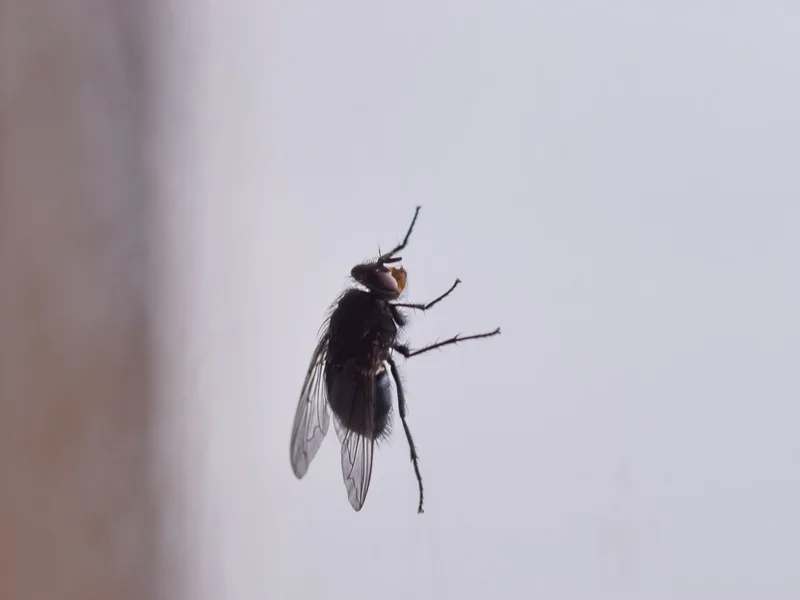
House fly
House flies breed in food scraps and waste inside the villa and in the garden, and easy access plus moisture support successive generations throughout the year.
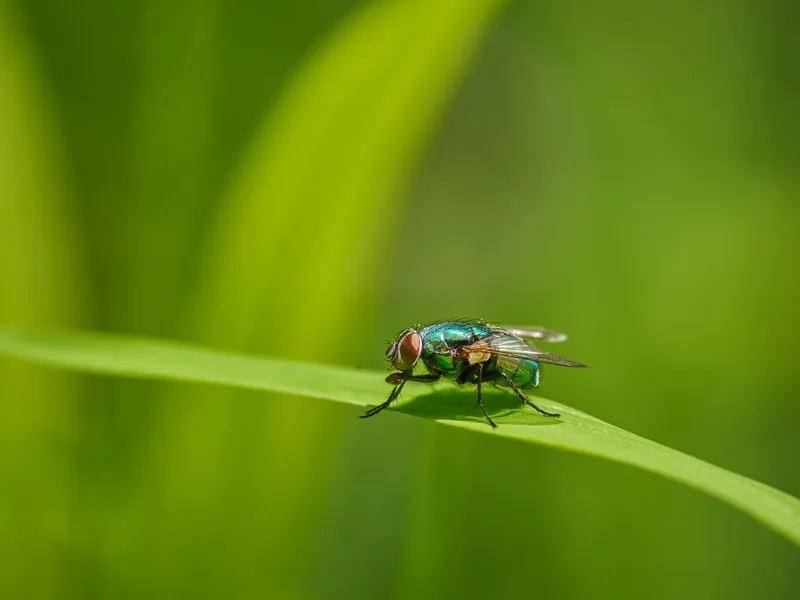
Blow fly
Blow flies search for decomposing organic matter, manure and garden fertiliser around the villa, laying eggs rapidly in toilets and drainage outlets.
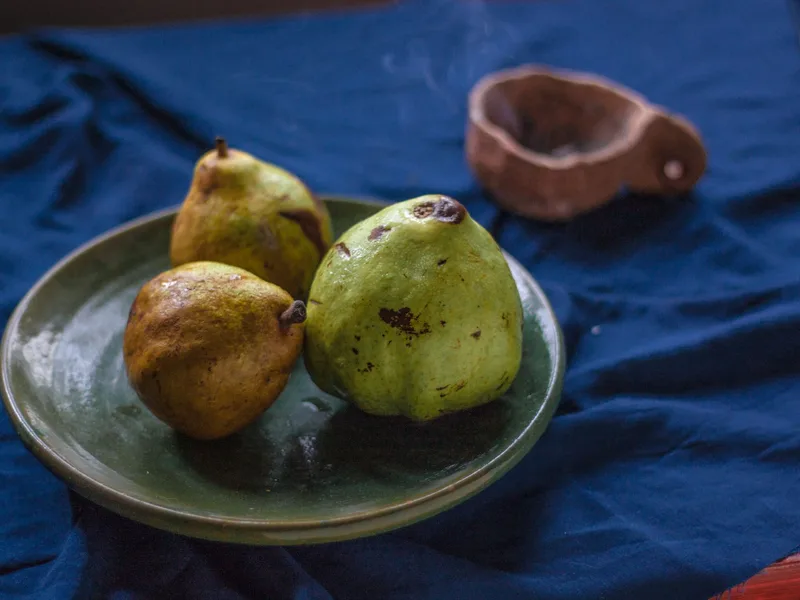
Fermenting residue
Fermenting residue from the garden, compost and fertiliser provides food and ideal breeding conditions in open garden spaces around the house.
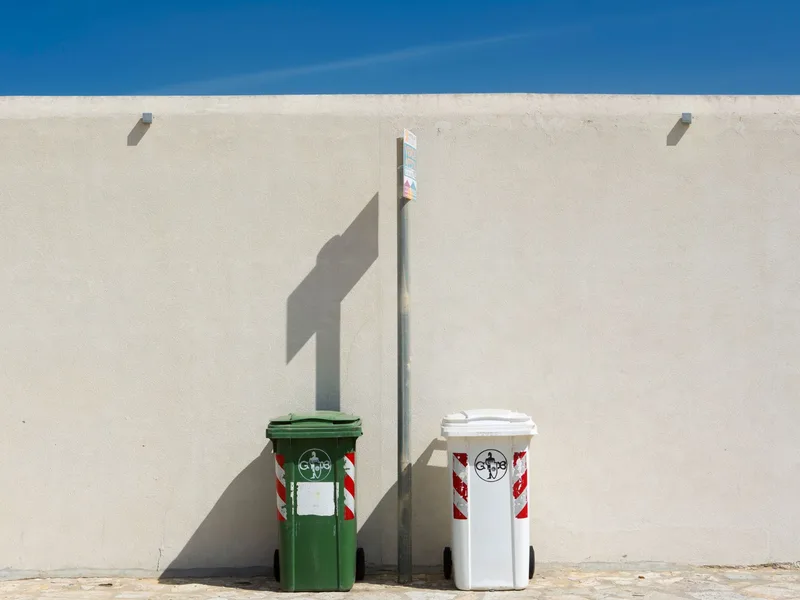
The bin base
The bin base and drainage under the villa collect water and waste, especially where drainage is incomplete or blocked by sand and debris.
The film inside a drain
A fatty film forms in open irrigation channels and bathroom overflows, sheltering fly larvae and allowing them to migrate between the villa's water systems.

The service door and its mesh
The service door and its missing or damaged mesh allows flies entry from the garden, neighbouring plots and wadis, especially after rain and irrigation.
How we work
-
1
Inspect and trace the source
We trace the flies back to their medium: waste and the bin area, floor traps, drain runs and any standing organic wetness, and we identify the species from its size, its flight and where it settles.
-
2
Treat the breeding medium
Washing and scouring bin bases and floor traps, and a foam that treats the film inside the pipe, because removing the medium is the only thing that stops production.
-
3
Treat the resting surfaces
A fly spends most of its time settled on ceilings, cables, the tops of walls and the sunlit wall outside the door, and that is where the residual and the bait go, not into the air.
-
4
Proofing and the follow-up
We close the ways in and sort out the screens and the doors, then come back on a date matching the emergence of the pupae that were already in the medium on the first visit.
What fly control includes
-

A source tracing inspection
The species, the breeding medium and the route in, established before anything is applied.
-

Drains and floor traps
Scouring the film stuck inside the pipe and treating it with foam, which is where drain flies come from and almost nowhere else.
-

Residual on the resting surfaces
Ceilings, cables, the tops of walls and the sunlit wall outside the door, kept off food preparation surfaces.
-

Fly bait in protected positions
An attractant bait set at bin areas and service entrances, out of reach of children and pets and away from food.
-

Aftercare instructions
Ventilation, what to cover, and what needs a screen, an air curtain or a different waste routine.
-

A scheduled follow-up
A set date matching the emergence of the pupae, and re-treatment of any source still producing.
What is different about Al Umrah Sub-Municipality
Al Umrah sub municipality covers the north west of Makkah along the Madinah road and the old Jeddah road, from At Tanim and Masjid Aisha to An Nawwariyah. Its districts are the city's newest, villas and apartment blocks raised on wide schemes where large tracts in Al Umrah Al Jadidah, Al Fayha and Al Buhayrat remain vacant or under construction. Wadi Saraf and Wadi At Tanim run through it and rainwater gathers on unfinished schemes, ihram shops, restaurants and coach stops along the Madinah road serve a constant flow of pilgrims, and villas fill Al Hamra and Umm Al Jud.
Questions about this district
Are the flies in my villa from my garden or from neighbouring vacant plots?
Both contribute significantly. The garden provides moisture and organic matter, while vacant plots and excavations around it are massive breeding grounds. Treating your villa alone reduces flies temporarily but the neighbouring plots restock them continuously.
Will reducing irrigation cut fly numbers or is the source the incomplete drainage and wadis?
Incomplete drainage and Wadi Saraf are the primary source. Reducing watering helps but does not solve it. Effective treatment focuses on drainage around the villa, the garden, and open irrigation channels that concentrate moisture.
Why do fly numbers surge dramatically right after rain in Al Hamra Umm Al Jud?
Rain fills excavations and vacant plots with water and overflows onto incomplete drainage, creating vast breeding grounds whilst also flushing flies towards villas because the drainage system is not yet finished.
If we treat the villa but leave the vacant plots beside it untreated, will flies return?
Yes, they will return quickly. Vacant plots in Al Hamra Umm Al Jud are a continuous source and flies move from there to treated villas. Regular treatment and complete sealing of the villa are necessary whilst external sources remain active.
Is treating a single villa enough or must the entire neighbourhood be treated?
Treating one villa helps but does not solve the neighbourhood's problem. Large external sources and adjacent vacant ground restock flies constantly. Coordinated treatment amongst neighbouring villas is far more effective.
How many times per year must villas in Al Hamra Umm Al Jud be treated for flies?
Three to four times yearly, with special attention after rain and through summer. The dry season does not mean the source ends because incomplete drainage and wadis provide moisture continuously.
How much does fly control in Al Hamra Umm Al Jud cost?
It is set after the inspection, because the price follows the type of infestation, the size of the space, how far it has spread and the number of visits it needs. Send a photo and a description on WhatsApp and we will give you an estimate before we reach Al Hamra Umm Al Jud.
Nearby districts we cover
Other services in Al Hamra Umm Al Jud
Other services we provide to residents of Al Hamra Umm Al Jud.
-
 Residential
Cockroach control
-
 Residential
Bed bug control
-
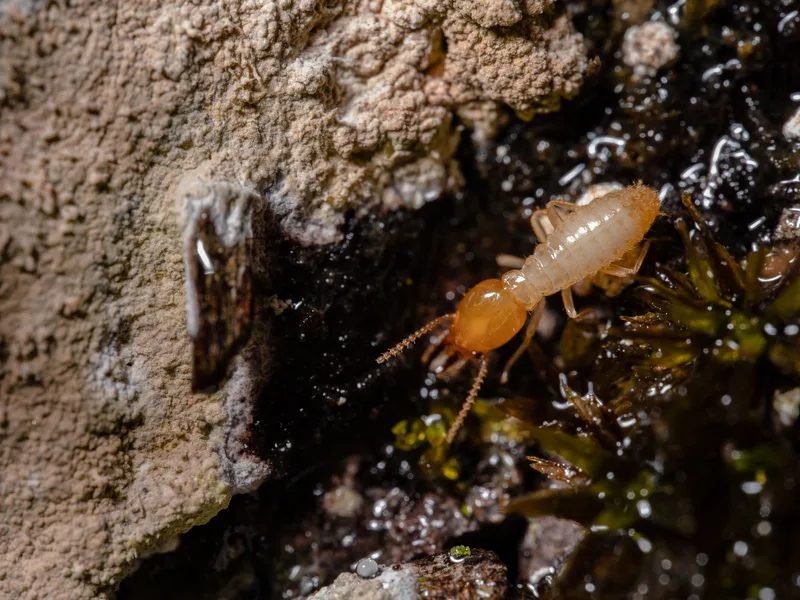 Residential
Termite control
-
 Residential
Rodents and mice
Need fly control in Al Hamra Umm Al Jud? Tell us what you saw and we will tell you what it needs
We reach Al Hamra Umm Al Jud at a time we agree, and you get the full cost before we start.