
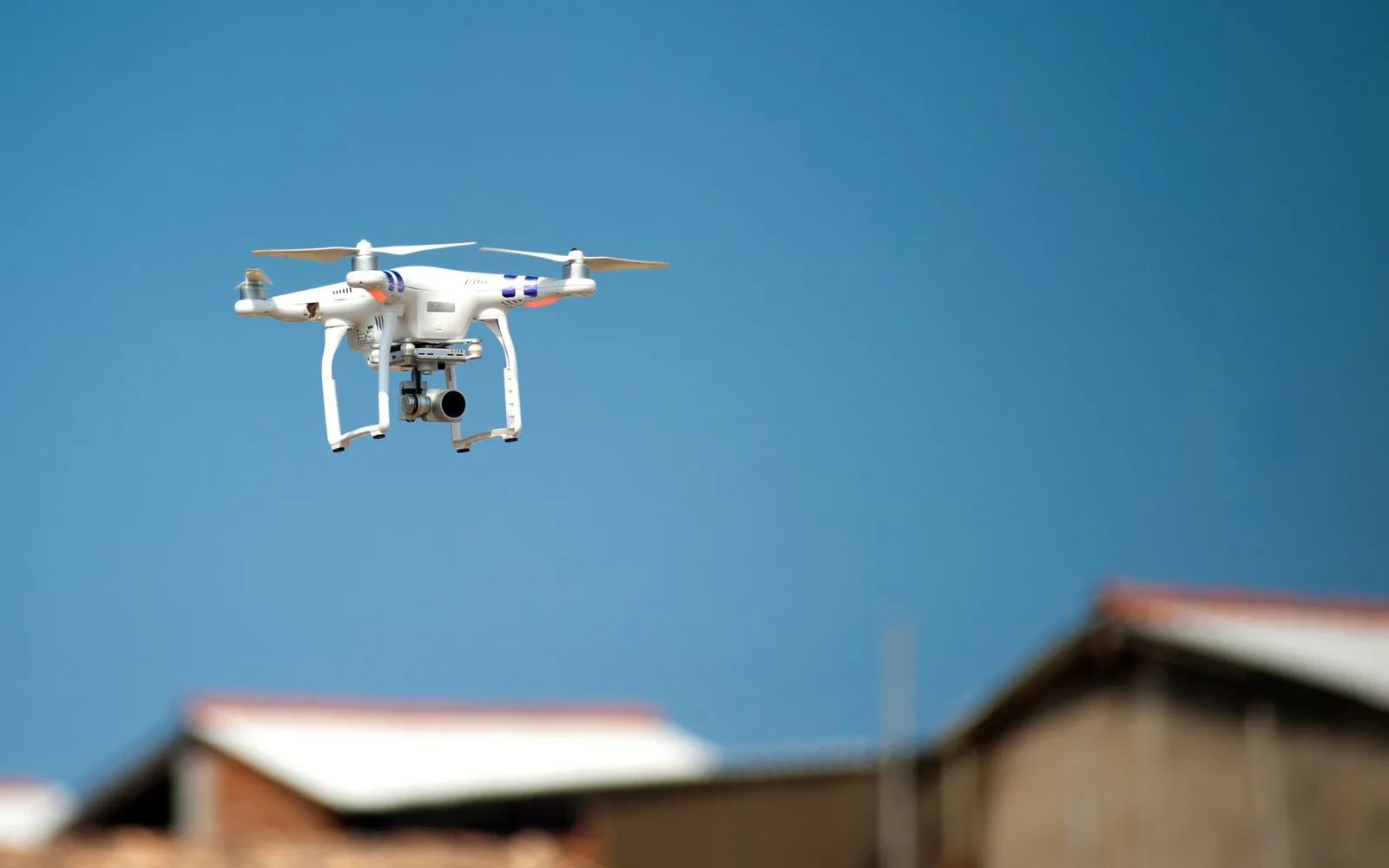
Fly control in Al Shuhada Makkah
Al Shuhada is very old and built without plan, north of Makkah at the Thaniyat Al Bayda pass. Unplanned housing spreads over fissured rock, lanes are narrow between packed buildings, and sewers are decades old and failing. Industrial workshops line Hajj Street leaving waste, wadi courses carry seasonal floods, and the setting creates a complex control problem unlike anything in planned neighbourhoods.
-
Targeted, not broadcast
Product goes into cracks and runways, never sprayed across open surfaces.
-
Told before we start
What we will use, where it goes, and what to cover or move before we arrive.
-
A follow-up visit
We return after the first treatment, because what survives it does not show on the day.
-
Homes and businesses
Apartments and villas, and kitchens and stores that need a record of each visit.
Why they keep coming back in Al Shuhada
Closely packed buildings on rock foundations retain moisture from failed drainage and the absence of natural ventilation. Narrow gaps between structures allow no air flow and trap humidity year-round. The method is set out in full on Fly control in detail.
Unplanned structure and deeply outdated sewers
The fabric here is chaotic, and the sanitary network follows no logical pattern. Old pipes have fractured, drainage seeps into soil, and moisture is permanent. All of this creates a fly breeding ground of the first order.
Industrial workshops on Hajj Street as a waste cascade
Building trades, metalwork and carpentry shops on Hajj Street scatter organic and inert waste everywhere. These draw flies from considerable distances, and the tight district traps the swarms.
Seasonal wadis, flood water and year-round dampness
Wadi Al Zahir and Wadi Al Tanim carry flash floods in winter, water pools in gaps and excavations, and the rock retains moisture through the year. The result is sustained high humidity that no other district in Makkah experiences.
Landmarks of Al Shuhada
Al Shuhada lies at Thaniyat Al Bayda pass, with Al Shuhada Square at the heart marking the district. Access from Hajj Street to the south is the primary entry, where daily activity, workshops and foot traffic converge.
- Hajj Street
- Madinah Road
- Al Shuhada Square
- Thaniyat Al Bayda
- Jabal Al Shahid
- Asad ibn Zurarah Mosque
Where the flies are actually coming from
The district is hemmed by Jabal Al Barud, Jabal Al Shahid, and watercourse valleys to north and south. The mountain terrain and unplanned fabric mean scattered water collection points and endless cavities where flies breed.
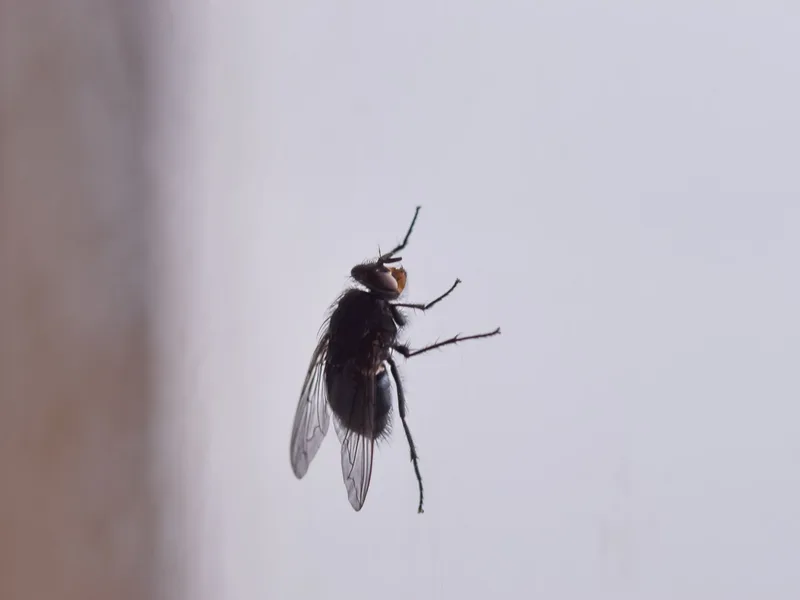
House fly
House flies in Al Shuhada settle on workshop waste and domestic refuse, and high moisture supports populations year-round.
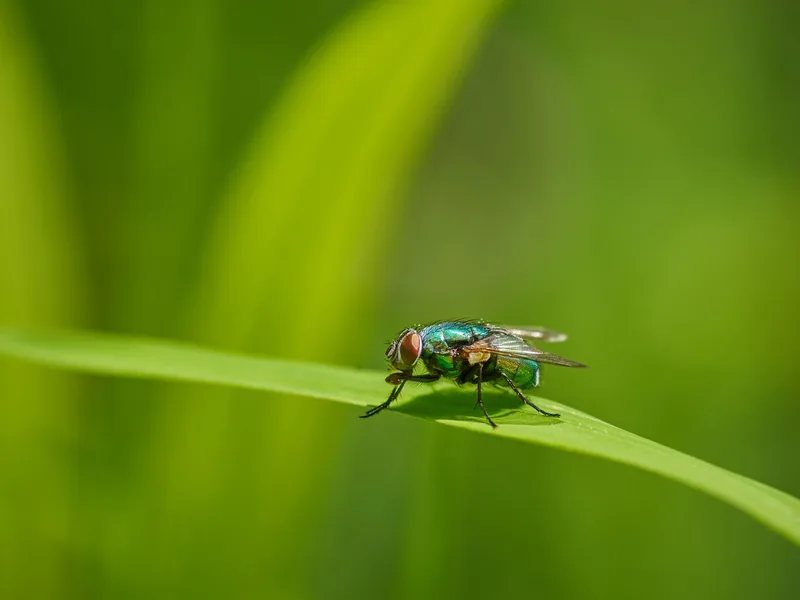
Blow fly
Blow flies are drawn to dampness and decaying organic matter, and this district provides both in abundance.
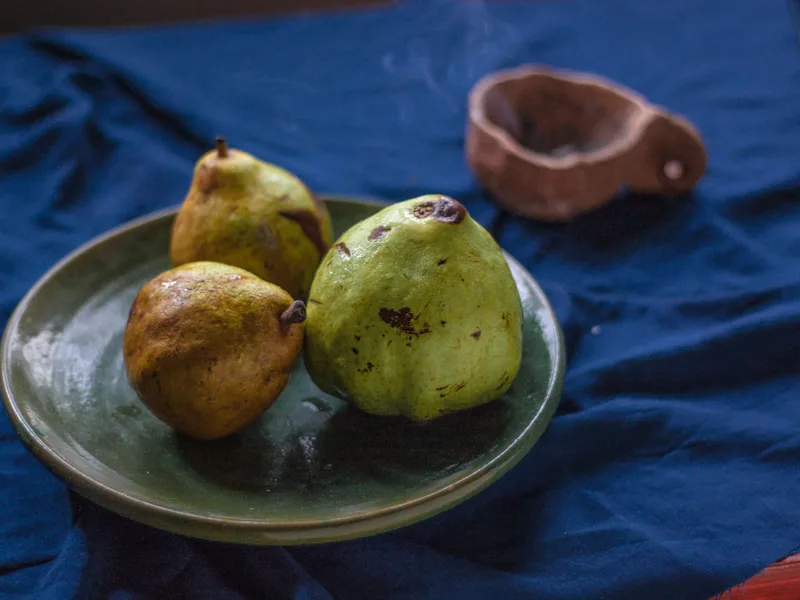
Fermenting residue
Fermenting residue from accumulated waste in narrow gaps and confined spaces feeds flies continuously.
The bin base
The base of bins in old flats and the gaps around buildings are always damp and contaminated.
The film inside a drain
Biofilm in the fractured, failed drain network supports massive numbers of larvae because the standing water is rich.
The service door and its mesh
Weak screens and numerous openings and fissures in the old fabric create endless entry points.
How we work
-
1
Inspect and trace the source
We trace the flies back to their medium: waste and the bin area, floor traps, drain runs and any standing organic wetness, and we identify the species from its size, its flight and where it settles.
-
2
Treat the breeding medium
Washing and scouring bin bases and floor traps, and a foam that treats the film inside the pipe, because removing the medium is the only thing that stops production.
-
3
Treat the resting surfaces
A fly spends most of its time settled on ceilings, cables, the tops of walls and the sunlit wall outside the door, and that is where the residual and the bait go, not into the air.
-
4
Proofing and the follow-up
We close the ways in and sort out the screens and the doors, then come back on a date matching the emergence of the pupae that were already in the medium on the first visit.
What fly control includes
-

A source tracing inspection
The species, the breeding medium and the route in, established before anything is applied.
-

Drains and floor traps
Scouring the film stuck inside the pipe and treating it with foam, which is where drain flies come from and almost nowhere else.
-

Residual on the resting surfaces
Ceilings, cables, the tops of walls and the sunlit wall outside the door, kept off food preparation surfaces.
-

Fly bait in protected positions
An attractant bait set at bin areas and service entrances, out of reach of children and pets and away from food.
-

Aftercare instructions
Ventilation, what to cover, and what needs a screen, an air curtain or a different waste routine.
-

A scheduled follow-up
A set date matching the emergence of the pupae, and re-treatment of any source still producing.
What is different about Al Utaybiyah Sub-Municipality
Al Utaybiyah sub municipality covers the old districts north of the Grand Mosque: the hillside quarters of Al Hajun, Al Utaybiyah and Al Bayban, Al Zahir and Al Shuhada at the northern entrance, and the newer Al Zahra, Al Diyafah and An Nuzhah westward. Its building stock is among the oldest in Makkah, stone houses on the hills, packed apartment blocks and sewers decades old, threaded with crowded markets like the Utaybiyah souq and furnished flats that fill in the pilgrim seasons. Wadi Al Zahir and Wadi Al Tanim carry storm water through it, and industrial workshops line Hajj Street.
Questions about this district
The district is very old and chaotic. Can flies actually be controlled?
Yes, with comprehensive treatment and periodic inspection. We focus on the flat, the adjacent passages and drains, and seal every opening.
Are the workshops on Hajj Street the main problem?
They are a significant source, but not the only one. The ancient drains, persistent dampness and waste accumulation throughout contribute equally.
My flat is on the ground floor with very high moisture. Does this relate to flies?
Directly. Moisture accelerates the fly lifecycle, and larvae thrive in wet conditions. Ground floor flats need extra attention.
Do the watercourses bring flies into the district from upstream?
They can, especially after rain. Wadi Al Zahir carries water and organic matter, and flies arrive with it. But local sources are more important.
How many visits does such an old district need?
Initial treatment may require two visits to ensure effectiveness. After that, monthly or bimonthly inspection is necessary because of the number of sources.
Can you treat the wadis and outdoor areas?
Treating the wadi itself is not practical, but we can treat elevated ground and gaps around the district, especially near the main entrance.
How much does fly control in Al Shuhada cost?
It is set after the inspection, because the price follows the type of infestation, the size of the space, how far it has spread and the number of visits it needs. Send a photo and a description on WhatsApp and we will give you an estimate before we reach Al Shuhada.
Nearby districts we cover
Other services in Al Shuhada
Other services we provide to residents of Al Shuhada.
-
 Residential
Cockroach control
Residential
Cockroach control
-
 Residential
Bed bug control
Residential
Bed bug control
-
 Residential
Termite control
Residential
Termite control
-
 Residential
Rodents and mice
Residential
Rodents and mice
-
 Residential
Mosquito control
Residential
Mosquito control
-
 Residential
Ant control
Residential
Ant control
-
 Residential
Gecko control
Residential
Gecko control
-
 Residential
Scorpion control
Residential
Scorpion control
-
 Residential
Snake control
Residential
Snake control
-
 Residential
Flea control
Residential
Flea control
-
 Residential
Bird and pigeon control
Residential
Bird and pigeon control
-
 Residential
Preventive treatment
Residential
Preventive treatment
-
 Residential
Disinfection
Residential
Disinfection
-
 Commercial
Annual contracts
Commercial
Annual contracts
-
 Commercial
Restaurants and cafes
Commercial
Restaurants and cafes
-
 Commercial
Hotels and apartments
Commercial
Hotels and apartments
-
 Commercial
Warehouses and factories
Commercial
Warehouses and factories
-
 Commercial
Schools and nurseries
Commercial
Schools and nurseries
-
 Commercial
Retail and malls
Commercial
Retail and malls
-
 Commercial
Rest houses and farms
Commercial
Rest houses and farms
-
 Commercial
Fumigation
Commercial
Fumigation
-
 Water tanks
Water tank cleaning
Water tanks
Water tank cleaning
-
 Water tanks
Water tank sterilization
Water tanks
Water tank sterilization
-
 Water tanks
Water tank sealing
Water tanks
Water tank sealing
-
 Water tanks
Tank leak repair
Water tanks
Tank leak repair
Need fly control in Al Shuhada? Tell us what you saw and we will tell you what it needs
We reach Al Shuhada at a time we agree, and you get the full cost before we start.