
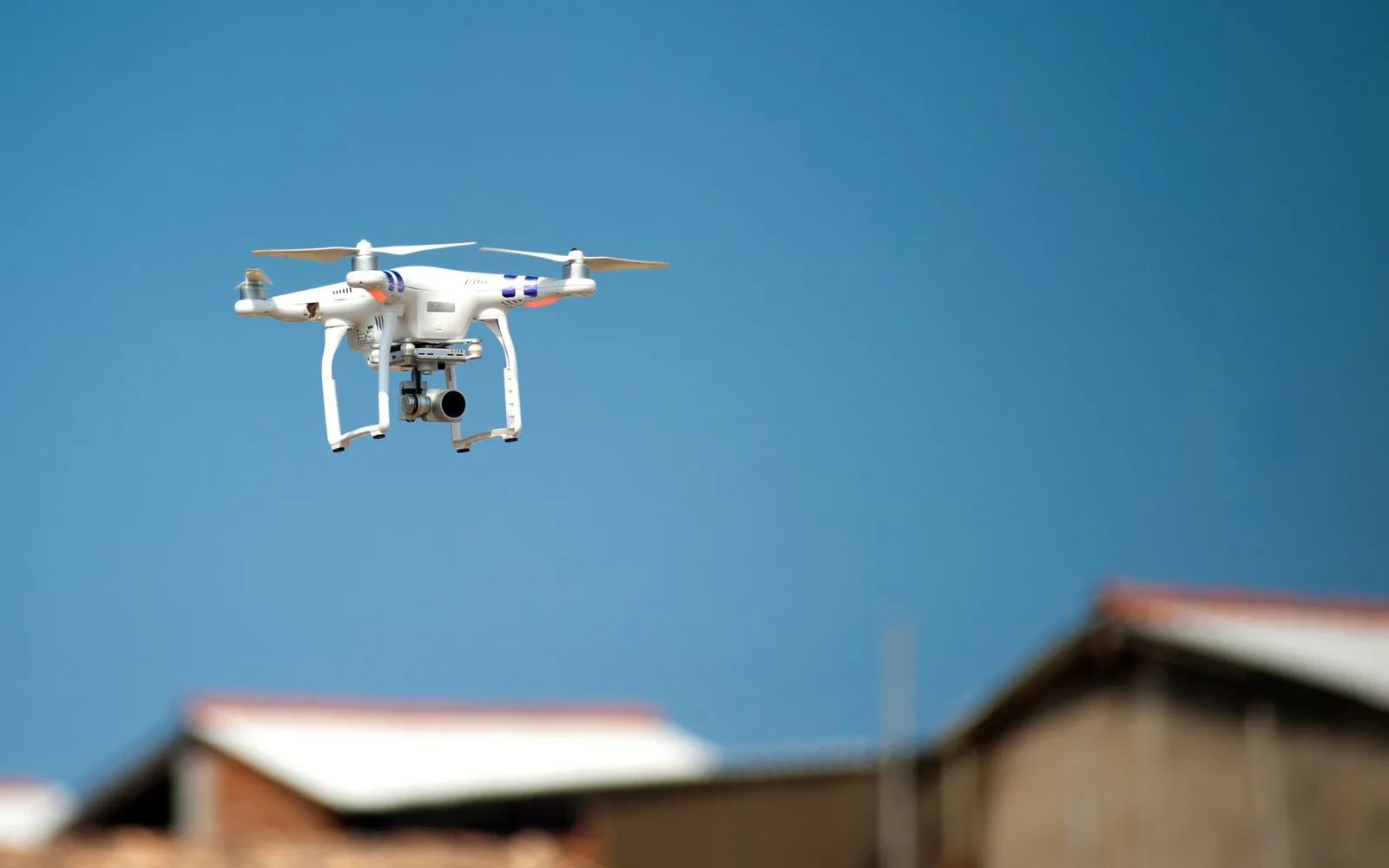
Fly control in Harat Al Mazloum Jeddah
Harat Al Mazloum is inside the old wall of historic Jeddah, where tall coral stone houses fronted with timber rawashin stand shoulder to shoulder on narrow lanes that rarely see sun. Flies breed in the heritage souqs and late night eateries, in the voids between thick stone walls, and in the decaying timber frames. The age of the buildings, the constant sea humidity and the proximity to the harbour make the work here fundamentally different from newer districts.
-
Targeted, not broadcast
Product goes into cracks and runways, never sprayed across open surfaces.
-
Told before we start
What we will use, where it goes, and what to cover or move before we arrive.
-
A follow-up visit
We return after the first treatment, because what survives it does not show on the day.
-
Homes and businesses
Apartments and villas, and kitchens and stores that need a record of each visit.
Why they keep coming back in Harat Al Mazloum
Decaying timber in the rawashin and voids between the thick walls shelter millions of pupae and developing larvae. The salt humidity from the sea accelerates every stage of the lifecycle. The method is set out in full on the full Fly control page.
Ancient timber as a vast pupae reservoir
The original wooden rawashin frame the centuries, riddled with splits, cracks and partial decay. Inside these timbers live tens of thousands of larvae and pupae. Direct treatment of the wood itself is essential and often requires access to structural voids.
Voids inside the massive stone walls
The coral stone walls are a metre thick or more and contain historical voids and cavities. These spaces are perfect pupae shelters, dark and protected. A single house may contain kilometres of inaccessible void space harbouring generations of developing flies.
Open historic markets and salt sea humidity
Souq Al Jami is open to the sky, and the salt humidity from the harbour feeds the environment every day. Markets operate day and night and garbage collects in dark corners. An open market with no door closure is a permanent generation site.
Landmarks of Harat Al Mazloum
Work in Harat Al Mazloum focuses on Souq Al Jami and the houses surrounding it, with treatment extending from Bab Makkah to the east and Al Alawi Street to the north.
- Al Shafi'i Mosque
- Souq Al Jami
- Baeshen House
- Bab Makkah
- Al Alawi Street
Where the flies are actually coming from
Stone houses centuries old, narrow dark lanes, close proximity to the port with year round high humidity, ancient open markets handling food and goods.
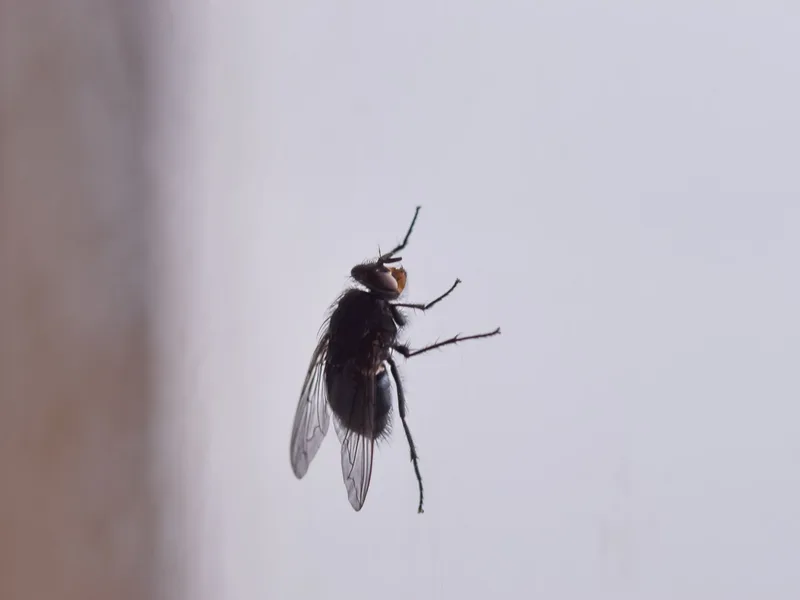
House fly
House flies are numerous in the markets and homes, finding millions of breeding sites in timber, voids, damp corners and dark recesses.
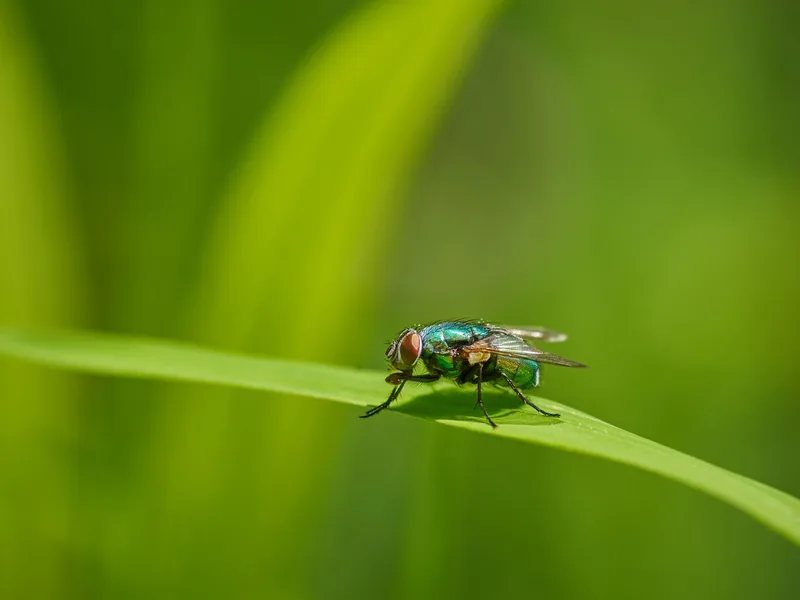
Blow fly
Blow flies are less common but present in the fish and meat shops in the souq, and the high humidity accelerates their development.
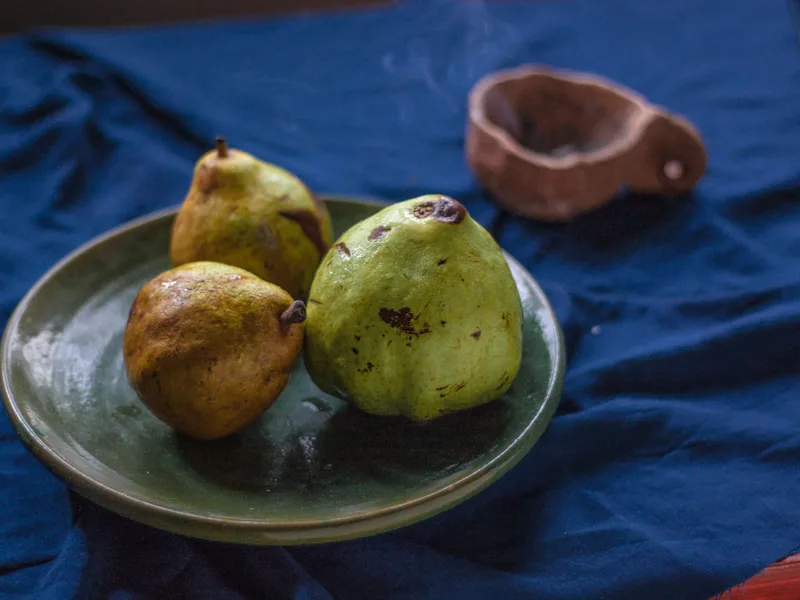
Fermenting residue
Fermenting residue piles in market corners, eateries and homes supply fast-developing food sources. Sea humidity speeds everything.
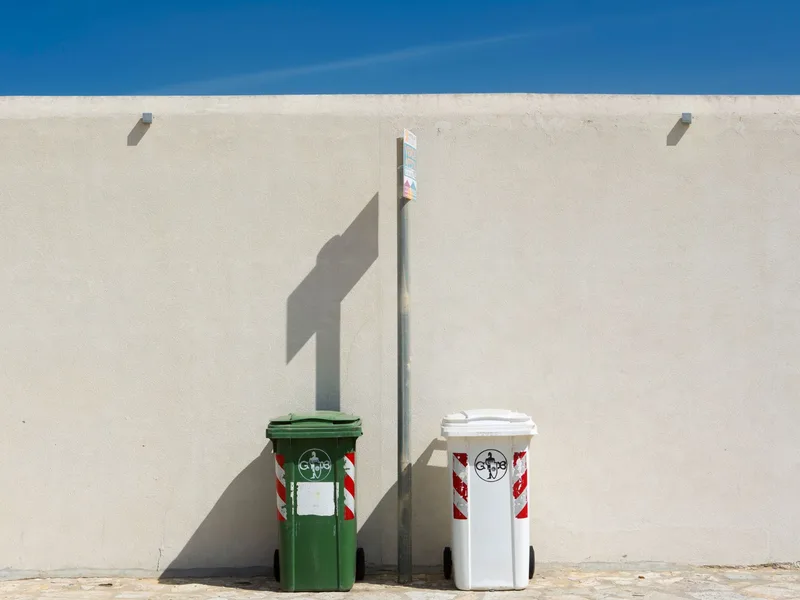
The bin base
Bin bases are rare in the old quarter because waste is left in street corners and narrow lanes. Treatment focuses on available and accessible points.
The film inside a drain
The drain film inside old house pipes is very thick and drains run slowly. Ancient stone pipes harbour ideal conditions.
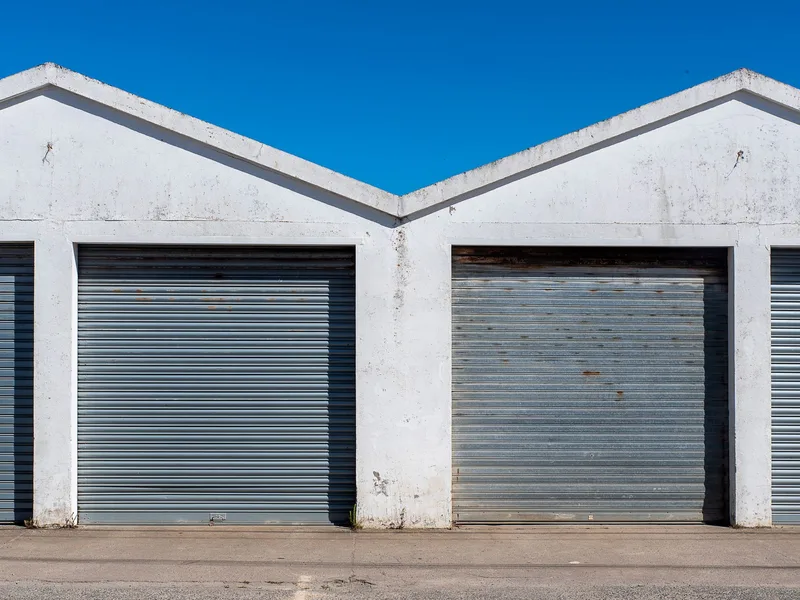
The service door and its mesh
Service doors and their screens in the souq are non-existent or completely damaged. The market is entirely open and flies move freely in and out.
How we work
-
1
Inspect and trace the source
We trace the flies back to their medium: waste and the bin area, floor traps, drain runs and any standing organic wetness, and we identify the species from its size, its flight and where it settles.
-
2
Treat the breeding medium
Washing and scouring bin bases and floor traps, and a foam that treats the film inside the pipe, because removing the medium is the only thing that stops production.
-
3
Treat the resting surfaces
A fly spends most of its time settled on ceilings, cables, the tops of walls and the sunlit wall outside the door, and that is where the residual and the bait go, not into the air.
-
4
Proofing and the follow-up
We close the ways in and sort out the screens and the doors, then come back on a date matching the emergence of the pupae that were already in the medium on the first visit.
What fly control includes
-

A source tracing inspection
The species, the breeding medium and the route in, established before anything is applied.
-

Drains and floor traps
Scouring the film stuck inside the pipe and treating it with foam, which is where drain flies come from and almost nowhere else.
-

Residual on the resting surfaces
Ceilings, cables, the tops of walls and the sunlit wall outside the door, kept off food preparation surfaces.
-

Fly bait in protected positions
An attractant bait set at bin areas and service entrances, out of reach of children and pets and away from food.
-

Aftercare instructions
Ventilation, what to cover, and what needs a screen, an air curtain or a different waste routine.
-

A scheduled follow-up
A set date matching the emergence of the pupae, and re-treatment of any source still producing.
What is different about Historic Jeddah Municipality
The Historic Jeddah municipality covers the quarters of Al Balad inside the old wall: Al Mazloum, Al Sham, Al Yaman and Al Bahr. The buildings are tall houses of coral limestone and timber rawashin, centuries old, standing shoulder to shoulder on narrow lanes that see little sun, many under restoration or partly vacant. The ground is low and close to the sea and the harbour, humidity stays high through the year, and popular souqs and eateries trade late into the night. Old timber, voids between walls and goods stores create conditions favoured by termites, cockroaches, rodents and wood boring beetles.
Questions about this district
Do ancient timbers in the quarter need different treatment than modern wood?
Yes, fundamentally. Ancient timber is partially decayed, cracked deeply and inaccessible to surface treatment. It may need specialist penetrating treatments or deep injection.
Does sea humidity accelerate the fly lifecycle here?
Greatly. Salt humidity and moisture together speed development. Flies complete their cycle faster than in dry districts. Treatment must be repeated more often.
Are the old markets a permanent source of flies in the quarter?
Yes. Open markets with no door protection and garbage piling in corners are a constant generation site. An unshielded market means permanent fly pressure.
How do we treat voids inside the historic walls?
Wall voids need specialist technique: small bore injection or directed treatment. Surface spray cannot reach them. Some cavities may not be fully treatable.
Are the stone heritage houses more prone to flies than modern homes?
Much more so. Old stone is more porous, the timber inside is decayed, and void space is extensive. A modern house allows the outer boundary to be sealed.
Does air conditioning in a heritage house need special protection?
Yes. Old house openings offer no protection. An unshielded air conditioning unit becomes a direct pipeline for flies entering the house.
How much does fly control in Harat Al Mazloum cost?
It is set after the inspection, because the price follows the type of infestation, the size of the space, how far it has spread and the number of visits it needs. Send a photo and a description on WhatsApp and we will give you an estimate before we reach Harat Al Mazloum.
Nearby districts we cover
Other services in Harat Al Mazloum
Other services we provide to residents of Harat Al Mazloum.
-
 Residential
Cockroach control
Residential
Cockroach control
-
 Residential
Bed bug control
Residential
Bed bug control
-
 Residential
Termite control
Residential
Termite control
-
 Residential
Rodents and mice
Residential
Rodents and mice
-
 Residential
Mosquito control
Residential
Mosquito control
-
 Residential
Ant control
Residential
Ant control
-
 Residential
Gecko control
Residential
Gecko control
-
 Residential
Scorpion control
Residential
Scorpion control
-
 Residential
Snake control
Residential
Snake control
-
 Residential
Flea control
Residential
Flea control
-
 Residential
Bird and pigeon control
Residential
Bird and pigeon control
-
 Residential
Preventive treatment
Residential
Preventive treatment
-
 Residential
Disinfection
Residential
Disinfection
-
 Commercial
Annual contracts
Commercial
Annual contracts
-
 Commercial
Restaurants and cafes
Commercial
Restaurants and cafes
-
 Commercial
Hotels and apartments
Commercial
Hotels and apartments
-
 Commercial
Warehouses and factories
Commercial
Warehouses and factories
-
 Commercial
Schools and nurseries
Commercial
Schools and nurseries
-
 Commercial
Retail and malls
Commercial
Retail and malls
-
 Commercial
Rest houses and farms
Commercial
Rest houses and farms
-
 Commercial
Fumigation
Commercial
Fumigation
-
 Water tanks
Water tank cleaning
Water tanks
Water tank cleaning
-
 Water tanks
Water tank sterilization
Water tanks
Water tank sterilization
-
 Water tanks
Water tank sealing
Water tanks
Water tank sealing
-
 Water tanks
Tank leak repair
Water tanks
Tank leak repair
Need fly control in Harat Al Mazloum? Tell us what you saw and we will tell you what it needs
We reach Harat Al Mazloum at a time we agree, and you get the full cost before we start.