
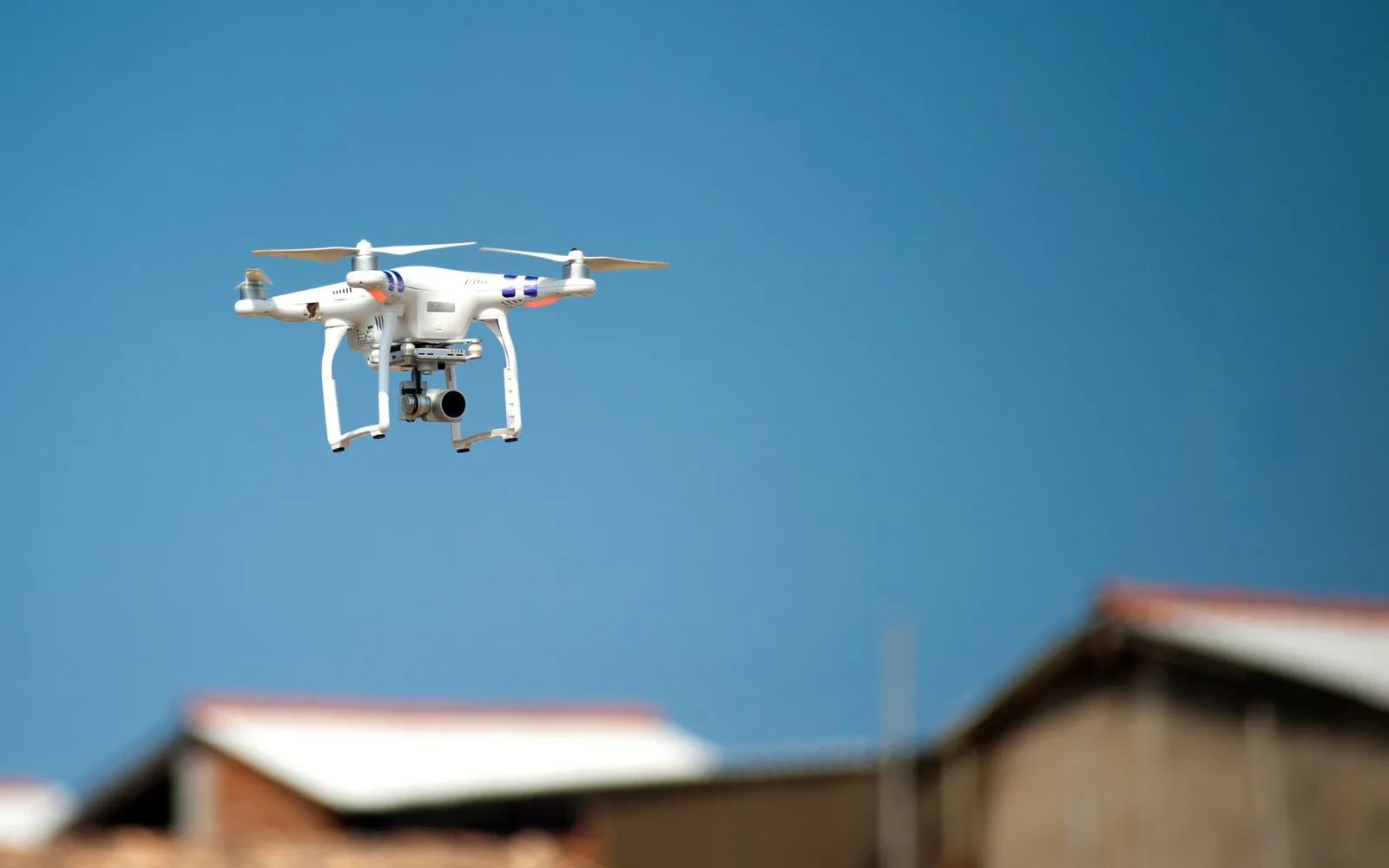
Fly control in Jarwal Makkah
Jarwal is an extremely dense quarter north west of the Grand Mosque where most old Makkan family houses have become budget hotels and seasonal lodgings for pilgrims. The fly problem here is unlike other Makkah districts because pressure is intensely seasonal: in peak seasons occupancy is crushing, hundreds of guests use tiny shared kitchens and bathrooms and generate enormous daily food waste that overwhelms collection and drainage.
-
Targeted, not broadcast
Product goes into cracks and runways, never sprayed across open surfaces.
-
Told before we start
What we will use, where it goes, and what to cover or move before we arrive.
-
A follow-up visit
We return after the first treatment, because what survives it does not show on the day.
-
Homes and businesses
Apartments and villas, and kitchens and stores that need a record of each visit.
Why they keep coming back in Jarwal
During heavy Umrah season, waste bins in Jarwal fill within hours and keeping the streets visibly clean becomes nearly impossible. The method is set out in full on our Fly control service.
Seasonal overcrowding multiplies the food source
Off season a single hotel may house ten guests; during Umrah it holds fifty, so daily food waste increases five fold, and bins that cannot be emptied fast enough become paradise for fly breeding.
Shared kitchens and shared bathrooms
A budget hotel kitchen serves dozens of guests from one cramped space, and drain humidity from shared bathrooms creates warm damp conditions perfect for fly development.
Mountains box in and trap moisture
Jabal Qaiqaan and proximity to flood wadi and Bir Tuwa mean humidity climbs very high, and still air trapped between old buildings does not disperse flies away.
The character of Jarwal
Apartment district: residential blocks, repeated floors and shared entrances
In a dense seasonal housing area like Jarwal, flies are not a permanent problem but an acute seasonal crisis, requiring seasonal treatment strategy: thorough clearing before Umrah begins, then repeated treatment throughout the peak season.
Where the flies are actually coming from
Jarwal is very close to the Grand Mosque, has Bir Tuwa well and Jabal Qaiqaan blocks the air flow, so ventilation is poor and humidity stays high.
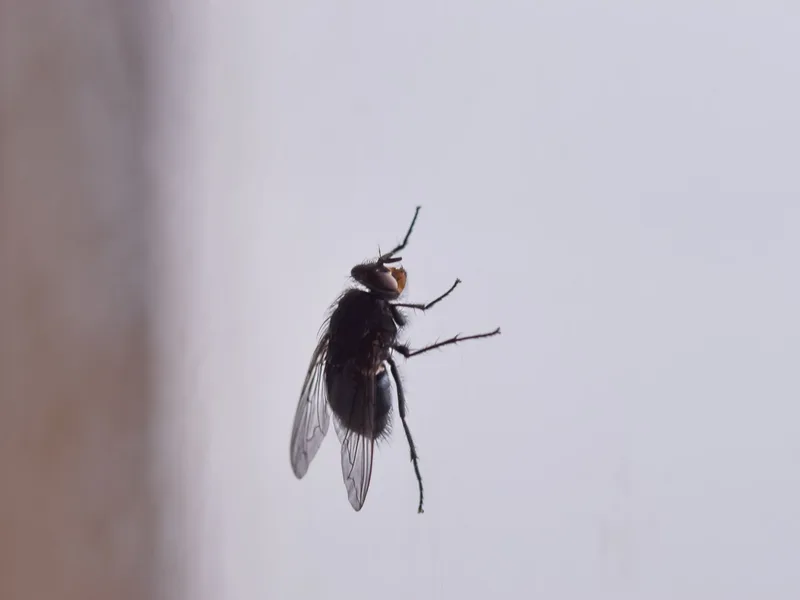
House fly
The house fly in Jarwal is drawn to small cramped damp kitchens and lays eggs in dark sheltered places under fixtures and floor gaps.
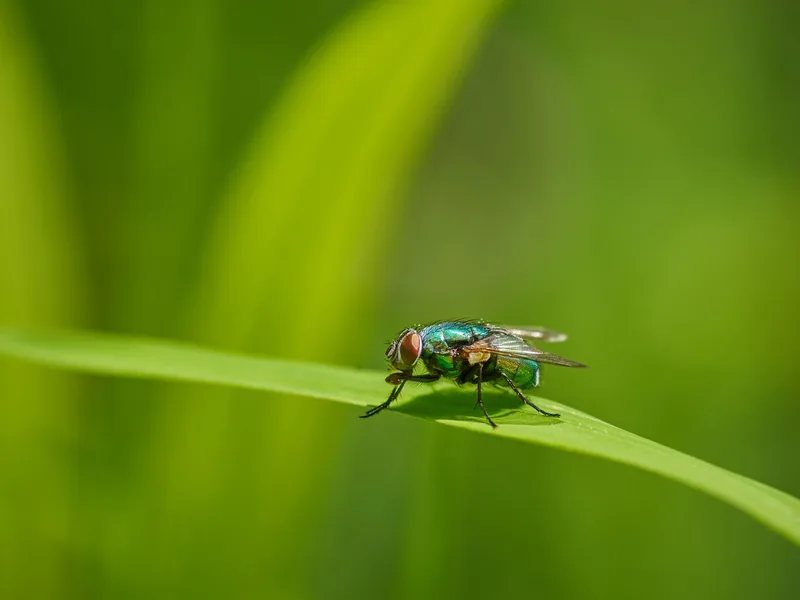
Blow fly
The blow fly appears in very heavy numbers during Umrah season because food waste accumulates rapidly and cannot be cleared promptly.
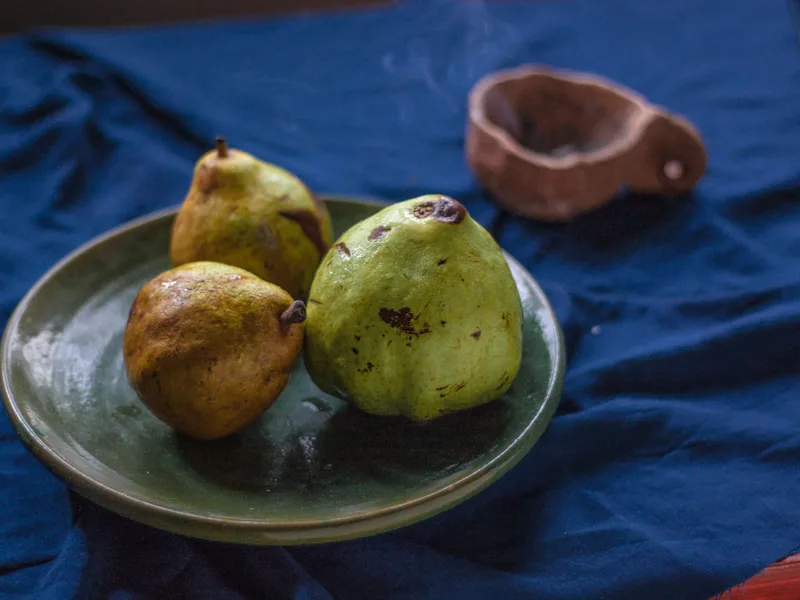
Fermenting residue
Fermenting residue from rice, beans and vegetable scraps under Jarwal bins provides an excellent nutrition source for fly development at speed.
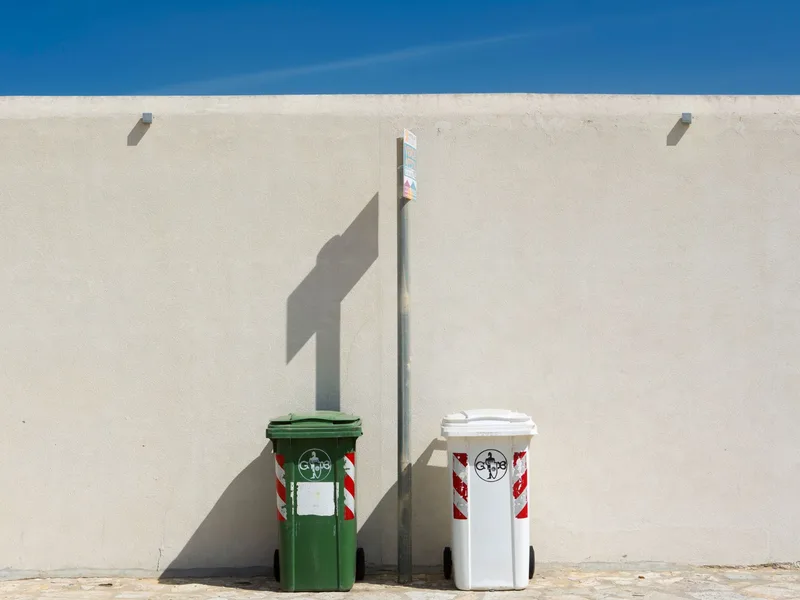
The bin base
The bin base in Jarwal fills quickly and becomes a stagnant pool of liquids and waste, creating ideal breeding conditions for flies.
The film inside a drain
The film inside drainage in shared bathrooms forms rapidly from water, bacteria and dirt, providing an excellent medium for fly larvae.
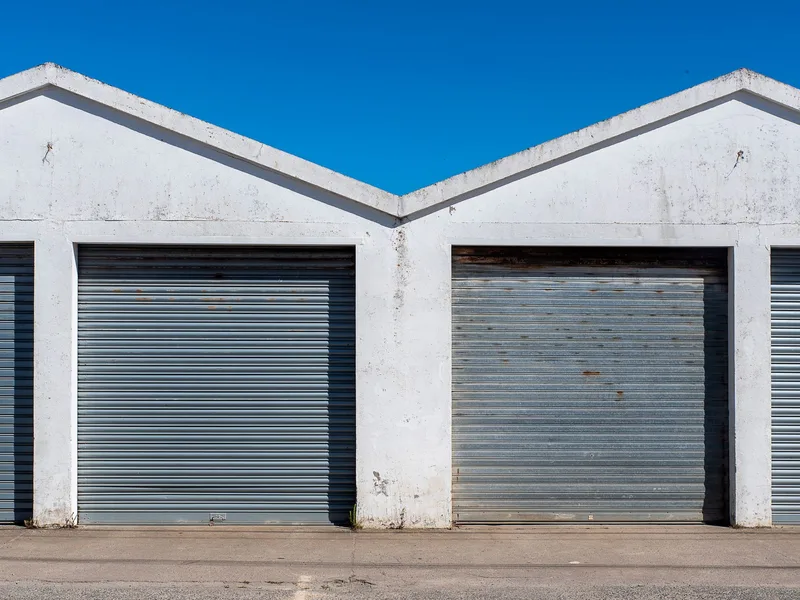
The service door and its mesh
The service door and its mesh in shared kitchens are often broken or absent, so flies enter freely.
How we work
-
1
Inspect and trace the source
We trace the flies back to their medium: waste and the bin area, floor traps, drain runs and any standing organic wetness, and we identify the species from its size, its flight and where it settles.
-
2
Treat the breeding medium
Washing and scouring bin bases and floor traps, and a foam that treats the film inside the pipe, because removing the medium is the only thing that stops production.
-
3
Treat the resting surfaces
A fly spends most of its time settled on ceilings, cables, the tops of walls and the sunlit wall outside the door, and that is where the residual and the bait go, not into the air.
-
4
Proofing and the follow-up
We close the ways in and sort out the screens and the doors, then come back on a date matching the emergence of the pupae that were already in the medium on the first visit.
What fly control includes
-

A source tracing inspection
The species, the breeding medium and the route in, established before anything is applied.
-

Drains and floor traps
Scouring the film stuck inside the pipe and treating it with foam, which is where drain flies come from and almost nowhere else.
-

Residual on the resting surfaces
Ceilings, cables, the tops of walls and the sunlit wall outside the door, kept off food preparation surfaces.
-

Fly bait in protected positions
An attractant bait set at bin areas and service entrances, out of reach of children and pets and away from food.
-

Aftercare instructions
Ventilation, what to cover, and what needs a screen, an air curtain or a different waste routine.
-

A scheduled follow-up
A set date matching the emergence of the pupae, and re-treatment of any source still producing.
What is different about Al Ghazza Sub-Municipality
Al Ghazza sub municipality wraps around the north and west of the Grand Mosque, from Al Shamiyah, Al Qararah and Shaib Amir round to Jarwal and Al Taysir. Large tracts were cleared for the northern expansion and the Rua Al Haram scheme, leaving excavated ground and open construction sites beside ageing blocks that now serve as dense seasonal lodgings in Jarwal and Al Taysir. Old flood paths still fall from Jabal Qaiqaan and Jabal Khandamah towards the mosque, and markets and eateries crowd Al Masjid Al Haram Road and Umm Al Qura Road.
Questions about this district
Are flies in Jarwal different during Umrah season compared to other times?
Extremely different. Peak Umrah brings fly numbers to massive levels and single treatment does not suffice; treatment must be nearly continuous.
Is a small pilgrimage hotel a smaller fly source than a large one?
A small poorly maintained hotel may be worse, because guests are concentrated in tiny space and food waste is not cleared promptly.
Is pre season treatment enough on its own?
No. Pre season treatment reduces baseline numbers but cannot prevent new pressure; incoming guests bring flies from the roads with them.
Is waste type different in a budget hotel versus a luxury one?
Yes. Budget hotels store waste in small bins with poor storage, while luxury hotels may have better drainage systems and waste management.
Are shared bathroom facilities a primary fly source?
Yes strongly. Permanent moisture, standing water and deposits under pipes create ideal conditions for flies year round.
Is treating a single hotel sufficient or must the whole alley be treated?
Treating one hotel reduces problems there, but flies move from adjacent hotels and the street, so coordinated area treatment works better in Jarwal.
How much does fly control in Jarwal cost?
It is set after the inspection, because the price follows the type of infestation, the size of the space, how far it has spread and the number of visits it needs. Send a photo and a description on WhatsApp and we will give you an estimate before we reach Jarwal.
Nearby districts we cover
Other services in Jarwal
Other services we provide to residents of Jarwal.
-
 Residential
Cockroach control
Residential
Cockroach control
-
 Residential
Bed bug control
Residential
Bed bug control
-
 Residential
Termite control
Residential
Termite control
-
 Residential
Rodents and mice
Residential
Rodents and mice
-
 Residential
Mosquito control
Residential
Mosquito control
-
 Residential
Ant control
Residential
Ant control
-
 Residential
Gecko control
Residential
Gecko control
-
 Residential
Scorpion control
Residential
Scorpion control
-
 Residential
Snake control
Residential
Snake control
-
 Residential
Flea control
Residential
Flea control
-
 Residential
Bird and pigeon control
Residential
Bird and pigeon control
-
 Residential
Preventive treatment
Residential
Preventive treatment
-
 Residential
Disinfection
Residential
Disinfection
-
 Commercial
Annual contracts
Commercial
Annual contracts
-
 Commercial
Restaurants and cafes
Commercial
Restaurants and cafes
-
 Commercial
Hotels and apartments
Commercial
Hotels and apartments
-
 Commercial
Warehouses and factories
Commercial
Warehouses and factories
-
 Commercial
Schools and nurseries
Commercial
Schools and nurseries
-
 Commercial
Retail and malls
Commercial
Retail and malls
-
 Commercial
Rest houses and farms
Commercial
Rest houses and farms
-
 Commercial
Fumigation
Commercial
Fumigation
-
 Water tanks
Water tank cleaning
Water tanks
Water tank cleaning
-
 Water tanks
Water tank sterilization
Water tanks
Water tank sterilization
-
 Water tanks
Water tank sealing
Water tanks
Water tank sealing
-
 Water tanks
Tank leak repair
Water tanks
Tank leak repair
Need fly control in Jarwal? Tell us what you saw and we will tell you what it needs
We reach Jarwal at a time we agree, and you get the full cost before we start.