
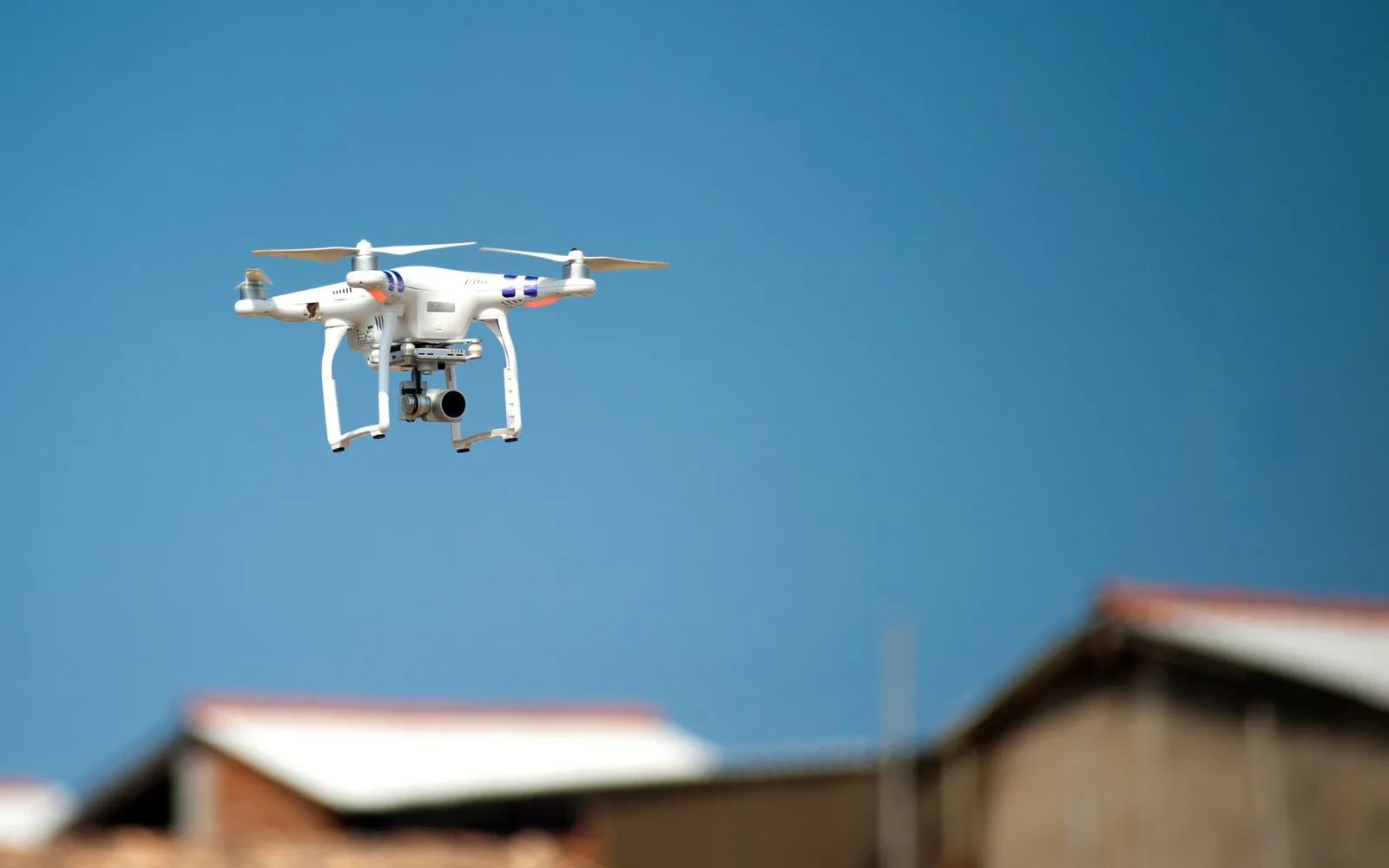
Fly control in Al Taysir Makkah
Al Taysir comprises tall apartment blocks with restaurants and shops on the ground floors, and flies climb from the kitchens below to the flats above through shared roofs, gaps and common ducting. Fly control here focuses on blocking the migration routes between storeys, because treating a flat alone leaves the breeding source intact just below.
-
Targeted, not broadcast
Product goes into cracks and runways, never sprayed across open surfaces.
-
Told before we start
What we will use, where it goes, and what to cover or move before we arrive.
-
A follow-up visit
We return after the first treatment, because what survives it does not show on the day.
-
Homes and businesses
Apartments and villas, and kitchens and stores that need a record of each visit.
Why they keep coming back in Al Taysir
Flats on upper storeys here receive flies daily from restaurants on the ground floor, and summer months see migration peaks as flies climb to cooler heights through shared facilities. The method is set out in full on the full Fly control page.
Ground floor restaurants are a continuous unbroken source
Restaurants and shops occupying ground floors of Al Taysir buildings operate from dawn until late evening, and flies breed prolifically in waste, cooking oils and food scraps. Flies climb building exteriors and through openings seeking shelter in the cooler flats above, and a single building may need unified treatment because treating one flat whilst the ground floor operates does not break the cycle.
Lifts and shared staircases are fly thoroughfares between floors
Flies use lifts and staircases as transit routes between storeys, especially in summer when seeking cool refuge. Treating a single flat may block direct entry for a time, but flies arrive from the lift shafts and shared stairwells in the same building or the next one over, making the flat treatment incomplete unless the common areas are addressed.
Shared roofs and unsealed openings allow entry from above
Common roofs in Al Taysir collect moisture, debris and organic waste, and gaps between storeys and unsealed service entries offer easy access downwards. Treating the exterior roof and openings is as critical as treating the flat interior, because flies enter from above where building waste accumulates.
Landmarks of Al Taysir
Al Taysir flats sit directly west of the Grand Mosque along Al Taysir Street and spread between Umm Al Qura Road to the south and the residential blocks to the north. Treatment begins with the restaurants and drainage channels on the ground floors, since this is where flies breed before climbing to upper storeys through shared facilities.
- Al Taysir Street
- Umm Al Qura Road
- King Abdulaziz Hospital
- The Grand Mosque
Where the flies are actually coming from
A dense multi storey residential district with concentrated shops and eateries along Al Taysir Street, where shared roofs, common entrances and service shafts provide direct pathways for flies between floors.
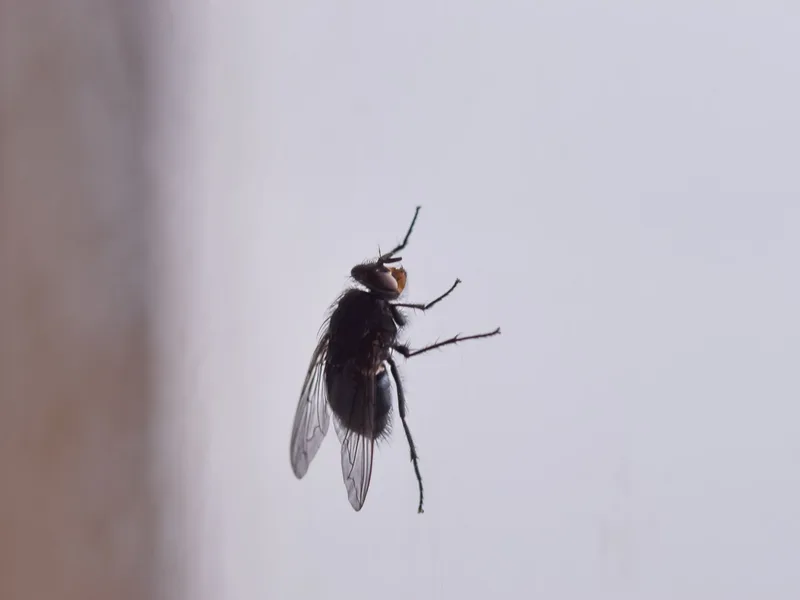
House fly
House flies breed in restaurant waste, cooking oils and accumulated debris on ground floors and shared roofs, then climb seeking cooler shelter in the flats above.
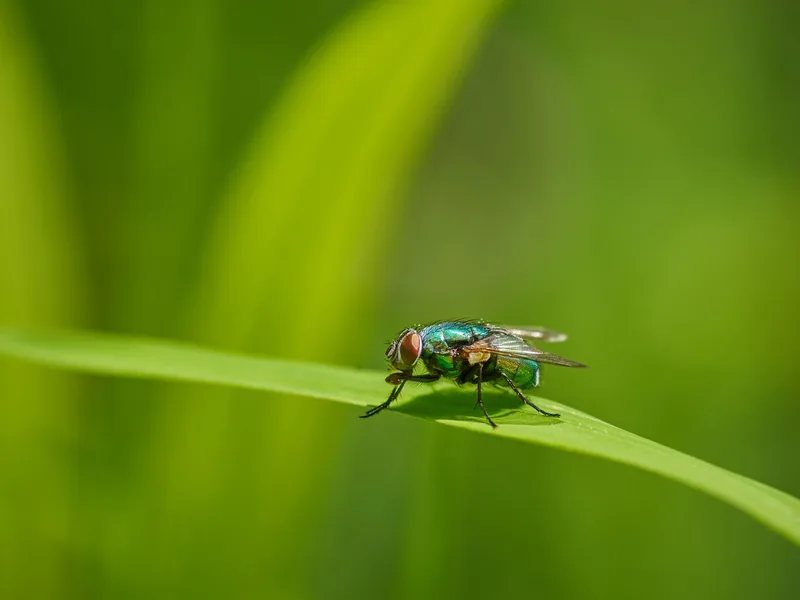
Blow fly
Blow flies reach from distant markets but find in restaurant waste and open drainage channels a matching breeding habitat and rapidly multiply there.
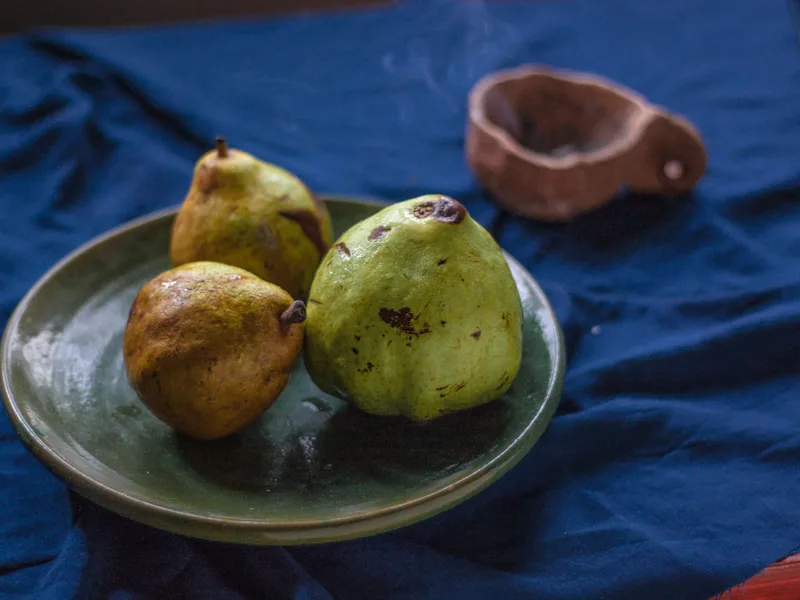
Fermenting residue
Decomposing food scraps and oils in drain runs from restaurants form a powerful breeding medium throughout, and roof moisture from cleaning keeps it active.
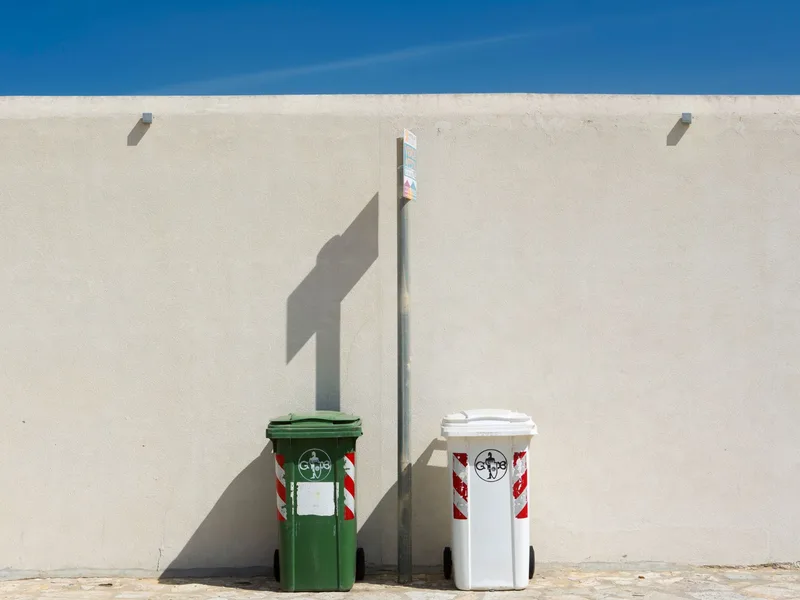
The bin base
Rubbish bins outside restaurants on the ground and side elevations collect moisture and organic waste, becoming a major breeding centre operating continuously.
The film inside a drain
Drainage pipes from restaurant kitchens carry decomposing food matter that runs beneath roofs and shared areas, creating a live biofilm attracting flies far and wide.

The service door and its mesh
Roof openings, lift shafts and common vents need tight sealing because flies use them as entry points when seeking refuge from heat, particularly during peak summer.
How we work
-
1
Inspect and trace the source
We trace the flies back to their medium: waste and the bin area, floor traps, drain runs and any standing organic wetness, and we identify the species from its size, its flight and where it settles.
-
2
Treat the breeding medium
Washing and scouring bin bases and floor traps, and a foam that treats the film inside the pipe, because removing the medium is the only thing that stops production.
-
3
Treat the resting surfaces
A fly spends most of its time settled on ceilings, cables, the tops of walls and the sunlit wall outside the door, and that is where the residual and the bait go, not into the air.
-
4
Proofing and the follow-up
We close the ways in and sort out the screens and the doors, then come back on a date matching the emergence of the pupae that were already in the medium on the first visit.
What fly control includes
-

A source tracing inspection
The species, the breeding medium and the route in, established before anything is applied.
-

Drains and floor traps
Scouring the film stuck inside the pipe and treating it with foam, which is where drain flies come from and almost nowhere else.
-

Residual on the resting surfaces
Ceilings, cables, the tops of walls and the sunlit wall outside the door, kept off food preparation surfaces.
-

Fly bait in protected positions
An attractant bait set at bin areas and service entrances, out of reach of children and pets and away from food.
-

Aftercare instructions
Ventilation, what to cover, and what needs a screen, an air curtain or a different waste routine.
-

A scheduled follow-up
A set date matching the emergence of the pupae, and re-treatment of any source still producing.
What is different about Al Ghazza Sub-Municipality
Al Ghazza sub municipality wraps around the north and west of the Grand Mosque, from Al Shamiyah, Al Qararah and Shaib Amir round to Jarwal and Al Taysir. Large tracts were cleared for the northern expansion and the Rua Al Haram scheme, leaving excavated ground and open construction sites beside ageing blocks that now serve as dense seasonal lodgings in Jarwal and Al Taysir. Old flood paths still fall from Jabal Qaiqaan and Jabal Khandamah towards the mosque, and markets and eateries crowd Al Masjid Al Haram Road and Umm Al Qura Road.
Questions about this district
Are the flies in my flat coming from the restaurant below or from a neighbouring flat?
Both sources are probable. Flies from the restaurant climb exterior walls and enter through windows and drain outlets. Flies from neighbouring flats pass through wall gaps and shared vents. Treating your flat alone may fail if these sources remain active, so identifying the entry route first makes treatment far more effective.
Is treating my flat alone sufficient or must the entire building be treated?
If restaurants operate on the ground floor of your building, treating your flat stops flies entering it but breeding continues below you. For lasting results, treating the ground floor, common areas, roofs and service shafts is equally necessary, otherwise flies return from the active source underneath.
Why do the flies disappear for a week after treatment and then return?
Adult flies die but larvae and pupae in waste, on roofs and in openings continue developing. One treatment kills the adults but a second visit two weeks later catches the new generation emerging. If building sources and drains are untreated, flies return from restaurants and neighbouring buildings.
Will cleaning the restaurant below stop flies appearing in my flat?
Cleaning reduces flies but does not eliminate them. Al Taysir restaurants are constantly busy and food waste and oils accumulate rapidly. Flies continue breeding in hidden sources below. Treating the restaurant, roofs, shared spaces and your flat together works far better than treating any one element alone.
Is roof moisture a breeding ground or merely a fly shelter?
Roof moisture is a breeding source when combined with food waste and organic matter from the floors below. Flies lay eggs in damp organic places. The shared roof is not merely shelter; it is an actual breeding site producing new flies every two days if left untreated.
Is fly pressure in Al Taysir worse than other Makkah districts because of concentrated restaurants?
Yes. The dense restaurant concentration in Al Taysir provides continuous food and breeding material, making flies reproduce faster here than in purely residential districts. Lighter months exist but year round treatment is necessary, not seasonal work, because the restaurant source never stops.
How much does fly control in Al Taysir cost?
It is set after the inspection, because the price follows the type of infestation, the size of the space, how far it has spread and the number of visits it needs. Send a photo and a description on WhatsApp and we will give you an estimate before we reach Al Taysir.
Nearby districts we cover
Other services in Al Taysir
Other services we provide to residents of Al Taysir.
-
 Residential
Cockroach control
Residential
Cockroach control
-
 Residential
Bed bug control
Residential
Bed bug control
-
 Residential
Termite control
Residential
Termite control
-
 Residential
Rodents and mice
Residential
Rodents and mice
-
 Residential
Mosquito control
Residential
Mosquito control
-
 Residential
Ant control
Residential
Ant control
-
 Residential
Gecko control
Residential
Gecko control
-
 Residential
Scorpion control
Residential
Scorpion control
-
 Residential
Snake control
Residential
Snake control
-
 Residential
Flea control
Residential
Flea control
-
 Residential
Bird and pigeon control
Residential
Bird and pigeon control
-
 Residential
Preventive treatment
Residential
Preventive treatment
-
 Residential
Disinfection
Residential
Disinfection
-
 Commercial
Annual contracts
Commercial
Annual contracts
-
 Commercial
Restaurants and cafes
Commercial
Restaurants and cafes
-
 Commercial
Hotels and apartments
Commercial
Hotels and apartments
-
 Commercial
Warehouses and factories
Commercial
Warehouses and factories
-
 Commercial
Schools and nurseries
Commercial
Schools and nurseries
-
 Commercial
Retail and malls
Commercial
Retail and malls
-
 Commercial
Rest houses and farms
Commercial
Rest houses and farms
-
 Commercial
Fumigation
Commercial
Fumigation
-
 Water tanks
Water tank cleaning
Water tanks
Water tank cleaning
-
 Water tanks
Water tank sterilization
Water tanks
Water tank sterilization
-
 Water tanks
Water tank sealing
Water tanks
Water tank sealing
-
 Water tanks
Tank leak repair
Water tanks
Tank leak repair
Need fly control in Al Taysir? Tell us what you saw and we will tell you what it needs
We reach Al Taysir at a time we agree, and you get the full cost before we start.