
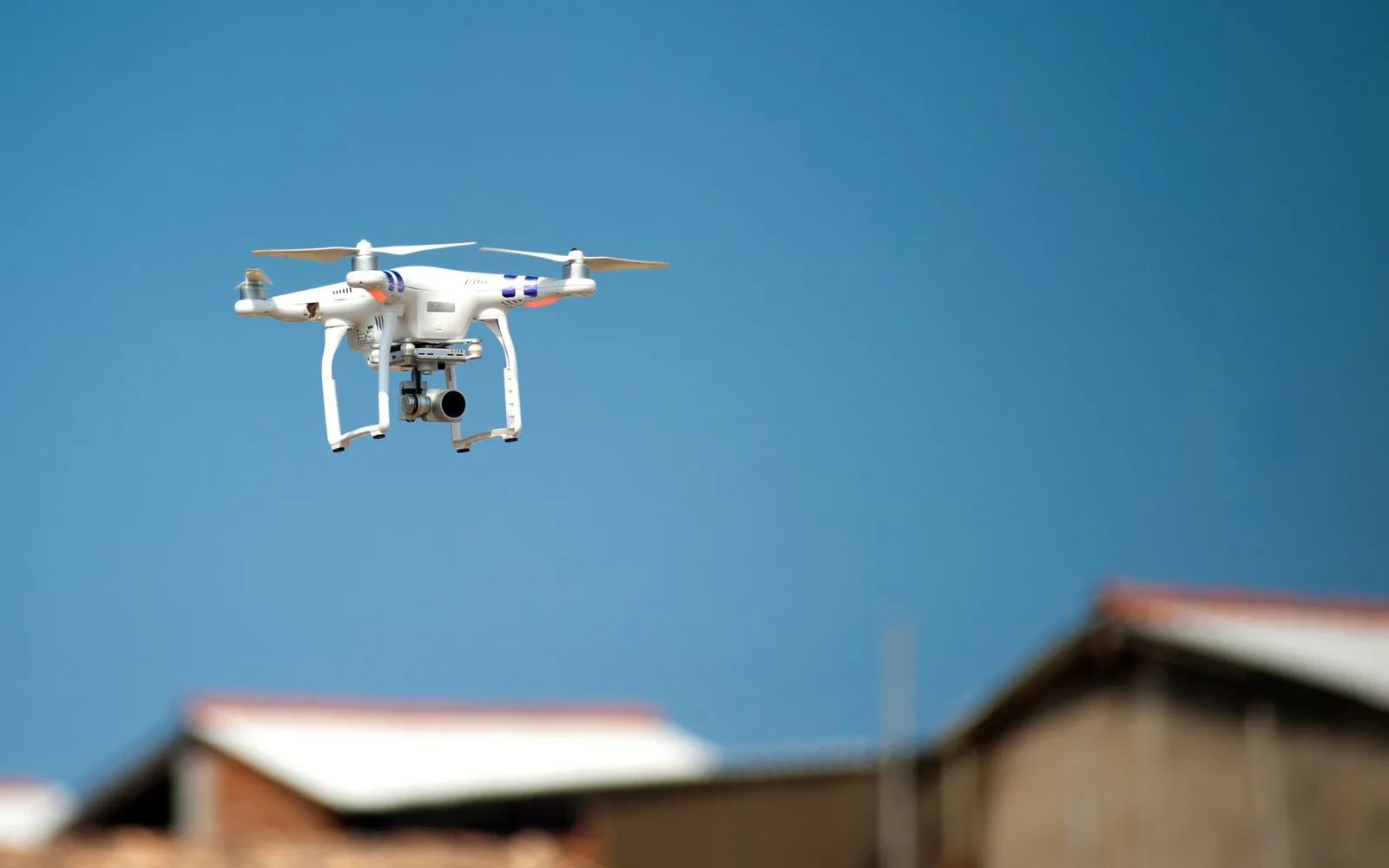
Fly control in North Obhur Jeddah
North Obhur is the northern seafront of Jeddah, lined with villas, rest houses and beach resorts along the north bank of Sharm Obhur. Sea humidity stays high throughout the year, and every villa and resort has irrigated gardens and green spaces. Flies breed in standing water, irrigation pools and damp areas constantly. We focus first on the permanent water sources in these irrigated gardens.
-
Targeted, not broadcast
Product goes into cracks and runways, never sprayed across open surfaces.
-
Told before we start
What we will use, where it goes, and what to cover or move before we arrive.
-
A follow-up visit
We return after the first treatment, because what survives it does not show on the day.
-
Homes and businesses
Apartments and villas, and kitchens and stores that need a record of each visit.
Why they keep coming back in North Obhur
On coastal areas like this, flies stay active year round because constant sea humidity and standing water around gardens keep them breeding without pause. The method is set out in full on what Fly control involves.
Green spaces and daily garden irrigation
Every villa, rest house and beachfront resort has irrigated gardens watered daily, and water collects in low spots and corners. The continuous moisture from irrigation combined with sea humidity creates ideal conditions for fly and mosquito breeding.
Sea humidity and salt air throughout the year
Salt laden air and sea moisture stay very high all year even in cool months. Walls, timber and green spaces are damp for most hours. This constant moisture protects eggs and larvae from drying out and supports continuous breeding.
Wadis and vacant ground offering shelter and water collection
Wadi Obhur and vacant plots between buildings provide low areas where water gathers from irrigation and rain. Wild grasses and trees offer safe shelter for flies and crawling insects to hide and breed.
Landmarks of North Obhur
North Obhur is bounded by Sharm Obhur to the south and North Obhur Beach on the seafront, with Prince Abdullah Al Faisal Street running through the area. Jeddah Tower and Jeddah Economic City are well known markers, and treatment access to villas and resorts is by Prince Abdullah Street and the coastal entrances.
- Sharm Obhur
- North Obhur Beach
- Prince Abdullah Al Faisal Street
- Jeddah Tower
- Jeddah Economic City
Where the flies are actually coming from
Directly on the Red Sea coast with high sea humidity year round even in cool months, and daily irrigated green spaces in every villa and resort that provide constant water.
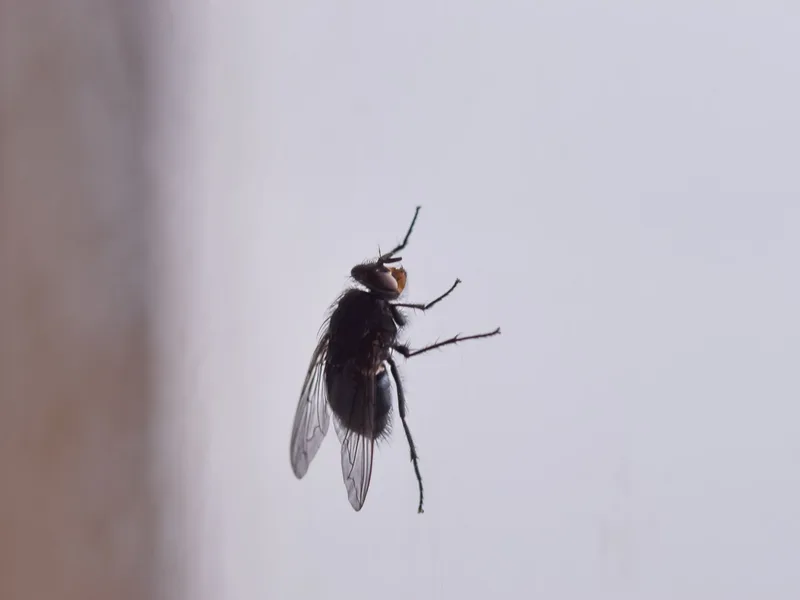
House fly
The house fly colonises the constant moisture in daily irrigated gardens, breeding rapidly in warm humid coastal conditions.
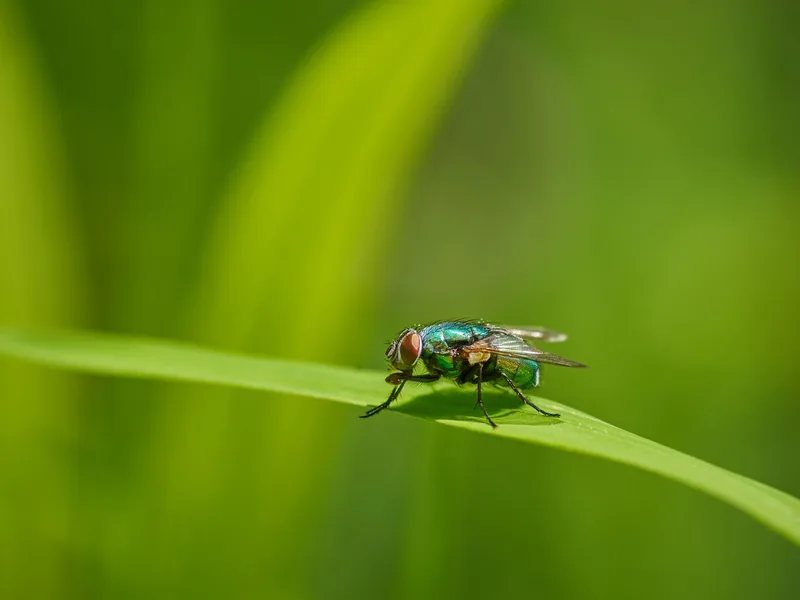
Blow fly
The blow fly prefers damp areas and decomposing plant matter in wadis and coastal gardens, laying eggs in standing water and wet grass.
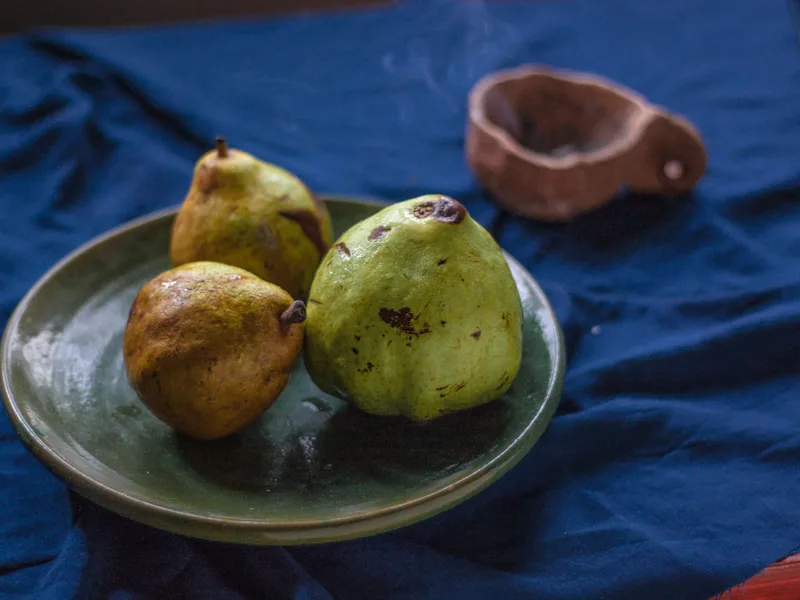
Fermenting residue
Fermenting residue collects in low spots, wadis and gardens, and sea humidity slows evaporation so it stays damp and rank.
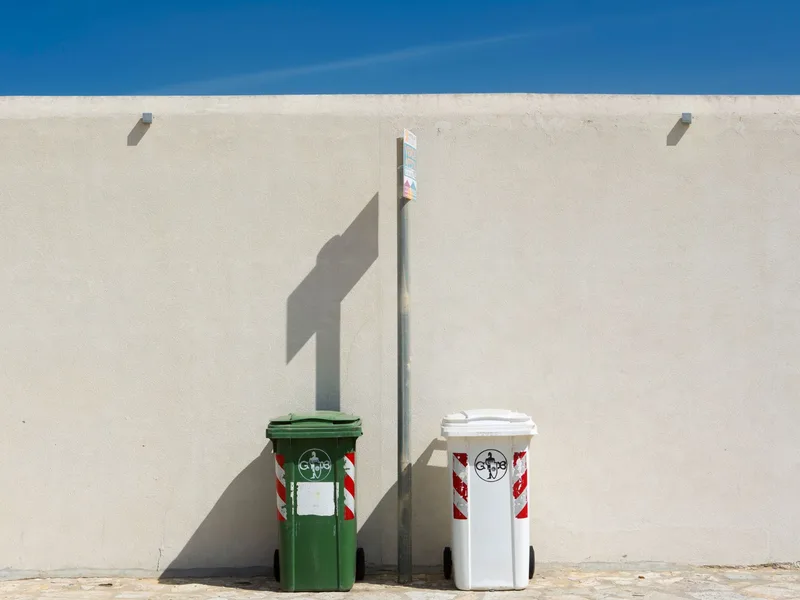
The bin base
The bin enclosure in coastal villas and resorts collects irrigation water and sea salt residue, and damp soil provides ideal pupation ground.
The film inside a drain
Biofilm in irrigation and drainage pipes in coastal gardens grows rapidly from warm water and constant moisture.
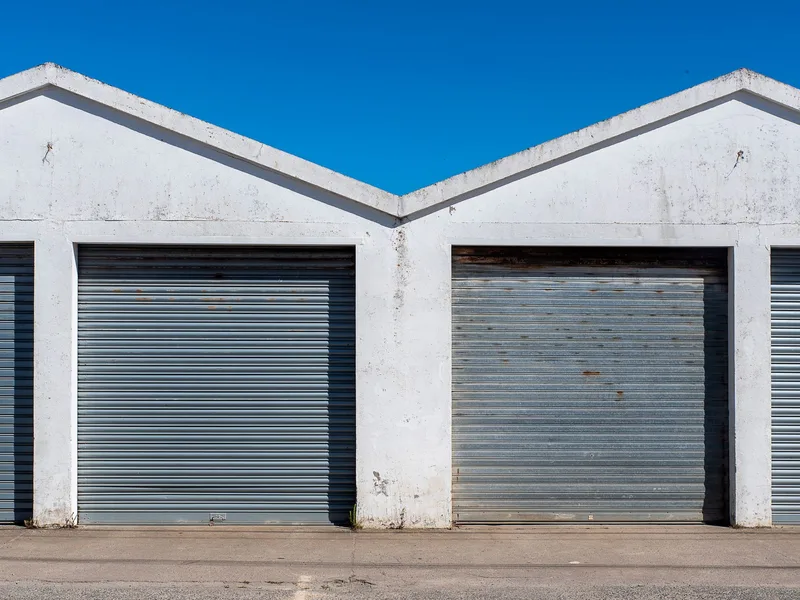
The service door and its mesh
Service doors and vent mesh in coastal villas and rest houses may be left open for ventilation from sea humidity, making them direct entry points for flies from gardens and wadis.
How we work
-
1
Inspect and trace the source
We trace the flies back to their medium: waste and the bin area, floor traps, drain runs and any standing organic wetness, and we identify the species from its size, its flight and where it settles.
-
2
Treat the breeding medium
Washing and scouring bin bases and floor traps, and a foam that treats the film inside the pipe, because removing the medium is the only thing that stops production.
-
3
Treat the resting surfaces
A fly spends most of its time settled on ceilings, cables, the tops of walls and the sunlit wall outside the door, and that is where the residual and the bait go, not into the air.
-
4
Proofing and the follow-up
We close the ways in and sort out the screens and the doors, then come back on a date matching the emergence of the pupae that were already in the medium on the first visit.
What fly control includes
-

A source tracing inspection
The species, the breeding medium and the route in, established before anything is applied.
-

Drains and floor traps
Scouring the film stuck inside the pipe and treating it with foam, which is where drain flies come from and almost nowhere else.
-

Residual on the resting surfaces
Ceilings, cables, the tops of walls and the sunlit wall outside the door, kept off food preparation surfaces.
-

Fly bait in protected positions
An attractant bait set at bin areas and service entrances, out of reach of children and pets and away from food.
-

Aftercare instructions
Ventilation, what to cover, and what needs a screen, an air curtain or a different waste routine.
-

A scheduled follow-up
A set date matching the emergence of the pupae, and re-treatment of any source still producing.
What is different about Dhahban Sub-Municipality
Dhahban sub municipality is the northern coastal strip of Jeddah, running from the north bank of Sharm Obhur up to the old village of Dhahban and Salman Bay. Its districts are recently built, with owner occupied villas and apartments, beach resorts and chalets on the shore, and land subdivisions still being developed. Nearness to the sea keeps humidity high all year, irrigated lawns in villas, resorts and district parks hold water, Wadi Obhur and the vacant plots between buildings give rodents and reptiles shelter, and the old fishing village of Dhahban gives the far north a rural edge.
Questions about this district
Does high sea humidity significantly increase fly numbers?
Yes greatly. Humidity protects eggs and larvae from drying out, so they live longer and develop better. Standing water in gardens mixed with sea humidity creates ideal breeding conditions year round.
Is it safe to treat coastal gardens in relation to marine life?
Yes, we treat away from direct seawater. We focus on gardens, green spaces and land. Products are approved and safe for the marine environment when used correctly away from the shoreline.
Are vacant plots and wadis a main source of incoming flies?
Yes, wadis and vacant ground are natural fly sources. Treating villas and resorts alone is not enough. Treating the wadis and nearby areas reduces flies migrating in from outside.
Do closed rest houses that sit empty for long periods attract insects?
Yes, rest houses and chalets left closed for long periods provide safe shelter for insects and rodents. We advise regular treatment before opening and after closing to prevent insect colonisation.
How many treatments per year does a coastal area need?
Because of constant humidity and daily irrigated green spaces, eight to twelve treatments yearly maintains control. Summer needs treatments more frequently, winter less often, but the problem exists year round.
Does treating green spaces affect fish and marine life?
No, we treat away from direct seawater. Treatment focuses on land based gardens and pools, and is entirely safe for marine life and fish.
How much does fly control in North Obhur cost?
It is set after the inspection, because the price follows the type of infestation, the size of the space, how far it has spread and the number of visits it needs. Send a photo and a description on WhatsApp and we will give you an estimate before we reach North Obhur.
Nearby districts we cover
Other services in North Obhur
Other services we provide to residents of North Obhur.
-
 Residential
Cockroach control
Residential
Cockroach control
-
 Residential
Bed bug control
Residential
Bed bug control
-
 Residential
Termite control
Residential
Termite control
-
 Residential
Rodents and mice
Residential
Rodents and mice
-
 Residential
Mosquito control
Residential
Mosquito control
-
 Residential
Ant control
Residential
Ant control
-
 Residential
Gecko control
Residential
Gecko control
-
 Residential
Scorpion control
Residential
Scorpion control
-
 Residential
Snake control
Residential
Snake control
-
 Residential
Flea control
Residential
Flea control
-
 Residential
Bird and pigeon control
Residential
Bird and pigeon control
-
 Residential
Preventive treatment
Residential
Preventive treatment
-
 Residential
Disinfection
Residential
Disinfection
-
 Commercial
Annual contracts
Commercial
Annual contracts
-
 Commercial
Restaurants and cafes
Commercial
Restaurants and cafes
-
 Commercial
Hotels and apartments
Commercial
Hotels and apartments
-
 Commercial
Warehouses and factories
Commercial
Warehouses and factories
-
 Commercial
Schools and nurseries
Commercial
Schools and nurseries
-
 Commercial
Retail and malls
Commercial
Retail and malls
-
 Commercial
Rest houses and farms
Commercial
Rest houses and farms
-
 Commercial
Fumigation
Commercial
Fumigation
-
 Water tanks
Water tank cleaning
Water tanks
Water tank cleaning
-
 Water tanks
Water tank sterilization
Water tanks
Water tank sterilization
-
 Water tanks
Water tank sealing
Water tanks
Water tank sealing
-
 Water tanks
Tank leak repair
Water tanks
Tank leak repair
Need fly control in North Obhur? Tell us what you saw and we will tell you what it needs
We reach North Obhur at a time we agree, and you get the full cost before we start.