
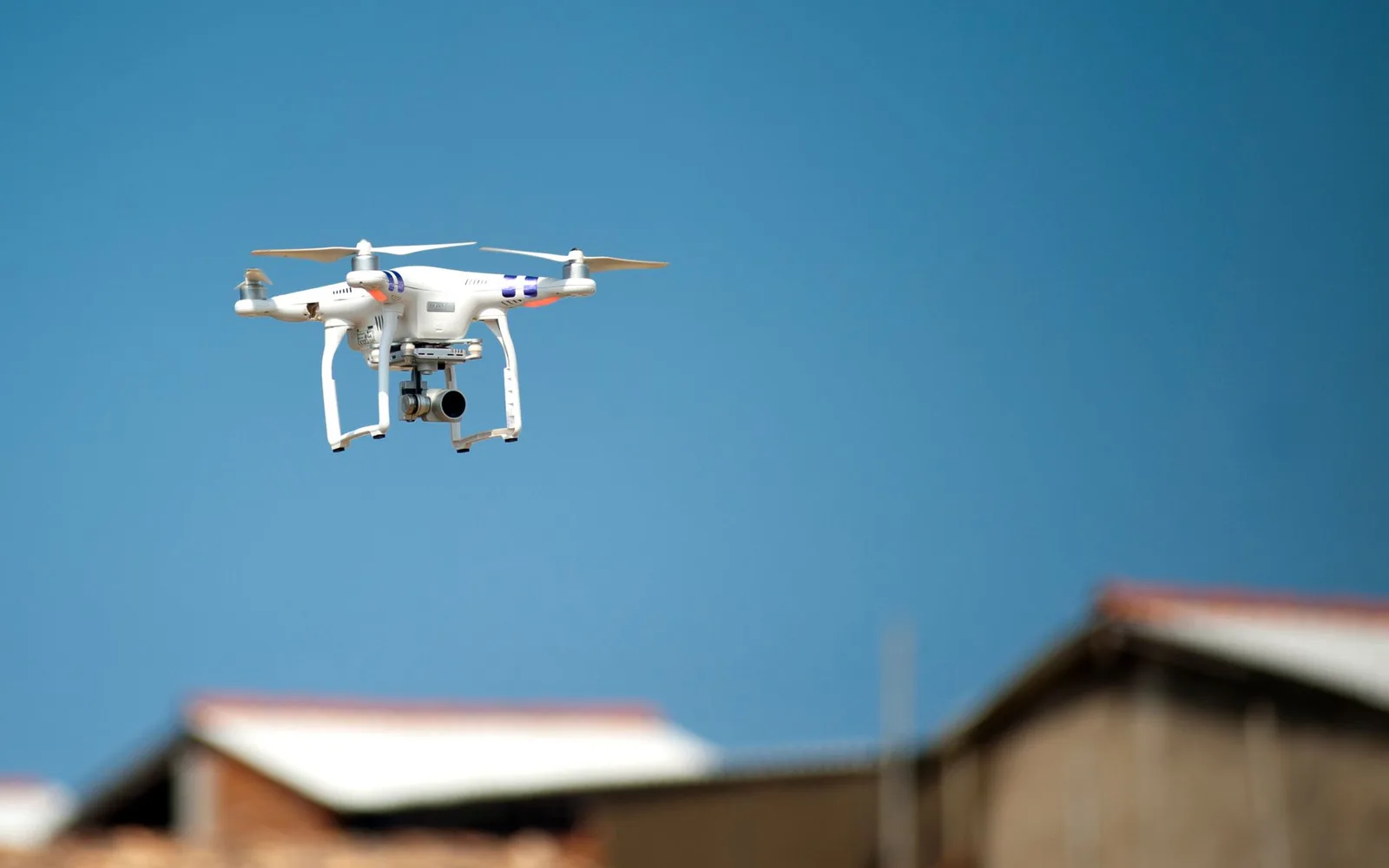
Fly control in Shaib Amir Wa Shaib Ali Makkah
Shaib Amir Wa Shaib Ali are ancient ravines north east of the Grand Mosque behind Souq Al Layl, with stone houses built close together on narrow lanes overlooking Jabal Khandamah and a history reaching back centuries. Drainage is extremely old, the stone structure holds moisture constantly, and basements and underground spaces house protected fly colonies unreachable by ordinary means.
-
Targeted, not broadcast
Product goes into cracks and runways, never sprayed across open surfaces.
-
Told before we start
What we will use, where it goes, and what to cover or move before we arrive.
-
A follow-up visit
We return after the first treatment, because what survives it does not show on the day.
-
Homes and businesses
Apartments and villas, and kitchens and stores that need a record of each visit.
Why they keep coming back in Shaib Amir Wa Shaib Ali
Flies in Shaib Amir Wa Shaib Ali breed in basements, underground voids and ancient drainage, and reaching these sources is extremely difficult because the buildings sit so close together and the lanes are so narrow. The method is set out in full on what Fly control involves.
Ageing stone and tangled drainage systems
The old homes in Shaib Amir Wa Shaib Ali are built extremely close together with extremely old and tangled drainage running beneath and between them. Moisture seeps into foundations and basements, creating ideal breeding environments for flies sheltered from light and ordinary access.
Basements and underground voids
The historic homes in both ravines have dark, damp basements or underground chambers that provide perfect shelter for fly swarms and larvae. These spaces are protected from spraying and simple treatment methods, remaining a continuous active source.
Narrow lanes and poor air circulation
The extremely narrow lanes in Shaib Amir Wa Shaib Ali mean poor ventilation and moisture concentrated around buildings. Drainage, dark spaces and damp voids between homes become breeding sites, and treatment is hindered by restricted access and crowded stone blocks.
Shaib Amir Wa Shaib Ali on the map
Shaib Amir Wa Shaib Ali sits about 0.5 km from Al Qararah Wa Al Naqa and about 1 km from Harat Al Bab Wa Al Shamiyah.
Open in Google MapsWhere the flies are actually coming from
An old historic district of tightly clustered stone buildings and extremely narrow lanes, with very aged infrastructure and ancient drainage shared between adjoining homes, constant moisture in foundations and basements.
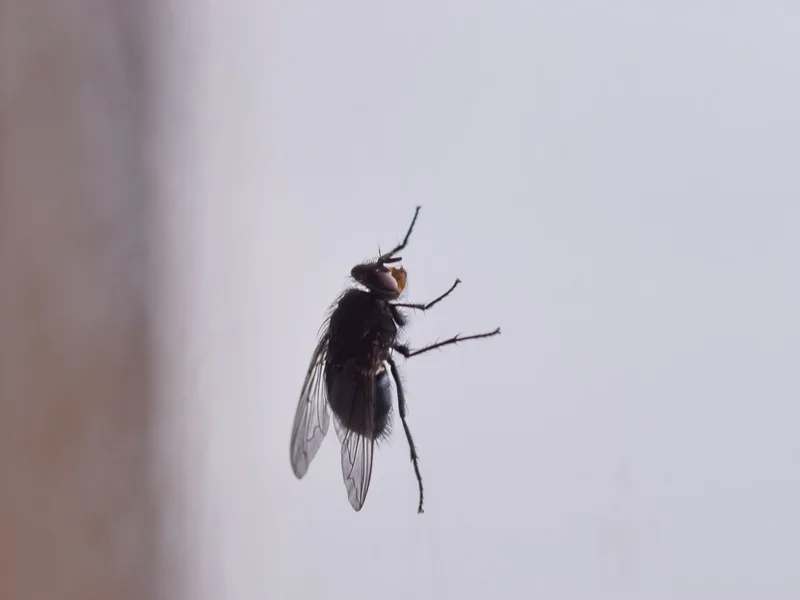
House fly
House flies breed rapidly in accumulated waste and food scraps in the damp basement and dark voids underneath the stone house.
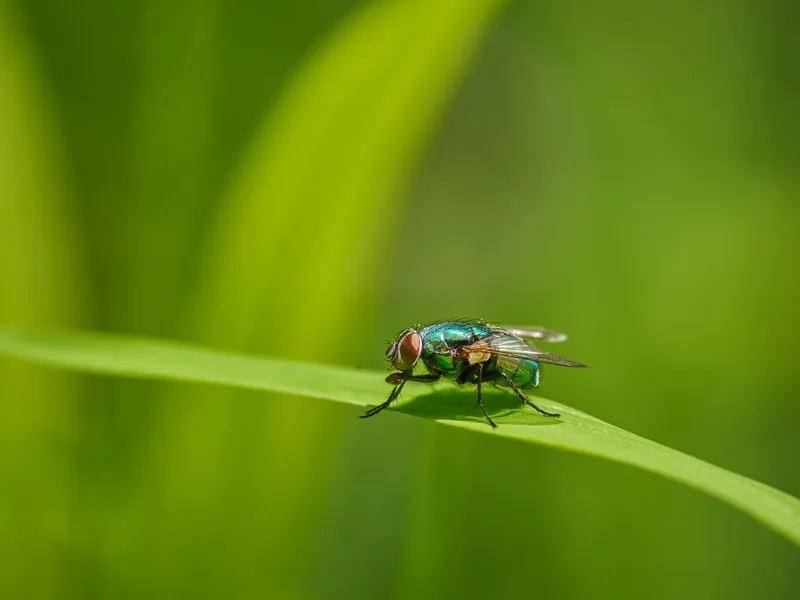
Blow fly
Blow flies search for decomposing organic matter in ancient drainage and basements, laying eggs in cracks and hidden spaces beyond simple cleaning.
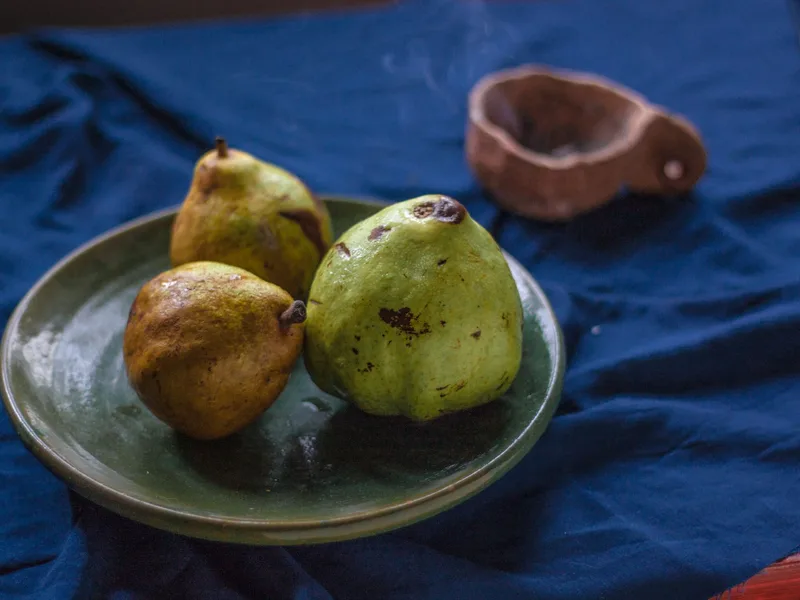
Fermenting residue
Fermenting residue builds up in very old, broken and clay-blocked pipes beneath the narrow street, creating an ideal breeding environment sheltered from light.
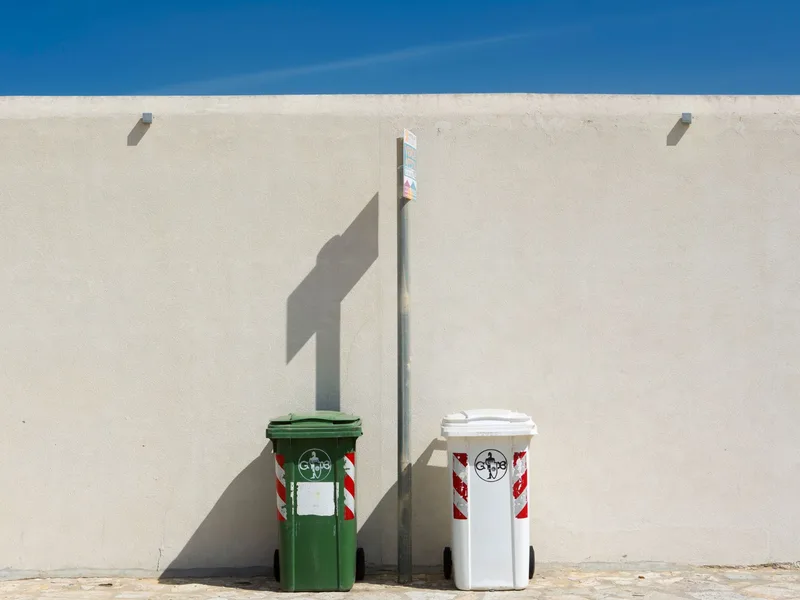
The bin base
The bin base and shared drainage collect water and waste in voids beneath the house and lane, protected from cleaning and ordinary access.
The film inside a drain
A fatty film forms in extremely old, cracked and blocked stone pipes, sheltering fly larvae and allowing them to migrate easily between neighbouring homes.

The service door and its mesh
The service door and its missing or damaged mesh lets flies enter from the narrow street, dark spaces and ancient drainage running beneath the district.
How we work
-
1
Inspect and trace the source
We trace the flies back to their medium: waste and the bin area, floor traps, drain runs and any standing organic wetness, and we identify the species from its size, its flight and where it settles.
-
2
Treat the breeding medium
Washing and scouring bin bases and floor traps, and a foam that treats the film inside the pipe, because removing the medium is the only thing that stops production.
-
3
Treat the resting surfaces
A fly spends most of its time settled on ceilings, cables, the tops of walls and the sunlit wall outside the door, and that is where the residual and the bait go, not into the air.
-
4
Proofing and the follow-up
We close the ways in and sort out the screens and the doors, then come back on a date matching the emergence of the pupae that were already in the medium on the first visit.
What fly control includes
-

A source tracing inspection
The species, the breeding medium and the route in, established before anything is applied.
-

Drains and floor traps
Scouring the film stuck inside the pipe and treating it with foam, which is where drain flies come from and almost nowhere else.
-

Residual on the resting surfaces
Ceilings, cables, the tops of walls and the sunlit wall outside the door, kept off food preparation surfaces.
-
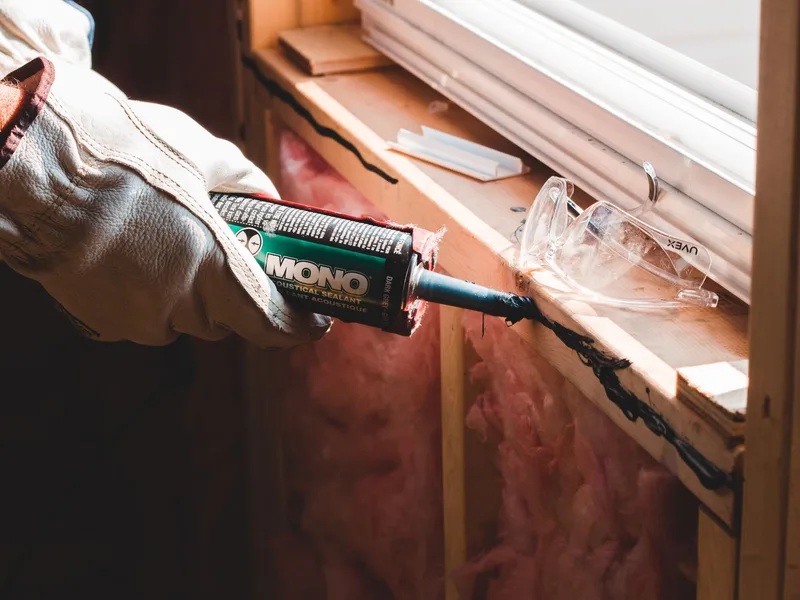
Fly bait in protected positions
An attractant bait set at bin areas and service entrances, out of reach of children and pets and away from food.
-

Aftercare instructions
Ventilation, what to cover, and what needs a screen, an air curtain or a different waste routine.
-

A scheduled follow-up
A set date matching the emergence of the pupae, and re-treatment of any source still producing.
What is different about Al Ghazza Sub-Municipality
Al Ghazza sub municipality wraps around the north and west of the Grand Mosque, from Al Shamiyah, Al Qararah and Shaib Amir round to Jarwal and Al Taysir. Large tracts were cleared for the northern expansion and the Rua Al Haram scheme, leaving excavated ground and open construction sites beside ageing blocks that now serve as dense seasonal lodgings in Jarwal and Al Taysir. Old flood paths still fall from Jabal Qaiqaan and Jabal Khandamah towards the mosque, and markets and eateries crowd Al Masjid Al Haram Road and Umm Al Qura Road.
Questions about this district
Are the flies in my home coming from the old basement or from shared drainage with neighbours?
Both are connected as one source. The damp basement and shared drainage are linked, and flies move easily from the basement to upper floors through cracks and openings. Treating the house interior alone will not solve the problem without treating the basement and shared pipes.
Will cleaning the basement and underground spaces be enough or is chemical spraying necessary?
Cleaning removes moisture and waste but flies, larvae and pupae deep in cracks do not disappear by cleaning alone. Chemical treatment of the basement and ancient drainage is essential to eliminate the source, not merely clear the void.
How do the extremely narrow lanes make the fly problem worse in this district?
Narrow lanes provide shade, poor air circulation and concentrated moisture. Flies hide and breed easily because light and air cannot reach. Treatment must include the lanes and voids between buildings.
Does having many flies mean my neighbours have not treated their homes?
Possibly, but the true source is the shared drainage, the basement beneath the lane and the voids between houses. A very clean home may still have abundant flies if the shared drainage and basements are infested.
If we treat inside the home must the street and exterior voids also be treated?
Yes, it is essential. The main source lies in the drainage, basements and spaces between buildings, and ignoring them means flies return quickly. Effective treatment includes the home, the street and all shared voids.
How many times per year must homes in Shaib Amir Wa Shaib Ali be treated?
Four to six times yearly because constant moisture in basements and old drainage never stops breeding. Wet and dry seasons make little difference because the ageing stone structure provides moisture all year.
How much does fly control in Shaib Amir Wa Shaib Ali cost?
It is set after the inspection, because the price follows the type of infestation, the size of the space, how far it has spread and the number of visits it needs. Send a photo and a description on WhatsApp and we will give you an estimate before we reach Shaib Amir Wa Shaib Ali.
Nearby districts we cover
Other services in Shaib Amir Wa Shaib Ali
Other services we provide to residents of Shaib Amir Wa Shaib Ali.
-
 Residential
Cockroach control
-
 Residential
Bed bug control
-
 Residential
Termite control
-
 Residential
Rodents and mice
Need fly control in Shaib Amir Wa Shaib Ali? Tell us what you saw and we will tell you what it needs
We reach Shaib Amir Wa Shaib Ali at a time we agree, and you get the full cost before we start.