
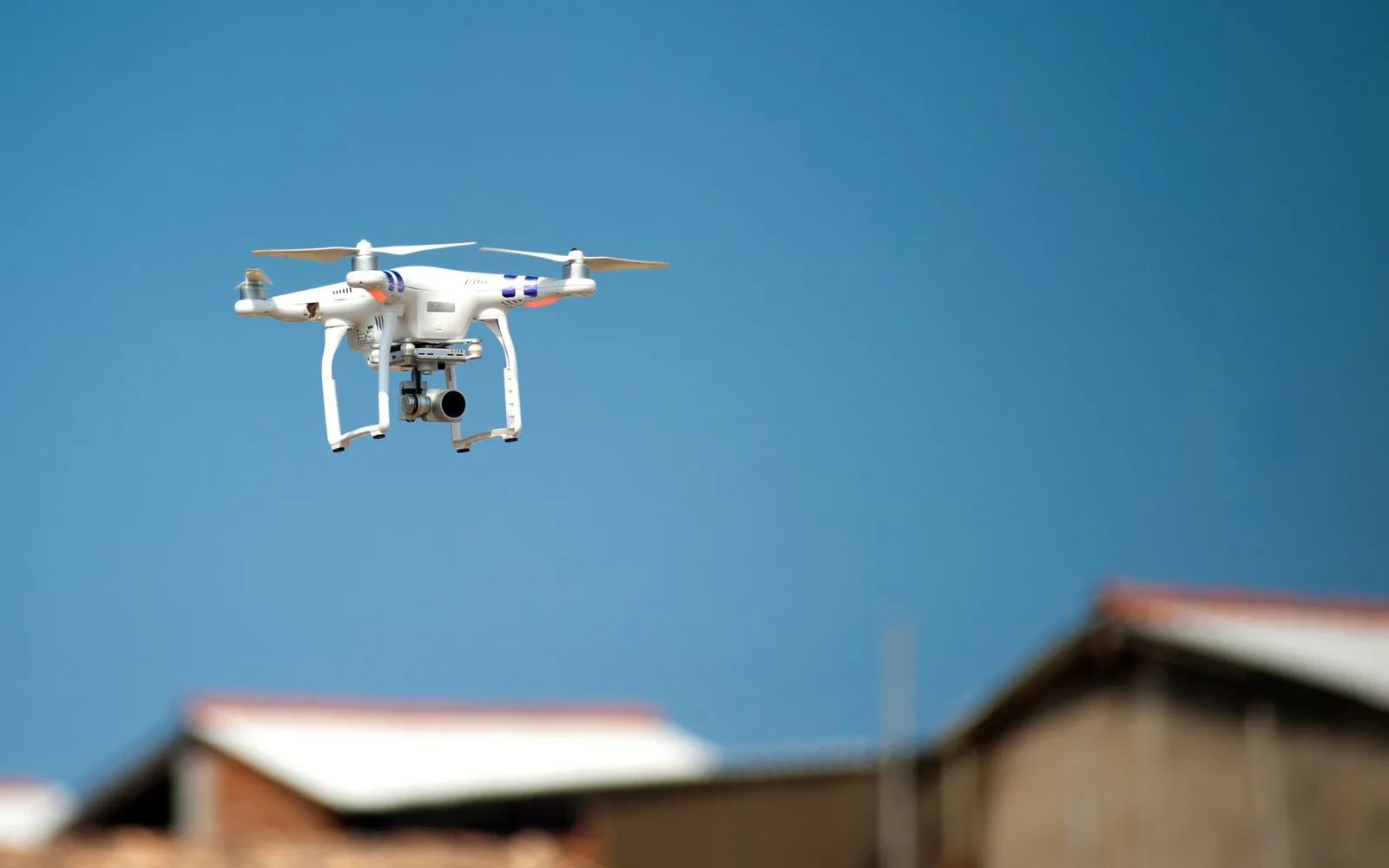
Fly control in Al Qararah Wa Al Naqa Makkah
Al Qararah Wa Al Naqa is a new development north east of the Grand Mosque, where ongoing construction and vacant plots sit between newly built homes. Flies here thrive on abandoned building materials, standing water and unsorted waste that has not yet been properly managed or cleared from the site.
-
Targeted, not broadcast
Product goes into cracks and runways, never sprayed across open surfaces.
-
Told before we start
What we will use, where it goes, and what to cover or move before we arrive.
-
A follow-up visit
We return after the first treatment, because what survives it does not show on the day.
-
Homes and businesses
Apartments and villas, and kitchens and stores that need a record of each visit.
Why they keep coming back in Al Qararah Wa Al Naqa
Every week of building activity opens new pools of water between the freshly built structures, and each pool becomes a fly breeding site within a matter of days as material settles and organic matter accumulates. The method is set out in full on the full Fly control page.
Standing water pools between building lots
Active construction leaves depressions and ground hollows that fill with rainwater and water used in the work, where it pools and stagnates for days. Each pool offers an ideal breeding site where tens of thousands of fly larvae develop before dispersing.
Scattered construction waste from the work sites
Workers discard food scraps and used materials into open areas with no organised collection or removal, and this waste provides direct nutrition for adult flies and encourages reproduction at an accelerated rate.
Incomplete sewerage networks that are still being laid
New pipes are not yet connected to all the plots or have not been fully commissioned, so wastewater collects temporarily in shared areas. This creates a protected breeding environment for fly larvae sheltered from weather and most surface controls.
Al Qararah Wa Al Naqa on the map
Al Qararah Wa Al Naqa sits about 0.5 km from Shaib Amir Wa Shaib Ali and about 0.5 km from Harat Al Bab Wa Al Shamiyah.
Open in Google MapsWhere the flies are actually coming from
Vacant land and active construction leave behind rubble, dust and pools of standing water, whilst unfinished utility networks create unregulated shelter for insects that have nowhere else to establish.
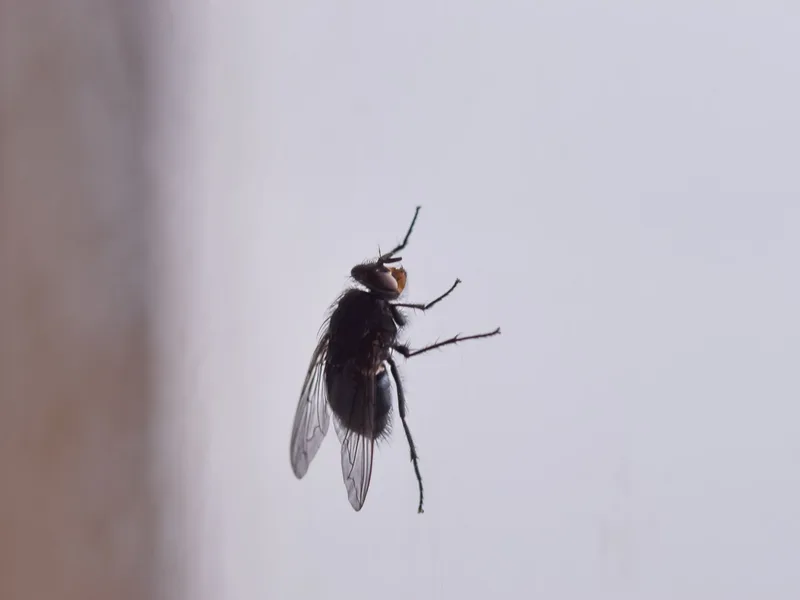
House fly
House flies enter the new buildings through temporary openings in uncompleted doors and windows, and the empty internal structures provide sheltered refuge from weather.
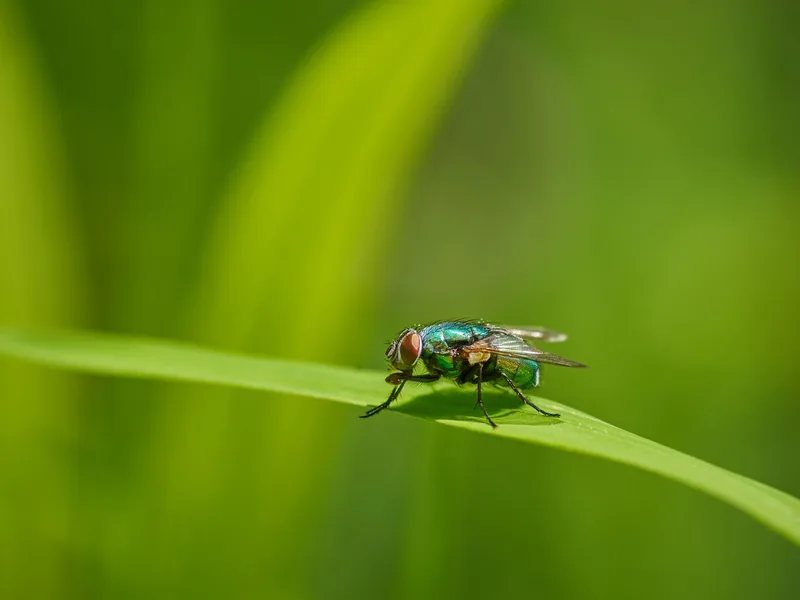
Blow fly
Blow flies favour standing pools and stagnant water for egg laying, and the construction site offers abundant breeding pools throughout the building season.
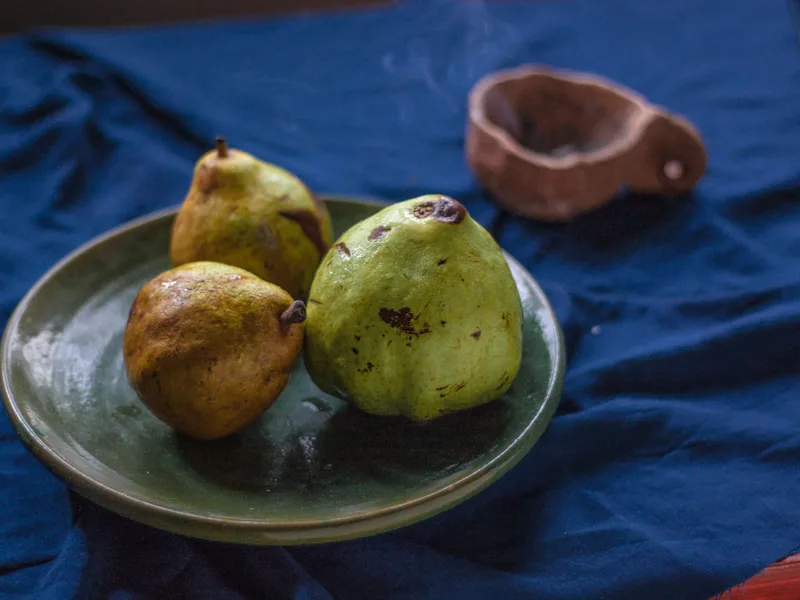
Fermenting residue
Fermenting residue from food scraps and organic waste discarded by workers becomes a fly development source within days, especially in warm pockets between buildings.
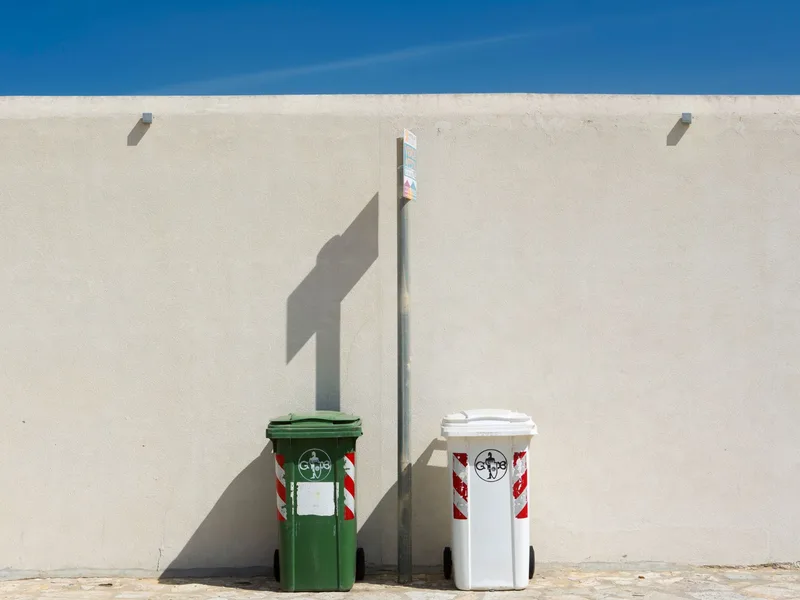
The bin base
The bin base at work sites empties daily but residual waste and liquids remain on the ground, creating a renewed breeding environment that replenishes itself.
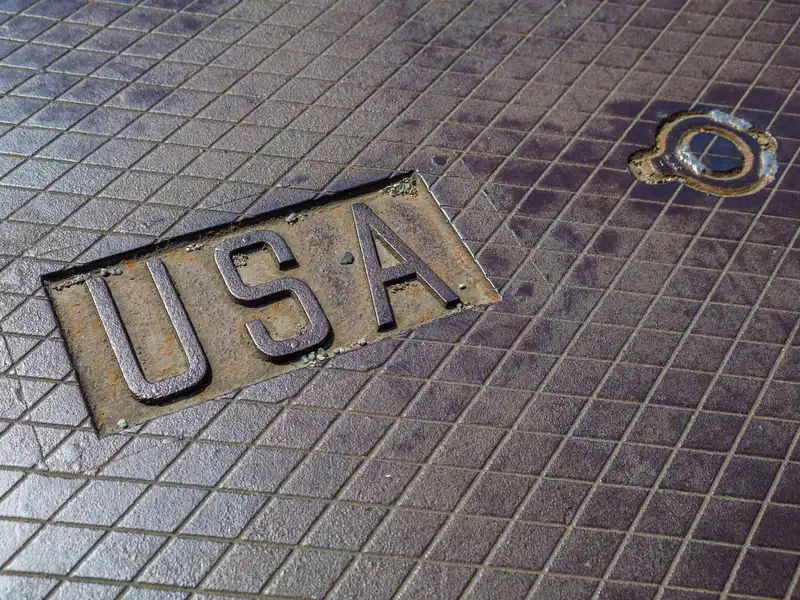
The film inside a drain
Biofilm on standing water forms rapidly in any pools that persist for more than a single day, providing larvae with protection against surface-level treatments.
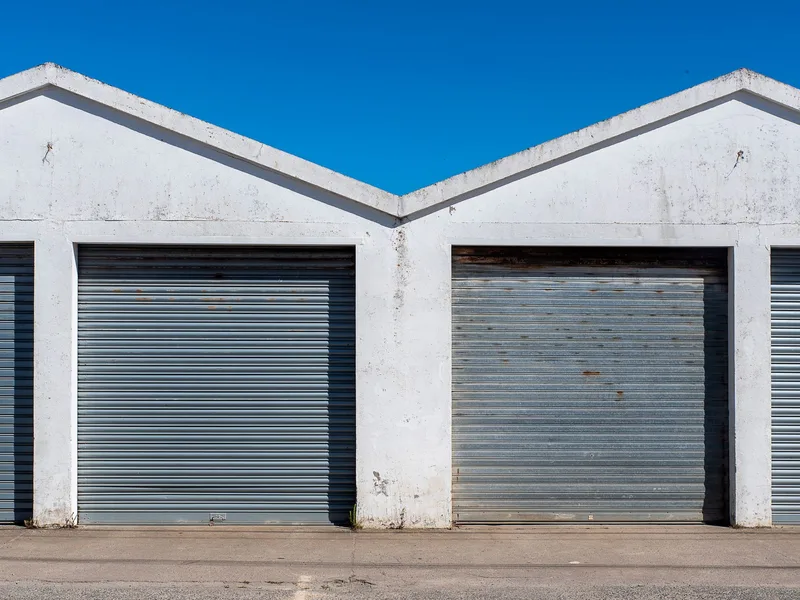
The service door and its mesh
The temporary service doors and mesh on site skips and storage containers allow flies free entry, and poor ventilation inside enclosed areas encourages breeding of new generations.
How we work
-
1
Inspect and trace the source
We trace the flies back to their medium: waste and the bin area, floor traps, drain runs and any standing organic wetness, and we identify the species from its size, its flight and where it settles.
-
2
Treat the breeding medium
Washing and scouring bin bases and floor traps, and a foam that treats the film inside the pipe, because removing the medium is the only thing that stops production.
-
3
Treat the resting surfaces
A fly spends most of its time settled on ceilings, cables, the tops of walls and the sunlit wall outside the door, and that is where the residual and the bait go, not into the air.
-
4
Proofing and the follow-up
We close the ways in and sort out the screens and the doors, then come back on a date matching the emergence of the pupae that were already in the medium on the first visit.
What fly control includes
-

A source tracing inspection
The species, the breeding medium and the route in, established before anything is applied.
-

Drains and floor traps
Scouring the film stuck inside the pipe and treating it with foam, which is where drain flies come from and almost nowhere else.
-

Residual on the resting surfaces
Ceilings, cables, the tops of walls and the sunlit wall outside the door, kept off food preparation surfaces.
-

Fly bait in protected positions
An attractant bait set at bin areas and service entrances, out of reach of children and pets and away from food.
-

Aftercare instructions
Ventilation, what to cover, and what needs a screen, an air curtain or a different waste routine.
-

A scheduled follow-up
A set date matching the emergence of the pupae, and re-treatment of any source still producing.
The character of Al Qararah Wa Al Naqa
New development: ongoing construction and vacant plots between the homes
A new development means the infrastructure is not yet finished, standing water and exposed waste create multiple and constantly refreshed breeding sources every single week, so treatment must prioritize source removal rather than relying on surface spraying alone.
Questions about this district
Are the many vacant plots around the scheme a continuous fly source?
Yes, vacant land collects rainwater and scattered waste, and each plot may yield dozens of pools that become breeding sites within a week, especially in warm seasons when development accelerates.
Will the fly problem reduce when building is completely finished?
Yes, because completion brings site clearance, finished sewers and proper waste removal. Until then, however, regular fly treatment is essential to manage the rapid breeding that occurs.
Can I treat just the temporary pools without treating the house?
No, because flies will enter the building and the new homes with every fresh pool that forms. Treatment must target both the home and the surrounding areas together to be effective.
Do construction worker waste and scraps provide worse breeding than standing pools?
Both matter, but pools are worse because they provide a protected breeding environment. Waste provides direct nutrition. Effective treatment must focus on both sources simultaneously.
How often do I need treatment in a new scheme like this one?
During active construction, weekly or twice-weekly treatment is essential. Once building ends, frequency can reduce, but the first weeks after you move in are critical for breaking the breeding cycle.
Is the clean water used in construction as risky as dirty standing water?
Clean water alone does not speed breeding, but flies breed in any standing water. Water that collects debris and organic matter is far worse because it supports rapid larval development and adult emergence.
How much does fly control in Al Qararah Wa Al Naqa cost?
It is set after the inspection, because the price follows the type of infestation, the size of the space, how far it has spread and the number of visits it needs. Send a photo and a description on WhatsApp and we will give you an estimate before we reach Al Qararah Wa Al Naqa.
Nearby districts we cover
Other services in Al Qararah Wa Al Naqa
Other services we provide to residents of Al Qararah Wa Al Naqa.
-
 Residential
Cockroach control
Residential
Cockroach control
-
 Residential
Bed bug control
Residential
Bed bug control
-
 Residential
Termite control
Residential
Termite control
-
 Residential
Rodents and mice
Residential
Rodents and mice
-
 Residential
Mosquito control
Residential
Mosquito control
-
 Residential
Ant control
Residential
Ant control
-
 Residential
Gecko control
Residential
Gecko control
-
 Residential
Scorpion control
Residential
Scorpion control
-
 Residential
Snake control
Residential
Snake control
-
 Residential
Flea control
Residential
Flea control
-
 Residential
Bird and pigeon control
Residential
Bird and pigeon control
-
 Residential
Preventive treatment
Residential
Preventive treatment
-
 Residential
Disinfection
Residential
Disinfection
-
 Commercial
Annual contracts
Commercial
Annual contracts
-
 Commercial
Restaurants and cafes
Commercial
Restaurants and cafes
-
 Commercial
Hotels and apartments
Commercial
Hotels and apartments
-
 Commercial
Warehouses and factories
Commercial
Warehouses and factories
-
 Commercial
Schools and nurseries
Commercial
Schools and nurseries
-
 Commercial
Retail and malls
Commercial
Retail and malls
-
 Commercial
Rest houses and farms
Commercial
Rest houses and farms
-
 Commercial
Fumigation
Commercial
Fumigation
-
 Water tanks
Water tank cleaning
Water tanks
Water tank cleaning
-
 Water tanks
Water tank sterilization
Water tanks
Water tank sterilization
-
 Water tanks
Water tank sealing
Water tanks
Water tank sealing
-
 Water tanks
Tank leak repair
Water tanks
Tank leak repair
Need fly control in Al Qararah Wa Al Naqa? Tell us what you saw and we will tell you what it needs
We reach Al Qararah Wa Al Naqa at a time we agree, and you get the full cost before we start.