
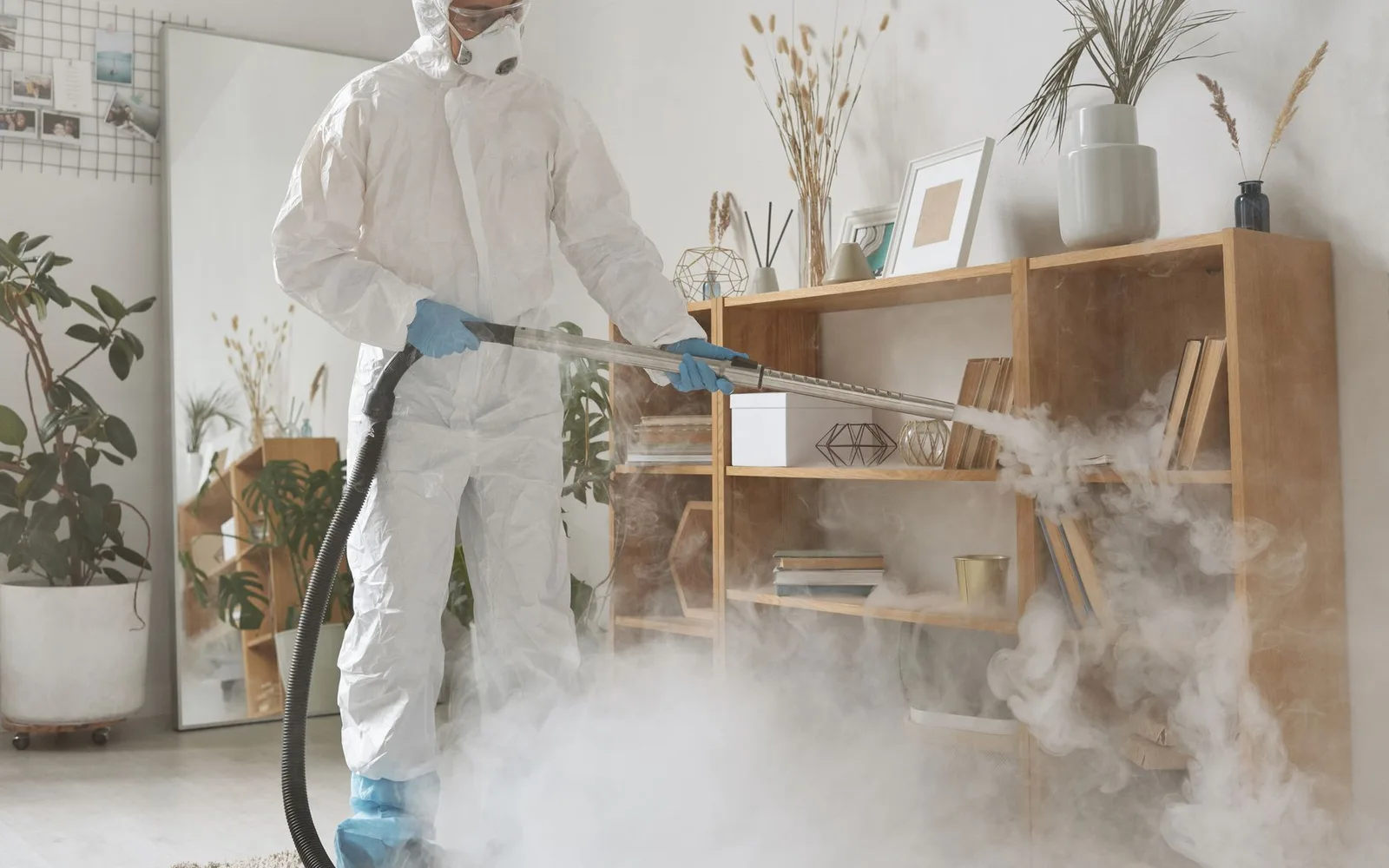
Fumigation in Al Murjan Jeddah
Fumigation in Al Murjan, a small coastal district, must reckon with year round high humidity and constant salt spray. Villas and flats are surrounded by irrigated gardens and green spaces that feed insects continuously. Fumigation here is not a single treatment but a seasonal strategy because insects return rapidly in the warm damp coastal air.
-
Targeted, not broadcast
Product goes into cracks and runways, never sprayed across open surfaces.
-
Told before we start
What we will use, where it goes, and what to cover or move before we arrive.
-
A follow-up visit
We return after the first treatment, because what survives it does not show on the day.
-
Homes and businesses
Apartments and villas, and kitchens and stores that need a record of each visit.
Why they keep coming back in Al Murjan
Al Murjan sits close to the sea with humidity reaching eighty percent even in winter, and insects thrive in the damp all year. The method is set out in full on the full Fumigation page.
High humidity makes insects far more active and breeds them faster
In warm wet coastal conditions, cockroaches, ants and mosquitoes reproduce far more quickly than in arid areas. Fumigation may need repeating every three months rather than every six.
Irrigated gardens provide permanent food and shelter
Every villa in Al Murjan has regularly irrigated gardens. Insects exist in massive numbers in soil and planting. In summer they migrate from gardens into houses seeking cooler shelter.
Salt air corrodes spray equipment and leaves residue
Sea salt accelerates corrosion of metal and liquid sprays may leave residues on coastal surfaces. Gas fumigation leaves surfaces completely clean with no metallic or new salt deposits.
Al Murjan on the map
Al Murjan sits about 5 km from Al Muhammadiyah and about 6.5 km from South Obhur.
Open in Google MapsWhat decides whether fumigation is the right method
Al Murjan is a small district on the north Jeddah corniche where relative humidity remains very high year round. Villas and flats include irrigated gardens and landscaping that provide year round insect food and water sources.
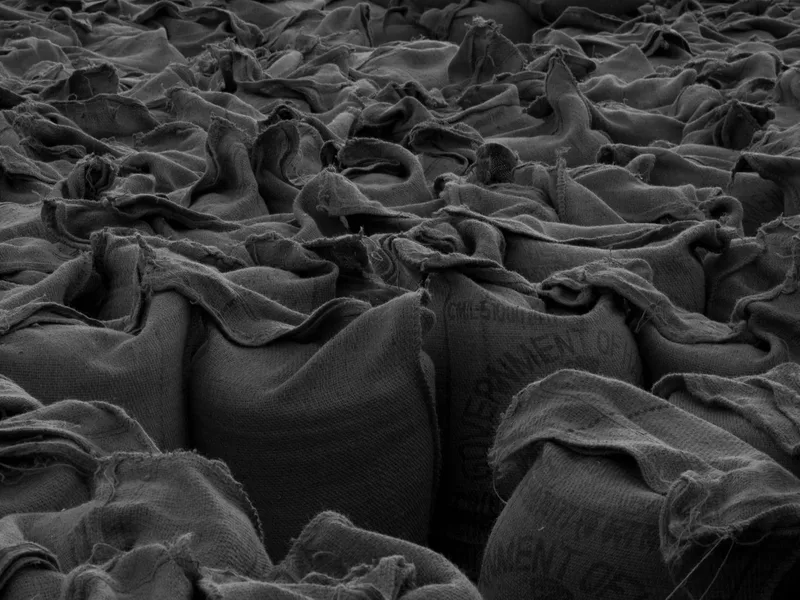
Grain and feed
Grain and foods stored in villas may be damp from sea humidity. Fumigation reaches them and cleans them completely.

Cartons and packaging
Empty cartons and boxes may be damp and salt crusted from sea air. Fumigation kills insects hiding inside them.
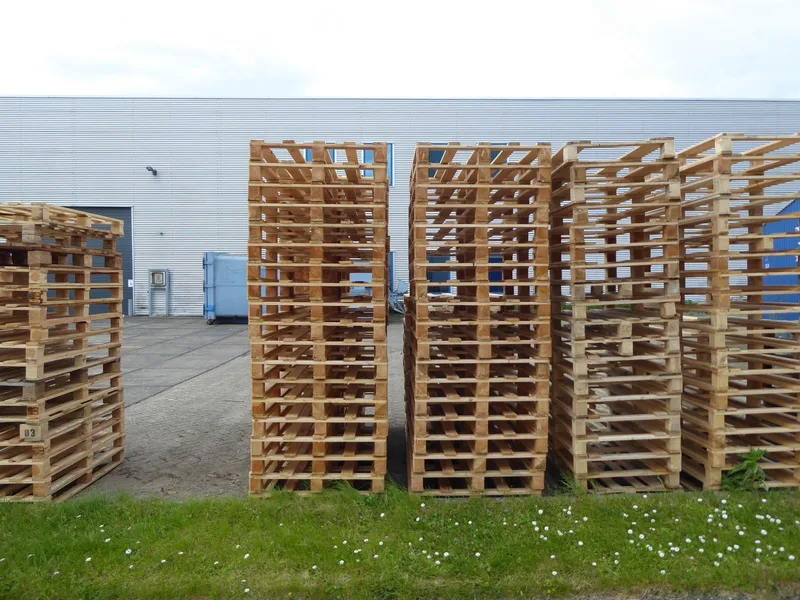
Pallets and timber
Timber and pallets may be cracked from damp and salt. Insects shelter in every crack.
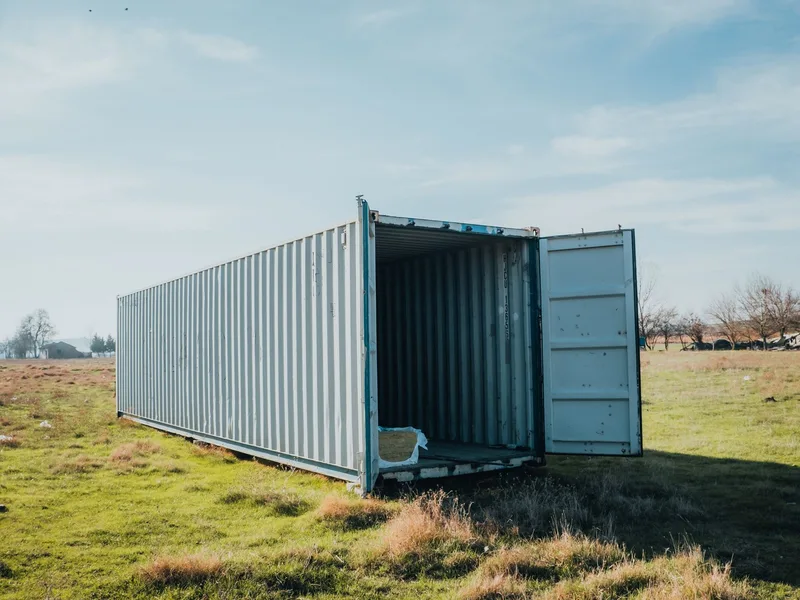
Containers and consignments
Containers in villas may be open or salt damaged. Gas reaches every corner.
Where the gas escapes
Main entry points are ventilation grilles, cracks round doors and windows, and shared piping.
Aeration afterwards
Post fumigation aeration needs every window and door opened and fresh air flowing, and may move slowly through high humidity.
How we work
-
1
Survey and sampling
We identify the pest and its stage, go through the stock, the racking and the corners, measure the volume, and establish whether the place can be sealed as it stands or a sheeted enclosure has to be built over the stacks.
-
2
Sealing and preparation
Sheeting sealed to the floor around the stacks or the room closed up, vents, drains and door edges shut, the area emptied of people and warning signage placed before anything is introduced.
-
3
Gas introduction and monitored exposure
The dose is calculated from the volume, the commodity and its temperature, and readings through the period confirm the concentration is still there at the end of the exposure and not only at the start.
-
4
Aeration, clearance and the record
Forced ventilation, then repeated readings until the space is handed back, and a report covering what was found, how the enclosure was built, the exposure period, the readings and what needs correcting at goods inwards.
What fumigation includes
-

A recorded survey
Pest and stage, samples from the commodity, and the volume of the space, before fumigation is decided on at all.
-

Sealing the enclosure
Vents, floor drains, door edges and cable runs, which is where the gas goes if nobody closes them.
-

Dosing and monitored exposure
Dose set by volume, commodity and temperature, with readings tracking the concentration to the end of the exposure.
-

Aeration and clearance readings
Extraction and forced ventilation, then repeated readings, and the space is not opened to staff until a reading allows it.
-

Monitoring points afterwards
Pheromone traps and check points on the goods inwards route, because fumigation leaves nothing behind to protect what arrives next.
-

The report and a follow-up visit
A written record of the work and its readings, and a date to re-check the stock and deal with anything new.
What is different about Obhur Sub-Municipality
Obhur sub-municipality runs along Jeddah's northern shoreline from Al Shati up to Obhur Creek. It mixes large villas and gated compounds with busy commercial spines of restaurants, cafes, markets and hotels. Sea humidity is high for most of the year and salt laden breezes keep timber and render damp, while irrigated gardens and lawns surround the corniche and the villa plots. Standing irrigation water, dense planting and food waste from the hospitality strip suit cockroaches, mosquitoes and ants, and the chalets and rest houses scattered along the creek stand empty for long spells, which lets insects and rodents settle undisturbed.
Questions about this district
How often per year must we fumigate a villa in Al Murjan?
Insects in Al Murjan breed faster than in dry areas. We recommend fumigation every three to four months, or at least twice yearly for lasting control.
Is garden treatment included in fumigation or a separate service?
Fumigation concentrates on the interior. Garden treatment is separate, but we strongly recommend it because insects migrate from gardens into the house at night.
Will coastal mosquitoes and flies die from fumigation?
Yes, the gas kills every insect present including mosquitoes, flies, ants, cockroaches and rodents.
How long does fumigation and aeration take in humid coastal air?
Aeration takes longer in high humidity. We measure concentration repeatedly and leave only when the villa is completely safe, which may take twelve to eighteen hours.
After fumigation, do we need extra protection measures?
Fumigation kills all present generations. But in Al Murjan insects return fast. We recommend regular traps and monthly inspection.
Does salt air weaken the fumigation gas or protection afterwards?
Salt may weaken liquid sprays but not gas. Fumigation is clean and effective even in salty coastal air.
How much does fumigation in Al Murjan cost?
It is set after the inspection, because the price follows the type of infestation, the size of the space, how far it has spread and the number of visits it needs. Send a photo and a description on WhatsApp and we will give you an estimate before we reach Al Murjan.
Nearby districts we cover
Other services in Al Murjan
Other services we provide to residents of Al Murjan.
-
 Residential
Cockroach control
Residential
Cockroach control
-
 Residential
Bed bug control
Residential
Bed bug control
-
 Residential
Termite control
Residential
Termite control
-
 Residential
Rodents and mice
Residential
Rodents and mice
-
 Residential
Mosquito control
Residential
Mosquito control
-
 Residential
Fly control
Residential
Fly control
-
 Residential
Ant control
Residential
Ant control
-
 Residential
Gecko control
Residential
Gecko control
-
 Residential
Scorpion control
Residential
Scorpion control
-
 Residential
Snake control
Residential
Snake control
-
 Residential
Flea control
Residential
Flea control
-
 Residential
Bird and pigeon control
Residential
Bird and pigeon control
-
 Residential
Preventive treatment
Residential
Preventive treatment
-
 Residential
Disinfection
Residential
Disinfection
-
 Commercial
Annual contracts
Commercial
Annual contracts
-
 Commercial
Restaurants and cafes
Commercial
Restaurants and cafes
-
 Commercial
Hotels and apartments
Commercial
Hotels and apartments
-
 Commercial
Warehouses and factories
Commercial
Warehouses and factories
-
 Commercial
Schools and nurseries
Commercial
Schools and nurseries
-
 Commercial
Retail and malls
Commercial
Retail and malls
-
 Commercial
Rest houses and farms
Commercial
Rest houses and farms
-
 Water tanks
Water tank cleaning
Water tanks
Water tank cleaning
-
 Water tanks
Water tank sterilization
Water tanks
Water tank sterilization
-
 Water tanks
Water tank sealing
Water tanks
Water tank sealing
-
 Water tanks
Tank leak repair
Water tanks
Tank leak repair
Need fumigation in Al Murjan? Tell us what you saw and we will tell you what it needs
We reach Al Murjan at a time we agree, and you get the full cost before we start.