

Warehouses and factories in Al Murjan Jeddah
Al Murjan is a small coastal district on the north corniche, with low-density villas and apartment blocks facing the Red Sea directly. High sea humidity and walls that stay damp almost year-round speed up insect life cycles, so a warehouse here needs weekly trap readings instead of fortnightly, and summer treatments every three weeks instead of monthly.
-
Targeted, not broadcast
Product goes into cracks and runways, never sprayed across open surfaces.
-
Told before we start
What we will use, where it goes, and what to cover or move before we arrive.
-
A follow-up visit
We return after the first treatment, because what survives it does not show on the day.
-
Homes and businesses
Apartments and villas, and kitchens and stores that need a record of each visit.
Why they keep coming back in Al Murjan
Chalets and rest houses along the creek sit empty for long stretches. Rodents and insects settle into these abandoned spaces without disturbance. A neighbouring warehouse can inherit infestations from a closed chalet next door through shared drainage or via arriving shipments. The method is set out in full on our Warehouses and factories service.
High humidity cuts insect life cycles short
Walls in Al Murjan never fully dry because sea humidity stays high year-round. Cockroaches, mosquitoes and ants breed faster in damp air. Relative humidity above 75 percent means shorter egg-to-adult cycles and more generations per year. A programme that works on a four-week cycle inland fails here. We read traps weekly and treat every three weeks instead of four, because the reproductive cycle is forty percent shorter than inland districts.
Salt spray and brine weaken chemical treatments
Salt-laden breezes blow mist and spray into the warehouse through doors, vents and gaps. Saltwater deposits build up on walls, shelving, pallets and fixtures. Chemical treatments lose effectiveness on salted surfaces because the spray forms a barrier between the active ingredient and the target. We need booster treatments or four-weekly sprays instead of monthly, and we pre-clean salt-coated surfaces before applying the next round.
Goods from closed seasonal hospitality buildings
Hotels and chalets around Al Murjan close seasonally or for long stretches. During closure, rodents and insects settle into the empty spaces undisturbed. Shipments leaving those buildings can carry deep infestations. Inspection takes longer, and we quarantine any pallet or crate showing activity until it is cleaned and the goods are transferred to clean pallets before warehouse entry.
Al Murjan on the map
Al Murjan sits about 5 km from Al Muhammadiyah and about 6.5 km from South Obhur.
Open in Google MapsWhat the first walk through the building reads
The northern shoreline means sea humidity stays above 70 percent for most of the year and salt-laden breezes reach inland. Warehouse walls, timber and masonry stay damp. Dry spells are rare and brief, sometimes only a few days a year in winter.

The shutter line
The goods-in door at Al Murjan faces prevailing salt winds, so brine spray enters with every door opening. The area is compact, making inspection straightforward but requiring salt-spray awareness when checking incoming pallets.

What comes in on the pallet
Goods arriving from closed hotels and chalets may carry rodents or deep-stage insect infestations. Incoming inspection must be thorough, and quarantine is mandatory before goods enter main stock to prevent introducing established populations.

The strip along the wall
Walls throughout the warehouse are perpetually damp from salt and sea humidity, so the strip along the racking is inspected weekly because ants and mosquitoes colonise wet surfaces much faster here than in dry inland districts.
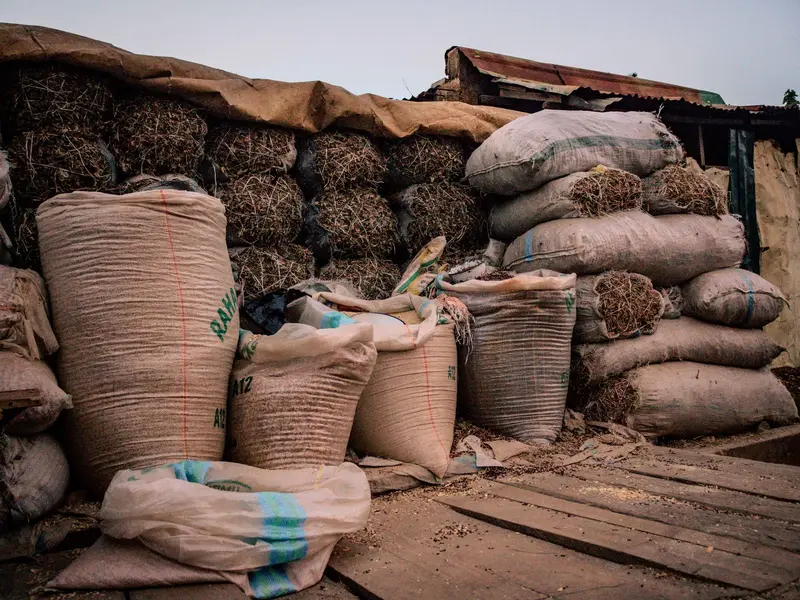
Spillage under the racking
Spillage under racking pools water because drainage is poor in coastal settings, and salt-laden water encourages cockroaches and ants. Weekly cleaning is standard; monthly schedules allow colonies to establish between cleans.
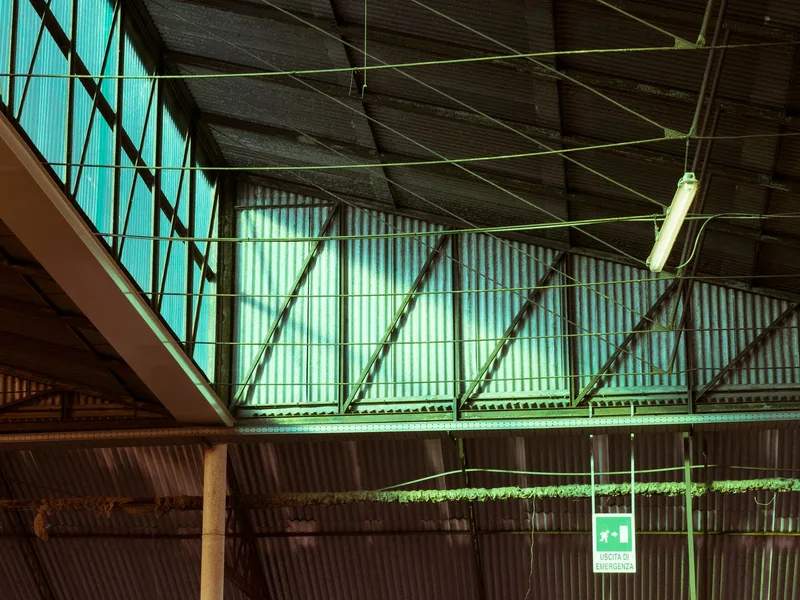
The roof and the openings above
The roof and upper vents allow salt spray to penetrate the warehouse interior, keeping the space above the racking damp year-round and creating pockets where insects breed undisturbed. Spot treatments of upper areas are scheduled between full cycles.
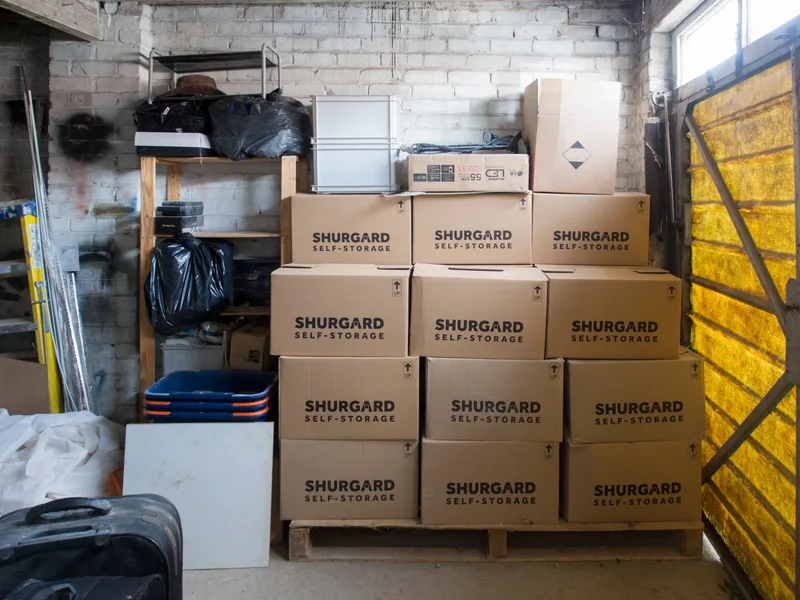
Stock that does not move
Stock stored long-term in a coastal warehouse infests much faster than the same goods stored inland because humidity is constant and insects breed without seasonal slowdown. Slow-moving inventory is a high-risk zone and needs barrier treatments or repositioning to a cleaner area of the warehouse.
How we work
-
1
Survey the building and locate the source
We walk from the goods-in door through the racking, the production areas and the outside wall line, and establish whether the pressure is stored product pests inside the goods, rodents from the perimeter or flying insects from waste and doorways, because each of those is a different programme.
-
2
Pheromone traps and numbered points
Species-specific pheromone traps through the storage areas, and monitoring points on the external ring and along the internal walls, numbered on the racking plan. A trap treats nothing, it tells us which aisle the numbers are climbing in.
-
3
Targeted treatment and isolating the consignment
Spillage is lifted first, then empty racking, wall and floor junctions and voids are treated, and nothing is placed over open stock or a running line. A consignment showing activity is isolated where it stands rather than carried through the building.
-
4
Sealing, then the scheduled visits
We close door gaps, openings and pipe entries, then come back on an agreed schedule: the same traps and points are read each time, and a report goes over what was found, what was treated and what the building still needs closed.
What warehouse pest control includes
-

Site survey and racking plan
A walk from the goods-in door to the last aisle, and a plan with every monitoring position numbered before anything is installed.
-

Pheromone traps and numbered points
Species-specific traps through the storage areas and points along the perimeter line, read and logged on every visit.
-

Targeted treatment of racking and junctions
On empty racking, wall and floor junctions and voids, never over open stock or a running line.
-

Drains, waste and the perimeter
Floor gullies, the container area and the outside wall line, because that is the source which renews itself.
-

Proofing and building findings
Shutter gaps, brush seals and mesh over openings, with a list of what the site needs to repair.
-

Scheduled visits and a report each time
Agreed dates set by the pressure on the site, the same traps read again, and a report that records every visit.
What is different about Obhur Sub-Municipality
Obhur sub-municipality runs along Jeddah's northern shoreline from Al Shati up to Obhur Creek. It mixes large villas and gated compounds with busy commercial spines of restaurants, cafes, markets and hotels. Sea humidity is high for most of the year and salt laden breezes keep timber and render damp, while irrigated gardens and lawns surround the corniche and the villa plots. Standing irrigation water, dense planting and food waste from the hospitality strip suit cockroaches, mosquitoes and ants, and the chalets and rest houses scattered along the creek stand empty for long spells, which lets insects and rodents settle undisturbed.
Questions about this district
Does high coastal humidity speed up breeding or slow it down?
High humidity speeds up insect breeding. Cockroaches, mosquitoes and ants need relative humidity above 60 percent to lay eggs; Al Murjan stays above 75 percent year-round. Egg-to-adult cycles shorten by weeks, so each generation matures faster and overlaps with the next, meaning population density climbs quicker.
Does salt buildup on surfaces reduce spray effectiveness?
Salt deposits act as a barrier. Brine and salt mist coat shelving, pallets and walls, preventing chemical treatments from reaching the target insect or penetrating eggs. Effectiveness drops noticeably. We compensate by boosting spray frequency to every three weeks instead of four, and by pre-cleaning high-traffic areas before each treatment cycle.
Can closed chalets along the creek be a rodent source?
Chalets left empty for weeks or months become rodent nests. Inspecting and accepting goods from those locations requires slower, stricter checks. Incoming pallets and crates carrying activity are isolated and cleaned before entering warehouse stock. Goods are transferred to clean pallets to avoid carrying dormant eggs or larvae inside.
How often are traps read in Al Murjan because of humidity?
We read traps weekly in Al Murjan. Insect life cycles are shorter due to high humidity, so populations grow and peaks appear faster. Weekly checks catch infestations early, before they explode into full-scale problems. Fortnightly reading, which works inland, misses the signal window here.
Is a monthly treatment schedule strong enough for this warehouse?
Monthly treatments are inadequate because insect life cycles are compressed. We start with three-weekly treatments for the first month, then adjust based on trap readings. Summer months in coastal warehouses often need two-weekly treatments to stay ahead of the population surge driven by heat and humidity together.
What should the Al Murjan warehouse report clarify about humidity and salt?
The report must show that repeated activity is not treatment failure but the result of shortened breeding cycles and chemical loss to salt accumulation. We document that weekly trap reads are standard here, not overkill, and three-weekly treatments are the baseline, not monthly. We explain salt's impact on active ingredient effectiveness so the client understands why coastal warehouses need a different rhythm than inland ones.
How much does warehouses and factories in Al Murjan cost?
It is set after the inspection, because the price follows the type of infestation, the size of the space, how far it has spread and the number of visits it needs. Send a photo and a description on WhatsApp and we will give you an estimate before we reach Al Murjan.
Nearby districts we cover
Other services in Al Murjan
Other services we provide to residents of Al Murjan.
-
 Residential
Cockroach control
Residential
Cockroach control
-
 Residential
Bed bug control
Residential
Bed bug control
-
 Residential
Termite control
Residential
Termite control
-
 Residential
Rodents and mice
Residential
Rodents and mice
-
 Residential
Mosquito control
Residential
Mosquito control
-
 Residential
Fly control
Residential
Fly control
-
 Residential
Ant control
Residential
Ant control
-
 Residential
Gecko control
Residential
Gecko control
-
 Residential
Scorpion control
Residential
Scorpion control
-
 Residential
Snake control
Residential
Snake control
-
 Residential
Flea control
Residential
Flea control
-
 Residential
Bird and pigeon control
Residential
Bird and pigeon control
-
 Residential
Preventive treatment
Residential
Preventive treatment
-
 Residential
Disinfection
Residential
Disinfection
-
 Commercial
Annual contracts
Commercial
Annual contracts
-
 Commercial
Restaurants and cafes
Commercial
Restaurants and cafes
-
 Commercial
Hotels and apartments
Commercial
Hotels and apartments
-
 Commercial
Schools and nurseries
Commercial
Schools and nurseries
-
 Commercial
Retail and malls
Commercial
Retail and malls
-
 Commercial
Rest houses and farms
Commercial
Rest houses and farms
-
 Commercial
Fumigation
Commercial
Fumigation
-
 Water tanks
Water tank cleaning
Water tanks
Water tank cleaning
-
 Water tanks
Water tank sterilization
Water tanks
Water tank sterilization
-
 Water tanks
Water tank sealing
Water tanks
Water tank sealing
-
 Water tanks
Tank leak repair
Water tanks
Tank leak repair
Need warehouses and factories in Al Murjan? Tell us what you saw and we will tell you what it needs
We reach Al Murjan at a time we agree, and you get the full cost before we start.