
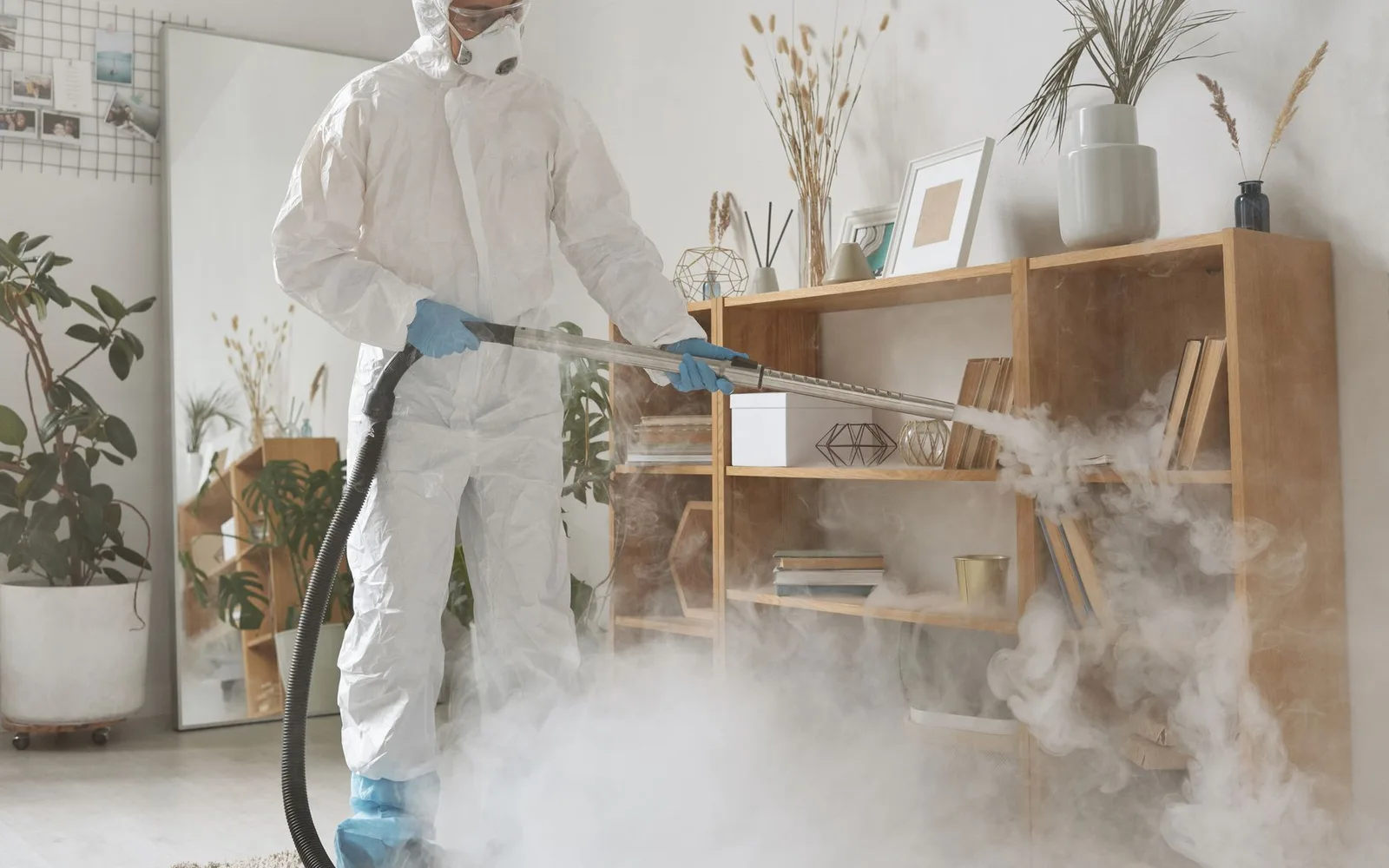
Fumigation in Mushrifah Jeddah
Mushrifah is a densely packed apartment district cut through by main roads, with residential blocks stacked above shops, restaurants and medical facilities. Sea humidity is high near the waterfront. Fumigation here must tackle ageing buildings with shared plumbing and service voids, and pests that spread between flats through common entrances and old pipework running vertically through the structure.
-
Targeted, not broadcast
Product goes into cracks and runways, never sprayed across open surfaces.
-
Told before we start
What we will use, where it goes, and what to cover or move before we arrive.
-
A follow-up visit
We return after the first treatment, because what survives it does not show on the day.
-
Homes and businesses
Apartments and villas, and kitchens and stores that need a record of each visit.
Why they keep coming back in Mushrifah
Pests do not stay in one flat: cockroaches migrate through the shared lobby, ants travel in pipes beneath the floors, and mosquitoes breed in sealed drains below ground level. The method is set out in full on Fumigation in detail.
The shared entrance unites the infestation
Flats are adjacent with one common lobby, so pests move easily from unit to unit through hallways, staircases and service pipes below ground. Fumigation must reach the foundation, the older walls and all voids, not just a single flat in isolation.
Ageing plumbing harbours and hides pests
Water and drain pipes in older buildings are corroded and cracked internally, harbouring ants and rodents between the layers. Fumigation needs enough pressure to penetrate these vertical and horizontal pipes that link all the flats together.
Humidity and food outlets create ideal conditions
Restaurants, medical clinics and irrigated gardens surrounding the blocks supply continuous food and moisture to pests. Fumigation must be repeated regularly because insects return from outside the building easily through shop doors and windows.
The character of Mushrifah
Apartment district: residential blocks, repeated floors and shared entrances
Apartment blocks have adjacent units sharing foundations, pipes and entrances, so pests move easily between them. Fumigation must cover all flats and shared areas and ground floor shops as a single operation, not treat one flat in isolation from the rest.
What decides whether fumigation is the right method
Mid rise apartment blocks from decades past, with ageing water and drainage systems that serve multiple units, and restaurants, medical clinics and irrigated gardens that attract pests year round.
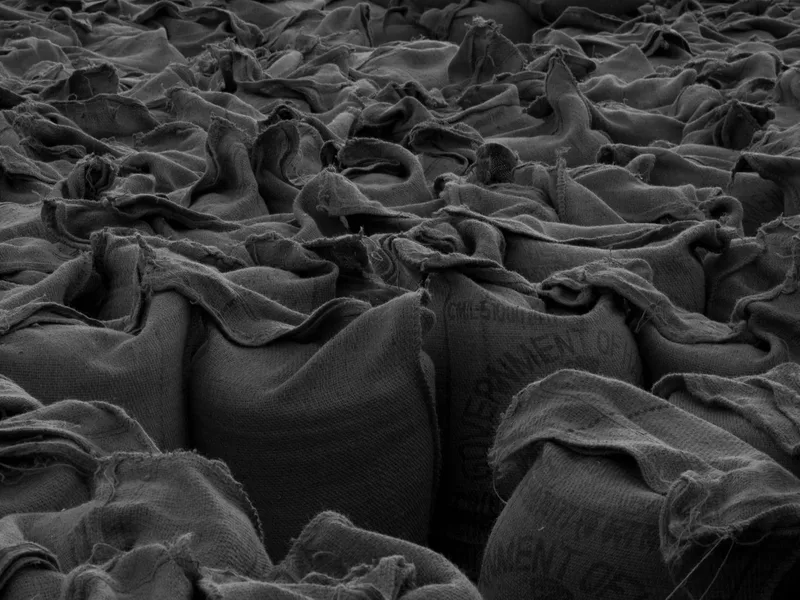
Grain and feed
Restaurants, cafés and medical clinics on the ground floor provide food and moisture that pests and rodents need to survive all year round.

Cartons and packaging
Cardboard boxes and packaging from restaurant deliveries and medical supplies attract pests and may carry them between shops and flats as they are moved around.
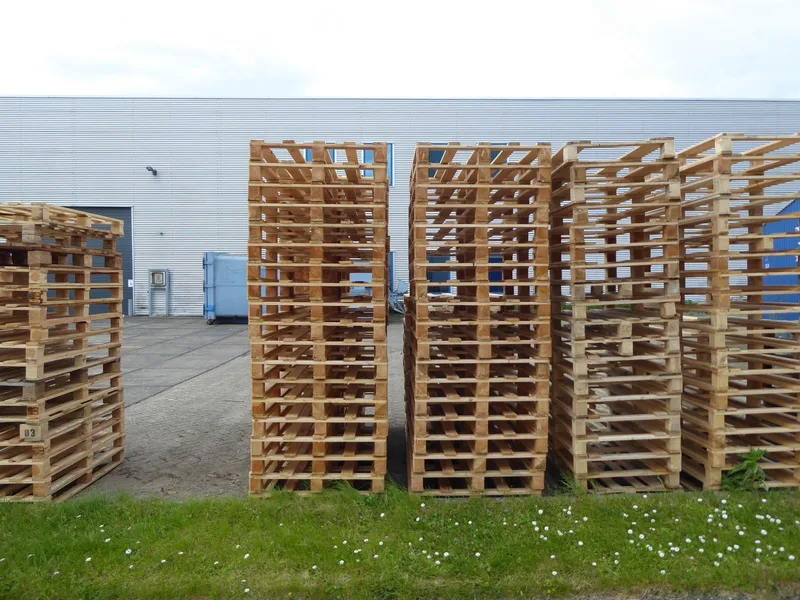
Pallets and timber
Timber and pallets in storerooms below the blocks and in small warehouse spaces become rodent and termite habitats because of high moisture levels and poor ventilation.
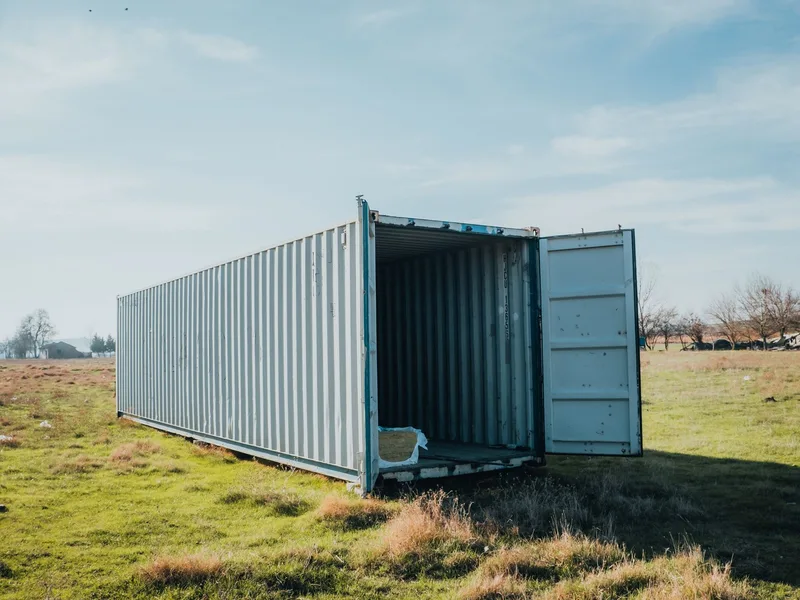
Containers and consignments
Bags and containers from food deliveries stack in shared outdoor areas and common courtyards, attracting pests and rodents with ease.
Where the gas escapes
Gaps between floors, shared service pipes and cracks in the aged foundation are the main gas escape routes, and fumigant may not reach the deepest hiding spots inside old pipework.
Aeration afterwards
Aeration after fumigation takes longer in dense blocks because windows are few and natural airflow is limited by roads and surrounding buildings.
How we work
-
1
Survey and sampling
We identify the pest and its stage, go through the stock, the racking and the corners, measure the volume, and establish whether the place can be sealed as it stands or a sheeted enclosure has to be built over the stacks.
-
2
Sealing and preparation
Sheeting sealed to the floor around the stacks or the room closed up, vents, drains and door edges shut, the area emptied of people and warning signage placed before anything is introduced.
-
3
Gas introduction and monitored exposure
The dose is calculated from the volume, the commodity and its temperature, and readings through the period confirm the concentration is still there at the end of the exposure and not only at the start.
-
4
Aeration, clearance and the record
Forced ventilation, then repeated readings until the space is handed back, and a report covering what was found, how the enclosure was built, the exposure period, the readings and what needs correcting at goods inwards.
What fumigation includes
-

A recorded survey
Pest and stage, samples from the commodity, and the volume of the space, before fumigation is decided on at all.
-

Sealing the enclosure
Vents, floor drains, door edges and cable runs, which is where the gas goes if nobody closes them.
-

Dosing and monitored exposure
Dose set by volume, commodity and temperature, with readings tracking the concentration to the end of the exposure.
-

Aeration and clearance readings
Extraction and forced ventilation, then repeated readings, and the space is not opened to staff until a reading allows it.
-

Monitoring points afterwards
Pheromone traps and check points on the goods inwards route, because fumigation leaves nothing behind to protect what arrives next.
-

The report and a follow-up visit
A written record of the work and its readings, and a date to re-check the stock and deal with anything new.
What is different about Al Aziziyah Sub-Municipality
The Al Aziziyah sub municipality takes in the established heart of northern Jeddah, from the Al Hamra corniche on the Red Sea to Al Rehab east of King Abdullah Road. Its buildings date back decades, mostly mid rise apartment blocks over shops and closely packed restaurants along Makarona Road, Tahliah Street and Palestine Street, alongside villas and hotel towers near the shore. Sea humidity is high in the western districts, plumbing and drainage in the older blocks are ageing, and food outlets, hospitals and irrigated gardens are everywhere, conditions that favour cockroaches, ants, mosquitoes and rodents throughout the year.
Questions about this district
Is fumigating just one flat enough, or do pests come back from neighbours?
Flats share the foundation, plumbing and service voids, so treating one flat alone does not solve the problem. Pests return from neighbouring units via hallways, pipes and sub floor gaps. All flats in the block must be treated together to prevent re infestation.
How do we handle restaurants and clinics underneath the flats?
Restaurants and medical clinics beneath the flats attract pests and rodents constantly. Shops and flats must be fumigated together, and food sources and moisture in the outlets must be identified, because they feed the pests that climb into the units above.
Can the old pipes stop fumigant gas from reaching pests inside them?
Corroded and cracked pipes provide shelter for ants and rodents, and gas may not reach the deepest cracks. Pipes must be inspected before fumigation and gas routes identified, using high dose and long concentration to penetrate the smallest voids.
Do pests return quickly from nearby restaurants and gardens?
Restaurants, clinics and irrigated gardens surrounding the block create a permanent pest habitat. Insects return rapidly if the surrounding area is not treated. Regular scheduled fumigation and sealing cracks and gaps around the foundation and shop fronts are recommended.
How do we protect residents and staff during fumigation in an occupied block?
Blocks are occupied all day by residents, patients and visitors in shops and clinics. The flat or flats being fumigated must be completely evacuated, doors to other units sealed, and windows in neighbouring flats opened to prevent gas drift. Shops and clinics must also be cleared before work begins.
Will fumigant damage sensitive goods and medical equipment in the shops?
Sensitive goods and medical equipment may be harmed by fumigant gas and moisture. Delicate equipment and goods must be covered before fumigation, and the shop completely cleared. After fumigation the shop must be aired thoroughly before any equipment or goods are used again.
How much does fumigation in Mushrifah cost?
It is set after the inspection, because the price follows the type of infestation, the size of the space, how far it has spread and the number of visits it needs. Send a photo and a description on WhatsApp and we will give you an estimate before we reach Mushrifah.
Other services in Mushrifah
Other services we provide to residents of Mushrifah.
-
 Residential
Cockroach control
Residential
Cockroach control
-
 Residential
Bed bug control
Residential
Bed bug control
-
 Residential
Termite control
Residential
Termite control
-
 Residential
Rodents and mice
Residential
Rodents and mice
-
 Residential
Mosquito control
Residential
Mosquito control
-
 Residential
Fly control
Residential
Fly control
-
 Residential
Ant control
Residential
Ant control
-
 Residential
Gecko control
Residential
Gecko control
-
 Residential
Scorpion control
Residential
Scorpion control
-
 Residential
Snake control
Residential
Snake control
-
 Residential
Flea control
Residential
Flea control
-
 Residential
Bird and pigeon control
Residential
Bird and pigeon control
-
 Residential
Preventive treatment
Residential
Preventive treatment
-
 Residential
Disinfection
Residential
Disinfection
-
 Commercial
Annual contracts
Commercial
Annual contracts
-
 Commercial
Restaurants and cafes
Commercial
Restaurants and cafes
-
 Commercial
Hotels and apartments
Commercial
Hotels and apartments
-
 Commercial
Warehouses and factories
Commercial
Warehouses and factories
-
 Commercial
Schools and nurseries
Commercial
Schools and nurseries
-
 Commercial
Retail and malls
Commercial
Retail and malls
-
 Commercial
Rest houses and farms
Commercial
Rest houses and farms
-
 Water tanks
Water tank cleaning
Water tanks
Water tank cleaning
-
 Water tanks
Water tank sterilization
Water tanks
Water tank sterilization
-
 Water tanks
Water tank sealing
Water tanks
Water tank sealing
-
 Water tanks
Tank leak repair
Water tanks
Tank leak repair
Need fumigation in Mushrifah? Tell us what you saw and we will tell you what it needs
We reach Mushrifah at a time we agree, and you get the full cost before we start.