
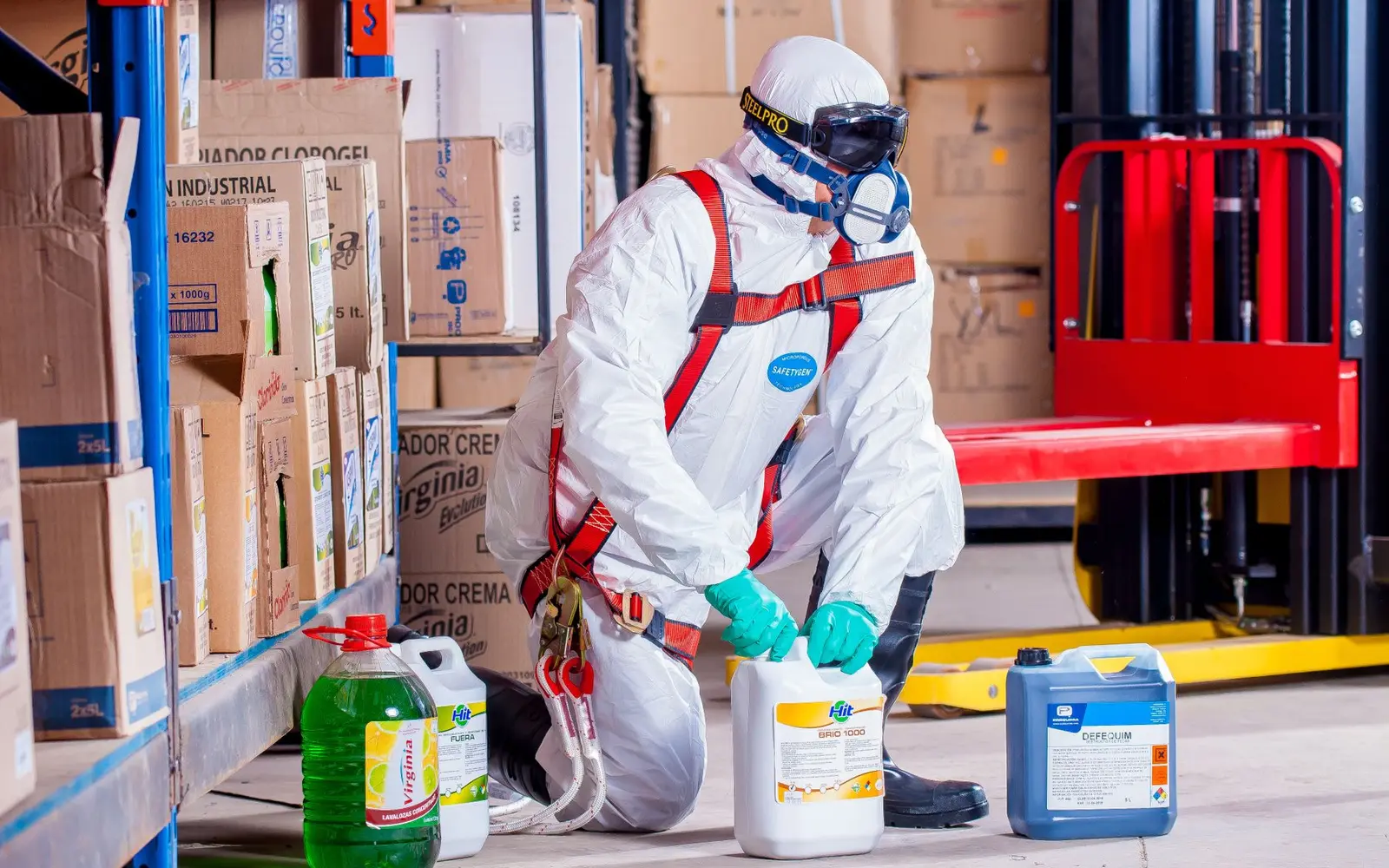
Warehouses and factories in Mushrifah Jeddah
Mushrifah is a densely packed apartment district between Makarona Road, Madinah Road and King Fahd Road, and warehouses here are ringed by residential buildings, restaurants and medical complexes, which means continuous insect and rodent pressure. Aged pipework and closely spaced buildings provide constant pathways for pests.
-
Targeted, not broadcast
Product goes into cracks and runways, never sprayed across open surfaces.
-
Told before we start
What we will use, where it goes, and what to cover or move before we arrive.
-
A follow-up visit
We return after the first treatment, because what survives it does not show on the day.
-
Homes and businesses
Apartments and villas, and kitchens and stores that need a record of each visit.
Why they keep coming back in Mushrifah
Warehouses in dense residential districts face steady pressure from insects already established in the surrounding buildings. The method is set out in full on our Warehouses and factories service.
Population density creates permanent breeding habitat
Close packed apartment blocks and occupied flats around the warehouse supply endless food from kitchens, restaurants and homes. Insects move freely between nearby buildings.
Aged shared pipework connects buildings in one network
Old water and sewer lines link the warehouse to surrounding buildings, letting insects and rodents travel freely. Sealing cracks in one building does not stop the routes.
Medical complexes and restaurants sit next door
Hospitals and clinics are additional food sources, and the restaurants along Makarona Road attract insects in volume. Pressure comes from multiple directions at once.
The character of Mushrifah
Apartment district: residential blocks, repeated floors and shared entrances
Dense residential districts like Mushrifah supply constant breeding habitat in the surrounding flats, restaurants and medical facilities. The warehouse is not a standalone unit but part of one connected building system, and the programme depends on blocking the pathways that link the buildings together.
What the first walk through the building reads
Older, closely packed residential buildings surrounding the warehouse have aged sewer and water lines with many gaps, and restaurants on Makarona Road supply constant food sources.
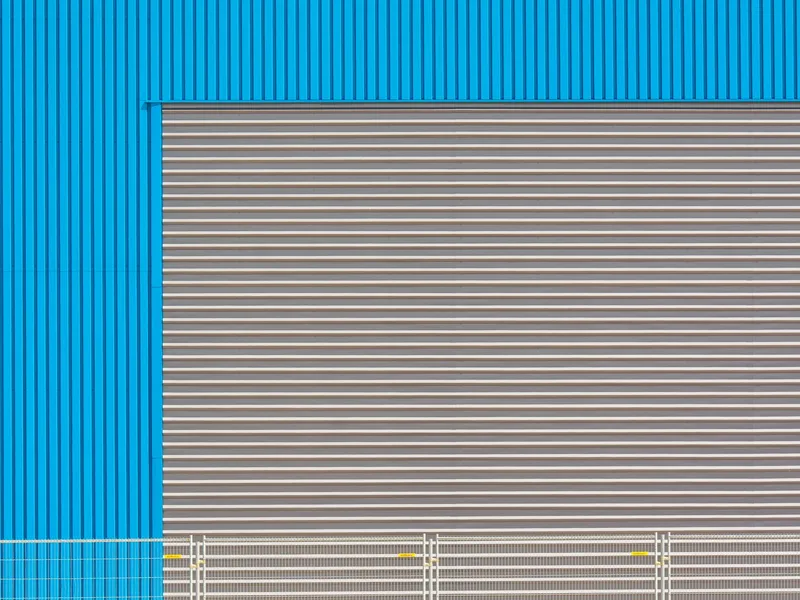
The shutter line
Warehouse doors in dense residential districts open with the movement of flats and restaurants around the building, and insects exploit every opening.

What comes in on the pallet
Incoming pallets may carry infestations from stores and restaurants nearby, and the first check identifies the primary source of pressure.
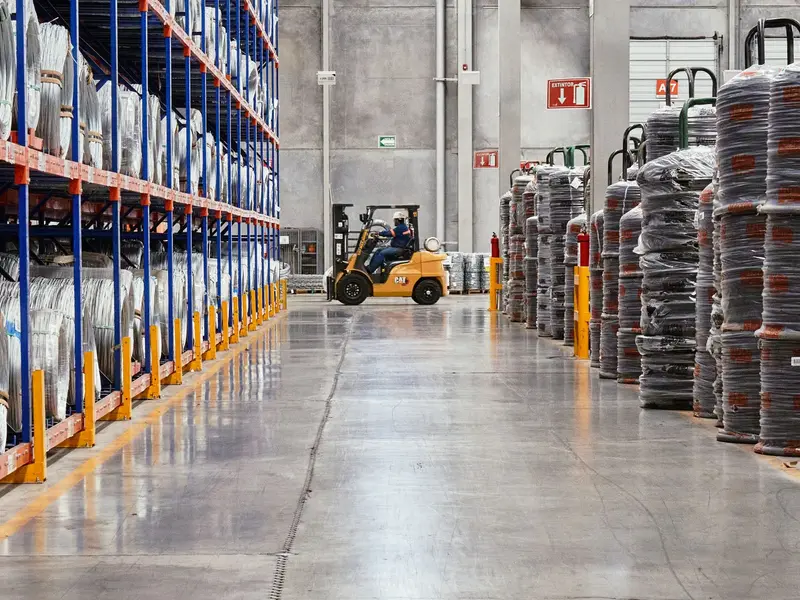
The strip along the wall
Shared walls between flats and warehouse contain cracks and gaps that insects use as permanent routes.
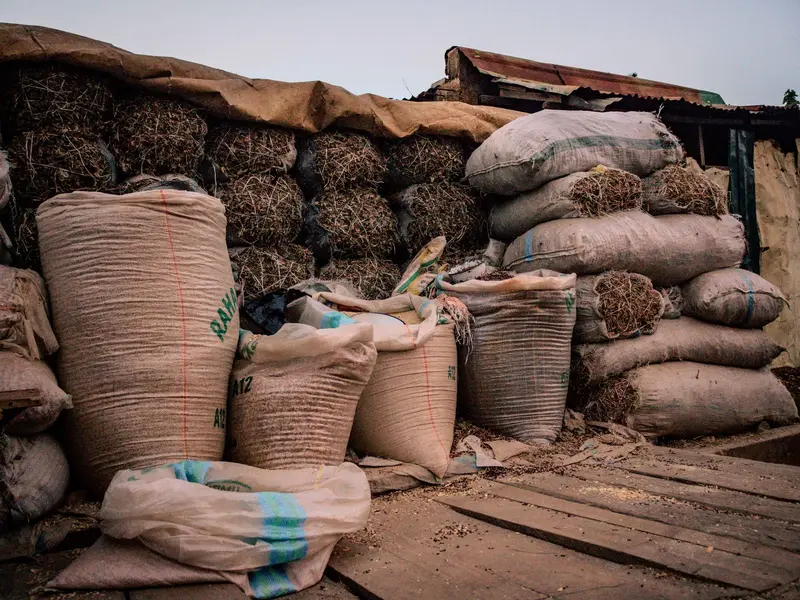
Spillage under the racking
Spills in common areas and passageways between buildings attract insects and rodents toward the warehouse.
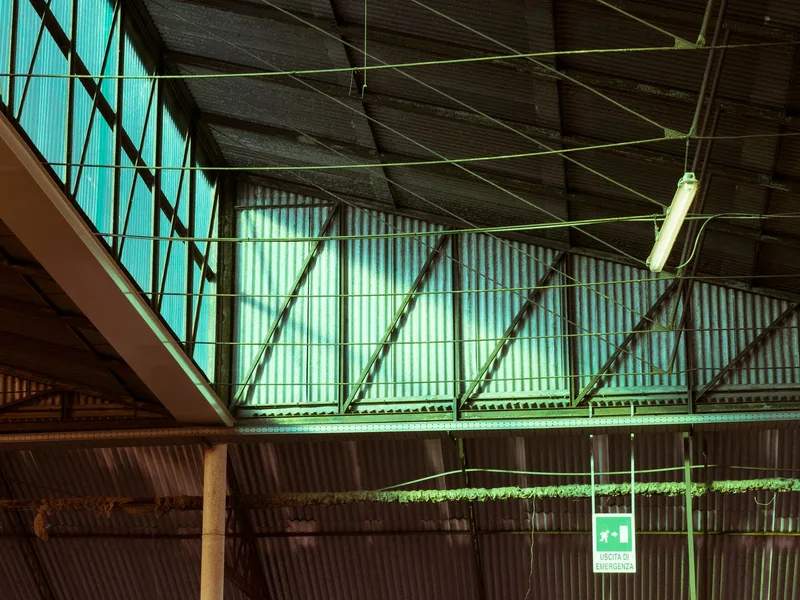
The roof and the openings above
Upper openings and roof vents may be close to raised drainpipes on adjoining buildings, and insects climb them easily.
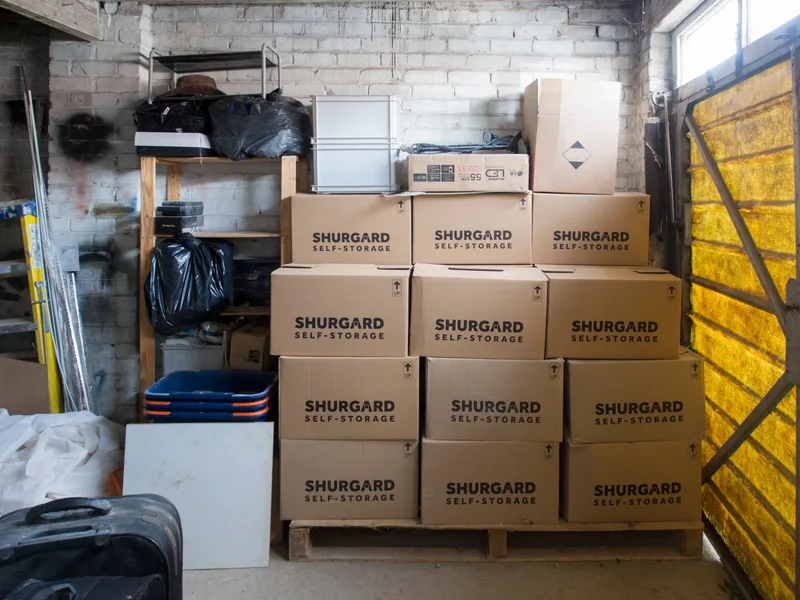
Stock that does not move
Stock resting still in damp corners becomes a target for insects climbing from aged sewer networks below.
How we work
-
1
Survey the building and locate the source
We walk from the goods-in door through the racking, the production areas and the outside wall line, and establish whether the pressure is stored product pests inside the goods, rodents from the perimeter or flying insects from waste and doorways, because each of those is a different programme.
-
2
Pheromone traps and numbered points
Species-specific pheromone traps through the storage areas, and monitoring points on the external ring and along the internal walls, numbered on the racking plan. A trap treats nothing, it tells us which aisle the numbers are climbing in.
-
3
Targeted treatment and isolating the consignment
Spillage is lifted first, then empty racking, wall and floor junctions and voids are treated, and nothing is placed over open stock or a running line. A consignment showing activity is isolated where it stands rather than carried through the building.
-
4
Sealing, then the scheduled visits
We close door gaps, openings and pipe entries, then come back on an agreed schedule: the same traps and points are read each time, and a report goes over what was found, what was treated and what the building still needs closed.
What warehouse pest control includes
-

Site survey and racking plan
A walk from the goods-in door to the last aisle, and a plan with every monitoring position numbered before anything is installed.
-

Pheromone traps and numbered points
Species-specific traps through the storage areas and points along the perimeter line, read and logged on every visit.
-

Targeted treatment of racking and junctions
On empty racking, wall and floor junctions and voids, never over open stock or a running line.
-

Drains, waste and the perimeter
Floor gullies, the container area and the outside wall line, because that is the source which renews itself.
-

Proofing and building findings
Shutter gaps, brush seals and mesh over openings, with a list of what the site needs to repair.
-

Scheduled visits and a report each time
Agreed dates set by the pressure on the site, the same traps read again, and a report that records every visit.
What is different about Al Aziziyah Sub-Municipality
The Al Aziziyah sub municipality takes in the established heart of northern Jeddah, from the Al Hamra corniche on the Red Sea to Al Rehab east of King Abdullah Road. Its buildings date back decades, mostly mid rise apartment blocks over shops and closely packed restaurants along Makarona Road, Tahliah Street and Palestine Street, alongside villas and hotel towers near the shore. Sea humidity is high in the western districts, plumbing and drainage in the older blocks are ageing, and food outlets, hospitals and irrigated gardens are everywhere, conditions that favour cockroaches, ants, mosquitoes and rodents throughout the year.
Questions about this district
Do residential blocks surrounding the warehouse mean constant reinfestation?
Yes. Densely built residential areas supply endless food and permanent insect shelter. The programme focuses on blocking horizontal movement between buildings.
Do shared pipes between buildings increase pest pressure?
Greatly. Rodents use large shared pipes to move between flats and storage. Inspection identifies which pipes carry traffic and where the actual routes run.
Is treating the warehouse alone enough in a dense district?
No, not without blocking horizontal and vertical routes to surrounding buildings. The programme includes perimeter protection and sealing gaps around pipes.
What is the main source of pressure on this warehouse?
The flats, restaurants and medical facilities around it. The warehouse is not an isolated target but part of one connected building network.
Do we need more frequent treatment in dense districts?
Yes. Density means fast reinfestation from surrounding buildings. The programme includes frequent reads and strong perimeter barriers.
How can we tell if infestation is internal or pressure from the dense settlement?
Traps on shared routes and external walls show insect flow from surrounding buildings. Readings show direction and volume of movement.
How much does warehouses and factories in Mushrifah cost?
It is set after the inspection, because the price follows the type of infestation, the size of the space, how far it has spread and the number of visits it needs. Send a photo and a description on WhatsApp and we will give you an estimate before we reach Mushrifah.
Nearby districts we cover
Other services in Mushrifah
Other services we provide to residents of Mushrifah.
-
 Residential
Cockroach control
Residential
Cockroach control
-
 Residential
Bed bug control
Residential
Bed bug control
-
 Residential
Termite control
Residential
Termite control
-
 Residential
Rodents and mice
Residential
Rodents and mice
-
 Residential
Mosquito control
Residential
Mosquito control
-
 Residential
Fly control
Residential
Fly control
-
 Residential
Ant control
Residential
Ant control
-
 Residential
Gecko control
Residential
Gecko control
-
 Residential
Scorpion control
Residential
Scorpion control
-
 Residential
Snake control
Residential
Snake control
-
 Residential
Flea control
Residential
Flea control
-
 Residential
Bird and pigeon control
Residential
Bird and pigeon control
-
 Residential
Preventive treatment
Residential
Preventive treatment
-
 Residential
Disinfection
Residential
Disinfection
-
 Commercial
Annual contracts
Commercial
Annual contracts
-
 Commercial
Restaurants and cafes
Commercial
Restaurants and cafes
-
 Commercial
Hotels and apartments
Commercial
Hotels and apartments
-
 Commercial
Schools and nurseries
Commercial
Schools and nurseries
-
 Commercial
Retail and malls
Commercial
Retail and malls
-
 Commercial
Rest houses and farms
Commercial
Rest houses and farms
-
 Commercial
Fumigation
Commercial
Fumigation
-
 Water tanks
Water tank cleaning
Water tanks
Water tank cleaning
-
 Water tanks
Water tank sterilization
Water tanks
Water tank sterilization
-
 Water tanks
Water tank sealing
Water tanks
Water tank sealing
-
 Water tanks
Tank leak repair
Water tanks
Tank leak repair
Need warehouses and factories in Mushrifah? Tell us what you saw and we will tell you what it needs
We reach Mushrifah at a time we agree, and you get the full cost before we start.