
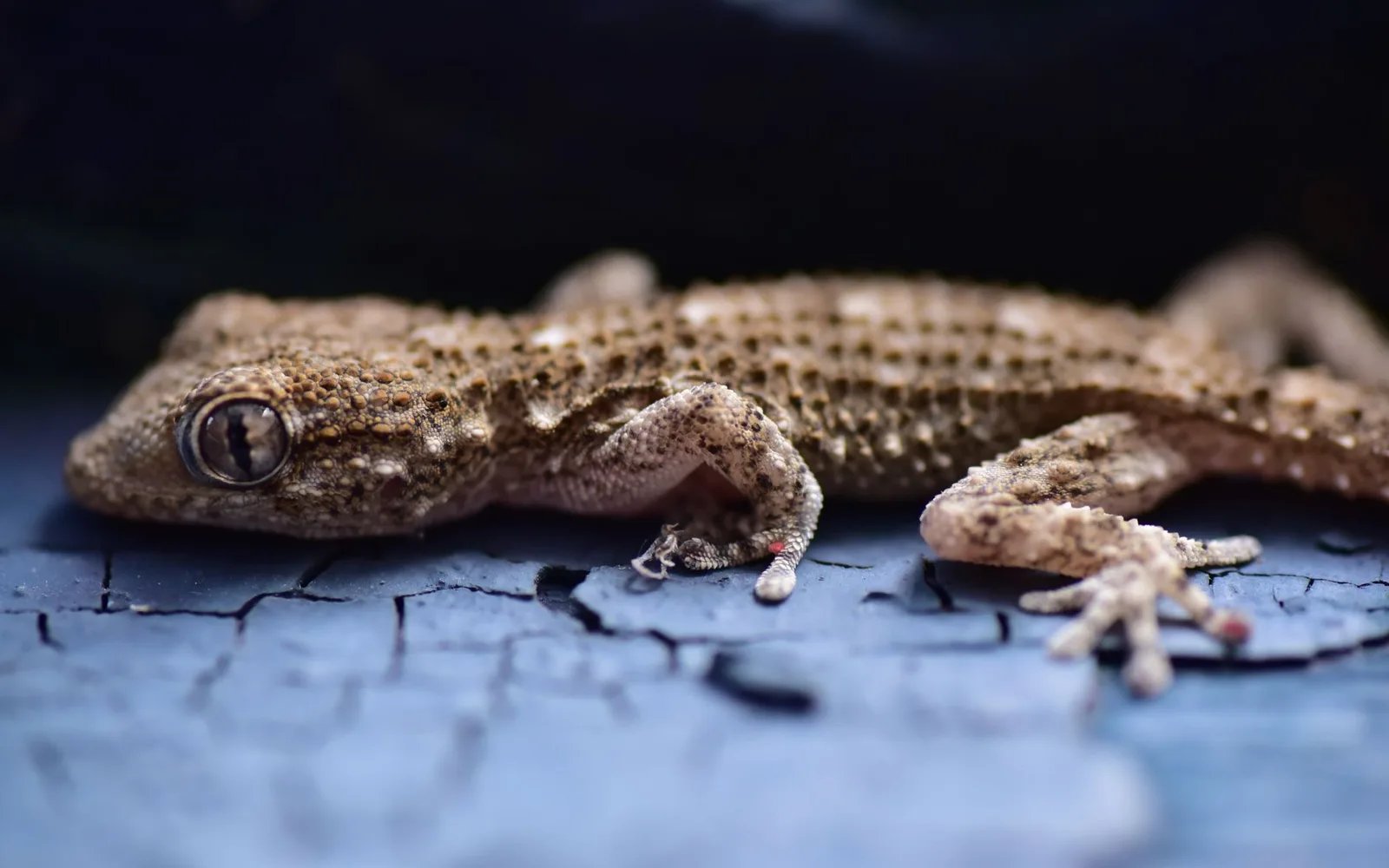
Gecko control in Al Faisaliyah Jeddah
Al Faisaliyah is among the oldest established quarters of northern Jeddah, with dense apartment blocks and tightly spaced villas, bisected by King Fahd Road. Sari Street is its commercial spine of restaurants and furnished apartments, and beneath them run very old water and sewer pipes that leak continuously. The gecko arrives through the damp cracks and the insects concentrated in those ageing pipes.
-
Targeted, not broadcast
Product goes into cracks and runways, never sprayed across open surfaces.
-
Told before we start
What we will use, where it goes, and what to cover or move before we arrive.
-
A follow-up visit
We return after the first treatment, because what survives it does not show on the day.
-
Homes and businesses
Apartments and villas, and kitchens and stores that need a record of each visit.
Why they keep coming back in Al Faisaliyah
The gecko here moves easily between buildings through shared pipes and cracks, and the continuous leaks keep restocking it with insects. The method is set out in full on how we approach Gecko control.
Old leaking pipes create permanent gecko routes and moisture
Aged water and sewer pipes carry ruptures and leaks that provide constant moisture and concentrate insects. The gecko travels inside the pipes easily and emerges into the flats through service openings.
Densely packed buildings enable rapid gecko migration between units
Apartment blocks and villas are pressed against each other, with shared services running between them. The gecko moves between buildings effortlessly through foundation gaps and pipe connections.
Commercial restaurants and furnished flats supply year round waste and transient guests
Sari Street bustles with restaurants and furnished apartments receiving new visitors daily. Food waste and constant turnover create ideal conditions for insects and the geckos that feed on them.
Al Faisaliyah on the map
Al Faisaliyah sits about 3 km from Al Rabwah and about 3 km from Al Bawadi.
Open in Google MapsThe food, the opening and the crevice decide the method
The district is very old; water and sewer pipes laid decades ago leak steadily throughout. The moisture draws insects and geckos as a permanent feature.
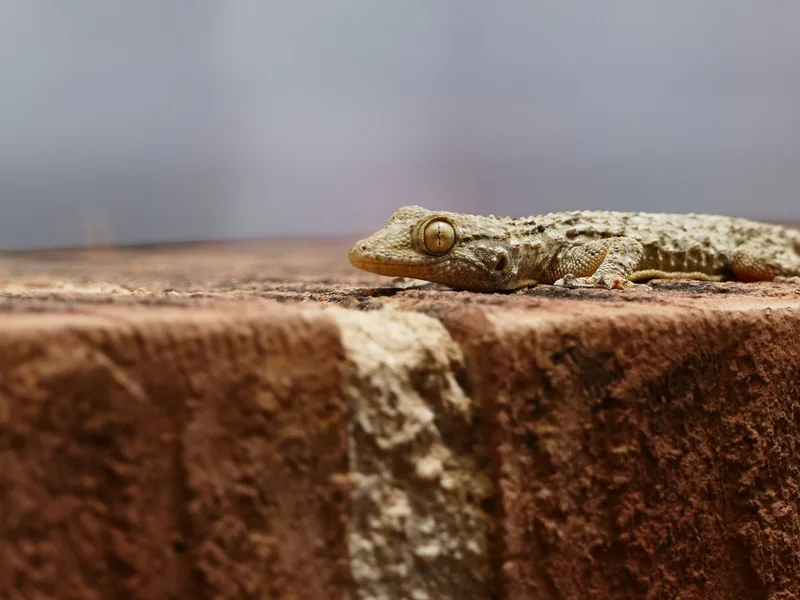
The house gecko
The house gecko in Al Faisaliyah originates from damp cracks around old pipes and their continuous leaks.
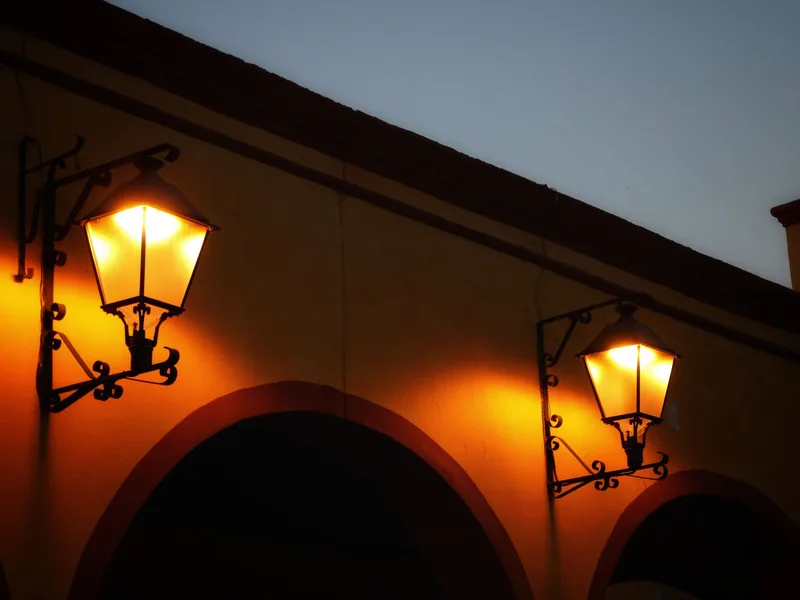
Outdoor lighting
Night lighting on Sari Street and residential blocks draws heavy insect traffic, sustaining the gecko population year round.
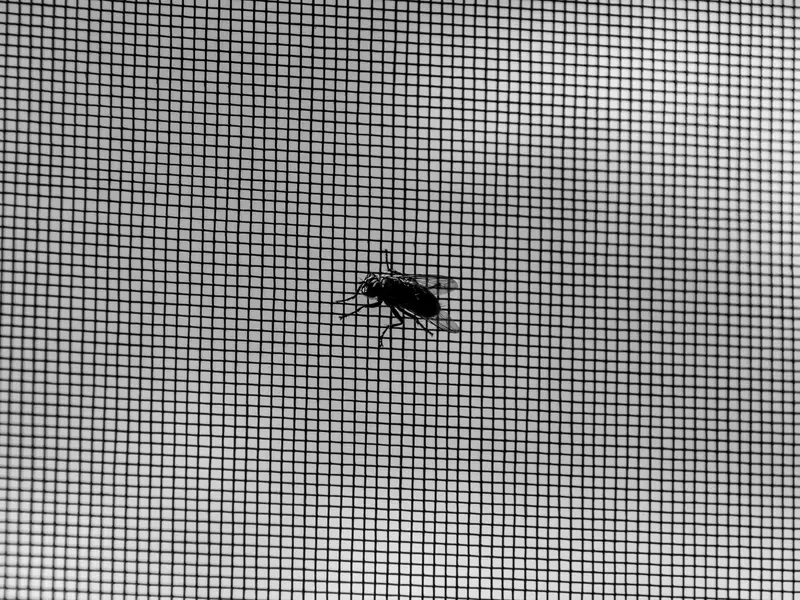
Window mesh
Mesh screens in Al Faisaliyah flats are degraded by age and moisture, easing gecko entry.
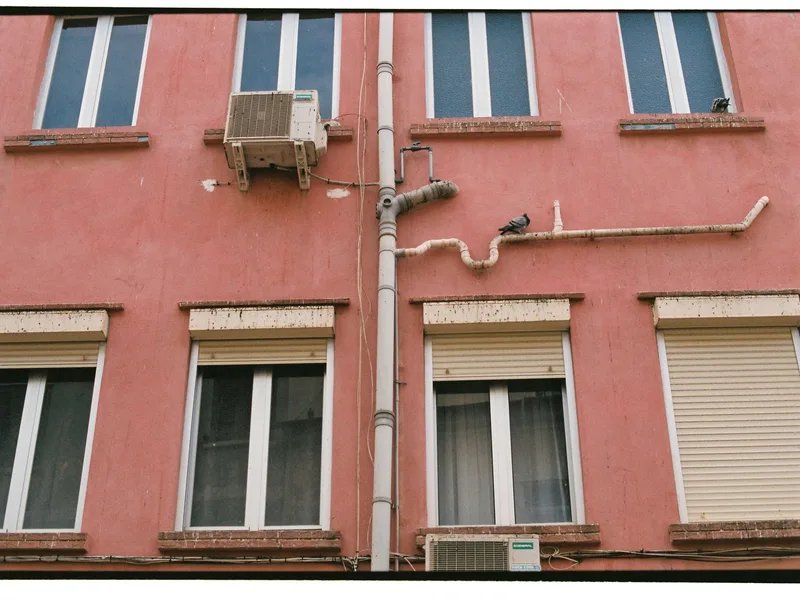
The air-conditioner sleeve
Air conditioning and utility pipes in old blocks provide gecko routes between floors.
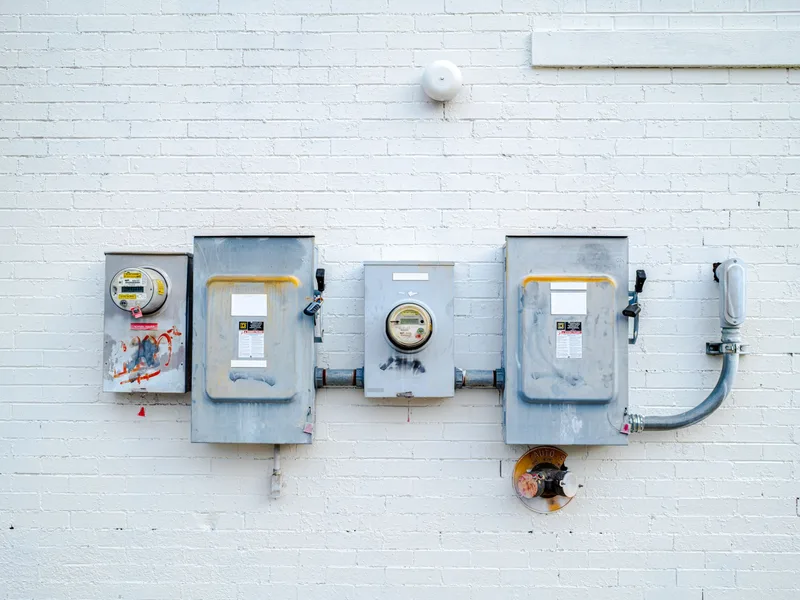
Meter boxes and electrical panels
Electrical panels in blocks and shops attract insects through heat and surrounding moisture.
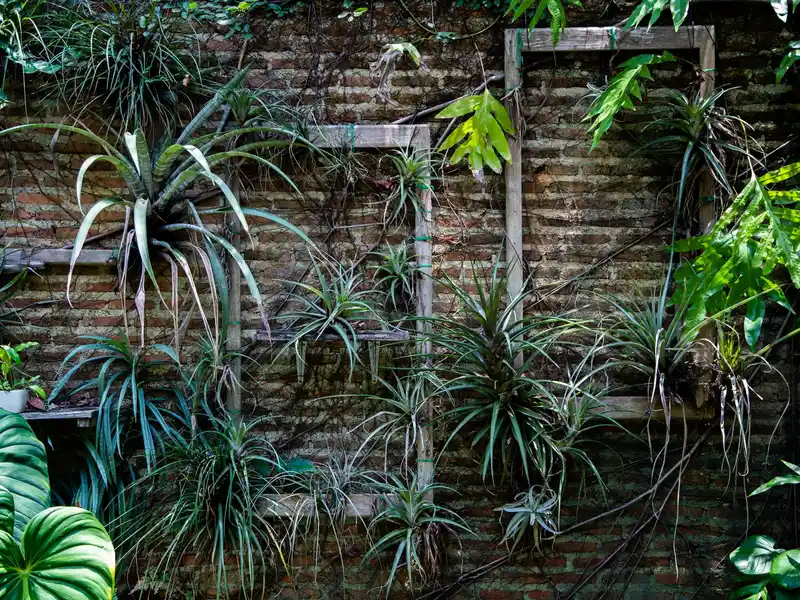
The garden and the irrigation
Parks and irrigation in villas and blocks provide additional moisture enabling gecko spread.
How we work
-
1
Inspect at night and find the source
We come at the hour it is actually moving, and establish which wall face it is living on, which lights are gathering its food, the entry points and the crevices it wedges into by day.
-
2
Treat the food source
We treat the flying and crawling insects on the wall faces, around the perimeter and around the lighting. Once the food goes, the wall stops being worth staying on.
-
3
Close the openings and clear the crevices
We seal the air-conditioner sleeve, screen the vents and drain outlets, deal with the underside of doors, and place a repellent in the crevices and behind panels so they move out before anything is closed.
-
4
The follow-up visit
We come back once the glued eggs have hatched, check the seals held, and re-treat any wall face where activity has returned.
What gecko control includes
-

A recorded night inspection
Wall faces, lighting, entry points and egg sites, all established before anything is applied.
-

Treating the insects on the walls
Targeted treatment around lighting, windows and the building perimeter, because the food is what keeps it there.
-

Placed repellent in the crevices
Behind panels, in wall joints and at the ceiling-void entries, where it sits out the day.
-

Screening vents and drain openings
Shafts, vents and the condensate outlet, which are entry points nobody looks at.
-

Aftercare instructions
Ventilation, what to cover, and the change to the outside lighting that stops the insects gathering again.
-

A scheduled follow-up
A set date after the first treatment, a check on the seals and re-treatment of anything still active.
What is different about Airport Sub-Municipality
The Airport sub-municipality covers some of the oldest established districts of northern Jeddah, gathered around King Abdulaziz International Airport between Madinah Road, King Fahd Road and Prince Majid Road. The stock is villas, single family houses and apartment blocks built decades ago, many served by ageing water and sewer lines. Commercial streets such as Quraish, Sari and Sultan bin Salman are lined with restaurants, furnished flats and popular markets. Dense commercial kitchens, worn pipework and the gaps in older buildings give cockroaches and rodents steady food and shelter, and the high resident population keeps that pressure constant through the year.
Questions about this district
Are the leaking pipes the main cause of gecko problems?
Leaks provide moisture and insects, but are not the source. The gecko arrives from surrounding areas and establishes where moisture and food are steady.
How deep do the old pipes run beneath Sari Street?
The pipes under Sari Street are a metre or more below ground. Leaks from below create moisture in the cracks and foundations above.
Can we treat the inside of the old pipes?
No; internal pipe treatment is unsafe and ineffective. We focus on service openings in the flats and buildings instead.
Are furnished flats more exposed than ordinary residential ones?
Yes; furnished units host new guests daily who bring insects, and food waste is heavier and more frequent.
How many treatment visits does an apartment block in Al Faisaliyah need?
An old dense block requires initial treatment and a return after two weeks, then monthly monitoring depending on gecko sightings.
Does proximity to King Fahd Road worsen gecko pressure?
The expressway brings vibration that may open new cracks, but it is not a direct gecko source.
How much does gecko control in Al Faisaliyah cost?
It is set after the inspection, because the price follows the type of infestation, the size of the space, how far it has spread and the number of visits it needs. Send a photo and a description on WhatsApp and we will give you an estimate before we reach Al Faisaliyah.
Other services in Al Faisaliyah
Other services we provide to residents of Al Faisaliyah.
-
 Residential
Cockroach control
Residential
Cockroach control
-
 Residential
Bed bug control
Residential
Bed bug control
-
 Residential
Termite control
Residential
Termite control
-
 Residential
Rodents and mice
Residential
Rodents and mice
-
 Residential
Mosquito control
Residential
Mosquito control
-
 Residential
Fly control
Residential
Fly control
-
 Residential
Ant control
Residential
Ant control
-
 Residential
Scorpion control
Residential
Scorpion control
-
 Residential
Snake control
Residential
Snake control
-
 Residential
Flea control
Residential
Flea control
-
 Residential
Bird and pigeon control
Residential
Bird and pigeon control
-
 Residential
Preventive treatment
Residential
Preventive treatment
-
 Residential
Disinfection
Residential
Disinfection
-
 Commercial
Annual contracts
Commercial
Annual contracts
-
 Commercial
Restaurants and cafes
Commercial
Restaurants and cafes
-
 Commercial
Hotels and apartments
Commercial
Hotels and apartments
-
 Commercial
Warehouses and factories
Commercial
Warehouses and factories
-
 Commercial
Schools and nurseries
Commercial
Schools and nurseries
-
 Commercial
Retail and malls
Commercial
Retail and malls
-
 Commercial
Rest houses and farms
Commercial
Rest houses and farms
-
 Commercial
Fumigation
Commercial
Fumigation
-
 Water tanks
Water tank cleaning
Water tanks
Water tank cleaning
-
 Water tanks
Water tank sterilization
Water tanks
Water tank sterilization
-
 Water tanks
Water tank sealing
Water tanks
Water tank sealing
-
 Water tanks
Tank leak repair
Water tanks
Tank leak repair
Need gecko control in Al Faisaliyah? Tell us what you saw and we will tell you what it needs
We reach Al Faisaliyah at a time we agree, and you get the full cost before we start.