
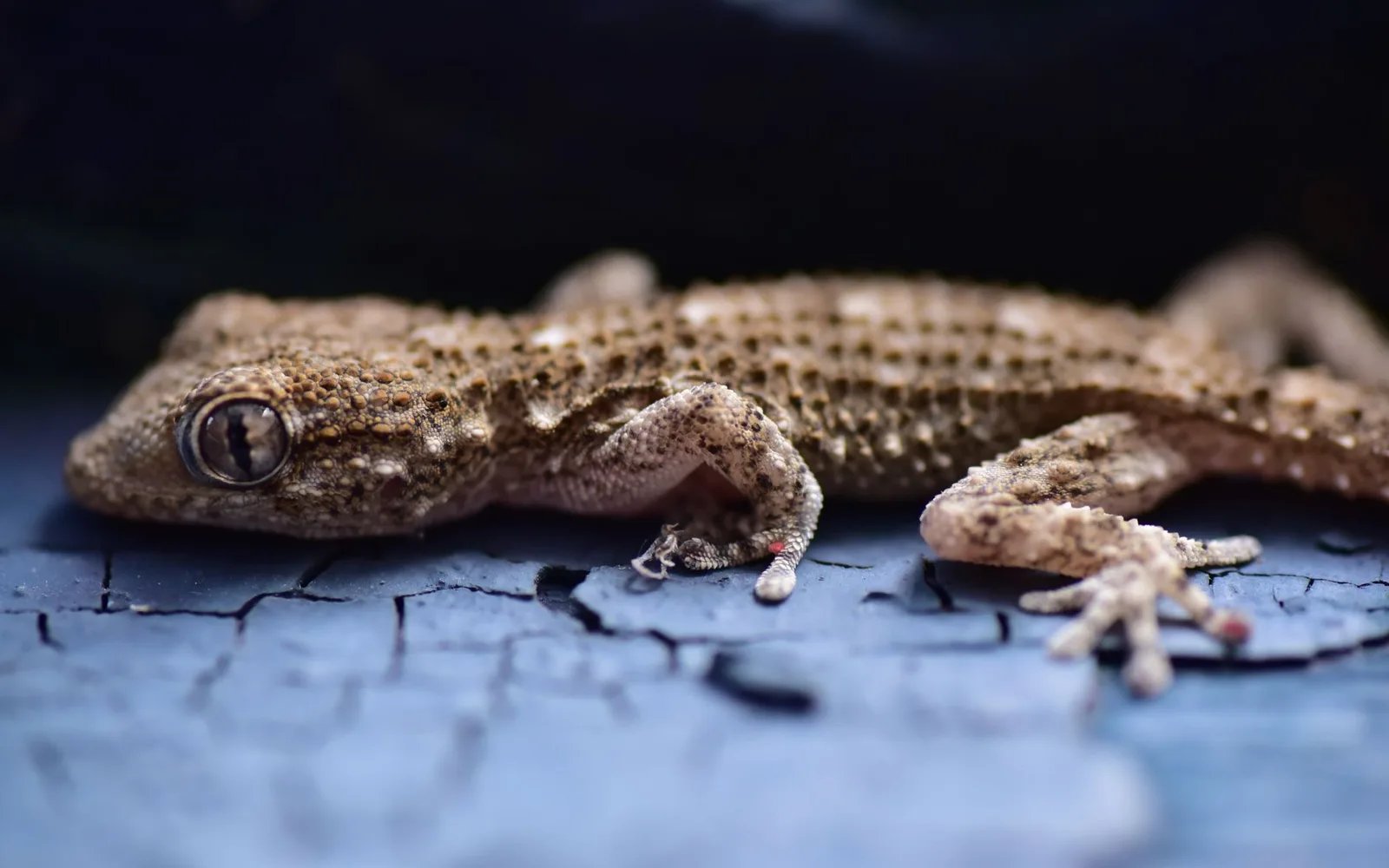
Gecko control in Al Bawadi Jeddah
Al Bawadi is an established district between King Fahd Road and Madinah Road, a mix of commercial and residential buildings with dense shops and eateries on Quraish Street. The many commercial kitchens, ageing pipework and gaps in older fabric create steady shelter for cockroaches and geckos alike, drawing them together.
-
Targeted, not broadcast
Product goes into cracks and runways, never sprayed across open surfaces.
-
Told before we start
What we will use, where it goes, and what to cover or move before we arrive.
-
A follow-up visit
We return after the first treatment, because what survives it does not show on the day.
-
Homes and businesses
Apartments and villas, and kitchens and stores that need a record of each visit.
Why they keep coming back in Al Bawadi
In Al Bawadi, geckos enter shops and offices hunting cockroaches feeding on food scraps from neighbouring restaurants. A gecko may lodge in a shop for days if small insects are plentiful. The method is set out in full on what Gecko control involves.
Dense commercial kitchens feed insects constantly
Quraish Street alone holds scores of restaurants and hotels, and the food waste is heavy. Geckos do not hunt the food directly, they hunt the cockroaches and flies that come for it. Shops near restaurants are far more exposed than isolated ones.
Old pipework leaks and keeps moisture high
Water and drainage networks were laid decades ago and leak steadily. Standing dampness in basements and walls supports cockroach and rodent colonies, and geckos follow them into the building zones.
Gaps in aged structures offer ready pathways
Older buildings have settled and cracked over decades, and the fissures between floors and walls have become natural routes for insects and reptiles alike. Sealing these demands careful work, not a quick fix.
Landmarks of Al Bawadi
Al Bawadi sits between the Engineering Roundabout to the east and Al Hijaz Mall to the west, with Quraish and Al Khatib Al Tabrizi Streets linking these landmarks and defining the locations of shops, offices and warehouses.
- Quraish Street
- Al Khatib Al Tabrizi Street
- Al Hijaz Mall
- Al Bawadi Park
- Engineering Roundabout
- King Fahd Road
The food, the opening and the crevice decide the method
An old district where buildings and utilities date back decades. Water and sewer networks are heavily worn, and commercial streets are packed with restaurants and popular markets that produce continuous food waste.
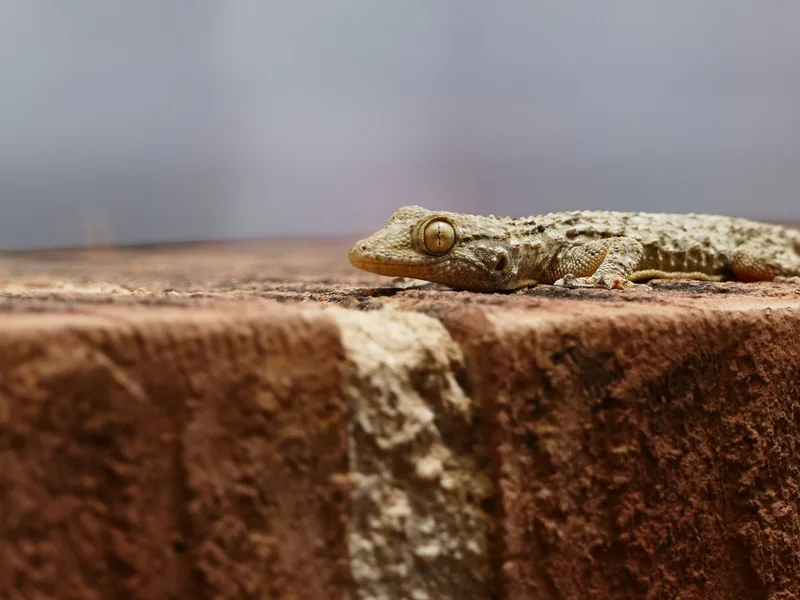
The house gecko
Geckos enter Al Bawadi shops and offices at night hunting small insects, and poor shop cleanliness of crumbs and grease makes them highly attractive targets.

Outdoor lighting
Strong lights on shop fronts attract flying insects and spiders, and geckos come for them at night. Reducing light or shifting to less attractive colours helps deter entry.
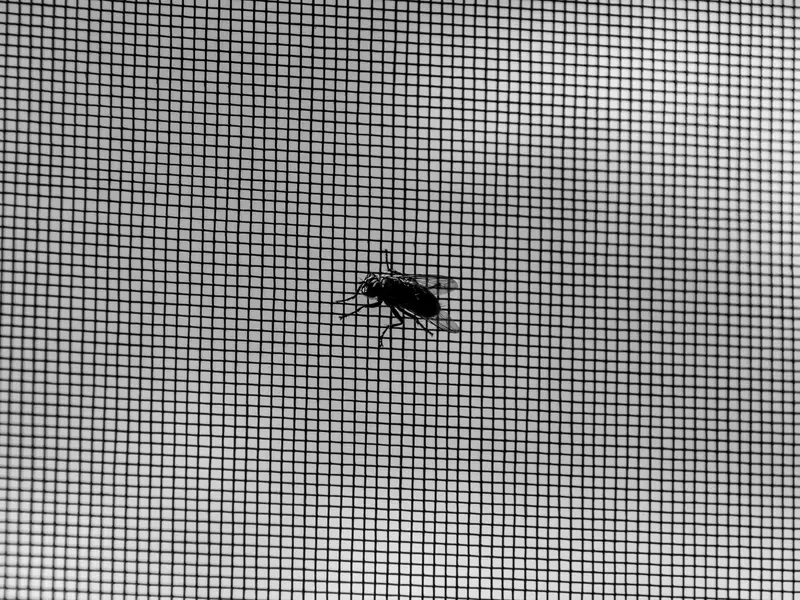
Window mesh
Mesh on shop doors and windows is often old or torn, and small holes give geckos passage. Replacing worn mesh reduces gecko entry significantly.
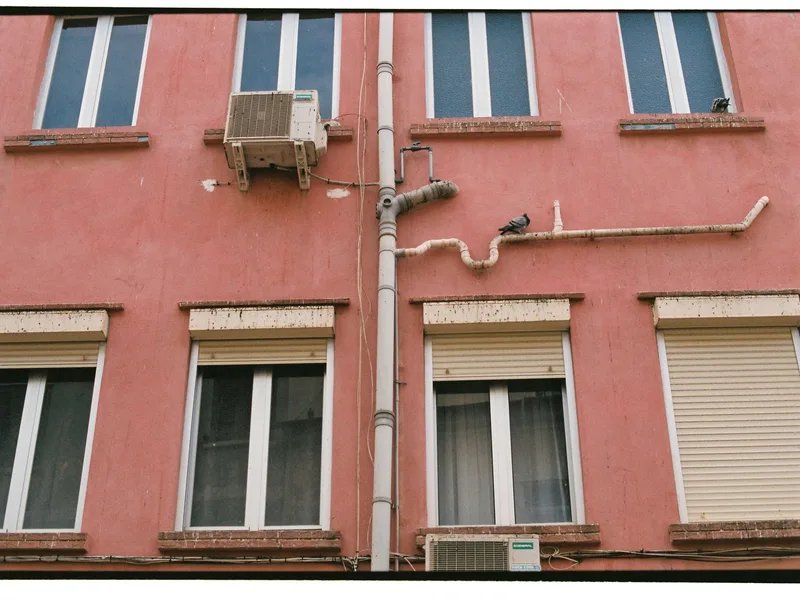
The air-conditioner sleeve
Air conditioner outlets in shops are often unprotected or left fully open, and geckos enter readily while hunting insects around the outdoor unit.
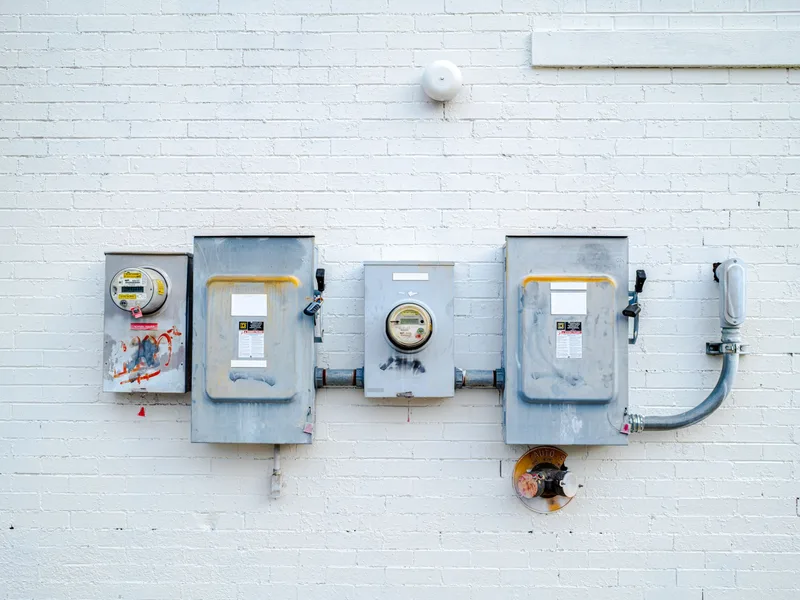
Meter boxes and electrical panels
Electrical panels in shared corridors offer dampness and shade where geckos hide. Treating these spaces is essential because they are gecko highways between units.
The garden and the irrigation
Back yards or narrow alleys between shops accumulate food waste and packaging, attracting insects and geckos together, making these areas priority targets for treatment.
How we work
-
1
Inspect at night and find the source
We come at the hour it is actually moving, and establish which wall face it is living on, which lights are gathering its food, the entry points and the crevices it wedges into by day.
-
2
Treat the food source
We treat the flying and crawling insects on the wall faces, around the perimeter and around the lighting. Once the food goes, the wall stops being worth staying on.
-
3
Close the openings and clear the crevices
We seal the air-conditioner sleeve, screen the vents and drain outlets, deal with the underside of doors, and place a repellent in the crevices and behind panels so they move out before anything is closed.
-
4
The follow-up visit
We come back once the glued eggs have hatched, check the seals held, and re-treat any wall face where activity has returned.
What gecko control includes
-

A recorded night inspection
Wall faces, lighting, entry points and egg sites, all established before anything is applied.
-

Treating the insects on the walls
Targeted treatment around lighting, windows and the building perimeter, because the food is what keeps it there.
-

Placed repellent in the crevices
Behind panels, in wall joints and at the ceiling-void entries, where it sits out the day.
-

Screening vents and drain openings
Shafts, vents and the condensate outlet, which are entry points nobody looks at.
-

Aftercare instructions
Ventilation, what to cover, and the change to the outside lighting that stops the insects gathering again.
-

A scheduled follow-up
A set date after the first treatment, a check on the seals and re-treatment of anything still active.
What is different about Airport Sub-Municipality
The Airport sub-municipality covers some of the oldest established districts of northern Jeddah, gathered around King Abdulaziz International Airport between Madinah Road, King Fahd Road and Prince Majid Road. The stock is villas, single family houses and apartment blocks built decades ago, many served by ageing water and sewer lines. Commercial streets such as Quraish, Sari and Sultan bin Salman are lined with restaurants, furnished flats and popular markets. Dense commercial kitchens, worn pipework and the gaps in older buildings give cockroaches and rodents steady food and shelter, and the high resident population keeps that pressure constant through the year.
Questions about this district
Are restaurants and shops on Quraish Street responsible for geckos in flats above?
Yes, food waste and grease from restaurants below attract cockroaches and insects. The flat above a restaurant will find geckos entering while hunting the insects migrating upward from kitchen spills.
Will treatment damage stock or goods on display in the shop?
The treatment used is safe for occupied shops and retail spaces, with no lingering odour. It is best to cover sensitive stock temporarily during treatment as a precaution.
Should we close the shop during treatment or keep serving customers?
It is best to close for several hours after treatment, giving the residual time to work. After that, the shop is safe to reopen without risk to customers.
How often does a commercial shop need treatment in a year?
In Al Bawadi, where food and moisture are constant, shops may need treatment three to four times a year to keep geckos and cockroaches at bay.
Is it worth treating one shop if all shops share no dividing wall?
Treating one shop stops geckos temporarily, but geckos and cockroaches from the next shop will return through shared vents or seams between units.
Will treating the flat above the restaurant stop the geckos completely?
Treatment stops geckos inside the flat, but insects from the restaurant below will keep rising through holes and cracks. Treating the flat alone will not end the problem unless the restaurant itself controls cockroaches.
How much does gecko control in Al Bawadi cost?
It is set after the inspection, because the price follows the type of infestation, the size of the space, how far it has spread and the number of visits it needs. Send a photo and a description on WhatsApp and we will give you an estimate before we reach Al Bawadi.
Nearby districts we cover
Other services in Al Bawadi
Other services we provide to residents of Al Bawadi.
-
 Residential
Cockroach control
Residential
Cockroach control
-
 Residential
Bed bug control
Residential
Bed bug control
-
 Residential
Termite control
Residential
Termite control
-
 Residential
Rodents and mice
Residential
Rodents and mice
-
 Residential
Mosquito control
Residential
Mosquito control
-
 Residential
Fly control
Residential
Fly control
-
 Residential
Ant control
Residential
Ant control
-
 Residential
Scorpion control
Residential
Scorpion control
-
 Residential
Snake control
Residential
Snake control
-
 Residential
Flea control
Residential
Flea control
-
 Residential
Bird and pigeon control
Residential
Bird and pigeon control
-
 Residential
Preventive treatment
Residential
Preventive treatment
-
 Residential
Disinfection
Residential
Disinfection
-
 Commercial
Annual contracts
Commercial
Annual contracts
-
 Commercial
Restaurants and cafes
Commercial
Restaurants and cafes
-
 Commercial
Hotels and apartments
Commercial
Hotels and apartments
-
 Commercial
Warehouses and factories
Commercial
Warehouses and factories
-
 Commercial
Schools and nurseries
Commercial
Schools and nurseries
-
 Commercial
Retail and malls
Commercial
Retail and malls
-
 Commercial
Rest houses and farms
Commercial
Rest houses and farms
-
 Commercial
Fumigation
Commercial
Fumigation
-
 Water tanks
Water tank cleaning
Water tanks
Water tank cleaning
-
 Water tanks
Water tank sterilization
Water tanks
Water tank sterilization
-
 Water tanks
Water tank sealing
Water tanks
Water tank sealing
-
 Water tanks
Tank leak repair
Water tanks
Tank leak repair
Need gecko control in Al Bawadi? Tell us what you saw and we will tell you what it needs
We reach Al Bawadi at a time we agree, and you get the full cost before we start.