
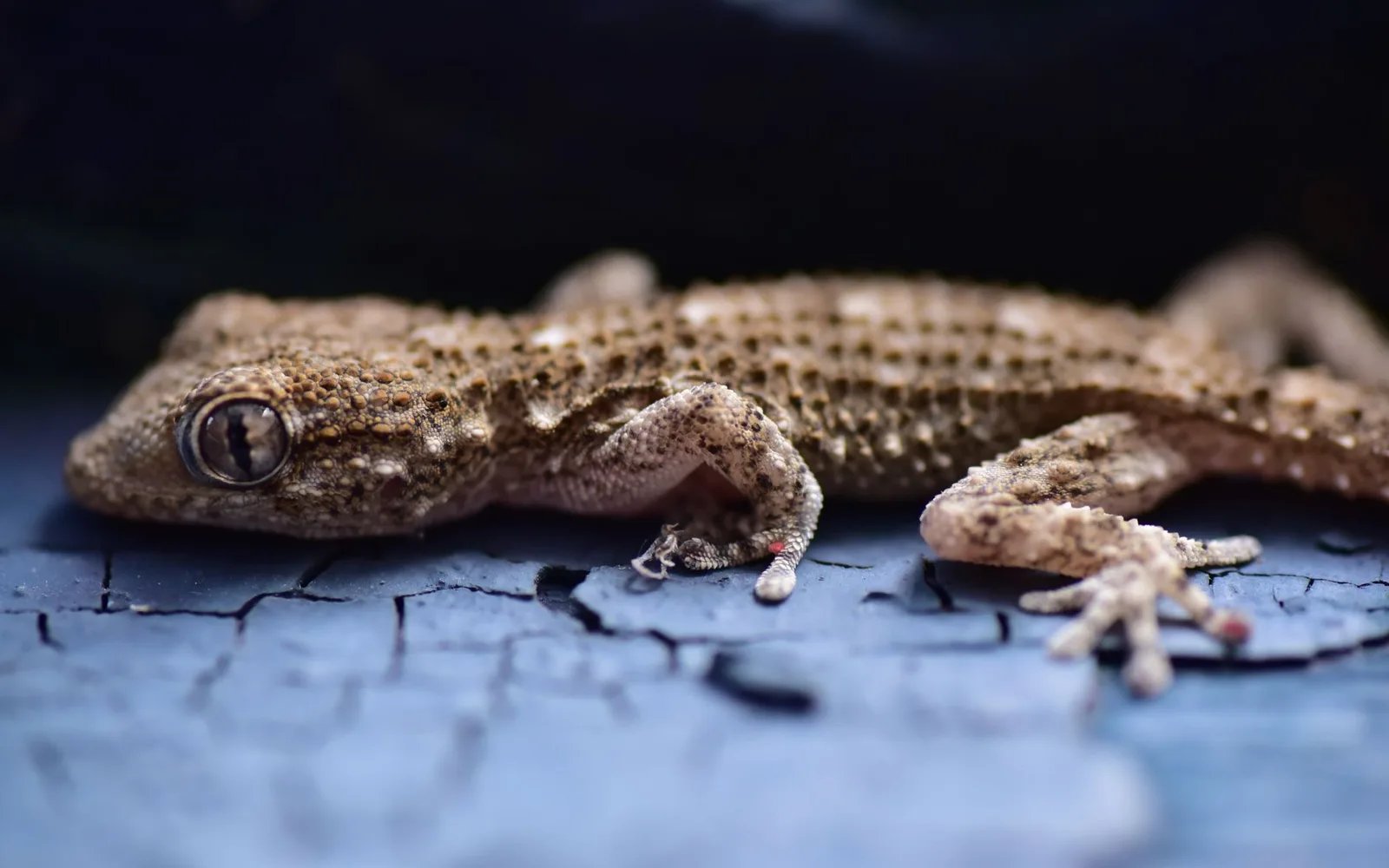
Gecko control in Al Hajlah Makkah
Al Hajlah is a steep narrow quarter climbing Ibrahim Al Khalil Street towards the Grand Mosque, walled by pressed together hotels and furnished apartments. Visitors come and go constantly, the buildings turn over rapidly, and gecko homes are the deep cracks between ancient sandstone and coral walls. Treatment begins by mapping the internal cracks and waiting for glued eggs to hatch.
-
Targeted, not broadcast
Product goes into cracks and runways, never sprayed across open surfaces.
-
Told before we start
What we will use, where it goes, and what to cover or move before we arrive.
-
A follow-up visit
We return after the first treatment, because what survives it does not show on the day.
-
Homes and businesses
Apartments and villas, and kitchens and stores that need a record of each visit.
Why they keep coming back in Al Hajlah
The gecko here lives in deep stone cracks and emerges at night when the crowded hotels and buildings cool, hunting the insects brought in by transient visitors. The method is set out in full on what Gecko control involves.
Sandstone and coral stone trap geckos deep inside
Hajlah's walls are ancient sandstone and coral rock riddled with cracks that drop a metre or more. The gecko withdraws into the deepest point by day and emerges at night when buildings cool. Extraction demands careful probing and chemical tracing into depth.
Constant guest turnover feeds insects and attracts geckos
Hotels and rented blocks receive new visitors daily, each carrying insects. Kitchens and waste in crowded buildings provide year round food for the gecko population.
Shared entrances and narrow passages enable rapid gecko movement
Shared entrances and the extremely tight passages between hotels and buildings provide gecko routes. Treating one hotel without its neighbours may not stop the gecko from moving to the adjacent building.
Al Hajlah on the map
Al Hajlah sits about 0.5 km from Ajyad and about 0.5 km from Al Shubaikah.
Open in Google MapsThe food, the opening and the crevice decide the method
The quarter sits between two hills on very old sandstone and coral rock. The long deep cracks in the stone create perfect refuges for geckos and insects.
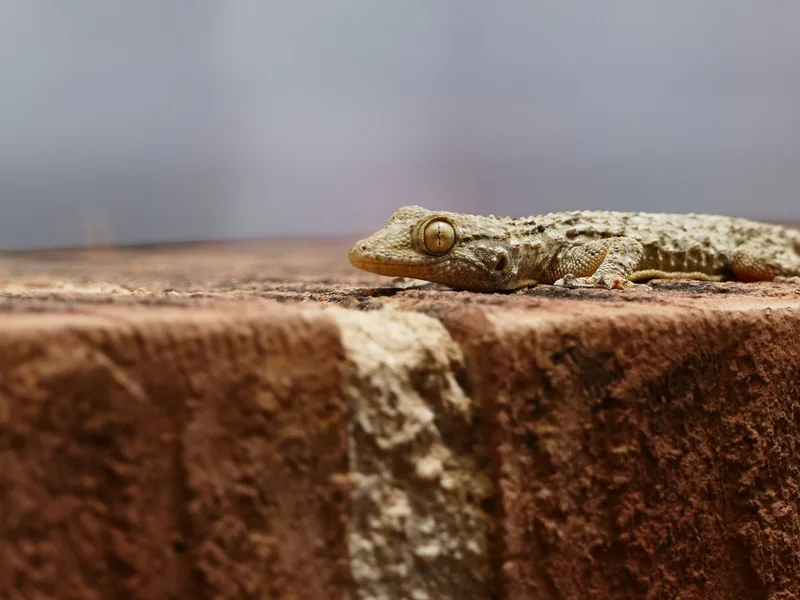
The house gecko
The house gecko in Al Hajlah retreats deep into stone cracks during the day, emerging at night when buildings cool and visitor activity subsides.

Outdoor lighting
Hotels and block lighting at night draws heavy insect traffic, keeping Al Hajlah stocked with geckos year round.
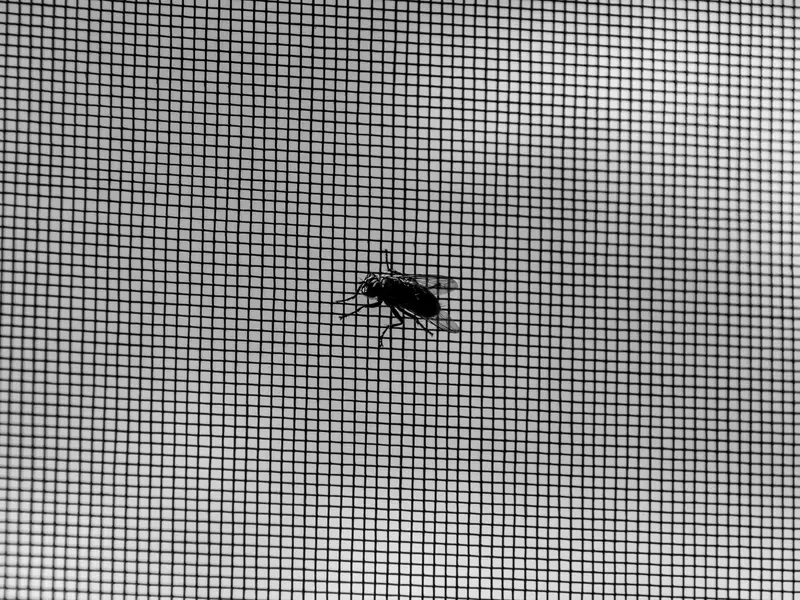
Window mesh
Mesh and entry screens in old hotels and blocks are badly degraded, allowing gecko entry from the shared passages.
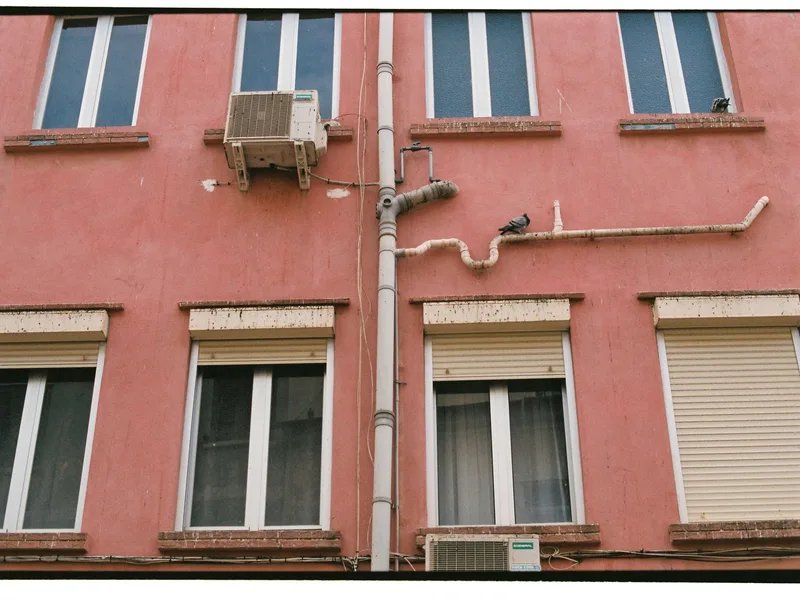
The air-conditioner sleeve
Air conditioning sleeves in old hotels provide direct gecko routes between floors.
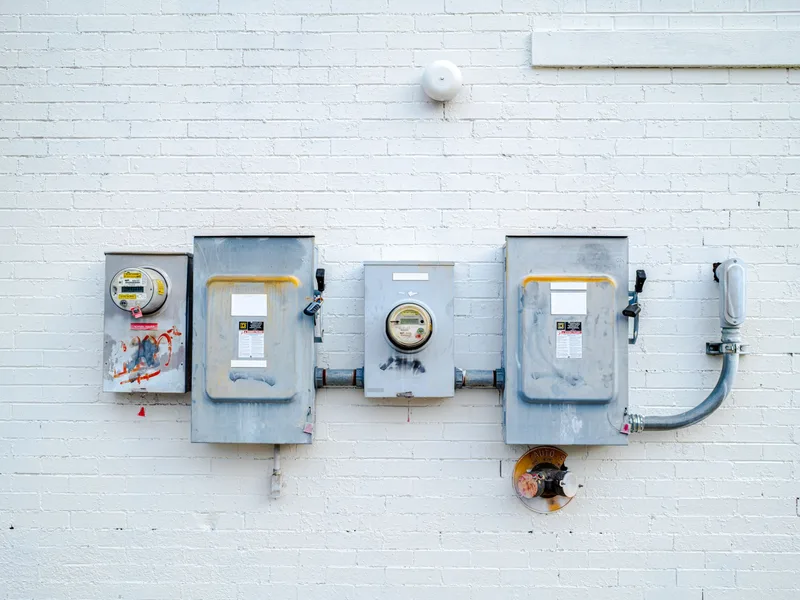
Meter boxes and electrical panels
Electrical panels and boxes in hotels and blocks attract insects and geckos through heat and wire gaps.
The garden and the irrigation
Parks and irrigation around the Grand Mosque provide moisture and insects that feed geckos year round.
How we work
-
1
Inspect at night and find the source
We come at the hour it is actually moving, and establish which wall face it is living on, which lights are gathering its food, the entry points and the crevices it wedges into by day.
-
2
Treat the food source
We treat the flying and crawling insects on the wall faces, around the perimeter and around the lighting. Once the food goes, the wall stops being worth staying on.
-
3
Close the openings and clear the crevices
We seal the air-conditioner sleeve, screen the vents and drain outlets, deal with the underside of doors, and place a repellent in the crevices and behind panels so they move out before anything is closed.
-
4
The follow-up visit
We come back once the glued eggs have hatched, check the seals held, and re-treat any wall face where activity has returned.
What gecko control includes
-

A recorded night inspection
Wall faces, lighting, entry points and egg sites, all established before anything is applied.
-

Treating the insects on the walls
Targeted treatment around lighting, windows and the building perimeter, because the food is what keeps it there.
-

Placed repellent in the crevices
Behind panels, in wall joints and at the ceiling-void entries, where it sits out the day.
-

Screening vents and drain openings
Shafts, vents and the condensate outlet, which are entry points nobody looks at.
-

Aftercare instructions
Ventilation, what to cover, and the change to the outside lighting that stops the insects gathering again.
-

A scheduled follow-up
A set date after the first treatment, a check on the seals and re-treatment of anything still active.
Landmarks of Al Hajlah
Treatment in Al Hajlah follows Ibrahim Al Khalil Street climbing towards the Grand Mosque, where hotels and blocks are stacked, then descends towards Al Hijrah Street where the oldest buildings and deepest cracks house the established gecko population.
- Ibrahim Al Khalil Street
- The Grand Mosque
- Jabal Omar
- Al Shubaikah Cemetery
- Al Hijrah Street
Questions about this district
How deep do the stone cracks in Al Hajlah actually run?
The cracks in Hajlah's sandstone and coral walls descend a metre or more below the surface. The gecko retreats far below, away from heat and cold, making ordinary spray ineffective.
Do hotels need different treatment from normal residential buildings?
Yes; hotels receive new guests and waste every day. Treatment must repeat more frequently and carefully monitor guest entry points for re-infestation.
Does treating a single hotel protect the adjacent apartment block?
The hotel and adjacent block are very close. Geckos move between them through passages and cracks, so treating both is essential.
Does the crowded hotel environment accelerate gecko spread?
Yes; constant movement, daily waste and new arrivals bring insects and re infection opportunity. Treatment requires ongoing surveillance.
How do we get pesticide deep into sandstone cracks effectively?
We insert thin probes or syringes into the cracks and dispense the product gently until we reach the deepest point where geckos hide.
Do stone cracks offer better gecko shelter than concrete cracks?
Sandstone and coral are deeper and more complex, offering superior gecko refuge. Concrete cracks are shallower and simpler to treat.
How much does gecko control in Al Hajlah cost?
It is set after the inspection, because the price follows the type of infestation, the size of the space, how far it has spread and the number of visits it needs. Send a photo and a description on WhatsApp and we will give you an estimate before we reach Al Hajlah.
Nearby districts we cover
Other services in Al Hajlah
Other services we provide to residents of Al Hajlah.
-
 Residential
Cockroach control
Residential
Cockroach control
-
 Residential
Bed bug control
Residential
Bed bug control
-
 Residential
Termite control
Residential
Termite control
-
 Residential
Rodents and mice
Residential
Rodents and mice
-
 Residential
Mosquito control
Residential
Mosquito control
-
 Residential
Fly control
Residential
Fly control
-
 Residential
Ant control
Residential
Ant control
-
 Residential
Scorpion control
Residential
Scorpion control
-
 Residential
Snake control
Residential
Snake control
-
 Residential
Flea control
Residential
Flea control
-
 Residential
Bird and pigeon control
Residential
Bird and pigeon control
-
 Residential
Preventive treatment
Residential
Preventive treatment
-
 Residential
Disinfection
Residential
Disinfection
-
 Commercial
Annual contracts
Commercial
Annual contracts
-
 Commercial
Restaurants and cafes
Commercial
Restaurants and cafes
-
 Commercial
Hotels and apartments
Commercial
Hotels and apartments
-
 Commercial
Warehouses and factories
Commercial
Warehouses and factories
-
 Commercial
Schools and nurseries
Commercial
Schools and nurseries
-
 Commercial
Retail and malls
Commercial
Retail and malls
-
 Commercial
Rest houses and farms
Commercial
Rest houses and farms
-
 Commercial
Fumigation
Commercial
Fumigation
-
 Water tanks
Water tank cleaning
Water tanks
Water tank cleaning
-
 Water tanks
Water tank sterilization
Water tanks
Water tank sterilization
-
 Water tanks
Water tank sealing
Water tanks
Water tank sealing
-
 Water tanks
Tank leak repair
Water tanks
Tank leak repair
Need gecko control in Al Hajlah? Tell us what you saw and we will tell you what it needs
We reach Al Hajlah at a time we agree, and you get the full cost before we start.