
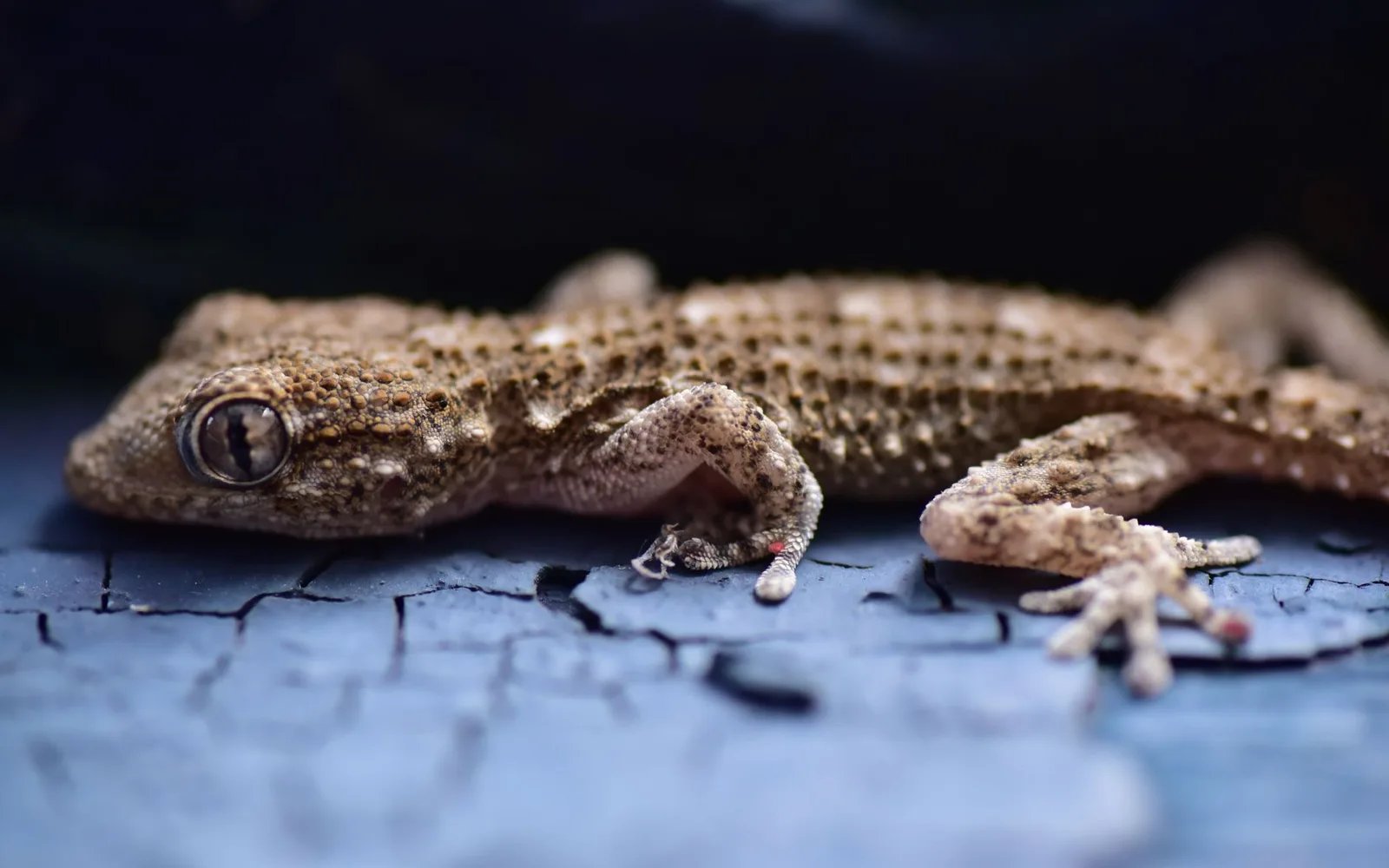
Gecko control in Al Ukayshiyah Makkah
Al Ukayshiyah is a mixed district south of Makkah near the Fourth Ring Road where informal and formal buildings sit together with a huge pilgrim bus terminal in the middle. Intense night lighting at the terminal and markets gathers millions of insects, and geckos concentrate there in numbers before spreading through the residential buildings that surround the commercial core.
-
Targeted, not broadcast
Product goes into cracks and runways, never sprayed across open surfaces.
-
Told before we start
What we will use, where it goes, and what to cover or move before we arrive.
-
A follow-up visit
We return after the first treatment, because what survives it does not show on the day.
-
Homes and businesses
Apartments and villas, and kitchens and stores that need a record of each visit.
Why they keep coming back in Al Ukayshiyah
The huge pilgrim bus station and crowded markets provide chaotic conditions where insects and geckos spread easily, and surrounding residential buildings face constant gecko migration pressure from these commercial zones. The method is set out in full on the full Gecko control page.
The bus terminal lights and insect swarms attract geckos in numbers
The vast bus station at the district's heart offers ideal insect gathering conditions under intense night lights, and geckos congregate in large numbers around the terminal and adjacent roads. Insects arrive from coach arrivals, terminal waste and open ground scattered around.
Informal buildings and irregular deep cracks provide gecko shelter
Mixed formal and informal buildings with some partially demolished provide irregular deep cracks and varied gaps. Geckos find easy shelter in these irregular fissures and in the spaces between buildings of different heights mixed throughout the quarter.
Markets, shops and seasonal occupancy cycles allow gecko accumulation
Souq Al Halaqa and roadside shops supply food waste and insects in plenty, and geckos congregate around shop lights at night. Seasonal tenant turnover means flats sit empty periodically, offering geckos concentration zones between occupation cycles.
The character of Al Ukayshiyah
Mixed district: shops at street level with homes above them
Mixed districts feature varied cracks and buildings of different ages, so ground floor shops are the primary attraction but homes above receive constant upward gecko migration, requiring coordination between residents and shop owners for uniform treatment.
The food, the opening and the crevice decide the method
The district mixes partly demolished informal buildings with new paving and sewerage works, a major coach terminal and Souq Al Halaqa at its edge, crossed by busy commercial roads.
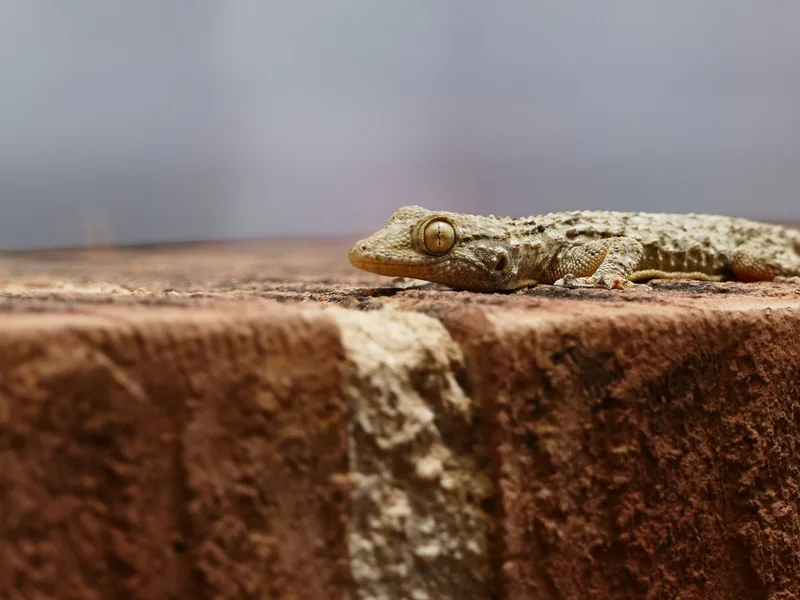
The house gecko
House geckos in this district concentrate first around the bus terminal and night shops before gradually spreading into residential buildings that surround the commercial core.
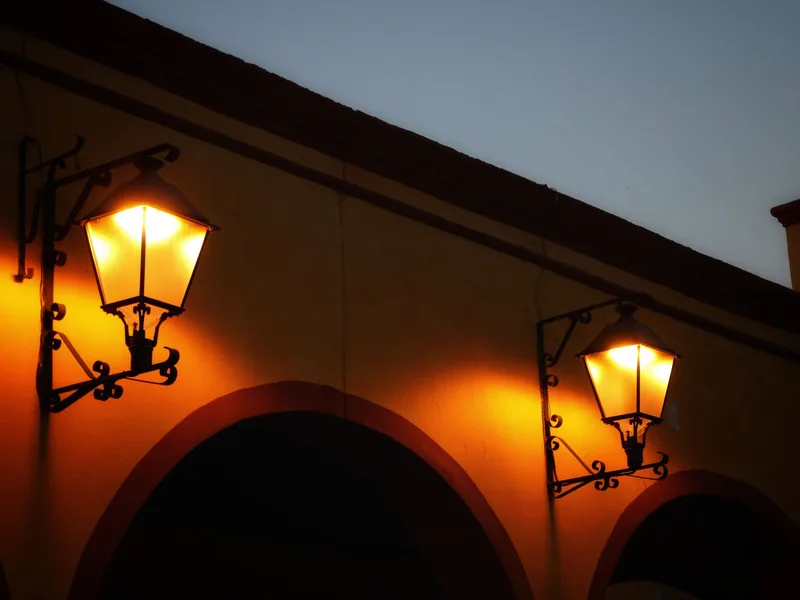
Outdoor lighting
Exterior lighting at the bus terminal and roadside shops gathers large insect quantities, and treatment focuses on these central zones first.
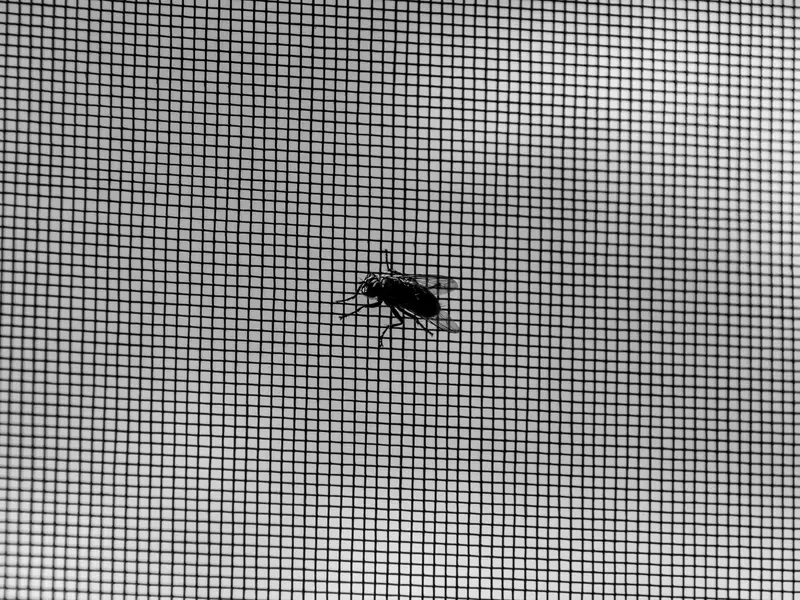
Window mesh
Window mesh and screening may not exist on informal and older buildings, and fitting barriers requires coordination with residents on uniform standards.
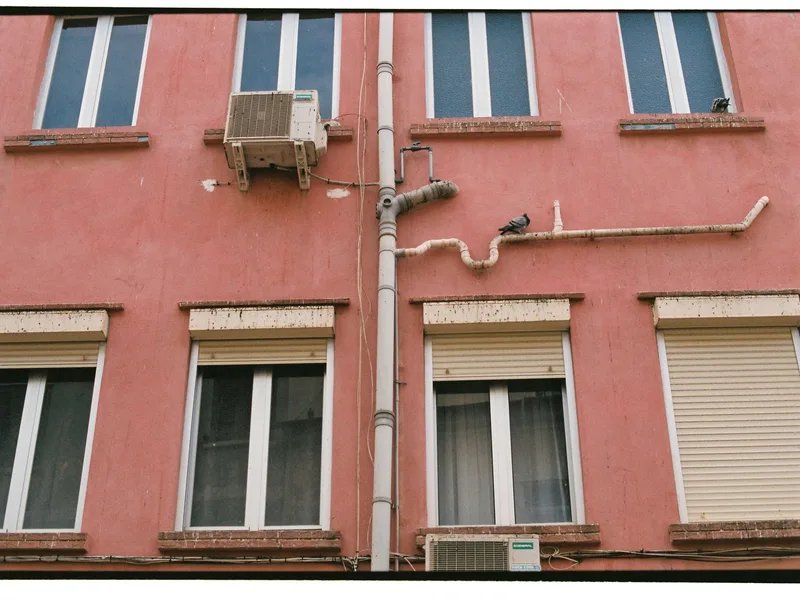
The air-conditioner sleeve
Air conditioning and ventilation openings on mixed age buildings vary and each flat may need customised treatment according to its position and condition.
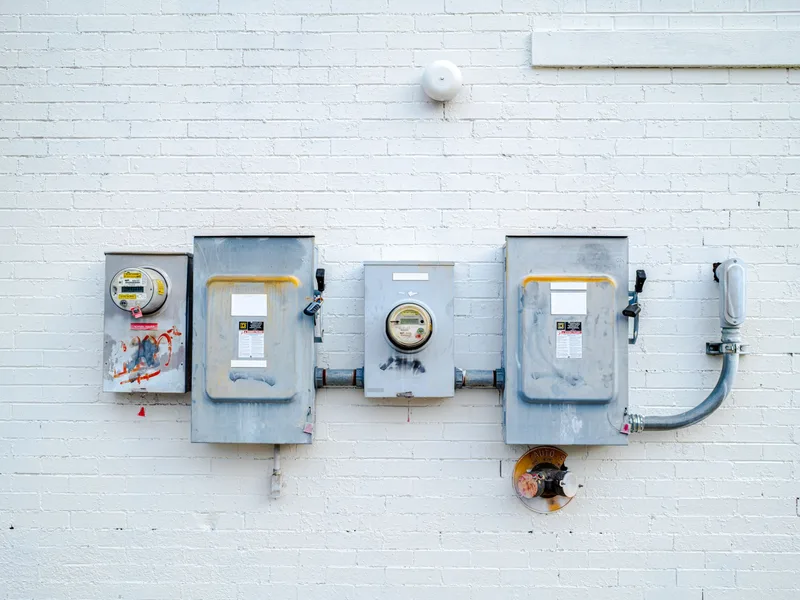
Meter boxes and electrical panels
Electrical panels and meter boxes in mixed districts may occupy varied and shared spaces, needing careful and cautious inspection due to variation in cable runs.
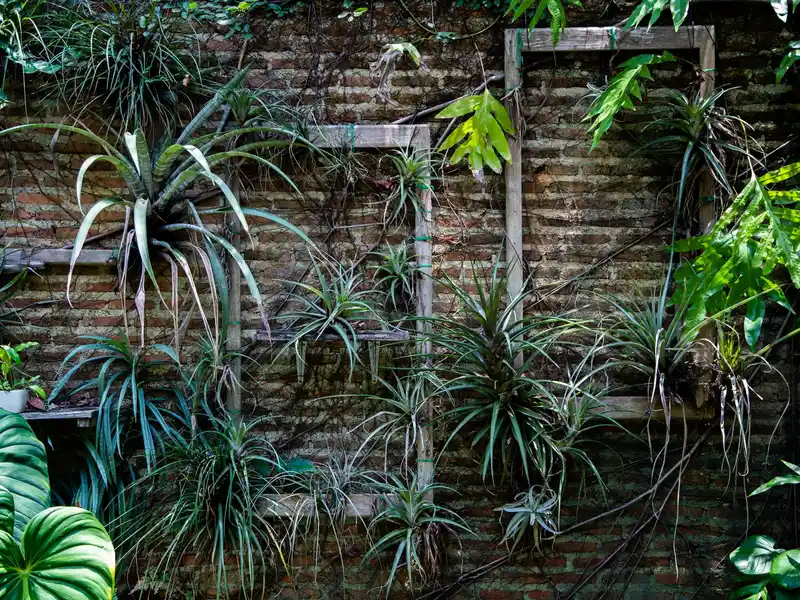
The garden and the irrigation
Shared gardens and exterior spaces may be irregular, and standing water from ongoing paving works may increase moisture around building bases.
How we work
-
1
Inspect at night and find the source
We come at the hour it is actually moving, and establish which wall face it is living on, which lights are gathering its food, the entry points and the crevices it wedges into by day.
-
2
Treat the food source
We treat the flying and crawling insects on the wall faces, around the perimeter and around the lighting. Once the food goes, the wall stops being worth staying on.
-
3
Close the openings and clear the crevices
We seal the air-conditioner sleeve, screen the vents and drain outlets, deal with the underside of doors, and place a repellent in the crevices and behind panels so they move out before anything is closed.
-
4
The follow-up visit
We come back once the glued eggs have hatched, check the seals held, and re-treat any wall face where activity has returned.
What gecko control includes
-

A recorded night inspection
Wall faces, lighting, entry points and egg sites, all established before anything is applied.
-

Treating the insects on the walls
Targeted treatment around lighting, windows and the building perimeter, because the food is what keeps it there.
-

Placed repellent in the crevices
Behind panels, in wall joints and at the ceiling-void entries, where it sits out the day.
-

Screening vents and drain openings
Shafts, vents and the condensate outlet, which are entry points nobody looks at.
-

Aftercare instructions
Ventilation, what to cover, and the change to the outside lighting that stops the insects gathering again.
-

A scheduled follow-up
A set date after the first treatment, a check on the seals and re-treatment of anything still active.
Landmarks of Al Ukayshiyah
The district extends along Al Layth Road and Ibrahim Al Khalil Road, where gecko treatment starts at the bus terminal and Souq Al Halaqa surroundings and covers residential buildings along these road lengths.
- Fourth Ring Road
- Al Layth Road
- Ibrahim Al Khalil Road
- Souq Al Halaqa
- At Taqwa Mosque
Questions about this district
Will treating the bus terminal alone protect the surrounding residential buildings?
Treating the terminal will reduce insect supply but does not fully protect surrounding homes. Geckos already established in nearby residential buildings will remain, and homes need separate concurrent treatment alongside the terminal work.
Do partly demolished informal buildings provide safe gecko shelter?
Yes, partially demolished buildings and demolition rubble zones offer excellent gecko and insect refuge. These areas may be continuous gecko sources migrating toward occupied neighbouring buildings.
Does seasonal occupancy cycles worsen the gecko problem in this district?
Yes, flats left empty between tenant periods become gecko shelter, and repeated entry and exit by residents may undermine prevention measures. Each new occupation cycle may introduce fresh gecko problems.
Does proximity to Souq Al Halaqa directly worsen the gecko problem?
Yes, the souq supplies food waste and insects in quantity, and geckos congregate around the souq at night to hunt. Flats adjacent to the souq are far more exposed than those distant from it.
Do roadside shops and their night lights increase gecko spread into homes above them?
Yes, night operating shops provide strong lights, insects and food scraps, which strongly attract geckos. Flats directly above these shops face constant gecko migration pressure from below.
How many treatments does this architecturally complex mixed district typically need?
Usually four to five treatments spread across months, especially if the district continues urban redevelopment work. Treating shops and homes concurrently matters, with repeat cycles during seasonal peaks.
How much does gecko control in Al Ukayshiyah cost?
It is set after the inspection, because the price follows the type of infestation, the size of the space, how far it has spread and the number of visits it needs. Send a photo and a description on WhatsApp and we will give you an estimate before we reach Al Ukayshiyah.
Nearby districts we cover
Other services in Al Ukayshiyah
Other services we provide to residents of Al Ukayshiyah.
-
 Residential
Cockroach control
Residential
Cockroach control
-
 Residential
Bed bug control
Residential
Bed bug control
-
 Residential
Termite control
Residential
Termite control
-
 Residential
Rodents and mice
Residential
Rodents and mice
-
 Residential
Mosquito control
Residential
Mosquito control
-
 Residential
Fly control
Residential
Fly control
-
 Residential
Ant control
Residential
Ant control
-
 Residential
Scorpion control
Residential
Scorpion control
-
 Residential
Snake control
Residential
Snake control
-
 Residential
Flea control
Residential
Flea control
-
 Residential
Bird and pigeon control
Residential
Bird and pigeon control
-
 Residential
Preventive treatment
Residential
Preventive treatment
-
 Residential
Disinfection
Residential
Disinfection
-
 Commercial
Annual contracts
Commercial
Annual contracts
-
 Commercial
Restaurants and cafes
Commercial
Restaurants and cafes
-
 Commercial
Hotels and apartments
Commercial
Hotels and apartments
-
 Commercial
Warehouses and factories
Commercial
Warehouses and factories
-
 Commercial
Schools and nurseries
Commercial
Schools and nurseries
-
 Commercial
Retail and malls
Commercial
Retail and malls
-
 Commercial
Rest houses and farms
Commercial
Rest houses and farms
-
 Commercial
Fumigation
Commercial
Fumigation
-
 Water tanks
Water tank cleaning
Water tanks
Water tank cleaning
-
 Water tanks
Water tank sterilization
Water tanks
Water tank sterilization
-
 Water tanks
Water tank sealing
Water tanks
Water tank sealing
-
 Water tanks
Tank leak repair
Water tanks
Tank leak repair
Need gecko control in Al Ukayshiyah? Tell us what you saw and we will tell you what it needs
We reach Al Ukayshiyah at a time we agree, and you get the full cost before we start.