
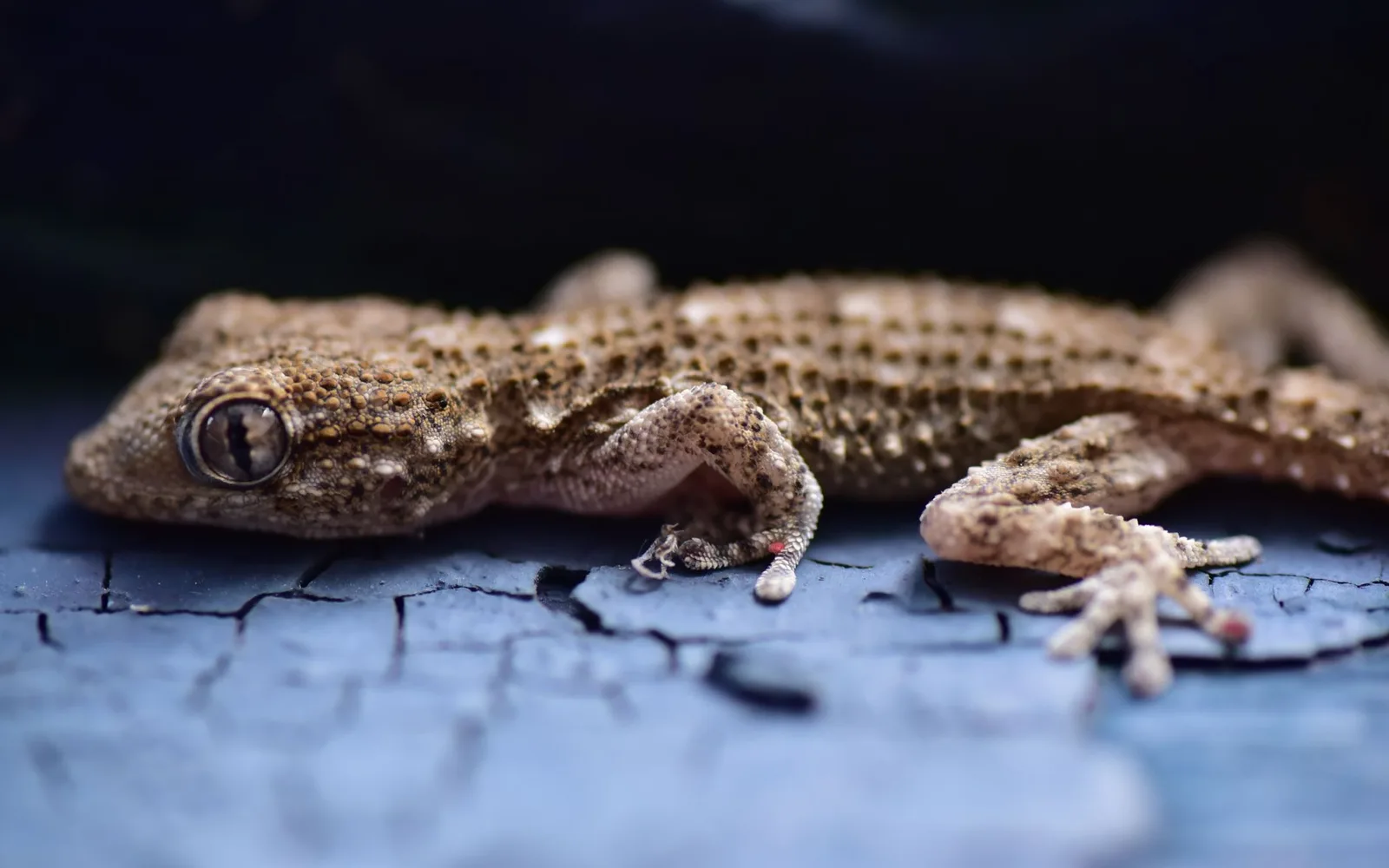
Gecko control in Al Zahra Jeddah
Al Zahra is a mixed district in north western Jeddah containing major hospitals, health resorts and apartment blocks side by side, creating constant movement of visitors, staff and patients. This heavy foot traffic brings insects and geckos with it, and the hospitals and health resorts provide damp environments, shared ventilation systems and multiple entry points that geckos exploit to migrate between buildings.
-
Targeted, not broadcast
Product goes into cracks and runways, never sprayed across open surfaces.
-
Told before we start
What we will use, where it goes, and what to cover or move before we arrive.
-
A follow-up visit
We return after the first treatment, because what survives it does not show on the day.
-
Homes and businesses
Apartments and villas, and kitchens and stores that need a record of each visit.
Why they keep coming back in Al Zahra
Districts adjoining large hospitals experience seasonal gecko migration from crowded hotel buildings into neighbouring homes, particularly during peak visiting periods and extended treatment cycles. The method is set out in full on how we approach Gecko control.
Hospital and resort humidity attracts and sustains insects
Hospitals operate continuous air conditioning, showers and wash areas generating steady humidity. This environment attracts mosquitoes, flies and cockroaches, and geckos follow the same pathway. The adjacency of residential flats to hospital buildings means constant gecko and insect movement between them via shared conduits and openings.
Health resorts import geckos through guests and luggage
Health resorts receive hundreds of guests daily and their baggage, which may carry gecko eggs or cockroach oothecae unwittingly. Resort rooms adjoining residential flats mean geckos migrate directly from guest rooms into neighbouring homes via shared walls and service gaps.
Shared utilities between hospitals and residential blocks
Hospitals operate large-bore water, drainage and ventilation pipework, much of it passing beside or beneath residential blocks. Gaps and voids around these utilities provide direct gecko and insect pathways from the hospital zone into the flats.
The character of Al Zahra
Mixed district: shops at street level with homes above them
A mixed district in Al Zahra means residential flats neighbour hospitals and health resorts, creating continuous insect flow between damp zones with shared ventilation. Treatment here is not a one-off service but requires regular cycles and co-ordination with hospital facilities management.
The food, the opening and the crevice decide the method
Hospitals and health resorts maintain high humidity, interrupted food hygiene and multiple insect sources year round, creating an ideal habitat for geckos in direct adjacency to residential flats.
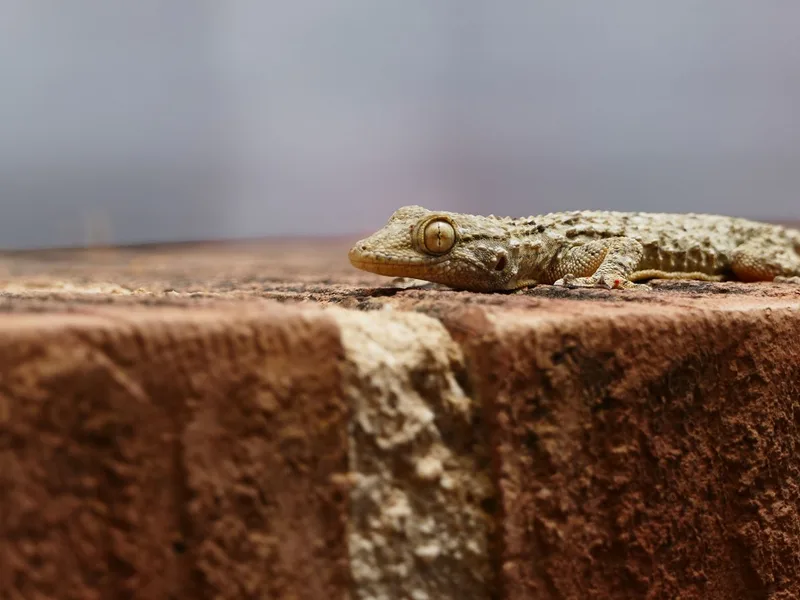
The house gecko
House geckos in Al Zahra originate in continuous insect sources in hospitals and health resorts and migrate into neighbouring flats when population pressure rises.

Outdoor lighting
Night lighting in resorts and hospitals attracts insects powerfully, and the gecko finds abundant food, meaning faster reproduction and higher pressure on neighbouring residential blocks.
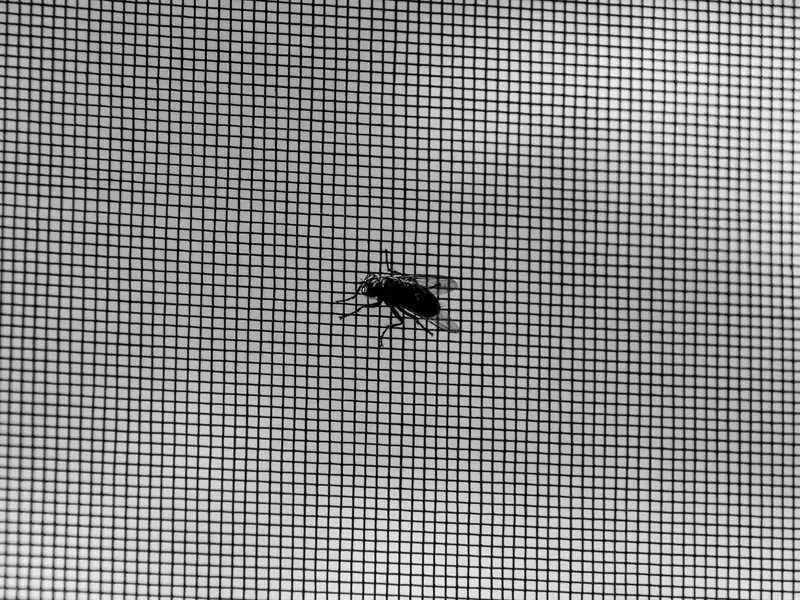
Window mesh
Window mesh in flats adjoining hospitals must be thoroughly secure, and all gaps around pipes originating from hospital blocks must be carefully sealed.
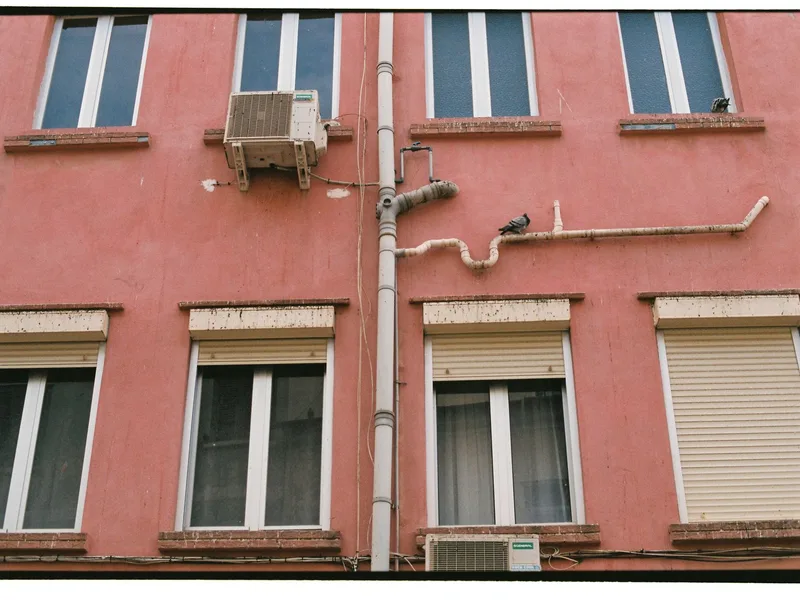
The air-conditioner sleeve
Shared air-conditioning and ventilation pipes between hospital and flat may be direct gecko highways, and their sleeve openings must be inspected and sealed on both sides.
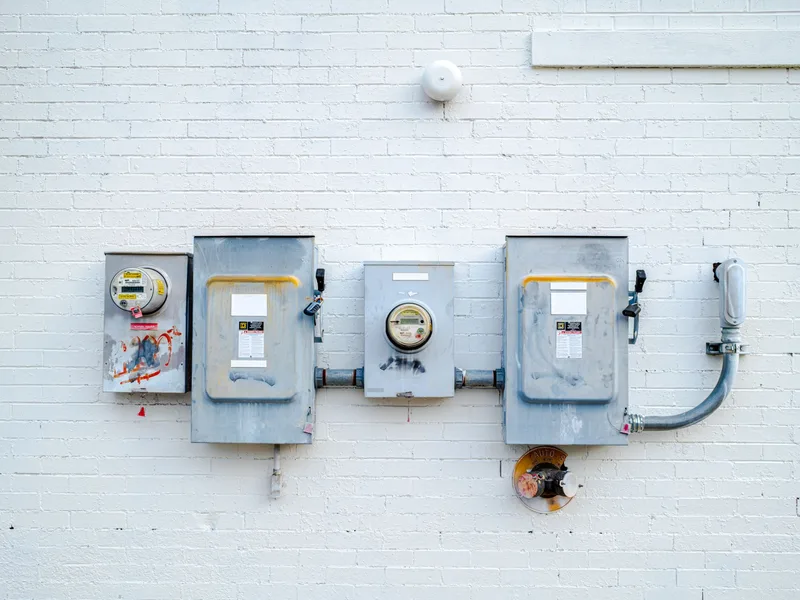
Meter boxes and electrical panels
Electrical panels and meter boxes near shared openings with hospitals must be treated regularly and sealed thoroughly to deny entry pathways.
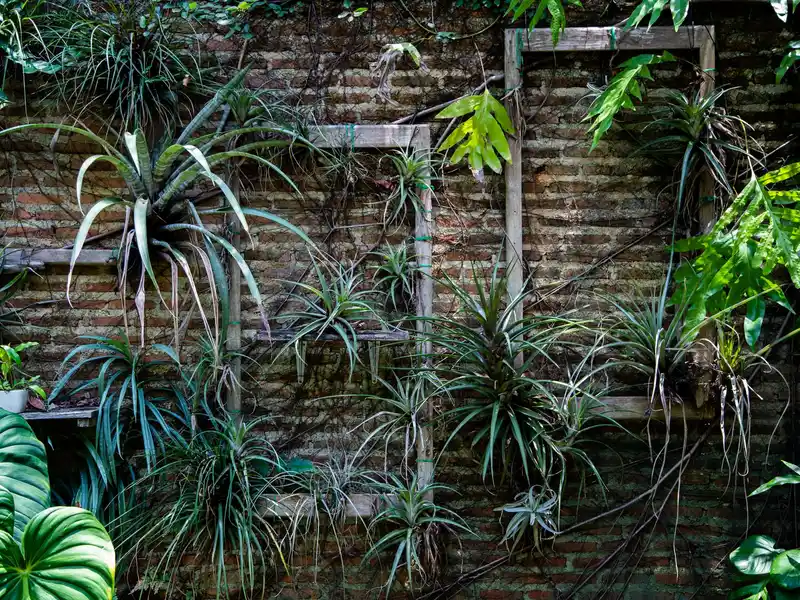
The garden and the irrigation
Any shared garden or roof space may harbour geckos and insects fleeing the hospital zone, and may require separate and periodic treatment.
How we work
-
1
Inspect at night and find the source
We come at the hour it is actually moving, and establish which wall face it is living on, which lights are gathering its food, the entry points and the crevices it wedges into by day.
-
2
Treat the food source
We treat the flying and crawling insects on the wall faces, around the perimeter and around the lighting. Once the food goes, the wall stops being worth staying on.
-
3
Close the openings and clear the crevices
We seal the air-conditioner sleeve, screen the vents and drain outlets, deal with the underside of doors, and place a repellent in the crevices and behind panels so they move out before anything is closed.
-
4
The follow-up visit
We come back once the glued eggs have hatched, check the seals held, and re-treat any wall face where activity has returned.
What gecko control includes
-

A recorded night inspection
Wall faces, lighting, entry points and egg sites, all established before anything is applied.
-

Treating the insects on the walls
Targeted treatment around lighting, windows and the building perimeter, because the food is what keeps it there.
-

Placed repellent in the crevices
Behind panels, in wall joints and at the ceiling-void entries, where it sits out the day.
-

Screening vents and drain openings
Shafts, vents and the condensate outlet, which are entry points nobody looks at.
-

Aftercare instructions
Ventilation, what to cover, and the change to the outside lighting that stops the insects gathering again.
-

A scheduled follow-up
A set date after the first treatment, a check on the seals and re-treatment of anything still active.
Landmarks of Al Zahra
Work in Al Zahra starts from King Abdulaziz Road where hospitals and resorts cluster, then extends to residential blocks on Hira Street and adjoining areas. Al Zahra Hospital and the Saudi German Hospital are the starting points for understanding the insect sources and gecko patterns in the district.
- King Abdulaziz Road
- Hira Street
- Al Zahra Hospital
- Saudi German Hospital
- University of Business and Technology
- Zahra Mall
Questions about this district
Does hospital humidity below the flat mean permanent gecko problems?
Yes. Continuous humidity below means continuous insects, and geckos do not stop. Treating the flat alone will not solve this if insect sources in the hospital are uninterrupted. Treatment every three to four weeks may be needed.
Do visitors and patients at the health resort carry geckos and insects?
Guests themselves do not, but their luggage may carry cockroach oothecae and other insects. The resort is a continuous insect source, and geckos follow into neighbouring flats.
Is treating just the flat enough when adjoining a health resort?
No, because the resort is a continuous insect source. The flat and shared areas must be treated more frequently than other districts, and co-ordination with resort management may be needed.
Are walls shared with the resort safe from gecko infiltration?
Shared walls may contain ventilation gaps and service pipes. Geckos use these openings to cross over. Shared walls must be inspected thoroughly and sealed.
Does Hajj season and holiday peaks worsen gecko problems in Al Zahra?
Yes. Peak periods in health resorts bring more luggage and visitors, amplifying insect sources. Treatment during peak season may require faster repeat cycles.
Does sealing gaps around hospital pipes stop geckos completely?
Sealing reduces pathways but does not stop entry if insect sources inside the hospital remain active. Regular periodic treatment co-ordinated with sealing is essential.
How much does gecko control in Al Zahra cost?
It is set after the inspection, because the price follows the type of infestation, the size of the space, how far it has spread and the number of visits it needs. Send a photo and a description on WhatsApp and we will give you an estimate before we reach Al Zahra.
Nearby districts we cover
Other services in Al Zahra
Other services we provide to residents of Al Zahra.
-
 Residential
Cockroach control
-
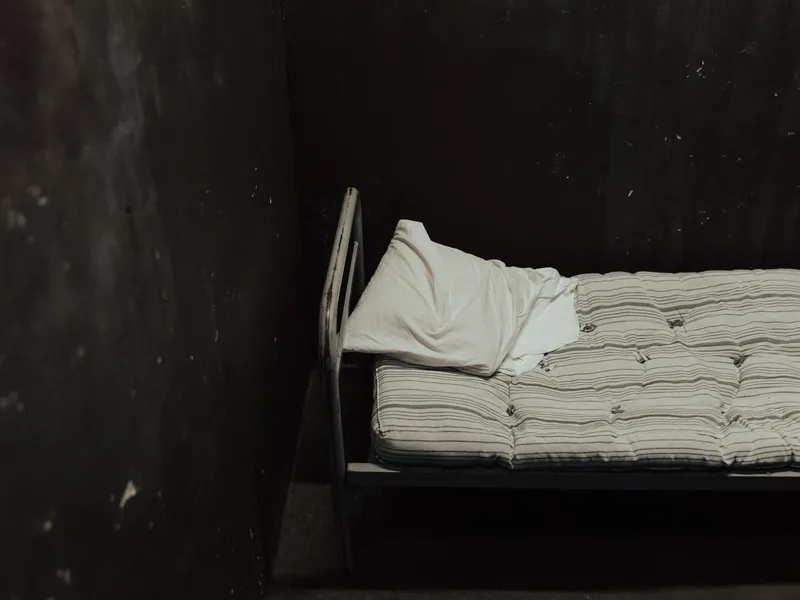 Residential
Bed bug control
-
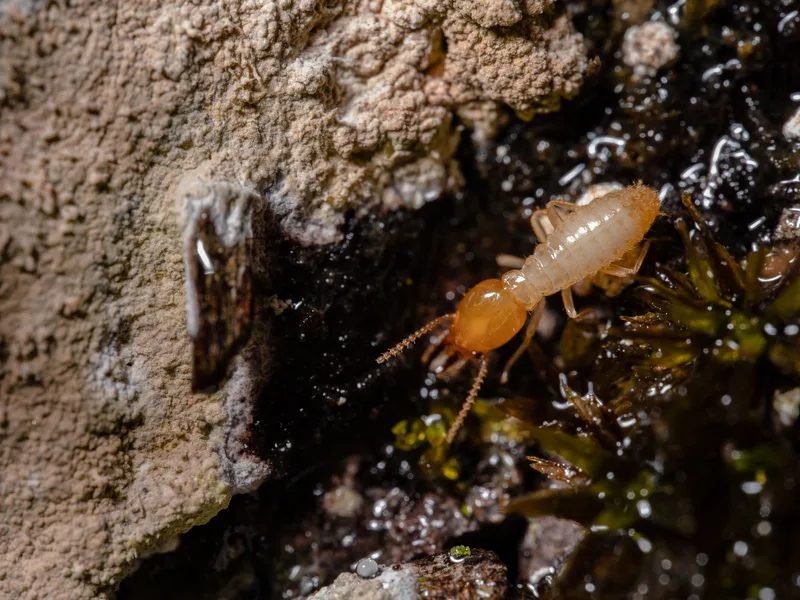 Residential
Termite control
-
 Residential
Rodents and mice
Need gecko control in Al Zahra? Tell us what you saw and we will tell you what it needs
We reach Al Zahra at a time we agree, and you get the full cost before we start.