
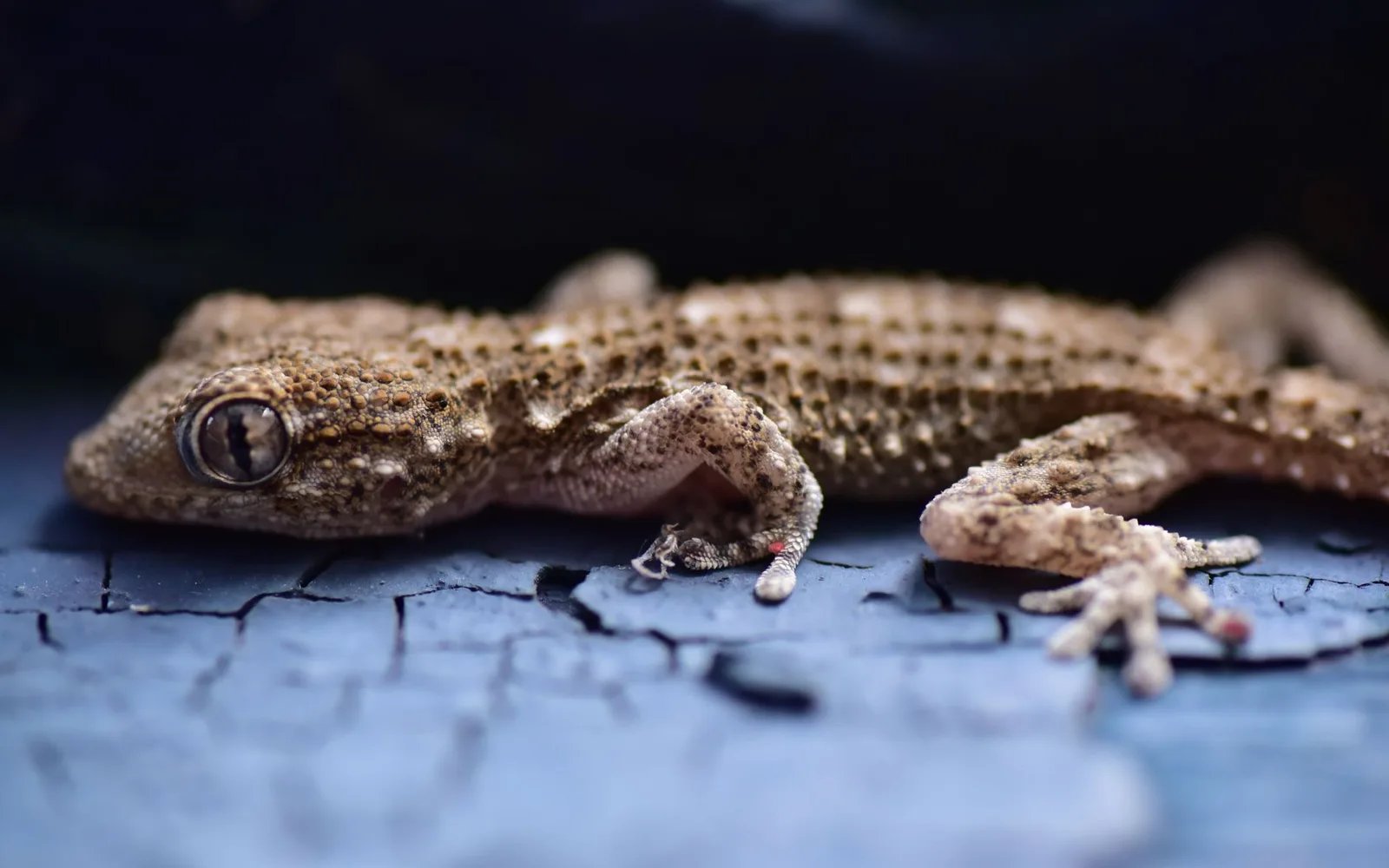
Gecko control in Al Zumurrud Jeddah
Al Zumurrud is a northern coastal neighbourhood on the Red Sea near Dhahban, with recent villas, apartments and rest houses sited directly on the shoreline. The seaside location means perpetually high humidity and salt-laden air year round, and salt spray constantly widens wall fissures into gecko shelters. The gecko arrives from the sea wall and corniche hunting insects that gather around lights and gaps, and it finds the neighbourhood's damp and fractured building stock ideal for settlement.
-
Targeted, not broadcast
Product goes into cracks and runways, never sprayed across open surfaces.
-
Told before we start
What we will use, where it goes, and what to cover or move before we arrive.
-
A follow-up visit
We return after the first treatment, because what survives it does not show on the day.
-
Homes and businesses
Apartments and villas, and kitchens and stores that need a record of each visit.
Why they keep coming back in Al Zumurrud
Perpetual humidity and sea salt mean building walls and foundations corrode steadily and develop new fissures continuously, providing the gecko a never-ending supply of fresh shelter spaces. The method is set out in full on our Gecko control service.
Coastal humidity and salt spray continuously widen fissures into gecko refuges
Coastal air, extreme humidity and sea salt dissolve building materials relentlessly. Foundations and external walls deteriorate steadily and develop cracks, offering the gecko fresh fissures constantly. Salt penetrates deep into concrete and masonry, causing structural cracks that become ideal gecko shelter, and the rate of salt-driven damage may exceed maintenance capacity.
The corniche and shoreline offer natural gecko habitat adjacent to residential plots
Coastal rock formations, sand and the shoreline environment provide the gecko natural shelter very close by. It arrives from the sea wall and beaches hunting insects and fresh water, and the short distance between shore and villa means gecko populations can relocate freely between outdoor and residential spaces.
Night-time lighting and fresh water attract insects the gecko follows indoors
Villa and apartment lighting at night draws insects from the sea and corniche. Fresh water from air-conditioner condensate and pool surrounds creates damp microhabitats that attract small insects and the gecko alike, drawing it from the water's edge into occupied spaces.
Al Zumurrud on the map
Al Zumurrud sits about 3 km from Al Yaqut and about 4 km from Al Lulu.
Open in Google MapsThe food, the opening and the crevice decide the method
A northern coastal district on the Red Sea with recent villas and apartments and residential and commercial plots, bordered by the sea to the west, Al Lulu and Al Yaqut to the south and Al Sawari to the east, with chalets and rest houses along its shore.
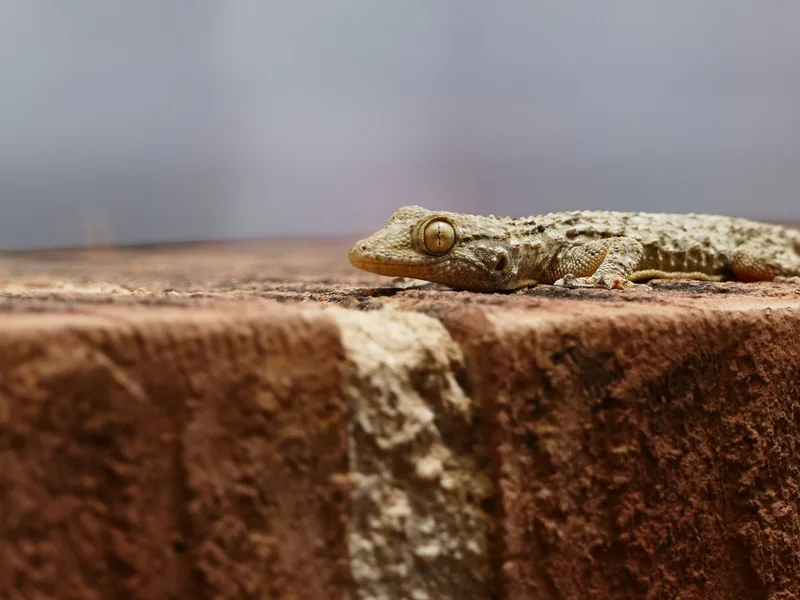
The house gecko
The house gecko shelters in salt-widened fissures in coastal villa and apartment walls, emerging at night to hunt insects that gather around external lighting and fresh-water pools and air-conditioner drains.

Outdoor lighting
Villa and apartment lighting at night draws flying insects from the sea and corniche, and the gecko arrives from the shoreline following these insect concentrations into residential spaces.
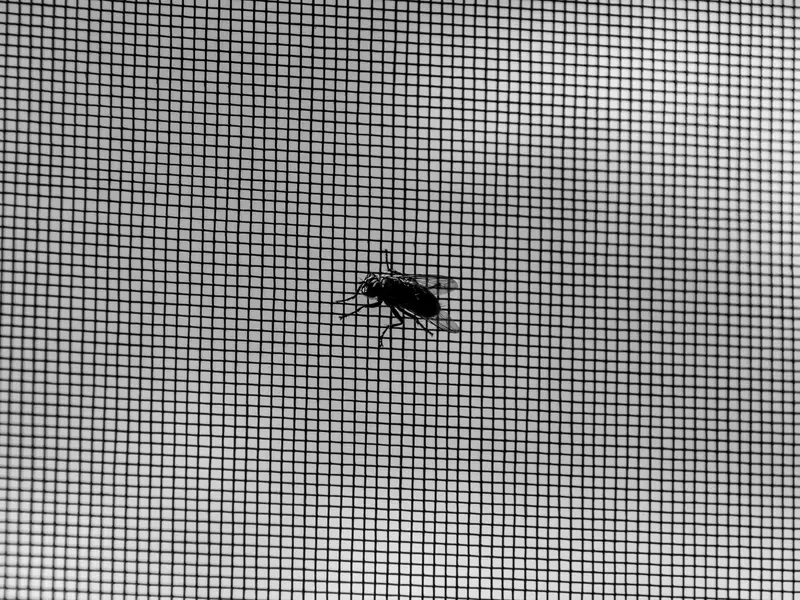
Window mesh
Windows of villas and apartments facing the sea and corniche are often left open or fitted with poor mesh to enjoy the sea breeze, and the gecko enters directly from the beach through these compromised barriers.
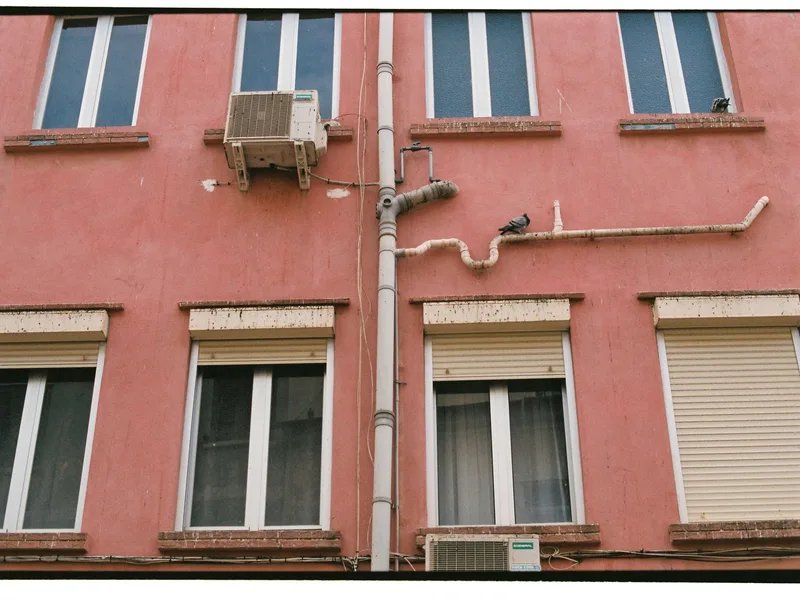
The air-conditioner sleeve
Air-conditioner ducts passing through exterior walls facing the sea often have poor seals owing to rapid construction, offering the gecko direct passage from the outside into the residential envelope.
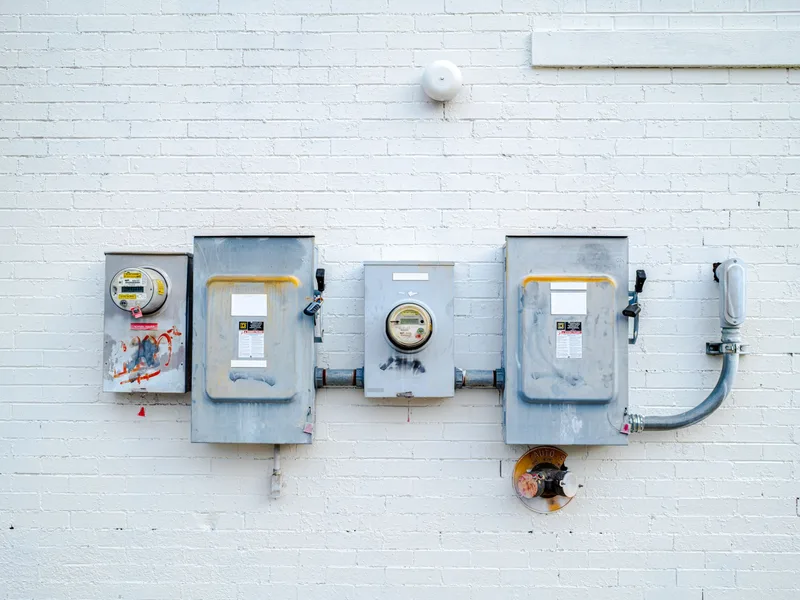
Meter boxes and electrical panels
Electrical boxes and meter cabinets on exterior walls adjacent to the sea corrode from salt and damp very rapidly and may serve as gecko entry points and daytime shelter.
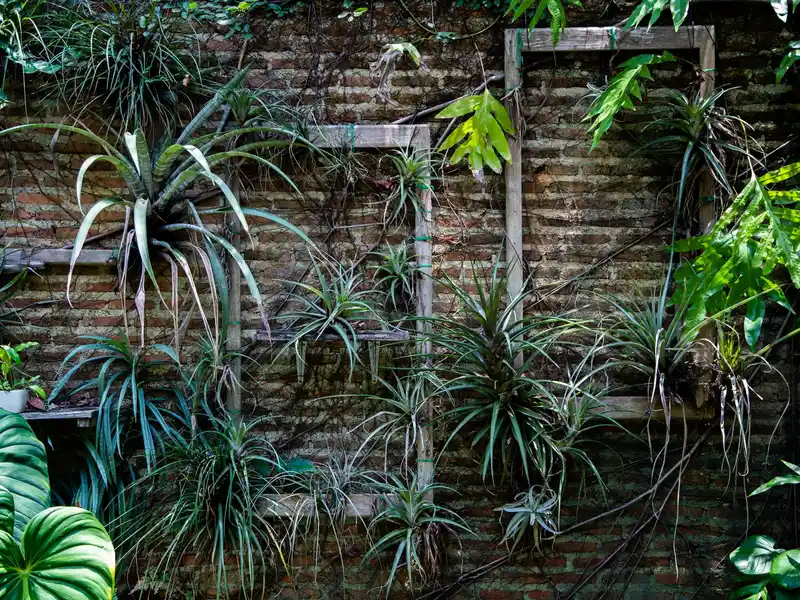
The garden and the irrigation
Small pools and standing water around air-conditioner condensate and pool surrounds provide fresh water that attracts insects and the gecko alike from the sea wall and nearby beaches.
How we work
-
1
Inspect at night and find the source
We come at the hour it is actually moving, and establish which wall face it is living on, which lights are gathering its food, the entry points and the crevices it wedges into by day.
-
2
Treat the food source
We treat the flying and crawling insects on the wall faces, around the perimeter and around the lighting. Once the food goes, the wall stops being worth staying on.
-
3
Close the openings and clear the crevices
We seal the air-conditioner sleeve, screen the vents and drain outlets, deal with the underside of doors, and place a repellent in the crevices and behind panels so they move out before anything is closed.
-
4
The follow-up visit
We come back once the glued eggs have hatched, check the seals held, and re-treat any wall face where activity has returned.
What gecko control includes
-

A recorded night inspection
Wall faces, lighting, entry points and egg sites, all established before anything is applied.
-

Treating the insects on the walls
Targeted treatment around lighting, windows and the building perimeter, because the food is what keeps it there.
-

Placed repellent in the crevices
Behind panels, in wall joints and at the ceiling-void entries, where it sits out the day.
-

Screening vents and drain openings
Shafts, vents and the condensate outlet, which are entry points nobody looks at.
-

Aftercare instructions
Ventilation, what to cover, and the change to the outside lighting that stops the insects gathering again.
-

A scheduled follow-up
A set date after the first treatment, a check on the seals and re-treatment of anything still active.
Landmarks of Al Zumurrud
Work in Al Zumurrud requires access along corniche routes and from the beach toward villas and apartments sited directly on the shore, and treatment around coastal areas requires careful attention to the marine ecosystem and visitor patterns.
- Omar bin Siddiq Attar Mosque
- Al Khair Mosque
- Primary Health Care Centre
Questions about this district
Does Al Zumurrud's coastal location mean year-round gecko activity?
Yes. Coastal weather remains warm year round, and humidity provides ideal gecko habitat throughout the year. There is no dormant season in Al Zumurrud; the gecko remains actively hunting every month.
Does sea salt accelerate wall decay and fissure formation?
Yes substantially. Salt corrodes walls rapidly. Exterior foundations and walls in coastal zones deteriorate far faster than inland structures. New cracks appear continuously, and these fresh fissures provide the gecko new shelter regularly and predictably.
Do beachfront rest houses offer gecko shelter between the shore and residential villas?
Beachfront chalets and rest houses offer damp, open environments very close to the sea. The gecko arrives from the beach into these structures, then moves readily into nearby villas and apartments which sit only metres away.
Does high humidity compromise pesticide efficacy?
High humidity can reduce effectiveness of some formulations, particularly those relying on evaporation. Contact-based and direct-application treatments may perform better in very damp conditions.
Does the gecko swim in from the sea or arrive from the shoreline rocks?
The gecko does not swim from the sea, but it arrives from rocks and sand on the beach and along the corniche. The shoreline and its edges provide it natural shelter metres away from villas and apartments.
Does fresh water from air conditioners and pools attract geckos more than sea water does?
Yes. The gecko seeks fresh water for drinking. Pooling around air-conditioner condensate and small pools attracts both insects and geckos. Fresh water nearby is a significant settlement driver for the gecko population.
How much does gecko control in Al Zumurrud cost?
It is set after the inspection, because the price follows the type of infestation, the size of the space, how far it has spread and the number of visits it needs. Send a photo and a description on WhatsApp and we will give you an estimate before we reach Al Zumurrud.
Other services in Al Zumurrud
Other services we provide to residents of Al Zumurrud.
-
 Residential
Cockroach control
Residential
Cockroach control
-
 Residential
Bed bug control
Residential
Bed bug control
-
 Residential
Termite control
Residential
Termite control
-
 Residential
Rodents and mice
Residential
Rodents and mice
-
 Residential
Mosquito control
Residential
Mosquito control
-
 Residential
Fly control
Residential
Fly control
-
 Residential
Ant control
Residential
Ant control
-
 Residential
Scorpion control
Residential
Scorpion control
-
 Residential
Snake control
Residential
Snake control
-
 Residential
Flea control
Residential
Flea control
-
 Residential
Bird and pigeon control
Residential
Bird and pigeon control
-
 Residential
Preventive treatment
Residential
Preventive treatment
-
 Residential
Disinfection
Residential
Disinfection
-
 Commercial
Annual contracts
Commercial
Annual contracts
-
 Commercial
Restaurants and cafes
Commercial
Restaurants and cafes
-
 Commercial
Hotels and apartments
Commercial
Hotels and apartments
-
 Commercial
Warehouses and factories
Commercial
Warehouses and factories
-
 Commercial
Schools and nurseries
Commercial
Schools and nurseries
-
 Commercial
Retail and malls
Commercial
Retail and malls
-
 Commercial
Rest houses and farms
Commercial
Rest houses and farms
-
 Commercial
Fumigation
Commercial
Fumigation
-
 Water tanks
Water tank cleaning
Water tanks
Water tank cleaning
-
 Water tanks
Water tank sterilization
Water tanks
Water tank sterilization
-
 Water tanks
Water tank sealing
Water tanks
Water tank sealing
-
 Water tanks
Tank leak repair
Water tanks
Tank leak repair
Need gecko control in Al Zumurrud? Tell us what you saw and we will tell you what it needs
We reach Al Zumurrud at a time we agree, and you get the full cost before we start.