
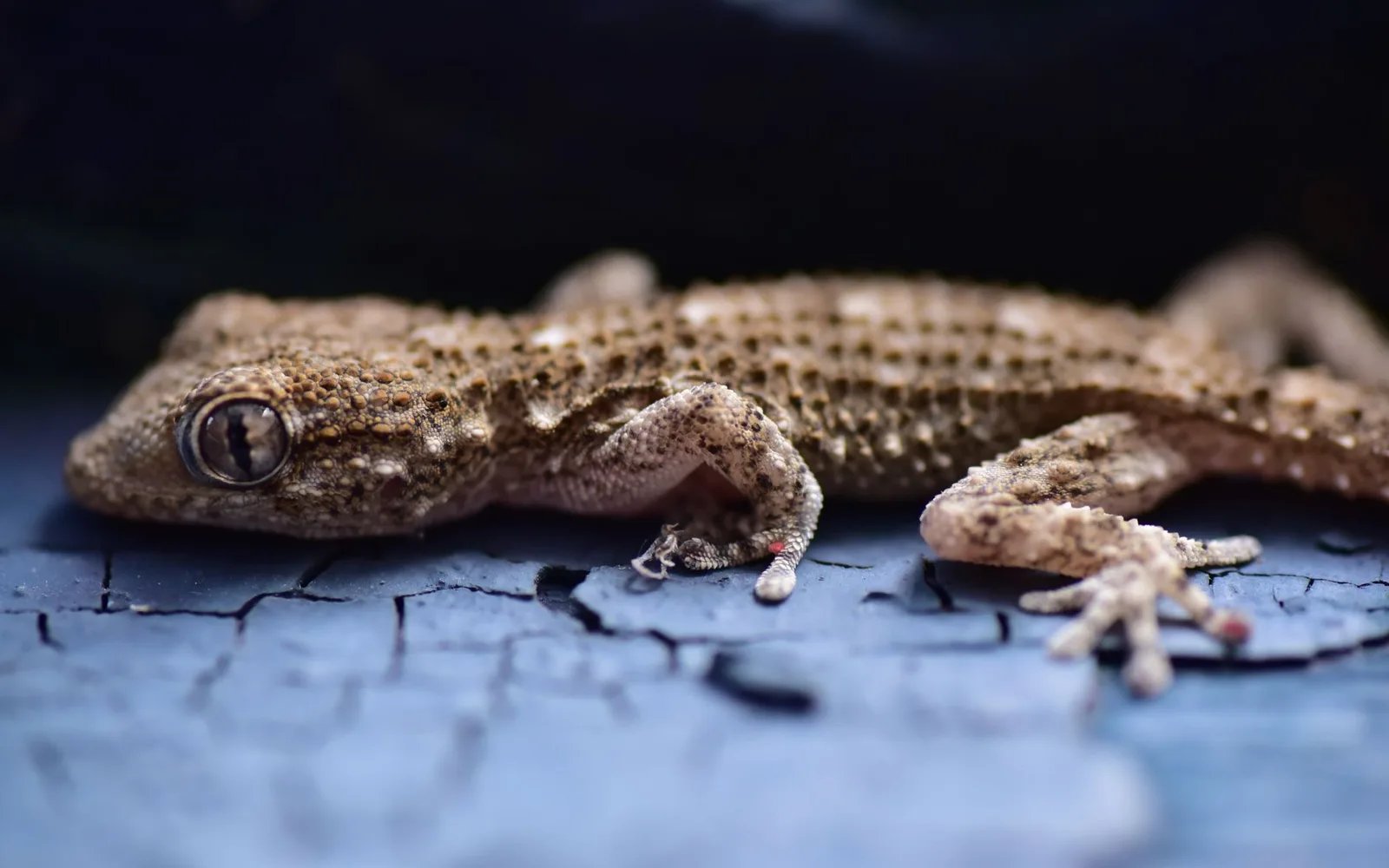
Gecko control in East Al Sulaymaniyah Jeddah
East Al Sulaymaniyah is a mixed district where shops occupy ground floors and homes sit above them, with new villas filling nearby plots between the Haramain Road and King Abdullah Road. A gecko entering the shop front will climb the shared walls and internal cracks to the flats above, so each entry point and each connection between the levels demands separate treatment.
-
Targeted, not broadcast
Product goes into cracks and runways, never sprayed across open surfaces.
-
Told before we start
What we will use, where it goes, and what to cover or move before we arrive.
-
A follow-up visit
We return after the first treatment, because what survives it does not show on the day.
-
Homes and businesses
Apartments and villas, and kitchens and stores that need a record of each visit.
Why they keep coming back in East Al Sulaymaniyah
Upper floor apartments in mixed-use buildings are reached by geckos climbing shared walls from ground floor openings. The problem is worst on the first and second storeys where the distance between the food source below and the shelter above is shortest. The method is set out in full on the full Gecko control page.
The connection between shop and flat above
A ground floor shop open to the street draws insects, and the gecko climbs the interior partition wall through gaps and cracks that separate the shop from the flat above. Treating the shop alone fails because the vertical passage on the shared wall remains open. Every gap on that partition, top to bottom, must be sealed or treated.
Shop and lobby lighting drawing insects upward
Bright lights in the shop and a shared entrance lobby attract small insects at night. The gecko waits in dark corners of the lit space and uses the openings in the shared lobby walls to reach the flats above. These lobby passages are direct routes to the upper storeys if left untreated.
Damp cracks around shared utility pipes
Water and drain pipes serving all flats run through the shared wall or chase, and around their sleeves sit damp cracks where geckos lay eggs. Surface spraying cannot reach inside these cracks. Deep injection of pesticide around each pipe sleeve is essential, and multiple visits may be needed as eggs hatch in stages.
The character of East Al Sulaymaniyah
Mixed district: shops at street level with homes above them
In a mixed-use building the shop and the flat above are one system for air flow, insect movement and humidity. A gecko does not distinguish: if insects are present and shelter is available, it enters through whatever opening exists.
The food, the opening and the crevice decide the method
A medium-density quarter straddling the Haramain high speed rail corridor and major highways, with health centres, schools and markets clustered along the main roads. Humidity is moderate but truck traffic and dust along the main routes attract and sustain insect populations that geckos feed on.
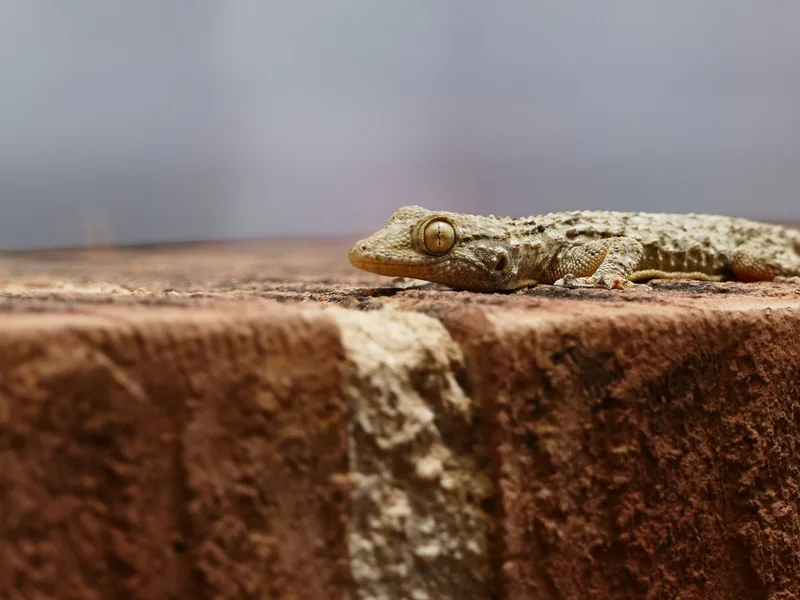
The house gecko
In a mixed building the gecko spends its night on shop walls near the lights, then climbs via cracks in the partition wall to hide in the flats above during the day, returning to feed at night when the shop is busy.

Outdoor lighting
Bright shop lighting at night draws small insects to gather in corners and along baseboards, and the gecko positions itself in the dark shadowed cracks where it can intercept prey without being exposed to light.
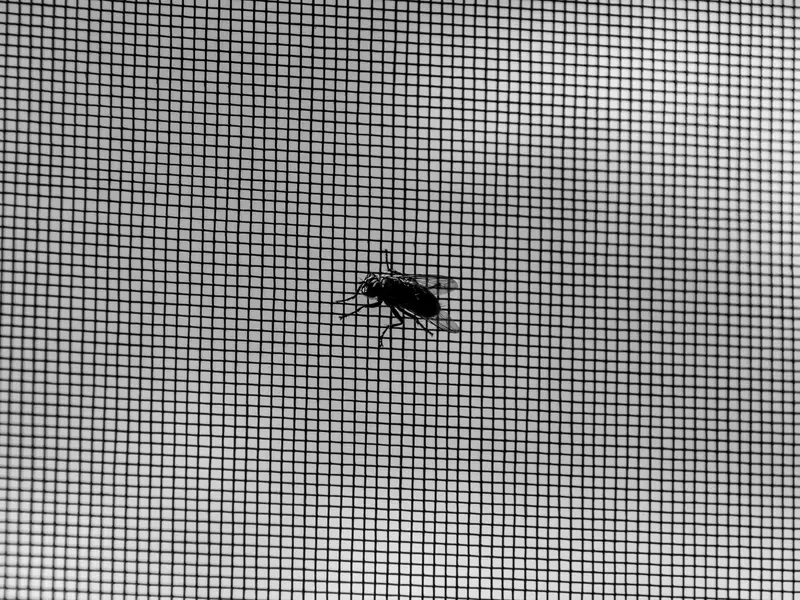
Window mesh
Flat windows may have intact mesh, but the openings that connect to the shop level below are not sealed. The gecko enters through those lower passages and climbs the interior wall to reach the flat.
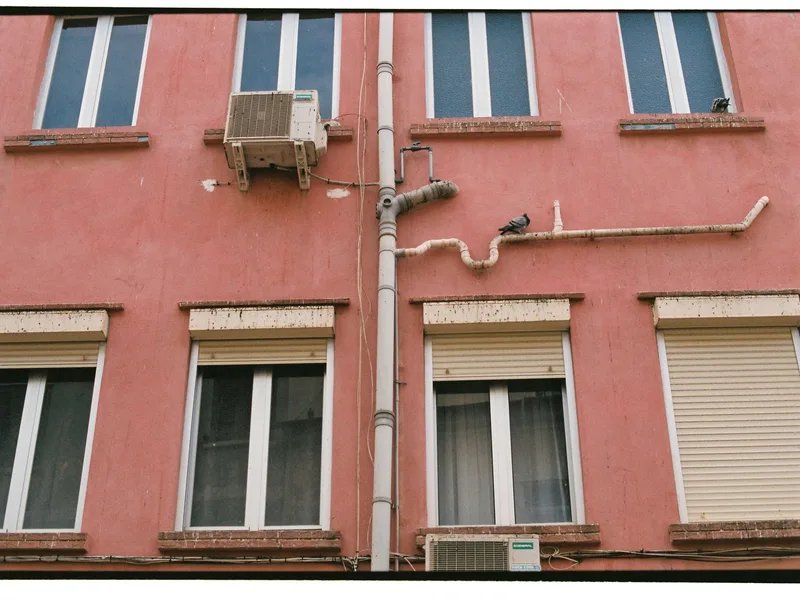
The air-conditioner sleeve
Pipe sleeves in upper flats are oversized around air-con ducts and drains, and the gecko uses them as highways at night. The narrow cracks around the sleeve base are where it hides by day and cements its eggs.
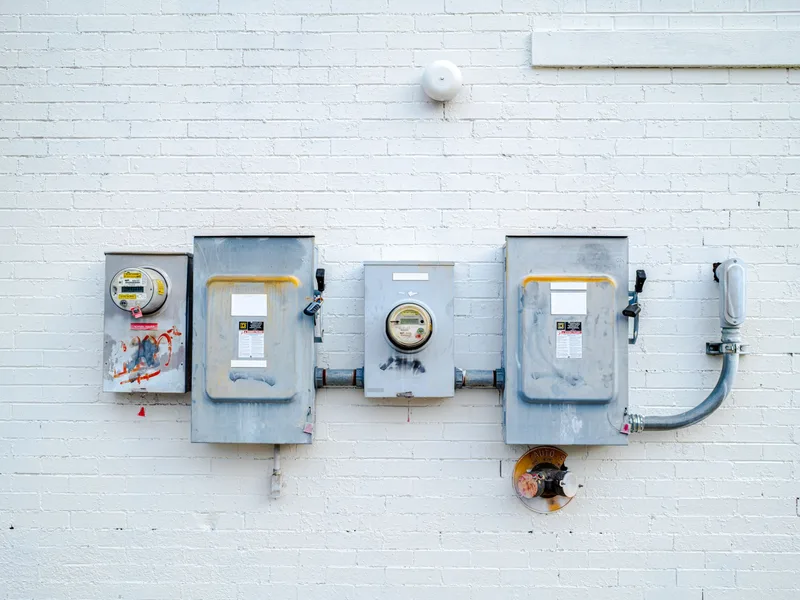
Meter boxes and electrical panels
The electrical panel in the shop and the sub-board in the flat above sit close to the shared partition, and geckos move between them at night through the openings and cracks behind both boards.
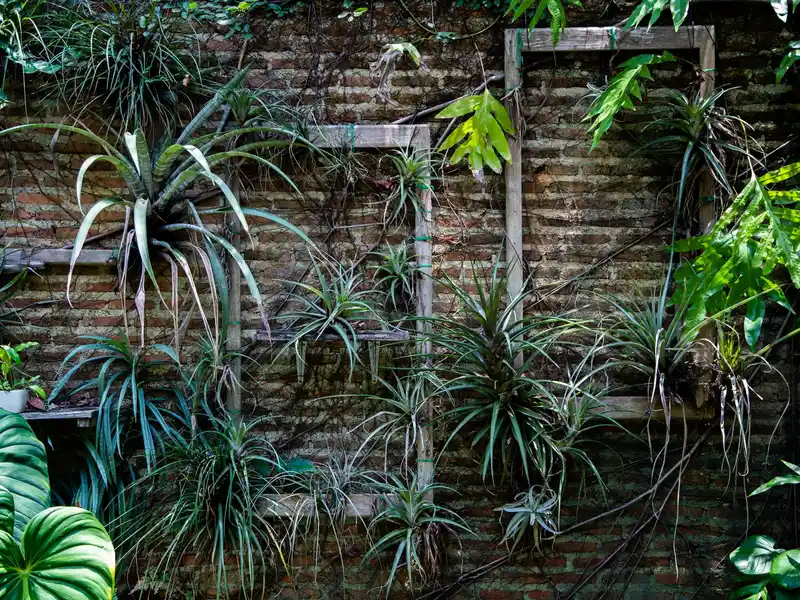
The garden and the irrigation
A small lit garden beside the building attracts insects at night, and some geckos enter there first before climbing into the building to reach the flats.
How we work
-
1
Inspect at night and find the source
We come at the hour it is actually moving, and establish which wall face it is living on, which lights are gathering its food, the entry points and the crevices it wedges into by day.
-
2
Treat the food source
We treat the flying and crawling insects on the wall faces, around the perimeter and around the lighting. Once the food goes, the wall stops being worth staying on.
-
3
Close the openings and clear the crevices
We seal the air-conditioner sleeve, screen the vents and drain outlets, deal with the underside of doors, and place a repellent in the crevices and behind panels so they move out before anything is closed.
-
4
The follow-up visit
We come back once the glued eggs have hatched, check the seals held, and re-treat any wall face where activity has returned.
What gecko control includes
-

A recorded night inspection
Wall faces, lighting, entry points and egg sites, all established before anything is applied.
-

Treating the insects on the walls
Targeted treatment around lighting, windows and the building perimeter, because the food is what keeps it there.
-

Placed repellent in the crevices
Behind panels, in wall joints and at the ceiling-void entries, where it sits out the day.
-

Screening vents and drain openings
Shafts, vents and the condensate outlet, which are entry points nobody looks at.
-

Aftercare instructions
Ventilation, what to cover, and the change to the outside lighting that stops the insects gathering again.
-

A scheduled follow-up
A set date after the first treatment, a check on the seals and re-treatment of anything still active.
What is different about Umm Al Salam Sub-Municipality
The Umm Al Salam sub municipality covers the east and south east of Jeddah along the Old Makkah Road and the Haramain Road. It pairs recently planned districts such as Al Wahah, Al Nakhil and Al Shuruq with popular districts that grew outside formal planning, including Al Harazat, Al Mahamid and Umm Al Salam. The older areas have ageing drainage, unpaved streets and vacant plots where building waste collects, conditions that suit rodents, cockroaches and ants. The newer areas are ringed by half built subdivisions and open excavations.
Questions about this district
Does treating only the ground floor shop protect the flats above it?
No. The shop alone is not enough. A gecko can climb from outside the shop entrance directly to interior cracks on the partition wall and then into the flat above. Every connection point between the shop and the floors above must be closed or treated.
When are geckos most active in buildings like this with shops below flats?
In the evening and at night when ground floor shops are lit and open. Small insects gather there, and the gecko hunts between the bright shop and the dark flat above, using cracks in the partition to climb between them.
Are upper storey apartments less exposed than the lower floors in the same building?
The first and second floors face the highest pressure because geckos climb gradually from the shop. Upper storeys are less exposed but not safe if the shared wall passages and openings remain untreated throughout the building height.
Should we treat the ground shop and the flats as separate jobs or one combined visit?
They must be treated as one system. The shop interior, its external surfaces, the shared wall cracks, the lobby passages and the flat interiors all need addressing. Treating them separately leaves paths between them open.
Do cracks around shared water pipes need special attention in this building type?
Yes, these cracks are damp, narrow and ideal for gecko eggs. Surface spray does not penetrate. We inject pesticide deep into the cracks around each sleeve and must return multiple times as eggs hatch in waves.
How many visits would an apartment block like this usually need in total?
Usually three to four visits spread over six to eight weeks. The first visit treats adult geckos and visible insects, removes visible eggs and closes accessible gaps. Later visits address newly hatched young and fresh egg batches as they emerge.
How much does gecko control in East Al Sulaymaniyah cost?
It is set after the inspection, because the price follows the type of infestation, the size of the space, how far it has spread and the number of visits it needs. Send a photo and a description on WhatsApp and we will give you an estimate before we reach East Al Sulaymaniyah.
Nearby districts we cover
Other services in East Al Sulaymaniyah
Other services we provide to residents of East Al Sulaymaniyah.
-
 Residential
Cockroach control
Residential
Cockroach control
-
 Residential
Bed bug control
Residential
Bed bug control
-
 Residential
Termite control
Residential
Termite control
-
 Residential
Rodents and mice
Residential
Rodents and mice
-
 Residential
Mosquito control
Residential
Mosquito control
-
 Residential
Fly control
Residential
Fly control
-
 Residential
Ant control
Residential
Ant control
-
 Residential
Scorpion control
Residential
Scorpion control
-
 Residential
Snake control
Residential
Snake control
-
 Residential
Flea control
Residential
Flea control
-
 Residential
Bird and pigeon control
Residential
Bird and pigeon control
-
 Residential
Preventive treatment
Residential
Preventive treatment
-
 Residential
Disinfection
Residential
Disinfection
-
 Commercial
Annual contracts
Commercial
Annual contracts
-
 Commercial
Restaurants and cafes
Commercial
Restaurants and cafes
-
 Commercial
Hotels and apartments
Commercial
Hotels and apartments
-
 Commercial
Warehouses and factories
Commercial
Warehouses and factories
-
 Commercial
Schools and nurseries
Commercial
Schools and nurseries
-
 Commercial
Retail and malls
Commercial
Retail and malls
-
 Commercial
Rest houses and farms
Commercial
Rest houses and farms
-
 Commercial
Fumigation
Commercial
Fumigation
-
 Water tanks
Water tank cleaning
Water tanks
Water tank cleaning
-
 Water tanks
Water tank sterilization
Water tanks
Water tank sterilization
-
 Water tanks
Water tank sealing
Water tanks
Water tank sealing
-
 Water tanks
Tank leak repair
Water tanks
Tank leak repair
Need gecko control in East Al Sulaymaniyah? Tell us what you saw and we will tell you what it needs
We reach East Al Sulaymaniyah at a time we agree, and you get the full cost before we start.