
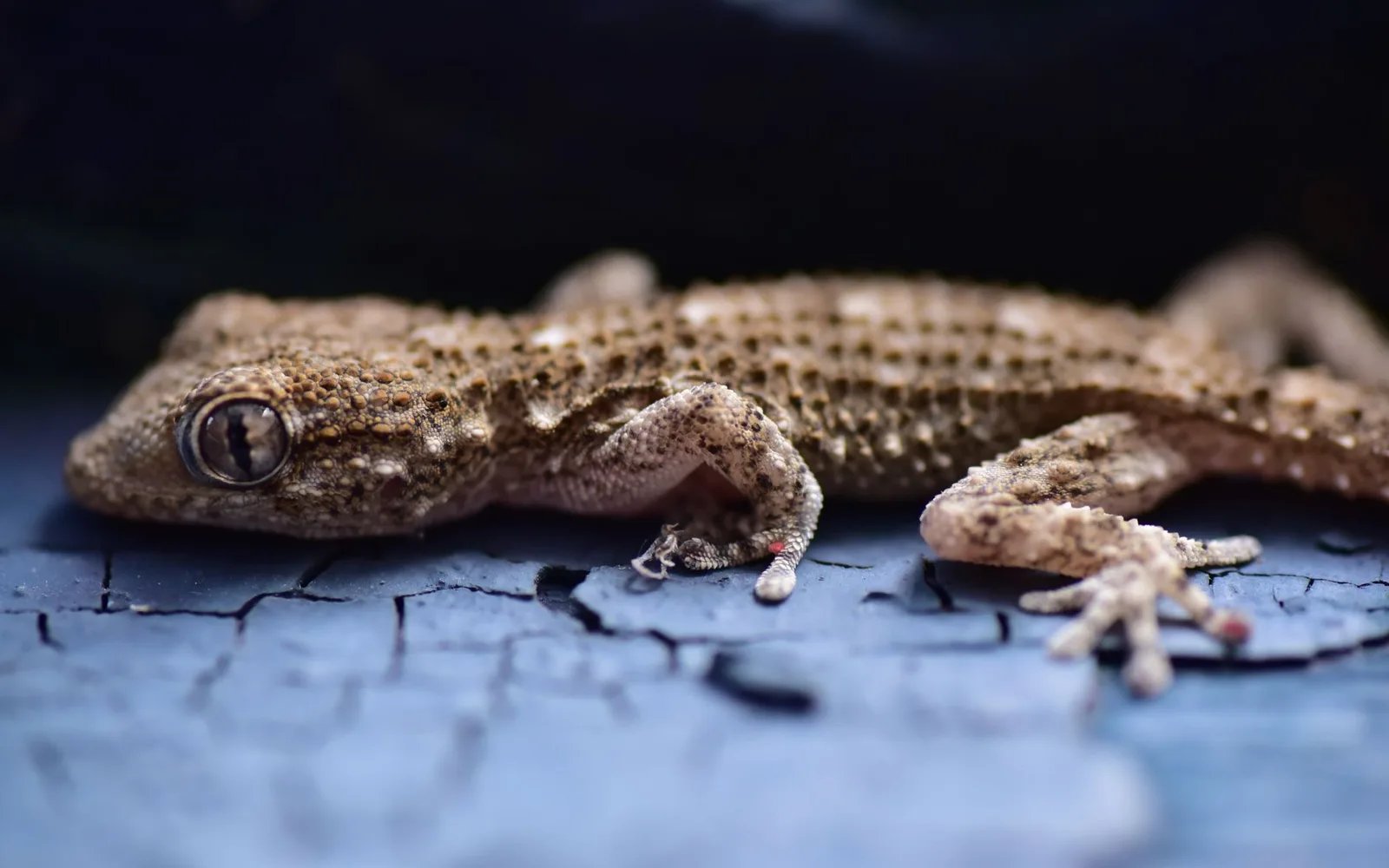
Gecko control in Jarwal Makkah
Jarwal lies north west of the Grand Mosque, where old Makkan family houses have become budget hotels and dense seasonal lodgings for pilgrims and Umrah visitors. Caught between Jabal Qaiqaan and the Haram, its narrow streets trap humidity and insects. Treatment here faces the challenge of high occupancy turnover, continuous foot traffic and rapid insect congregation around the hotel lights.
-
Targeted, not broadcast
Product goes into cracks and runways, never sprayed across open surfaces.
-
Told before we start
What we will use, where it goes, and what to cover or move before we arrive.
-
A follow-up visit
We return after the first treatment, because what survives it does not show on the day.
-
Homes and businesses
Apartments and villas, and kitchens and stores that need a record of each visit.
Why they keep coming back in Jarwal
Small hotels here change their guests every few days, leaving scattered food scraps and debris that insects colonise rapidly. Geckos come hunting at night when insect activity peaks under the hotel lights. The method is set out in full on the full Gecko control page.
Budget hotel occupancy turnover and continuous activity
Jarwal is packed with small cheap hotels where pilgrims and Umrah visitors move through every few days. Each guest change means doors open, passages fill with movement, kitchens stay busy. Geckos do not wait for the hotel to close, they hunt during the chaos, hiding in service areas and storage rooms where no one is watching.
Old stone buildings with deep cracks and trapped moisture
These old Makkan houses are built from stone and mud with deep interior cracks and narrow dark passages. The site between Jabal Qaiqaan and the Haram, ringed by roads, traps moisture and stagnant air. This building type is ideal for insect breeding and gecko congregation.
Historic flood channels and exposed construction sites nearby
Old watercourses still run down from Jabal Qaiqaan towards the Mosque, and the surrounding area holds excavated ground and open construction sites. These bare zones harbour insects and food waste, and geckos come from them, drawn to the lights and heat of the lit hotels.
The character of Jarwal
Apartment district: residential blocks, repeated floors and shared entrances
The dense seasonal lodging in Jarwal means a constant stream of new guests, and geckos exploit the chaos and open passages. Treatment requires coordination with hotel management and precise scheduling because any delay allows geckos to move back and forth between rooms.
The food, the opening and the crevice decide the method
A dense quarter north west of the Grand Mosque with old Makkan family houses now serving as budget hotels and seasonal pilgrim lodgings, home to Bir Tuwa well and Jabal Qaiqaan, reached via Al Taysir Street and Umm Al Qura Road.
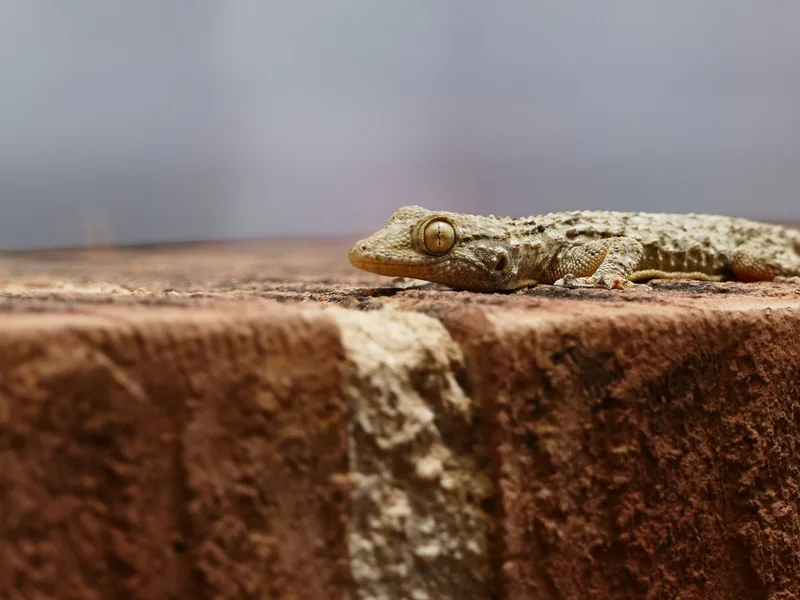
The house gecko
The house gecko comes out to hunt at night when small insects gather under the lights, then retreats to cracks and dark corners in walls and angles.

Outdoor lighting
Outdoor lighting on the streets and around the hotel entrance attracts vast quantities of small insects that geckos hunt throughout the night.
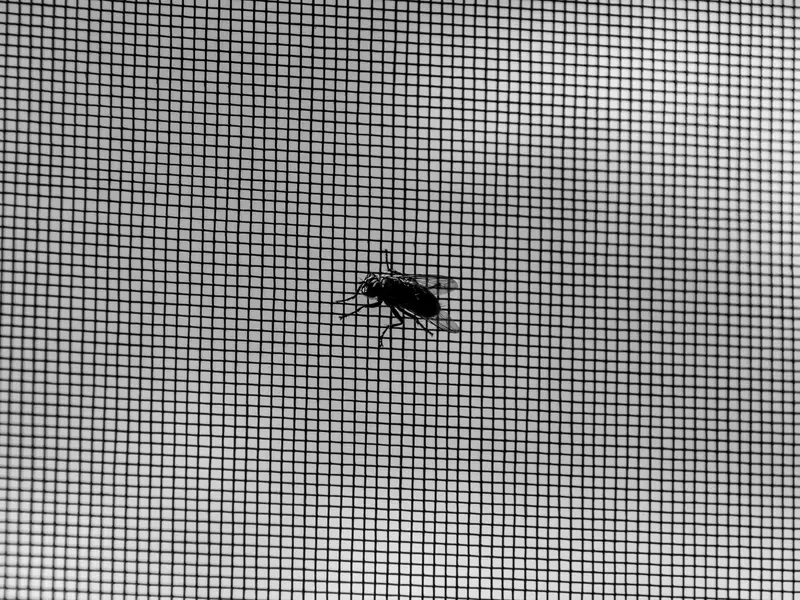
Window mesh
Hotel window mesh may have multiple holes and tears that insects use to enter, and treatment includes finding and repairing every gap.
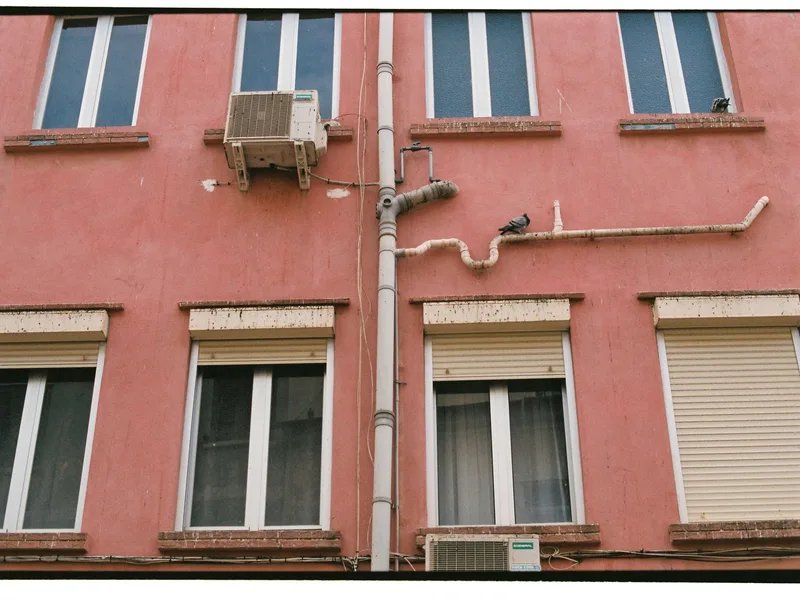
The air-conditioner sleeve
Air-conditioner pipes and drainage lines pass through walls and leave gaps and cracks around the openings, these are primary gecko and insect entry routes.
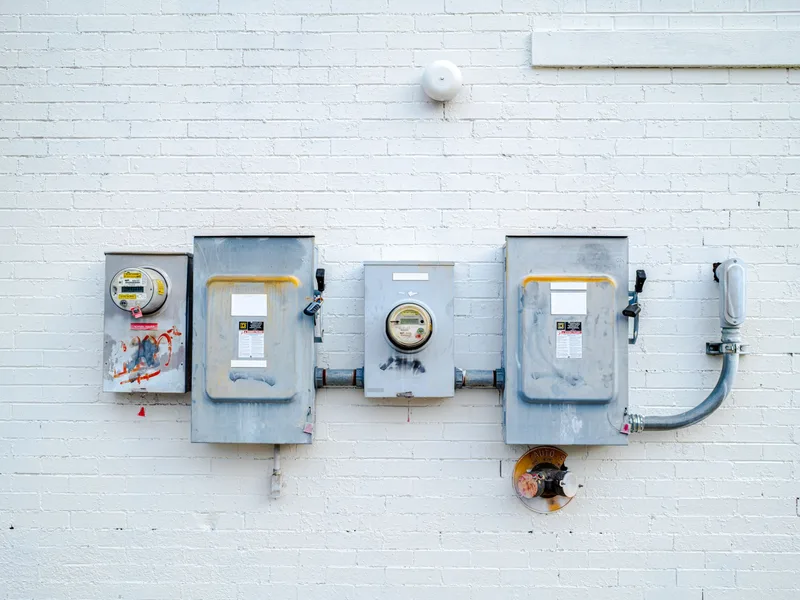
Meter boxes and electrical panels
Meter boxes and circuit breaker panels in shared passages, kitchens and storage areas need careful treatment because geckos hide in them and hunt the insects gathered nearby.
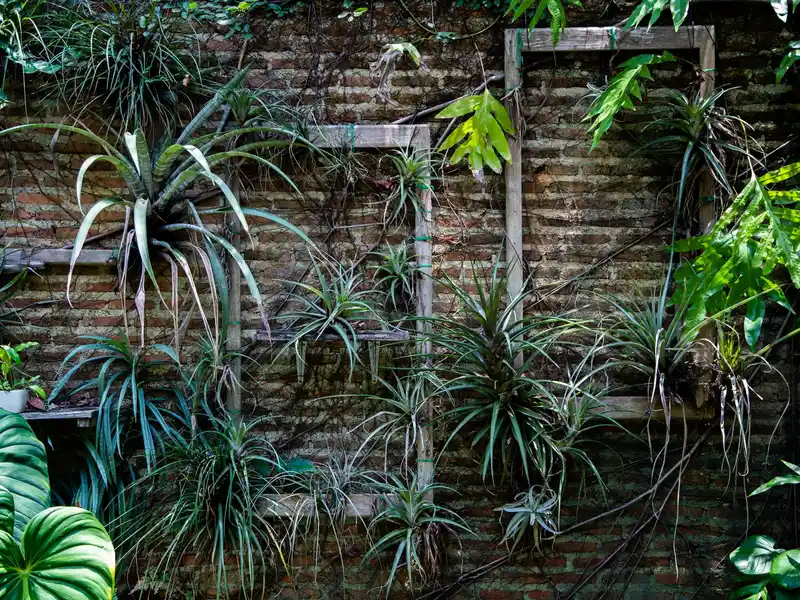
The garden and the irrigation
Hotel storage rooms and back areas are often damp and littered with food scraps, making them key zones for insect breeding and gecko congregation.
How we work
-
1
Inspect at night and find the source
We come at the hour it is actually moving, and establish which wall face it is living on, which lights are gathering its food, the entry points and the crevices it wedges into by day.
-
2
Treat the food source
We treat the flying and crawling insects on the wall faces, around the perimeter and around the lighting. Once the food goes, the wall stops being worth staying on.
-
3
Close the openings and clear the crevices
We seal the air-conditioner sleeve, screen the vents and drain outlets, deal with the underside of doors, and place a repellent in the crevices and behind panels so they move out before anything is closed.
-
4
The follow-up visit
We come back once the glued eggs have hatched, check the seals held, and re-treat any wall face where activity has returned.
What gecko control includes
-

A recorded night inspection
Wall faces, lighting, entry points and egg sites, all established before anything is applied.
-

Treating the insects on the walls
Targeted treatment around lighting, windows and the building perimeter, because the food is what keeps it there.
-

Placed repellent in the crevices
Behind panels, in wall joints and at the ceiling-void entries, where it sits out the day.
-

Screening vents and drain openings
Shafts, vents and the condensate outlet, which are entry points nobody looks at.
-

Aftercare instructions
Ventilation, what to cover, and the change to the outside lighting that stops the insects gathering again.
-

A scheduled follow-up
A set date after the first treatment, a check on the seals and re-treatment of anything still active.
What is different about Al Ghazza Sub-Municipality
Al Ghazza sub municipality wraps around the north and west of the Grand Mosque, from Al Shamiyah, Al Qararah and Shaib Amir round to Jarwal and Al Taysir. Large tracts were cleared for the northern expansion and the Rua Al Haram scheme, leaving excavated ground and open construction sites beside ageing blocks that now serve as dense seasonal lodgings in Jarwal and Al Taysir. Old flood paths still fall from Jabal Qaiqaan and Jabal Khandamah towards the mosque, and markets and eateries crowd Al Masjid Al Haram Road and Umm Al Qura Road.
Questions about this district
Will treating one hotel room stop geckos if the adjacent room does not get treated?
No, geckos move between adjacent rooms via cracks in the walls and shared passages. Treating the hotel means treating every room and passage in the same time window.
How often per year does a small hotel in Jarwal need gecko control treatment?
It depends on occupancy and seasonality. Hotels running full year round may need treatment every two or three months. Seasonal hotels should be treated before the busy season begins.
Does an empty room in the hotel provide gecko refuge if the next room is treated?
Yes, an empty room without lights and without insects may attract geckos because it is quieter and darker. Hotels need treatment in vacant rooms too, as well as storage areas and back-of-house spaces.
Is the outdoor lighting around the hotel entrance a cause of the gecko problem?
The outdoor lights draw millions of small insects, and geckos come to hunt beneath them. Hotels with bright exterior lighting experience higher gecko pressure than those with dim entrances.
Will treating a small hotel protect the residential buildings next to it from geckos?
No, geckos are independent. Treating the hotel reduces the gecko load around the hotel itself, but neighbouring residential blocks need separate treatment, especially if they share exterior walls.
Do old Makkan stone houses need different treatment methods than modern hotel conversions?
Yes, old houses have stone and mud construction with deep cracks needing targeted spot treatment. Modern hotel conversions may be concrete but their shared passages and interconnected spaces still require separate and careful treatment in each zone.
How much does gecko control in Jarwal cost?
It is set after the inspection, because the price follows the type of infestation, the size of the space, how far it has spread and the number of visits it needs. Send a photo and a description on WhatsApp and we will give you an estimate before we reach Jarwal.
Nearby districts we cover
Other services in Jarwal
Other services we provide to residents of Jarwal.
-
 Residential
Cockroach control
Residential
Cockroach control
-
 Residential
Bed bug control
Residential
Bed bug control
-
 Residential
Termite control
Residential
Termite control
-
 Residential
Rodents and mice
Residential
Rodents and mice
-
 Residential
Mosquito control
Residential
Mosquito control
-
 Residential
Fly control
Residential
Fly control
-
 Residential
Ant control
Residential
Ant control
-
 Residential
Scorpion control
Residential
Scorpion control
-
 Residential
Snake control
Residential
Snake control
-
 Residential
Flea control
Residential
Flea control
-
 Residential
Bird and pigeon control
Residential
Bird and pigeon control
-
 Residential
Preventive treatment
Residential
Preventive treatment
-
 Residential
Disinfection
Residential
Disinfection
-
 Commercial
Annual contracts
Commercial
Annual contracts
-
 Commercial
Restaurants and cafes
Commercial
Restaurants and cafes
-
 Commercial
Hotels and apartments
Commercial
Hotels and apartments
-
 Commercial
Warehouses and factories
Commercial
Warehouses and factories
-
 Commercial
Schools and nurseries
Commercial
Schools and nurseries
-
 Commercial
Retail and malls
Commercial
Retail and malls
-
 Commercial
Rest houses and farms
Commercial
Rest houses and farms
-
 Commercial
Fumigation
Commercial
Fumigation
-
 Water tanks
Water tank cleaning
Water tanks
Water tank cleaning
-
 Water tanks
Water tank sterilization
Water tanks
Water tank sterilization
-
 Water tanks
Water tank sealing
Water tanks
Water tank sealing
-
 Water tanks
Tank leak repair
Water tanks
Tank leak repair
Need gecko control in Jarwal? Tell us what you saw and we will tell you what it needs
We reach Jarwal at a time we agree, and you get the full cost before we start.